
REVIEW · ALEXANDRIA VIRGINIA
Alexandria: American Revolution Guided Walking Tour
Book on GetYourGuide →Operated by Alexandria History Tours · Bookable on GetYourGuide
Old Town Alexandria gets revolutionary fast. This guided walk ties early political resistance to the war itself, and it does it on the same streets where patriots lived, worked, and worshipped. I love the George Washington stops that turn big statements into walkable moments, and I love having Tim lead the group with the kind of focus that keeps the story clear. One drawback to plan for: it’s tightly centered on the Revolutionary era, so if you want more modern Alexandria or other topics, you’ll need extra stops after the tour.
The format is simple: 90 minutes, on foot, in Old Town. You’ll cover a lot without feeling rushed, and on hot days the guide tries to keep things comfortable by adjusting and finding shade. Bring hiking shoes, and you’ll be set.
In This Review
- Key Highlights You’ll Actually Feel on the Walk
- Why Alexandria’s Revolutionary Story Feels Different Than Usual
- Meeting at the Visitor Center and What 90 Minutes Means in Practice
- How the Tour Builds Up the Revolution: From Early Resistance to Public Stands
- George Washington Stops: Turning Famous Ideas Into Street-Level Reality
- Alexandria’s Revolutionary Document: Why Local Decisions Mattered
- Historic Churches and the Revolution’s Moral Language
- Tomb of the Unknown Soldier of the American Revolution: A Serious Moment
- Lafayette in 1824: How the Revolution Stayed Alive
- Pace, Comfort, and Practical Tips for a Smooth Walk
- Price and Value: Is $30 Reasonable for 90 Minutes?
- Who This Tour Fits Best (And Who Might Want a Different Plan)
- Pair It With Other Alexandria Stops for a Full Washington Day
- Should You Book This Alexandria American Revolution Walking Tour?
- FAQ
- Where does the tour meet?
- How long is the walking tour?
- What is the price per person?
- Is the tour guided by a person or self-guided?
- What should I bring?
- Are food and drinks included?
- Is the tour wheelchair accessible?
- Can I cancel for a refund?
- FAQ
- Is the tour focused only on the American Revolution?
- What historic places are included?
- Does the tour include George Washington-related sites?
- Does the tour include Lafayette?
Key Highlights You’ll Actually Feel on the Walk
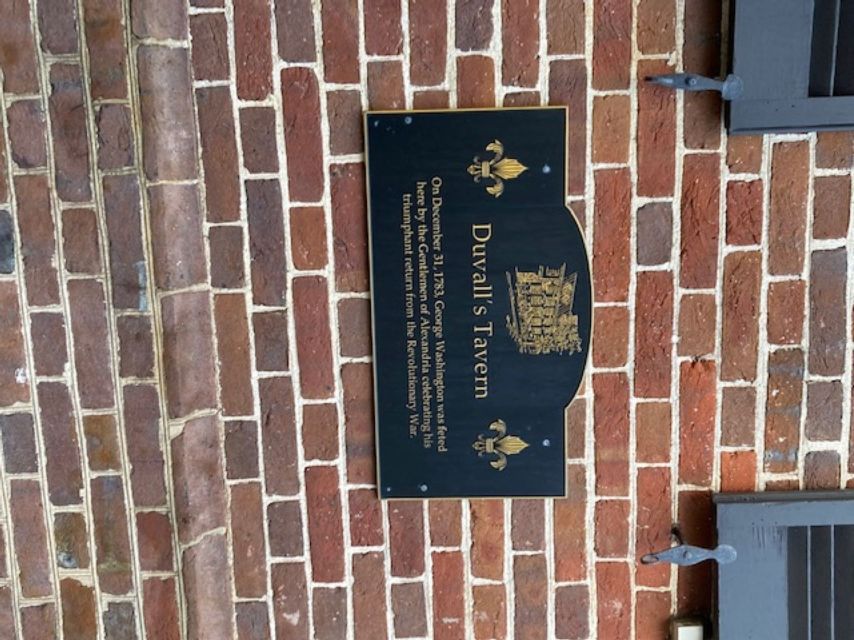
- Old Town’s Revolutionary War lens: billed as the only Old Town tour centered on Alexandria’s unique Revolution story.
- Washington in the real world: you’ll connect Washington’s intentions and actions to locations around Alexandria, not just the usual legends.
- Patriots’ everyday spaces: homes, workplaces, and churches show how independence grew in daily life.
- A serious monument moment: the Tomb of the Unknown Soldier of the American Revolution gives the tour a thoughtful pivot.
- Lafayette’s 1824 address: you’ll see how the Revolution kept shaping public life decades later.
- A guide who keeps you engaged: from fast pacing control to plenty of conversation-style explanations.
Why Alexandria’s Revolutionary Story Feels Different Than Usual
Most American history tours focus on battlefields or major cities with the loudest headlines. This one is built around Alexandria, where the Revolution started long before the first shots. The result is a walking tour that feels grounded, like you’re seeing how ordinary people and local leaders pressed the colonies toward independence.
What I like is the way the tour links politics to daily life. You’re not only hearing names and dates. You’re watching how those decisions show up on streets, in churches, and around the places where respected citizens worked and worshipped.
You can also read our reviews of more walking tours in Alexandria Virginia

Meeting at the Visitor Center and What 90 Minutes Means in Practice

You meet at the Visitor Center at 221 King St, Alexandria, VA 22314. The spot is convenient because you’ll find bathrooms on the bottom floor, plus water and tourist information inside. The guide meets either inside or on the porch, which is helpful if weather changes.
Ninety minutes is just long enough to build momentum without exhausting your legs. It’s also short enough that you can still tack on other sights afterward—something that matters in Old Town, where parking and time can get tight.
Because you’ll be walking, comfort matters more than you’d think. Wear shoes with solid grip. The tour info calls for hiking shoes, and you’ll be glad you listened if the day is warm or the sidewalks feel slick.
How the Tour Builds Up the Revolution: From Early Resistance to Public Stands
The tour’s core idea is that rebellion didn’t arrive all at once. Two decades before the war began, Alexandria was already pushing the colonies toward conflict through political pressure and firm local decisions. You’ll walk past the kinds of settings where leaders could make arguments, coordinate opinions, and show up in public.
You’ll also hear how prominent Alexandria residents took hard stands against British taxation policies. That framing matters because it explains the Revolution as something people chose over time, not something that just happened to them.
A big plus here is the focus on where patriots lived, worked, and worshipped. That triad helps you understand how independence was supported by more than speeches. It was supported by communities, daily routines, and shared moral language.
George Washington Stops: Turning Famous Ideas Into Street-Level Reality
Washington is threaded through the whole walk. You’ll see multiple stops connected to his ties to Alexandria, including places tied to his wider “military family” network—where people in his orbit lived and worked. Even if you’ve read about Washington before, seeing the locations in a single route makes the story snap into place.
One of the tour’s stated goals is to show where Washington declared his intention to fight against British tyranny. That kind of detail does two useful things. First, it anchors a major moment in geography. Second, it shows how decision-making happened amid local life, not in a vacuum.
If you enjoy clear cause-and-effect history, this section is the payoff. The story stops being abstract when you can look at the street, imagine the period, and hear how the guide connects events to specific places.
Alexandria’s Revolutionary Document: Why Local Decisions Mattered
The tour includes a stop connected to where Alexandria passed its own Revolutionary document. This is one of those moments that can feel small until you understand the scale.
Independence wasn’t only declared by national leaders. It was argued, voted on, and confirmed by communities. When you connect Alexandria’s local actions to the bigger Revolution, you start to see how independence became real: not only because famous men wanted it, but because ordinary communities backed the move.
The tour also discusses Alexandria’s connection to the Declaration of Independence and the U.S. Bill of Rights. That linkage is valuable because it shows that the Revolution was not just about breaking free from Britain. It was also about building a new political logic—one that would shape rights and governance afterward.





Historic Churches and the Revolution’s Moral Language
Religion isn’t treated as background here. The walk includes multiple historic churches that pre-date the Revolutionary War. That matters because church life often shaped community identity, social networks, and public rhetoric.
The tour also stops at Washington’s church, where he famously discussed taking up arms on behalf of American independence. Even if you already know that Washington is tied to the Revolution, you’ll likely appreciate seeing the idea framed through the physical setting of worship and community leadership.
This section tends to work well if you like history that explains how people justified their choices. You’ll come away seeing how independence talk was linked to moral duty and communal responsibility, not just political strategy.
Tomb of the Unknown Soldier of the American Revolution: A Serious Moment
Halfway-style, the tour shifts tone with a visit to the Tomb of the Unknown Soldier of the American Revolution. Monuments like this do something walking tours can’t always do: they slow the story down.
It’s not just a photo stop. The guide is set up to explain the history behind the tomb, and that context helps you understand why the Revolution is still honored in this way. If you’re the type who likes your history with a respectful pause, this is one of the best parts of the route.
Lafayette in 1824: How the Revolution Stayed Alive
The tour also includes a stop tied to Marquis de Lafayette, specifically where he addressed Alexandria’s citizens in 1824. That’s a great reminder that the Revolution didn’t end with the war.
By 1824, the Revolution was already part of the nation’s memory and identity. Hearing about Lafayette’s address in that later context helps you connect the Revolutionary era to early American civic culture—how people continued to interpret the past through public events.
This stop adds depth because it turns the tour from a “then and there” story into a “then and now” story. It shows how the Revolution kept shaping public life long after the last battles.
Pace, Comfort, and Practical Tips for a Smooth Walk
I like that the pace is designed for real viewing, not a sprint. The guide also watches conditions—one review notes that on a hot day, Tim took time to find shade. That’s the kind of detail that can make or break a summer walk in Old Town.
So plan around weather. If it’s sunny, you’ll want sun protection and a bottle of water you can sip as needed. The Visitor Center has water before you start, but you’ll still benefit from your own refill plan.
You should also be ready to hear a lot in a short time. This tour is focused, and the best value comes from leaning in. If you’re the type who likes asking questions, this guide format supports that.
Price and Value: Is $30 Reasonable for 90 Minutes?
At $30 per person for a 90-minute walking tour, the price lands in the “good value” category—mainly because this is not a generic history walk. It’s Alexandria’s Revolutionary War story, tightly organized around Washington connections, local documents, historic churches, and the Revolutionary-era memorial.
The included part that matters most is the guide: a local historian and guide who can explain what you’re seeing and why it matters. That transforms the experience from sightseeing into understanding. For many people, that’s what they’re really paying for.
Also, because it’s one short ticket, it’s easier to fit into a day without committing to an all-morning or all-day program. That makes the $30 feel more reasonable, because you can still build a full Old Town schedule after.
Who This Tour Fits Best (And Who Might Want a Different Plan)
This tour is a great match if you:
- Want Revolutionary-era Alexandria, not just a quick overview of the city
- Like Washington stories with specific locations and context
- Enjoy history that includes churches and everyday community life
- Prefer a guided walk that stays engaged rather than feeling like a lecture
It may be less ideal if you want:
- A broader sweep of American history beyond the Revolution
- A heavy focus on later wars or modern Alexandria
- A lot of food stops built into the route (food and drinks are not included)
Pair It With Other Alexandria Stops for a Full Washington Day
If you’re building a Washington-centered day, I like the idea of pairing this walk with one or two follow-ups nearby. One of the nice things about the guide style here is that it often leads you to other ideas for experiencing Old Town and the Revolutionary War era in more ways than one—like monuments and memorials after you’ve got the street-level context.
Should You Book This Alexandria American Revolution Walking Tour?
I think you should book it if you want a focused, street-level Revolutionary War experience in Old Town Alexandria. You’ll get Washington connections, local Revolutionary civic action, church-linked moments, Lafayette’s 1824 address, and a meaningful visit to the Tomb of the Unknown Soldier of the American Revolution—all packaged into 90 minutes with a guide who keeps the story clear and engaging.
If you already know a lot of Revolution facts and you crave a broader time period, you might leave wanting more. But if your goal is to understand how independence took shape in Alexandria—where people lived, worked, and worshipped—I’d call this one of the most efficient ways to do it.
FAQ
Where does the tour meet?
Meet at the Visitor Center, 221 King St, Alexandria, VA 22314. The guide meets either inside or on the porch.
How long is the walking tour?
The tour duration is 90 minutes.
What is the price per person?
The price is $30 per person.
Is the tour guided by a person or self-guided?
It is a live tour with an English-speaking guide.
What should I bring?
The tour recommends bringing hiking shoes.
Are food and drinks included?
No. Food and drinks are not included.
Is the tour wheelchair accessible?
Yes, the tour is wheelchair accessible.
Can I cancel for a refund?
You can cancel up to 24 hours in advance for a full refund.
FAQ
Is the tour focused only on the American Revolution?
Yes. The tour is specifically focused on Alexandria’s American Revolution and Revolutionary War era connections.
What historic places are included?
The tour includes stops tied to Revolutionary War history, including the Tomb of the Unknown Soldier of the American Revolution and multiple historic churches that pre-date the Revolutionary War.
Does the tour include George Washington-related sites?
Yes. The tour includes multiple George Washington stops and discusses Washington’s connections to Alexandria.
Does the tour include Lafayette?
Yes. It includes a stop where Marquis de Lafayette addressed Alexandria’s citizens in 1824.