
REVIEW · GEORGETOWN WASHINGTON DC
Washington, DC: Georgetown Architecture Walking Tour
Book on GetYourGuide →Operated by DC Design Tours · Bookable on GetYourGuide
Georgetown reads like an open-air textbook. This Washington DC Georgetown Architecture Walking Tour turns iconic streets into a guided story—starting with waterways and finishing at the waterfront—so you understand why this neighborhood looks the way it does. Along the route, you’ll hear the neighborhood’s rags-to-riches tale and pick up the “why” behind famous landmarks and campus buildings.
I especially love how the tour connects architecture to real people and real momentum, from historic homes to academic sites. I also like the pacing: it’s described as leisurely, and it packs a lot in without turning into a speed-walk. Guides such as Sam and Ellyn have been praised for being engaging, sharing fun facts, and keeping the whole walk moving at a comfortable tempo.
One thing to consider: you’re on your feet for about 2 miles over roughly 150 minutes. If you’re hoping for lots of short stops with minimal walking, this may feel like more ground than you’d planned for.
In This Review
- Key Highlights at a Glance
- Why Georgetown Works So Well on Foot
- Meeting Outside Baked & Wired in Georgetown
- The Chesapeake and Ohio Canal: Georgetown’s Connector
- Historic Houses and an Upper-Class Boarding School
- The Grafton Tyler Double House and Christ Episcopal Church
- Hyde-Addison School, Yellow Tavern, and Pomander Walk
- Volta Laboratory: Alexander Graham Bell in Georgetown
- Academic Georgetown: Prep, Healy Hall, and the University Library
- The Tombs, Car Barn, and the Streetcar Story
- Francis Scott Key Memorial, Cady’s Alley, and the Waterfront Finish
- Price and Value: What $43 Gets You
- Who This Tour Fits Best
- Should You Book This Georgetown Architecture Walking Tour?
- FAQ
- How long is the Washington, DC Georgetown Architecture Walking Tour?
- What is the walking distance?
- Where do I meet the guide?
- How much does the tour cost?
- Is the tour in English?
- What should I bring?
- Does the tour run in bad weather?
- What’s included in the price?
- Where does the tour end?
Key Highlights at a Glance
- Chesapeake and Ohio Canal: see how it linked Potomac communities with markets and goods
- Georgetown’s “rags to riches” story: architecture tied to social climbing and change
- Iconic stops by name: Laird-Dunlop House, Newton D. Baker House, Lydia English Seminary School for Girls
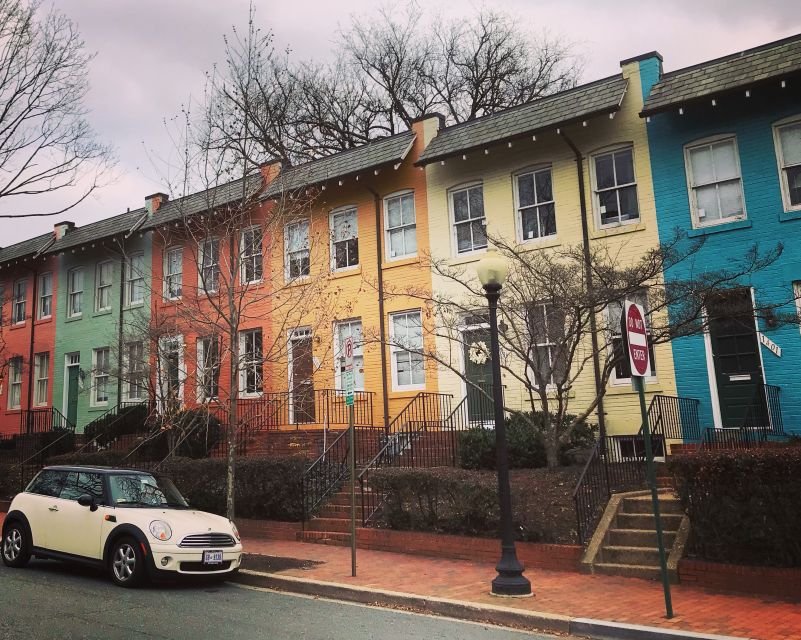
- Pomander Walk: tiny, pastel row houses you’ll want to photograph
- Alexander Graham Bell’s Volta Laboratory: innovation inside a historic neighborhood
- Car Barn and Georgetown Waterfront: the tour ends where the streets meet the water
Why Georgetown Works So Well on Foot
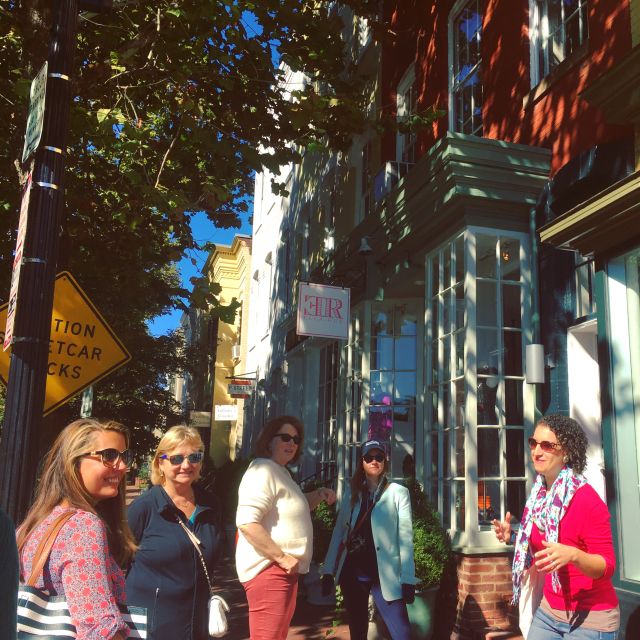
Georgetown is one of those places where the streets basically explain themselves—if you know what you’re looking at. That’s the real value of this tour. You’re not just seeing pretty buildings; you’re learning how the neighborhood’s physical layout and architectural choices connect to how the area grew.
What makes the experience particularly satisfying is that it’s built like a timeline. You move from older infrastructure to storied houses, then into institutional Georgetown—schools, churches, and academic landmarks—before ending near the water. By the time you reach the finish, the neighborhood feels less like a collection of snapshots and more like a coherent story.
And because it’s a walking tour with a guide, you get the human layer: the “who” and the “why” behind landmarks you might otherwise walk past. Past guests specifically called out guides as informative and engaging, and they also mentioned fun facts that add color without turning the walk into a lecture.
Meeting Outside Baked & Wired in Georgetown
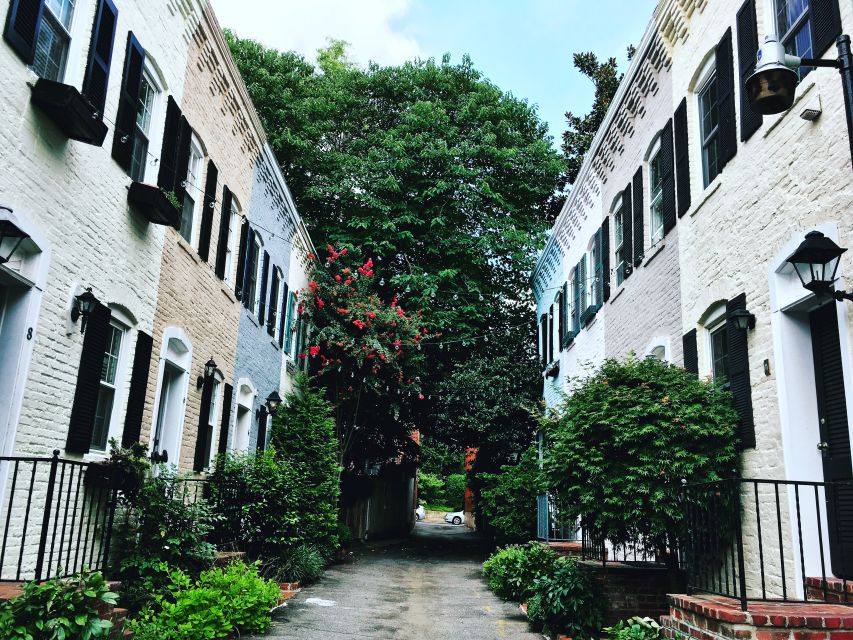
The tour starts with a simple setup: meet your guide outside Baked & Wired. Your guide will be wearing a DC Design Tours t-shirt, so it’s easy to find the group. Arrive about 5 minutes early because the walking part departs on time.
This matters more than you might think. Georgetown streets can be a bit of a maze, and you don’t want to start stressed. If you’re planning to take photos early, it also helps to arrive a touch early so you can get your camera ready without holding up the group.
Tip: if you’re the kind of person who wants a couple of clean shots at each stop, you’ll do best by listening first, then stepping into position when the guide finishes the key point.
The Chesapeake and Ohio Canal: Georgetown’s Connector
Early on, you follow your guide to the Chesapeake and Ohio Canal, which connects Potomac River communities with markets and goods. That short description is a big clue to what you’ll be seeing and learning.
A canal isn’t just pretty scenery. It signals trade routes, supply chains, and the kind of growth that comes from moving goods efficiently. In a place like Georgetown, that history helps explain why buildings and institutions cluster where they do. Even if you don’t know the details yet, you can sense the logic: this neighborhood mattered to commerce.
As you walk along, keep an eye out for how the canal area fits into the surrounding development. This is where the tour earns its “don’t just look—understand” reputation. You’re being taught to connect infrastructure to architecture.
Historic Houses and an Upper-Class Boarding School
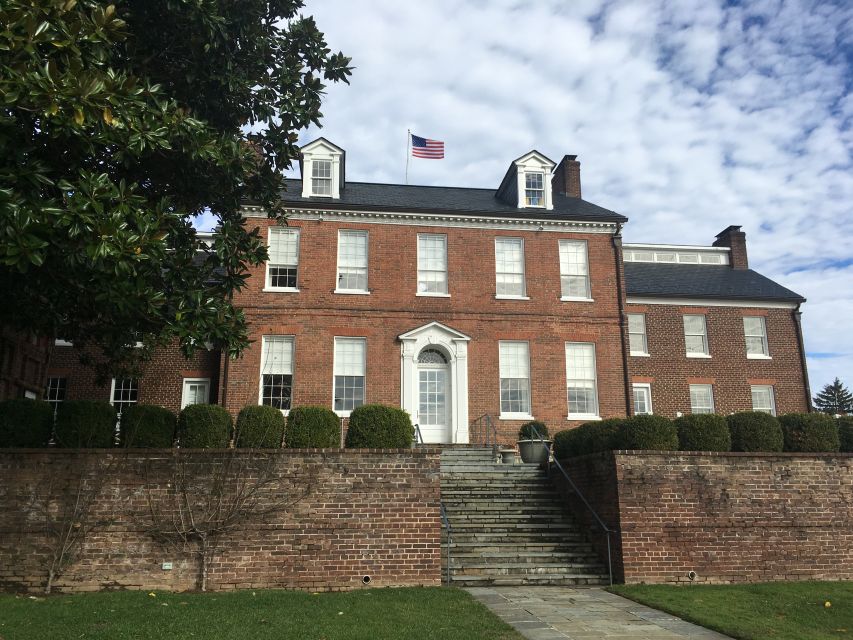
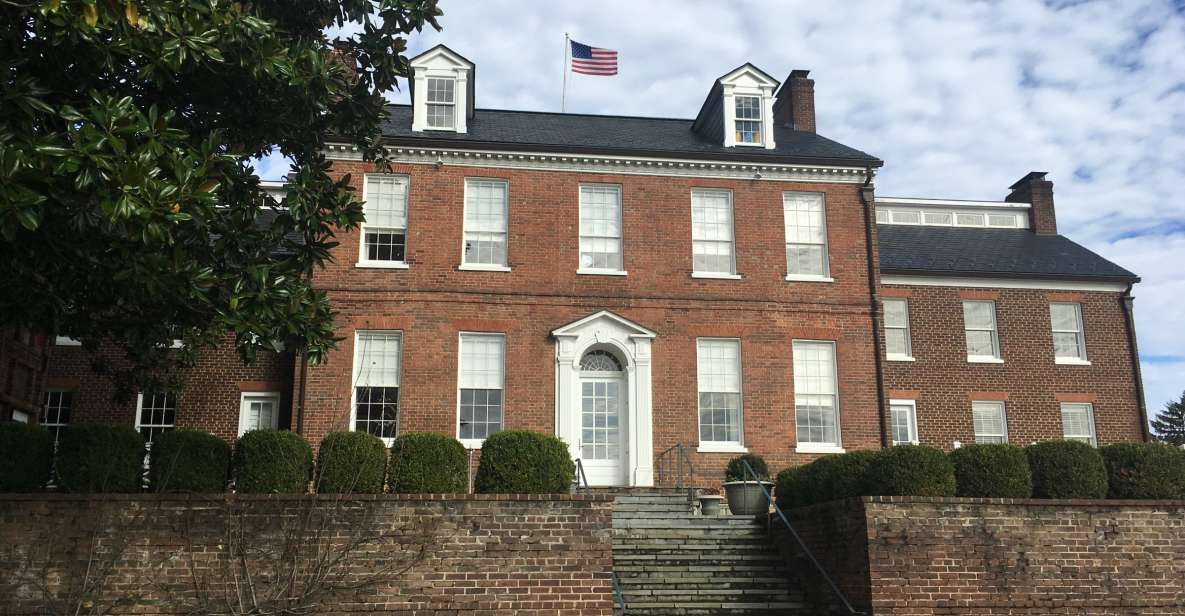
After the canal, the tour shifts to standout architecture through named stops, including the Laird-Dunlop House and the Newton D. Baker House. Then you’ll reach Lydia English Seminary School for Girls, described as a boarding school that served the upper class.
This is one of the tour’s clever moves: it doesn’t treat historic buildings like museum pieces. Instead, it frames them in social context. A house isn’t only a facade—it represents who lived there, what mattered to them, and what status looked like in brick and stone.
You also get to practice a useful skill for exploring DC: reading buildings like clues. When you see these named properties in person, you start noticing details you might otherwise skip—scale, materials, and how the building’s presence changes the feel of the street.
The Grafton Tyler Double House and Christ Episcopal Church
Next up is the Grafton Tyler Double House. Double houses often come with a built-in story about how property was used or shared, and the fact that it’s called out by name means it’s meant to be read as more than a curiosity.
Right after that, you pass Christ Episcopal Church. Churches are a big deal in older neighborhoods because they functioned as community landmarks long before modern signage and GPS. In Georgetown, this stop helps anchor you: you’re seeing how spiritual institutions sit alongside homes and schools, shaping the neighborhood’s rhythm.
The benefit here is mental: you’re building a map of different “types” of Georgetown architecture—residential, religious, educational—so the rest of the tour clicks faster.
Hyde-Addison School, Yellow Tavern, and Pomander Walk
The itinerary keeps rolling with additional named sites, including the Hyde-Addison School. Then you’ll visit the Yellow Tavern, also called the White Horse Tavern.
A tavern stop is a smart choice on an architecture tour. It reminds you that neighborhoods are made of everyday gathering spots, not only grand institutions. Even if you’re mostly there for buildings, this kind of landmark helps you imagine the social life that once animated the streets.
Then comes one of Georgetown’s photo magnets: Pomander Walk, where you’ll pass tiny pastel row houses. The tour doesn’t just point and move on. It gives you a reason to look closely—because those small, colorful structures feel like a whole pocket world within the neighborhood.
If you care about photos, this is one of the easiest places to plan for them. Stand where the row houses are framed cleanly, listen for the guide’s “what to notice” moment, then take your shots once the group has absorbed the key point.
Volta Laboratory: Alexander Graham Bell in Georgetown
Next, you see where Alexander Graham Bell founded Volta Laboratory. This stop is a reminder that Georgetown isn’t only old-style architecture—it’s also connected to invention and modern influence through a famous name.
What I like about this portion is that it breaks the pattern. After houses, churches, and schools, you get a science-and-innovation story. That makes the tour feel less repetitive and more like a full neighborhood portrait.
If you like connections between place and people, this is a high-impact moment. It’s also a good pause in energy before the tour heads deeper into Georgetown’s academic core.
Academic Georgetown: Prep, Healy Hall, and the University Library
Then the tour focuses on campus landmarks, including Georgetown Preparatory School, Healy Hall, and the University Library.
This segment matters because it shows you how architecture changes function. You’re moving from homes and community buildings into institutions that shape daily life—places where students pass through, where ideas live in visible forms.
Even if you’re not planning a campus visit, these stops help you understand why Georgetown looks the way it does. Institutional buildings often dominate streetscape views, create sightlines, and shape how neighborhoods feel safe, formal, or collegiate.
One practical note: as you move through campus areas, expect more people near entrances and paths. You’ll still have time to look, but your best bet is to stay flexible with your position and follow your guide’s movement closely.
The Tombs, Car Barn, and the Streetcar Story
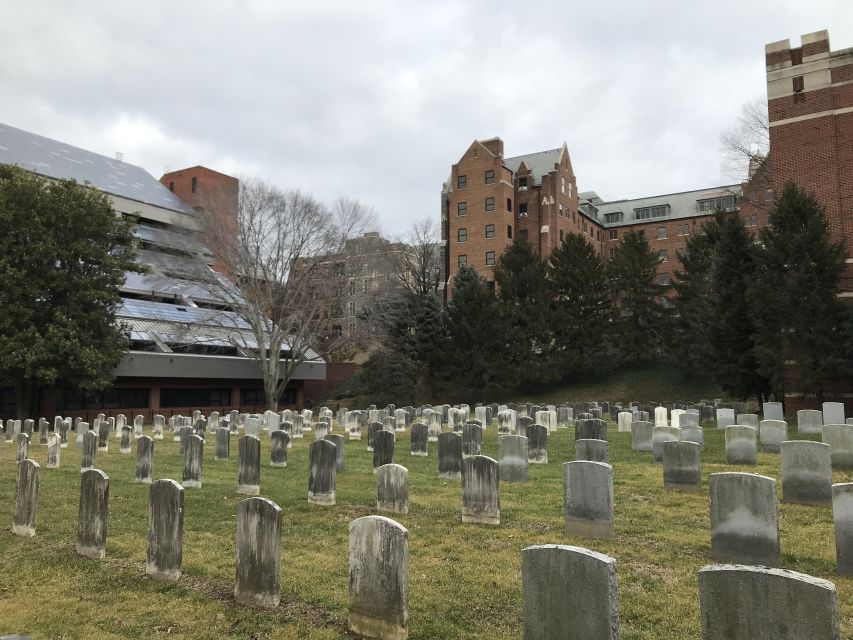
Next is The Tombs, described as campus nightlife. That’s another smart touch because it recognizes that places have different moods at different times. Seeing it in a day tour gives you a baseline for the vibe, even if you’re just walking by.
Then you visit the Car Barn, described as a renovated streetcar depot. This is where the tour shows you Georgetown’s ability to reuse the past. A streetcar depot is an infrastructure building, not a decorative one, and the renovation angle suggests that history doesn’t have to stay frozen in amber.
For me, this stop makes the whole tour feel more grounded. You’re seeing architecture as a living system—something that still serves a purpose, even when the original function changes.
Francis Scott Key Memorial, Cady’s Alley, and the Waterfront Finish
As the tour wraps up, you’ll visit the Francis Scott Key Memorial, then Cady’s Alley. The alley is a good “last turning point” before the ending—because it gives you one more distinctly Georgetown visual rhythm, smaller and more intimate compared to broader streets.
Finally, you reach the Georgetown Waterfront, where the tour concludes. This ending location is perfect. You’ve spent the morning learning about waterways, institutions, and neighborhood growth; finishing at the water makes the full story feel complete.
It’s also a practical win: if you want to keep exploring after the tour, the waterfront gives you a natural place to pause, grab a drink, or continue wandering on your own with better context.
Price and Value: What $43 Gets You
At $43 per person for about 150 minutes, this tour sits in a reasonable mid-range spot for a guided architecture experience in DC. The value comes from two things: you’re paying for a local guide and a route that hits named landmarks instead of vague “photo stops.”
In other words, you’re not just buying movement. You’re buying interpretation: the rags-to-riches story, the canal context, the named houses and schools, and the connective tissue between them. Multiple guides have been singled out for being engaging and knowledgeable in the reviews, and that’s exactly what you want at this price point—someone who can make the buildings understandable fast.
If you’re the type who enjoys learning while walking, the pacing and landmark density make this an efficient way to cover a lot of Georgetown without doing all the research yourself.
Who This Tour Fits Best
I’d point you to this tour if you like:
- Architecture that comes with a story, not just a photo prompt
- Georgetown’s blend of neighborhoods, institutions, and older infrastructure
- A guided walk that feels leisurely but still meaningful over a set route
- Named landmarks like the Volta Laboratory site and Pomander Walk
It may be less ideal if you want a mostly indoor experience, or if you’re sensitive to walking about 2 miles even at a relaxed pace.
And if you’re traveling with a mix of interests—someone who loves buildings and someone who loves DC lore—this itinerary is designed to keep both sides satisfied.
Should You Book This Georgetown Architecture Walking Tour?
I’d book it if you want an organized way to understand Georgetown without turning it into homework. The stops are specific, the route is paced for comfortable walking, and the guide role is clearly central. Past experiences also highlighted guides like Sam and Ellyn for keeping things engaging and adding fun facts, which is exactly what makes architecture tours feel worth your time.
But if you’re planning to take it easy and want minimal walking, consider your comfort level first. Two miles is not extreme, yet it’s enough that you’ll feel it if you’re not prepared.
If you go, do this: wear comfortable shoes, bring water, and give yourself permission to pause for photos when the guide finishes the key detail. That way you get both the story and the visuals.
FAQ
How long is the Washington, DC Georgetown Architecture Walking Tour?
The tour lasts about 150 minutes.
What is the walking distance?
It involves about 2 miles of walking.
Where do I meet the guide?
Meet your guide outside of Baked & Wired. Your guide will be wearing a DC Design Tours t-shirt.
How much does the tour cost?
The price is $43 per person.
Is the tour in English?
Yes, the tour is conducted in English.
What should I bring?
Bring comfortable shoes, water, and weather-appropriate clothing.
Does the tour run in bad weather?
It runs rain or shine unless conditions are dangerous.
What’s included in the price?
A professional local guide is included.
Where does the tour end?
The tour ends at the Georgetown Waterfront.