REVIEW · WASHINGTON DC
Gourmet Pasta Class in Washington D.C. (Includes 3-Course Meal)
Book on Viator →Operated by Cozymeal Cooking Classes · Bookable on Viator
Handmade pasta is a skill you can taste. In this small-group Washington, D.C. class, you’ll learn dough, shaping, and sauce skills while preparing a full three-course meal with a local chef. It’s built for hands-on cooking, limited to a tiny class size, and it lands you right back at the meeting point when you’re done.
Two things I like a lot: the 3-course menu (salad, your pasta, then filled pasta), and the way instruction is designed around real techniques like kneading dough and balancing sauces. One thing to consider is that alcohol isn’t permitted on site, so if you’re hoping for a wine-and-pasta night, you’ll need to plan around that.
In This Review
- Key Highlights You’ll Feel During the Class
- Why a Washington DC Pasta Class Works Better Than a Typical Tour
- Price and Value: What $135 Really Buys
- The 3-Hour Flow: Salad, Your Main Pasta, Then Filled Pasta
- First Course: Seasonal Vegetable Salad with Herbs and Vinaigrette
- Second Course: Choose Garganelli with Meat Sauce or Farfalle with Vegetable Ragù
- Third Course: Filled Pasta (Tortellini or Agnolotti) in Rich Cream Sauce
- Hands-On Skills You’ll Actually Use Later
- Chef Jordan: Patient Teaching and a Fun Kitchen Mood
- Choosing Your Main: Garganelli or Farfalle
- What You’re Drinking and Eating Beyond the Pasta
- Dietary Needs and How to Request Changes
- Where the Class Happens and How the Timing Fits DC Sightseeing
- Who This Pasta Class Is Best For
- Should You Book This Gourmet Pasta Class in Washington, DC?
- FAQ
- How long is the gourmet pasta class?
- Where is the meeting point in Washington, D.C.?
- What’s included in the price?
- Can I request dietary accommodations?
- Is alcohol available during the class?
- What is the cancellation policy?
Key Highlights You’ll Feel During the Class
- Small-group format (up to 9 total people): more time for one-on-one attention and fewer long waits.
- Full 3-course meal you help make: seasonal vegetable salad, then a main pasta choice, then filled pasta with cream sauce.
- Real pasta skills, not just assembly: kneading dough, shaping pastas, and tuning sauces for flavor and texture.
- Chef Jordan–style teaching energy: patient, fun, and focused on getting things right; plus a lively playlist.
- Dietary needs supported: tell them in advance and they’ll do their best to tailor the experience.
- Mobile ticket and English class: easy check-in and straightforward communication.
Why a Washington DC Pasta Class Works Better Than a Typical Tour
This isn’t a “watch someone cook” situation. The format is made for doing, which matters in a place like Washington, D.C., where a lot of food experiences are either quick tastings or sit-and-ramble dining. Here, you’re rolling up your sleeves and building the meal step by step.
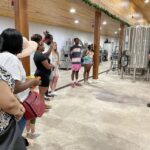
The class also feels like a contained evening in the city. You start at 1369 New York Ave NE and end back there, which keeps your schedule simple after you’ve spent the day seeing monuments and museums. And with a small group size, you’re less likely to feel like an extra body in the room.
You can also read our reviews of more tours and experiences in Washington DC
Price and Value: What $135 Really Buys
At $135 per person for about 3 hours, you’re paying for more than ingredients. You’re buying (1) chef-led instruction on handmade pasta techniques, (2) a full meal that you helped produce, and (3) the advantage of a small class where you can ask questions without shouting over a crowd.
If you’ve ever tried making pasta at home, you know the hard part isn’t the recipe. It’s timing, texture, and knowing what “right” feels like before you commit to the next step. This class is structured to teach those cues while you’re actively cooking.
Also, the menu is doing the heavy lifting. You’re not just making one dish. You’re building a starter, a main pasta (two options), and a filled pasta course, which makes the value feel more “dinner with skills” than “class that ends before you eat.”
The 3-Hour Flow: Salad, Your Main Pasta, Then Filled Pasta
The class centers on a straightforward idea: build the meal in the same order you’ll eat it. While the exact timing can vary by group and pace, the work naturally follows the three-course menu.
First Course: Seasonal Vegetable Salad with Herbs and Vinaigrette
You’ll start with a seasonal vegetable salad that uses fresh herbs and a tangy vinaigrette. This matters because it resets your palate before heavier pasta work. It’s also a good warm-up for learning how ingredients and seasoning work together, which carries over into sauce-making later.
Second Course: Choose Garganelli with Meat Sauce or Farfalle with Vegetable Ragù
For the main, you’ll choose between two pasta directions:
- Garganelli with savory meat sauce: a classic, hearty route with a richer profile.
- Farfalle with vegetable ragù: a comfort-food style choice with earthy, slow-simmer energy.
The chef guidance here focuses on the mechanics you’ll use later at home: shaping your pasta and then balancing sauce so it clings and tastes finished. You’re not just cooking; you’re learning how the pasta and sauce relate.





Third Course: Filled Pasta (Tortellini or Agnolotti) in Rich Cream Sauce
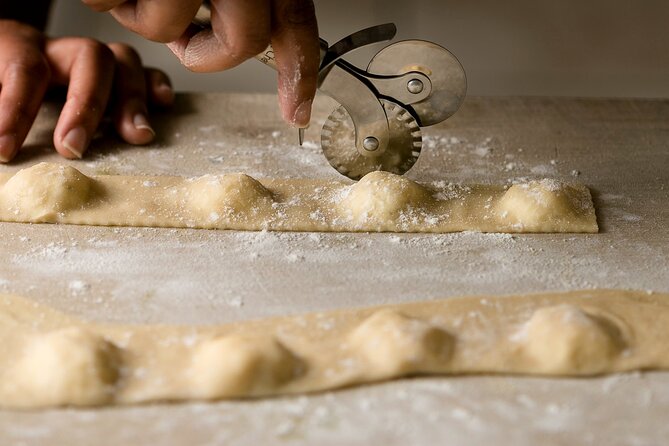
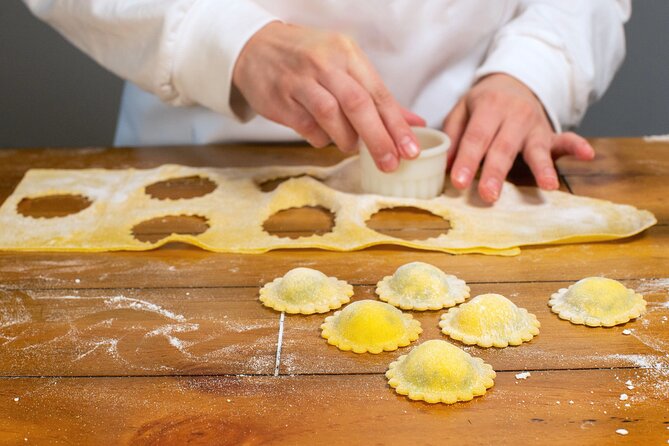
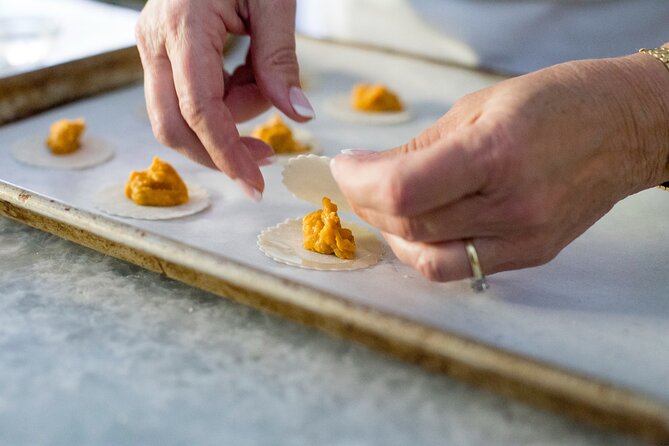
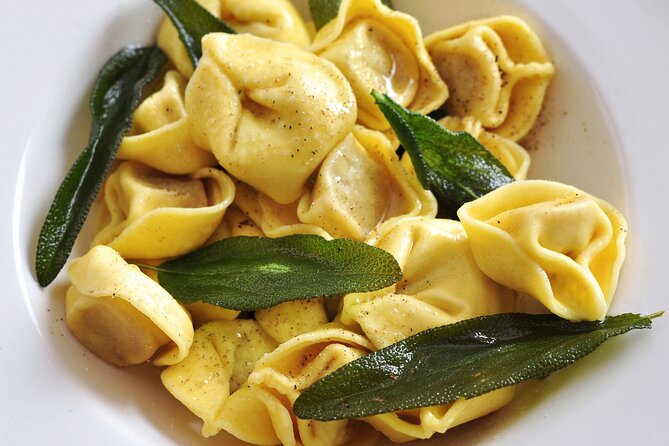
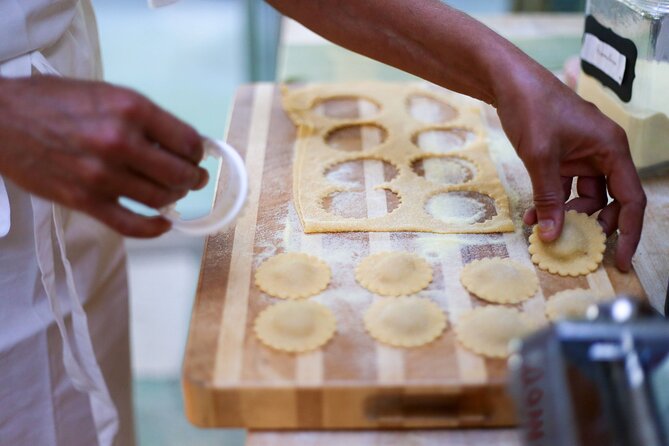
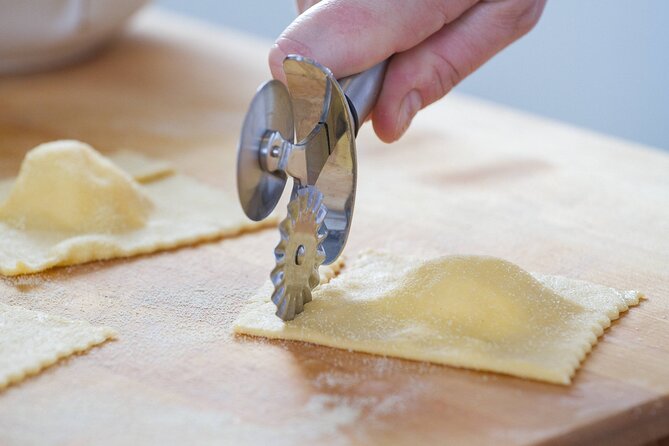
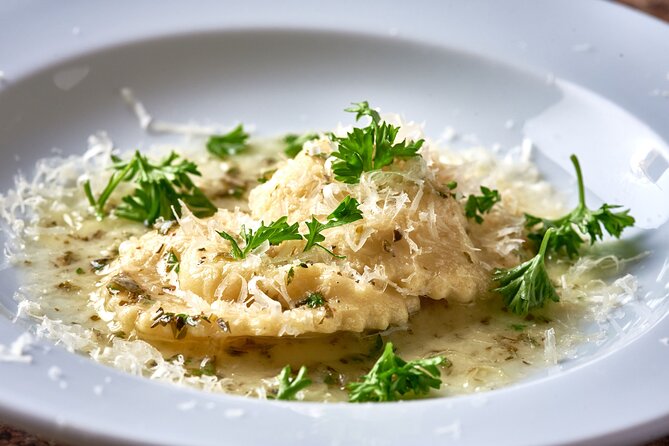
The final course is where this class earns its reputation. You’ll make filled pasta—either tortellini or agnolotti—stuffed with artisanal cheeses and herbs, then served in a rich cream sauce.
Filled pasta can look intimidating, but in a small group setting, you get the kind of feedback that helps you avoid common mistakes. Expect step-by-step guidance around forming and portioning, plus coaching so the final texture matches what you want.
Hands-On Skills You’ll Actually Use Later
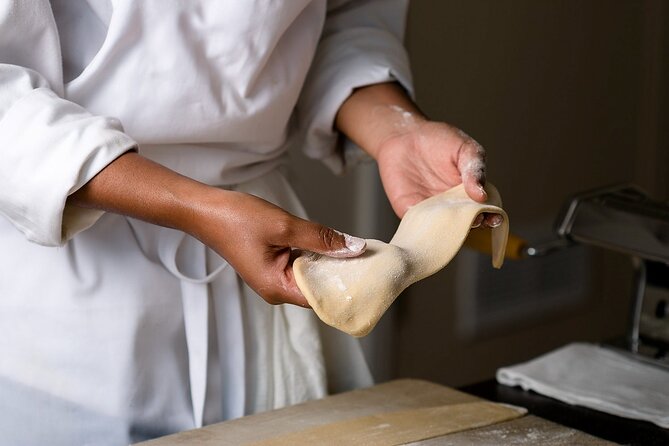
This is the part I’d pay attention to even if you’re not a pasta superfan. The class is designed around technique: kneading dough, shaping pastas, and balancing sauces so the flavors and textures land right. That’s what transforms “I followed a recipe” into “I can cook pasta confidently.”
Here’s what you’re likely to learn in practical terms:
- How dough should feel during kneading (not just how long).
- How shaping affects the sauce pick-up and final bite.
- How sauce balance works: you adjust until the dish tastes complete, not flat or overly heavy.
And because you’re doing all three courses, the learning isn’t one-off. Salad prep teaches seasoning instincts, the main pasta builds shaping and sauce matching, and filled pasta forces precision and patience.
Chef Jordan: Patient Teaching and a Fun Kitchen Mood
One of the biggest strengths here is the teaching style. Chef Jordan is described as patient and fun, with a focus on making the process enjoyable while still getting results. That combo matters more than people think.
In a kitchen class, frustration kills attention. When the chef stays calm and guides you step by step, you’re more likely to pick up the real reasons things work. Add in a lively playlist, and the class feels less like a lesson and more like a friendly cooking night with a pro at your shoulder.
If you’re the type who learns best when you’re relaxed, this setup is a win.
Choosing Your Main: Garganelli or Farfalle
Your second-course choice isn’t just a menu preference; it changes the flavor story of your meal.
Pick garganelli with savory meat sauce if you want a deeper, more traditional Italian profile. It’s the more protein-forward option and pairs naturally with the creamy, satisfying ending of the filled pasta course.
Choose farfalle with vegetable ragù if you want something hearty but centered more on vegetables and earthy notes. It’s a great fit if you eat meat occasionally or you just want your meal to feel less heavy before the cream sauce finale.
Either way, you’re still making pasta and learning sauce balance, so the skill value doesn’t depend on your choice.
What You’re Drinking and Eating Beyond the Pasta
The class includes the full three-course food, but the drink situation is simple: non-alcoholic beverages are welcome, and alcohol isn’t permitted on site.
That’s worth considering if you plan to turn this into a longer evening in D.C. You might prefer to schedule this as your main food event, then have your post-class drink elsewhere—or keep it alcohol-free and let the cooking be the entertainment.
Also note that the setting is described as a cozy D.C. venue with a small-group atmosphere, which usually means less noise and better focus.
Dietary Needs and How to Request Changes
This class is designed to accommodate a variety of dietary needs. The key is communication: let them know in advance, and they’ll do their best to tailor the experience.
What you can safely expect is that they’re aware of dietary restrictions and won’t treat everyone the same way. What you can’t assume is that every restriction can be matched perfectly to the exact menu every time. Still, the class clearly supports customization, which is more helpful than “bring your own snacks” style cooking.
If you have allergies or specific restrictions, include details at booking so the chef can plan what’s possible.
Where the Class Happens and How the Timing Fits DC Sightseeing
You meet at 1369 New York Ave NE, Washington, DC 20002. The experience runs about 3 hours and ends back at the meeting point.
That makes it workable on many D.C. schedules:
- If you’re sightseeing earlier in the day, this is an easy way to land in a meaningful food experience without complicated transport.
- If you’re planning an evening around dinner, the class basically becomes dinner plus skill-building, which saves you from hunting for a restaurant at the last minute.
And because it’s offered in English, you won’t have to hunt for translation or guess what the chef means when explaining dough and sauce cues.
Who This Pasta Class Is Best For
I’d point you here if:
- You want a hands-on cooking experience instead of a food walk.
- You’re curious about handmade pasta technique and want real coaching.
- You enjoy a meal where your work leads directly to what you eat.
- You’re traveling with one or two friends who want to cook together without feeling crowded.
It’s also a nice option for dates or small groups who like the same food and want a shared activity. With the small size, you get more interaction than you would in a larger class environment.
Should You Book This Gourmet Pasta Class in Washington, DC?
If you want an evening that’s equal parts skills and dinner, this is a smart pick. The full three-course menu, the focus on dough and sauce technique, and the small-group feel make it better value than many “light tasting” food experiences.
I’d book it sooner if you’re traveling during a busy season, since on average it’s booked about 19 days in advance. And if you have dietary needs, send your request early so the chef has time to plan.
Go for it if you like the idea of making fresh pasta in a calm, friendly kitchen with a chef who keeps things moving and teaches you what to feel for.
FAQ
How long is the gourmet pasta class?
It runs for about 3 hours.
Where is the meeting point in Washington, D.C.?
The class starts at 1369 New York Ave NE, Washington, DC 20002 and ends back at the same meeting point.
What’s included in the price?
The price includes a full 3-course meal: a seasonal vegetable salad, a main pasta course (unfilled pasta choice), and a filled pasta course served with rich cream sauce.
Can I request dietary accommodations?
Yes. This class is designed to accommodate a variety of dietary needs. Let them know in advance so they can do their best to tailor the experience.
Is alcohol available during the class?
No alcohol is permitted on site. Non-alcoholic beverages are welcome.
What is the cancellation policy?
You can cancel for a full refund up to 24 hours before the experience starts. If you cancel less than 24 hours before, you won’t receive a refund.