
REVIEW · WASHINGTON DC
The Washington DC Sightseeing Flex Pass: Capital Savings
Book on Viator →Operated by The Sightseeing Pass · Bookable on Viator
Flex passes work in DC because your best plan often changes day to day. The Washington DC Sightseeing Flex Pass lets you pick 1, 2, or 4 attractions and use them at your own pace, with a Big Bus hop-on hop-off ticket included. What I like most is that it helps you stack big sights without hunting for every ticket separately. The main drawback is logistics: you may need to validate the pass with the bus system, and that can be slow if you land at the wrong stop or the guidance isn’t crystal clear.
For $69, this pass is really about value and freedom. You get a mix of major DC landmarks and classic time-savers (like the monuments ride), plus options that skew fun and different, from art spaces to niche guided experiences. It can be a smart buy if you’re the type who likes planning a few anchors, then leaving room for good weather, good lines, and detours.
In This Review
- Key things to know before you choose your attractions
- What the Washington DC Sightseeing Flex Pass includes (and what that means for your trip)
- Choosing 1 vs 2 vs 4 attractions: the strategy that keeps your days easy
- The Bike and Roll DC Monuments Tour segments: major memorials with built-in time blocks
- Mount Vernon (2 hours): the day trip anchor that adds real-world context
- Potomac River Spirit Cruises One Day Water Taxi: a break from sidewalks
- Smithsonian American Art Museum (about 1 hour 15 min): a guided pick for people who like stories
- Arlington National Cemetery (about 1 hour 30 min, listed as free): big emotions, clear navigation help
- Artechouse DC (about 1 hour, admission listed as free): a modern art option in a pass full of history
- Big Bus hop-on hop-off: great coverage, but be picky about where you start
- How the pass stacks up for value at $69
- Practical tips to avoid the common snags
- Who should buy this pass, and who should think twice
- Should you book the Washington DC Sightseeing Flex Pass: Capital Savings?
- FAQ
- How much does the Washington DC Sightseeing Flex Pass cost?
- How long is the pass valid after I activate it?
- What do I get with every pass?
- Can I choose which attractions I want?
- Is it only usable for one week?
- Do I need to make reservations?
- Does the pass include major DC stops like Smithsonian and Arlington?
- Can I access the pass on my phone?
- Can I cancel after booking?
- Is the experience accessible for most travelers?
Key things to know before you choose your attractions

- You choose the count: pick 1, 2, or 4 included attractions based on your priorities.
- Big Bus is always included: every pass comes with hop-on hop-off sightseeing by double-decker bus.
- You activate once, then you’re on a clock: after first use, you have 30 days to use the rest of your selections and any listed discounts.
- Memorials stack fast with Bike and Roll DC: multiple major stops are covered in timed guided segments.
- You get more than museums: expect historic sites like Mount Vernon and Arlington, plus art and water options.
- Hours vary and you should check before you go: especially around holidays.
What the Washington DC Sightseeing Flex Pass includes (and what that means for your trip)
This pass is designed for a flexible DC visit, not a one-day sprint. You start with a mobile ticket, but the practical reality in DC is that tickets still need to be recognized at each activity. That’s why this pass works best when you treat it like a planning tool: you’ll still want to check each attraction’s timing and entry process.
The big value hook is that the pass bundles a ready-made sightseeing backbone. Every pass includes Big Bus Tours Washington D.C. so you can hop around neighborhoods without backtracking. On top of that, you add 1, 2, or 4 other options from a list that includes major attractions like Smithsonian museums, plus more niche tour styles (ghost walks and historical tours are mentioned as part of the broader offering) and discounts at DC restaurants.
Price-wise, $69 sounds simple, but the real question is how much ticket cost you’d burn without it. If you’re aiming for at least one or two high-demand stops—think Arlington Cemetery or Mount Vernon—this pass often makes more sense than buying every entry separately.
You can also read our reviews of more tours and experiences in Washington DC.



Choosing 1 vs 2 vs 4 attractions: the strategy that keeps your days easy

Before you pick attractions, ask yourself a blunt question: do I want structure, or do I want flexibility? With a flex pass, the structure comes from the included options you choose.
- Choose 1 attraction if you already have a personal plan (maybe you’re going deep on museums, food, or neighborhoods). One well-chosen anchor—like Arlington or Mount Vernon—can still make the pass worth it.
- Choose 2 attractions if you want a reliable “big day” plus a second activity you can fit around your bus route and walking stamina.
- Choose 4 attractions if you want to cut down on ticket searching and keep DC sightseeing moving. This is where the pass can feel like it’s working hard for you.
A helpful way to build your set is to mix two types: one time-efficient panoramic experience (the bus) plus one guided “cannot-miss” stop (a memorial tour, Arlington, or Mount Vernon). Add a third option only if it matches your pace.
The Bike and Roll DC Monuments Tour segments: major memorials with built-in time blocks
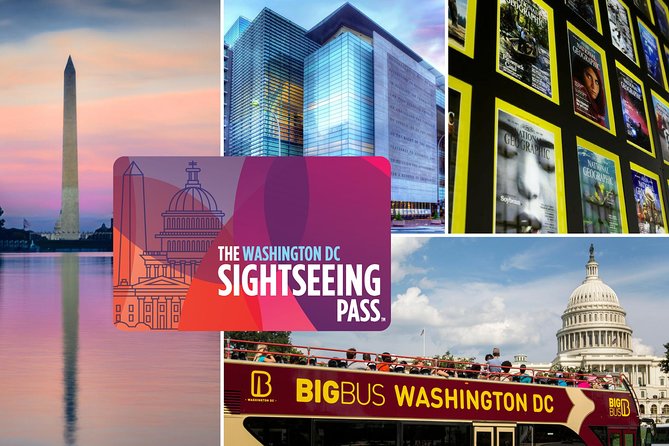
The heart of the pass’s sightseeing value is how it bundles DC’s memorial circuit into guided bike-and-rolling style segments. Your included stops cover a lineup of the most photographed names on the National Mall area and around it.
Here’s the key idea: each stop is timed and guided, so you’re not wandering and guessing how long everything takes. That matters in DC, where walking distances add up and crowds can change your mood fast.
What you get as part of these memorial segments includes admission ticket coverage listed for each stop, with time blocks like:
- National Mall (about 45 minutes)
- Lincoln Memorial (about 30 minutes)
- Martin Luther King Jr. Memorial (about 30 minutes)
- Franklin Delano Roosevelt Memorial (about 30 minutes)
- Jefferson Memorial (about 30 minutes)
- National World War II Memorial (about 30 minutes)
- Korean War Veterans Memorial (about 30 minutes)
Why this grouping is valuable: you get a guided path through major eras of American history without having to string together lots of separate timed experiences. It’s also a good fit for solo travelers and families who want structure but don’t want to stand in line for every single stop.
Possible drawback to plan for: if you’re hoping to see everything perfectly from a single viewpoint without dismounting at all, the format is inherently more stop-and-start than a pure bus ride. In other words, it’s built to get you close, not keep you parked.
Mount Vernon (2 hours): the day trip anchor that adds real-world context
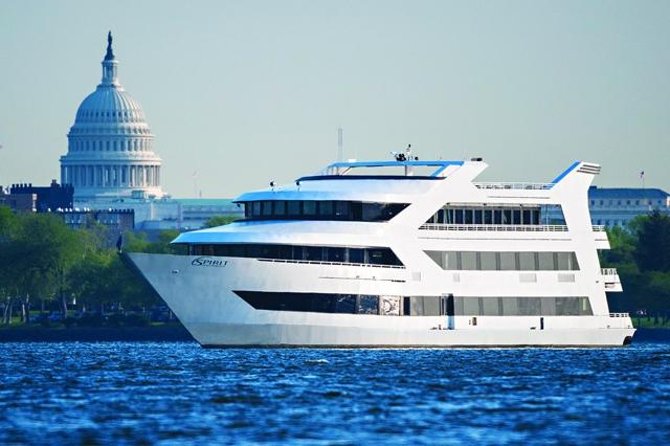
If you want a change from DC’s memorial-heavy rhythm, Mount Vernon is a smart included choice. You get about two hours, with admission covered, and the experience is more than a pretty landmark.
You’re looking at an authentically restored home tied to George Washington, plus gardens, grounds, museums, and interactive programs. That combination matters because it turns a name on a map into a place you can actually picture—how the home worked, what everyday life might have looked like, and how the site is presented today.
The value here is simple: Mount Vernon is a major attraction, and spending time there usually costs more than you expect once you add transportation and separate tickets. As part of the pass, it’s one of the easiest ways to feel like you used your money early in the trip rather than squeezing value at the end.
Potomac River Spirit Cruises One Day Water Taxi: a break from sidewalks
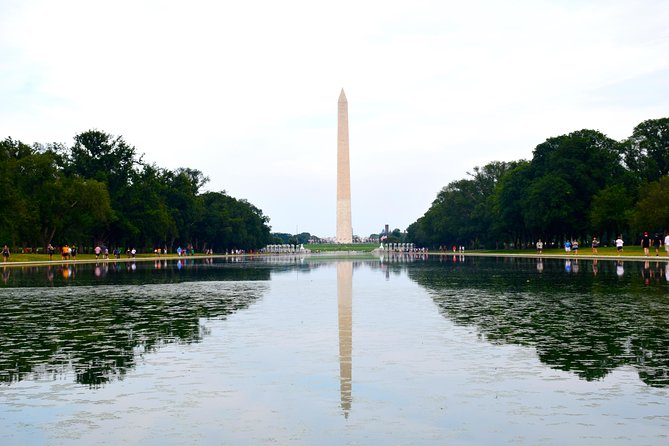
The pass also includes time on the Potomac River via Spirit Cruises One Day Water Taxi (about one hour, admission included in the selection list).
This is the “change of pace” option. Even if you don’t spend a lot of time planning water routes, getting on the river helps you see DC differently and gives your legs a breather. It’s a good counterbalance to days that are mostly museums and memorials.
Practical note: water experiences can be sensitive to weather and timing, and DC schedules can shift. You’ll want to treat this as a flexible slot rather than the final item of your itinerary that you absolutely must do at a specific hour.



Smithsonian American Art Museum (about 1 hour 15 min): a guided pick for people who like stories

Not every Smithsonian experience feels the same once you’re inside. This pass includes a guided format for the Smithsonian American Art Museum that’s described as quirky and story-driven.
You get a local guide style of tour that connects American history through art while highlighting the power players who shaped the country. The tour also focuses on the historic, and often underrated, building itself, which can help you appreciate the place beyond just the gallery checklist.
Why I think this is a strong pairing in a flex pass: it’s more specific than a general museum entry. Museums can be overwhelming when you’re free-roaming, and a guided “what to notice” structure keeps your hour from turning into random wandering.
If you’re someone who wants hands-on planning, this is one of the included options that naturally rewards doing it earlier rather than later. You’ll leave with a framework for what you saw.
Arlington National Cemetery (about 1 hour 30 min, listed as free): big emotions, clear navigation help

Arlington National Cemetery is included with about 1 hour 30 minutes and listed as free admission in the provided selection. This is one of the pass choices that feels both heavy and necessary.
The tour framework is designed to prevent you from getting lost in the grounds, which are listed as 624 acres. You also visit recognizable landmarks such as:
- the Eternal Flame
- the Tomb of the Unknown Soldier
- Arlington House overlooking the grounds
The pass description also notes that Arlington is the final resting place for over 400,000 military veterans and their families. That context matters, because this isn’t a “quick photo stop” kind of place. The guide-led route and timing help you stay respectful while still making sure you hit the meaningful points.
One consideration: if you prefer maximum independence and minimal structure, you might find a guided route feels a bit tight. But if you want to understand what you’re seeing and not spend half your time figuring out where to go, the guided navigation is a real benefit.
Artechouse DC (about 1 hour, admission listed as free): a modern art option in a pass full of history

Most DC passes lean hard on traditional landmarks. This one also points you toward Artechouse DC, listed as about one hour and free admission in the selection options.
The pitch is simple: use art and light to explore what’s beyond what you can normally see. It’s not the same kind of historical visit as the memorials or Mount Vernon, so it can keep your trip from feeling like one long lineup of solemn monuments.
This is the kind of stop that works well late afternoon, or any time you want something indoor and different.
Big Bus hop-on hop-off: great coverage, but be picky about where you start
The included Big Bus Tours Washington D.C. ticket is there to help you see the big skyline landmarks without needing perfect public transit timing. The route coverage includes major sights like:
- the White House
- Washington Monument
- Lincoln Memorial
- Jefferson Memorial
- National Cathedral
and more
You hop on and off as you wish, and it typically works best when you use it as your “connector” between walking zones. Think of it as the thing that reduces transit friction, so you can spend more time at the places you actually chose.
Now the caution: logistics can make or break hop-on hop-off value. One issue that comes up is validation at the bus system and confusion around where the bus actually stops, especially if pickup points change. If you’re relying on the pass for your first bus boarding, give yourself a little patience and time to figure out the exact stop location before you’re in a hurry.
How the pass stacks up for value at $69
Here’s the value math in plain terms: this pass is best when your chosen attractions include at least one high-ticket anchor plus a sightseeing tool you’d otherwise pay for anyway.
- High anchors: Arlington, Mount Vernon, and the Smithsonian American Art Museum type of guided entry.
- Sightseeing tool: Big Bus hop-on hop-off, which can replace multiple one-off transportation decisions.
- Time-savers and add-ons: memorial bike segments and the water taxi, which help you do more in fewer transit hours.
Your highest value scenario is when you choose options that line up with each other geographically or at least reduce “backtracking days.” If your picks are scattered across DC without a connection plan, you’ll still have fun, but you might feel less like you’re getting a deal.
Also remember: you activate the pass on first use, then you have 30 days to use the remainder of your selections and any listed discounts. That means you don’t have to panic-plan every stop for day one.
Practical tips to avoid the common snags
Based on what shows up when people use the pass, these are the friction points to watch.
First, confirm how your ticket needs to be presented at each activity. The pass is described as mobile-ticket delivery, but some users find they need to print it rather than relying on a phone screen. If printing is easy for you, do that. If not, at least take a screenshot and bring offline access, then be ready for staff guidance.
Second, plan your first bus boarding with extra time. If you arrive expecting a specific pickup point and it’s changed, it can cost you an hour of frustration. I’d rather you arrive early and feel slightly over-prepared than stuck in DC trying to figure out bus machinery.
Third, check hours of operation for each attraction, especially around holiday periods. DC attractions can run on special schedules, and you don’t want your day built around one fixed entry time that gets delayed.
Who should buy this pass, and who should think twice
This flex pass makes the most sense for:
- first-time DC visitors who want a guided backbone for the memorial circuit
- travelers who like picking a few must-dos, then building the rest with bus and walking
- families and solo travelers who benefit from structured timing without being locked into a long full-day group tour
It may be less ideal if:
- you hate any validation or ticket presentation process and want everything to be fully automatic
- you’re traveling with very tight time windows and need guaranteed, low-friction arrivals
- you prefer fully independent museum wandering with no guided segments
The pass is flexible, but it’s not a magic wand. It rewards travelers who plan a little and stay patient with bus logistics.
Should you book the Washington DC Sightseeing Flex Pass: Capital Savings?
I’d book this pass if you want to see DC’s top memorial zone fast, add one major historic anchor like Mount Vernon or Arlington, and still have time to wander around on your own. The combination of Big Bus plus guided-style options is where the value tends to show up.
I’d hesitate if your trip is short and you’re counting on flawless ticket flow on your first day. If you’re prone to last-minute changes, build in buffer time for validation and double-check stop locations before you commit your schedule.
If you want an efficient, mostly self-directed way to cover DC’s greatest hits without buying every ticket separately, this one is worth serious consideration.
FAQ
How much does the Washington DC Sightseeing Flex Pass cost?
The price listed is $69.
How long is the pass valid after I activate it?
After the pass is activated the first time you use it, you have 30 days to use the remainder of your chosen attractions and any discounts on the list.
What do I get with every pass?
Every pass includes a hop-on hop-off bus tour ticket with Big Bus Tours Washington D.C.
Can I choose which attractions I want?
Yes. You can choose to add 1, 2, or 4 other popular tours and attractions from more than 15 included options.
Is it only usable for one week?
The pass is marketed as usable over a 7-day period, and the provided validity rule says that after activation you have 30 days to use the remaining selections.
Do I need to make reservations?
Advanced reservations may be made for some tours included on the pass.
Does the pass include major DC stops like Smithsonian and Arlington?
It includes entrance to some of DC’s top attractions such as Smithsonian museums. Arlington National Cemetery is also listed as an included stop, with admission listed as free for that segment.
Can I access the pass on my phone?
The pass is described as a mobile ticket, but you may need to print it to use it. Plan to have a backup if you’re relying on your phone only.
Can I cancel after booking?
Free cancellation is available. You can cancel up to 24 hours in advance for a full refund.
Is the experience accessible for most travelers?
Most travelers can participate, and service animals are allowed. The pass experience is also noted as near public transportation.