REVIEW · WASHINGTON DC
DC’s Original Food & History Neighborhood Tour
Book on GetYourGuide →Operated by Blue Fern Travel · Bookable on GetYourGuide
U Street has its own DC story, and it’s worth hearing. This tour mixes food tastings with street-level history, so you don’t just see the neighborhood—you understand why it mattered. You’ll walk part of the corridor tied to the heyday of “Black Broadway,” plus the art, architecture, and moments that reshaped the area.
Two things I really like: first, the tasting setup. You’re fed like this is a lunch plan, not a snack stop. Second, the way the guide ties restaurants, murals, sculptures, and buildings to the people and eras that made U Street famous. From the standout guide feedback I’ve seen, people often single out hosts like Rasheed and Jim for making the history feel human and fun.
One consideration: it’s a real walking tour. You’ll cover about 3 miles in roughly 2 hours, rain or shine, so plan on comfy shoes and a steady pace.
In This Review
- Key Highlights You’ll Actually Care About
- U Street Isn’t About Monuments, It’s About People
- Starting at Ben’s Chili Bowl: Classic DC Energy First
- Following the Thread of Black Broadway Through Street Art
- The Architecture and Layout Stops: How to See U Street Like a Local
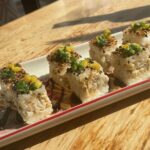
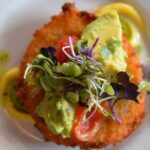
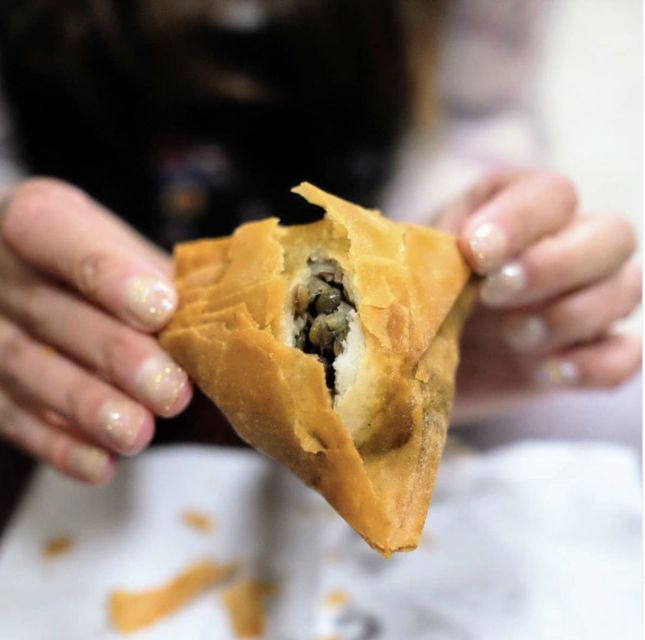
- Regional Food Tastings That Feel Like Lunch
- Mid-Tour Photo Stops: Quick Breaks, Better Photos
- Ending at Colada Shop: A Sweet, Local Finish
- Price and Value: What $112 Buys You (and Why It Makes Sense)
- Pacing, Weather, and What to Pack
- Who This Tour Is For (and Who Might Want Another Option)
- Should You Book DC’s Original Food & History Neighborhood Tour?
- FAQ
- How long is the DC’s Original Food & History Neighborhood Tour?
- Where does the tour start and end?
- Is the tour a walking tour?
- What’s included in the ticket price?
- Are vegetarian options available?
- Can the tour accommodate food allergies?
- Is the tour wheelchair accessible?
- Does the tour run in bad weather?
Key Highlights You’ll Actually Care About
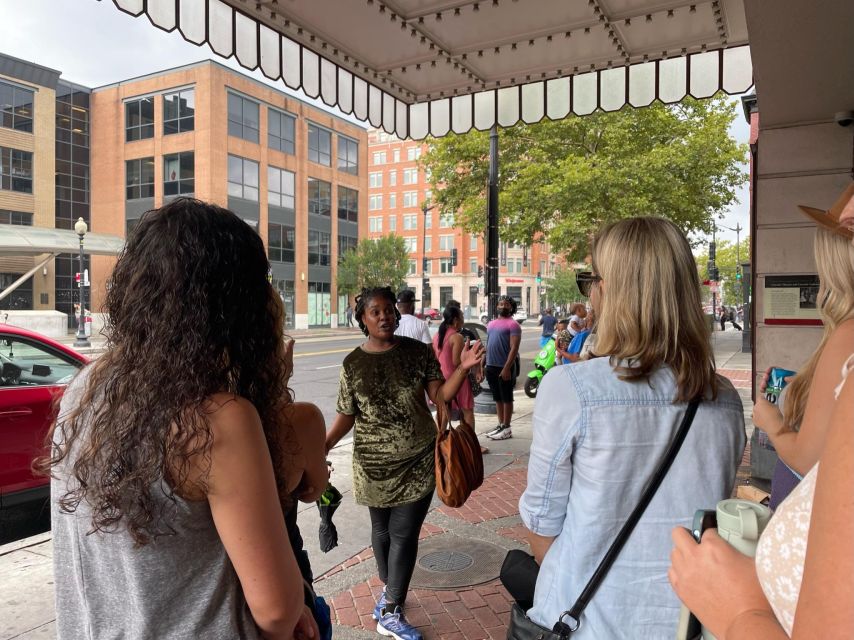
- Ben’s Chili Bowl kicks things off with a classic DC start and an easy first tasting rhythm
- Black Broadway stories connect music, small clubs, and major social change you can still see in the neighborhood
- Street art and architecture stops help you notice details you’d likely miss on your own
- Multiple regional food tastings are planned to feel like more than a few bites
- Small group size (up to 8) keeps the walk conversational instead of lecture-style
- Bread for the City donation adds real-world meaning to the ticket
U Street Isn’t About Monuments, It’s About People
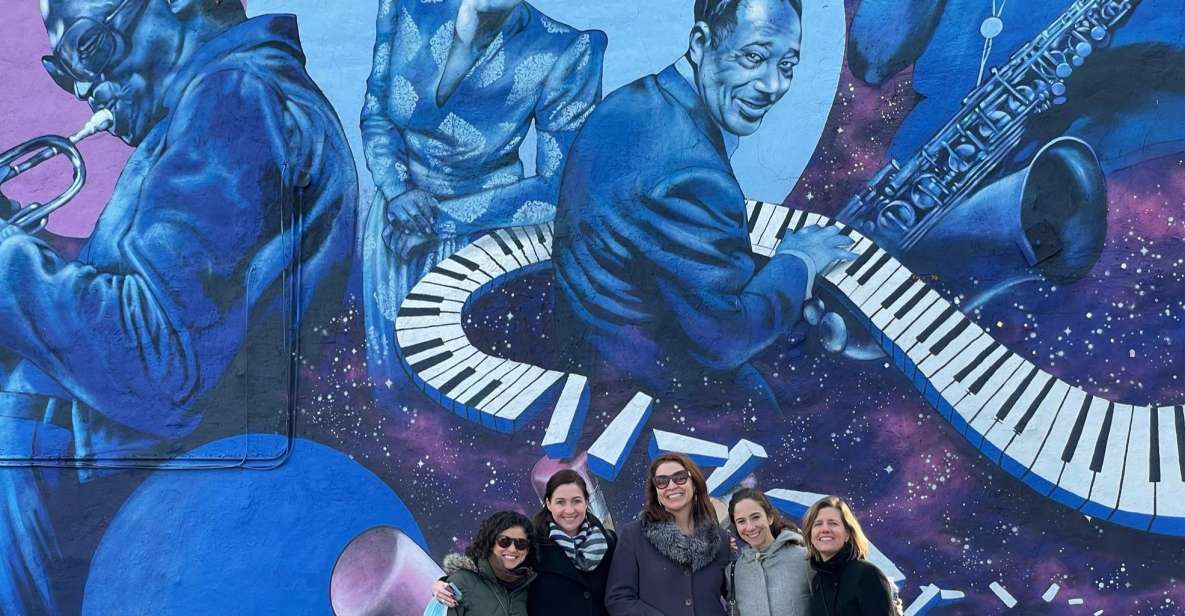
If you’ve only explored DC through museums, memorials, and big-picture overlooks, U Street will feel like a correction—in the best way. This neighborhood is where you get the everyday DC perspective: local spots, local art, and architecture that shows change over time.
What makes the tour work is that it treats U Street like a living story. You’re not pushed through trivia. Instead, you’re guided through a corridor where food and culture sit side by side, and where the Jazz Era, Civil Rights tensions, and long-running community life all left marks.
And yes, the food matters. The plan includes enough tastings that you can think of it as a full lunch experience while still keeping you light on your feet for the walk.
You can also read our reviews of more food & drink experiences in Washington Dc
Starting at Ben’s Chili Bowl: Classic DC Energy First
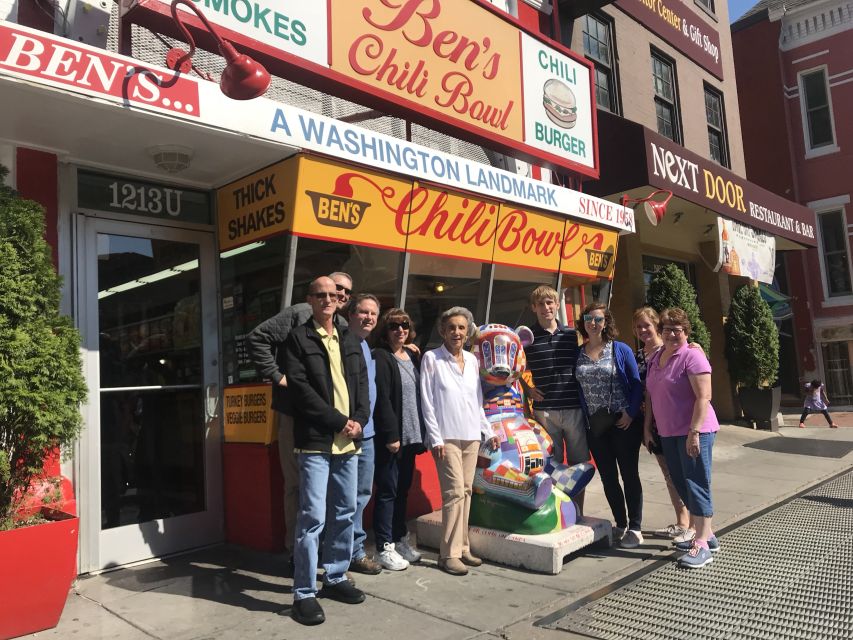
Most tours open with something convenient. This one opens with something iconic—and that’s smart. The meeting point is Ben’s Chili Bowl at 1213 U Street NW, and it sets the tone immediately: you’re in the right place, surrounded by the kind of DC you don’t have to “find.”
Practically, the first stop helps you settle in quickly. You get your bearings, meet your guide and small group, and start with a tasting that feels both traditional and local. It’s a good warm-up before you start noticing the murals, storefront history, and building details that become the focus later.
If you’re the type who likes context, you’ll appreciate this start. A place like Ben’s Chili Bowl is more than a meal; it’s part of the neighborhood identity. From there, the tour naturally turns toward U Street’s past and why the corridor became known far beyond Washington.
Following the Thread of Black Broadway Through Street Art
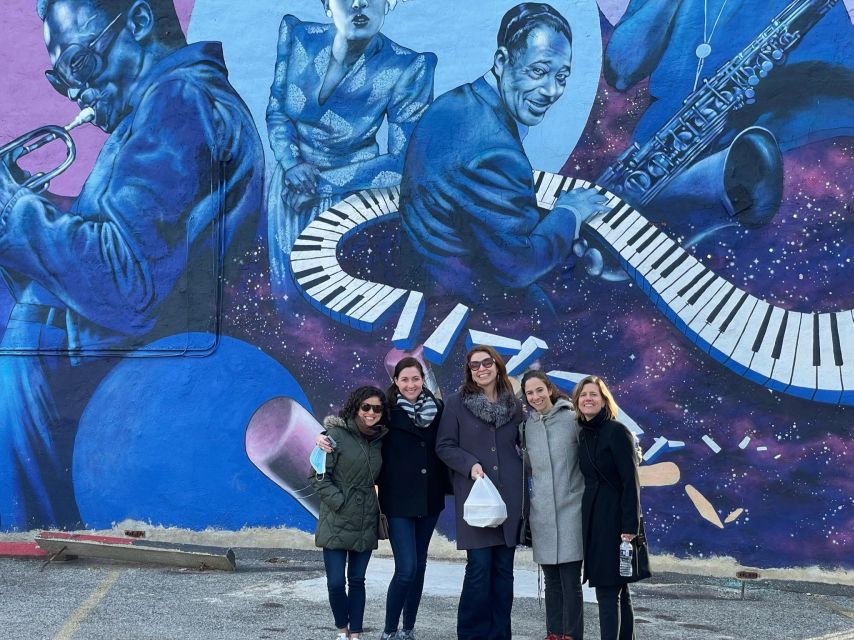
The heart of the tour is the walk through U Street with guided stops focused on how the neighborhood evolved. You’ll spend time in the area tied to “Black Broadway,” a name that still echoes the Jazz Era and the cluster of clubs where household names got their start.
What’s especially valuable here is the connection between art and history. You’ll learn stories behind tucked-away murals, sculptures, and the people who created them. Street art can look like decoration if you don’t know what to look for. With a guide pointing out specific elements, you start seeing it as a public record—something the community put on display.
You’ll also hear about how the Civil Rights riots helped shape the city and changed the landscape for years to come. That part matters because it turns the neighborhood from “cool photos” into “real change,” even if you’re not a history buff. The stories explain why certain streets and communities feel the way they do now.
The Architecture and Layout Stops: How to See U Street Like a Local
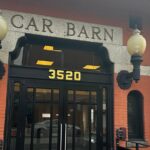
U Street is full of visible clues: building forms, street corners, and the rhythm of storefronts. A big value of a guided walk is that it teaches you how to read what’s in front of you.
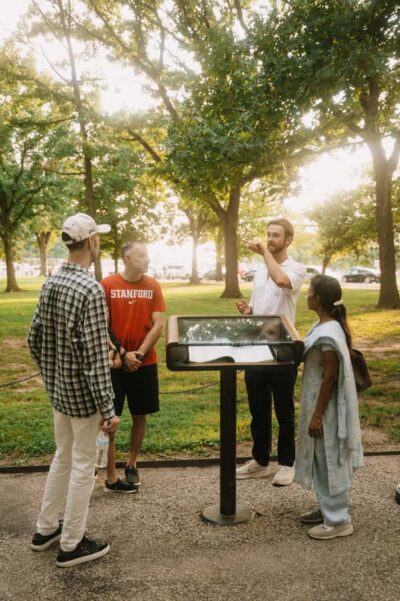
During the tour, you’ll have dedicated moments that include sightseeing and guided walkthrough time, plus photo stops. These breaks aren’t random. They’re planned so you can pause, look closely, and capture the parts that explain the neighborhood’s identity—especially the architecture that reflects different eras.
Here’s the practical takeaway: if you go only on your own, you’ll likely take photos of the street art but miss the story tied to it. On this tour, the guide connects the visuals to events and culture. That’s how you end up with pictures that mean something, not just pretty walls.
Regional Food Tastings That Feel Like Lunch
This tour earns its reputation on food, but not in a flashy way. The tastings are spread across the walk, which keeps you energized without turning the tour into a stop-and-start eating marathon.
You’ll have multiple regional food tastings during the approximately 3-hour experience. The goal is simple: eat enough to feel satisfied, but still have time to explore and learn. Water is included, which is a small detail that makes a big difference on a 3-mile walk.
Diet needs are handled carefully. Vegetarian options are available, and the tour can accommodate food allergies or other requirements if you advise them when booking. That matters because “we can do something” isn’t the same as actually planning for your needs.
If you love food tours, you’ll like the structure. If you’re cautious about trying lots of new things, you’ll still get value because the history stops keep the pace interesting between tastings.
You can also read our reviews of more tours and experiences in Washington Dc


Mid-Tour Photo Stops: Quick Breaks, Better Photos
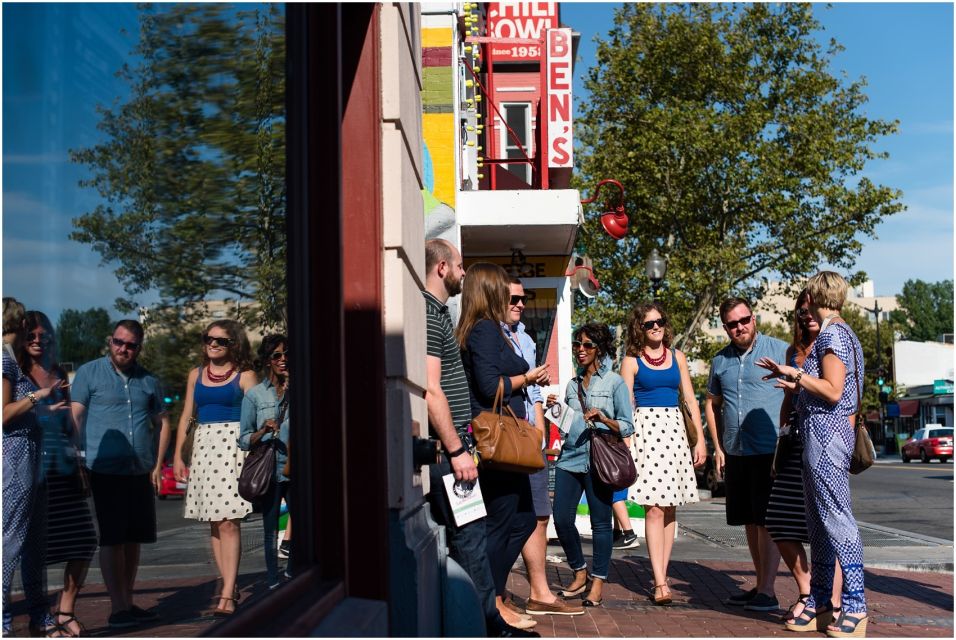
The tour includes multiple stops that combine photo time, guided explanation, sightseeing, and walking. That may sound repetitive, but it’s actually useful.
A walking tour moves fast. Photo stops that are tied to a point of context help you slow down at the right moment. You’re not wasting time deciding where to stand. You also don’t just point your camera at murals; you learn what the mural represents, what it references, or why it’s placed there.
This is also where the small group size helps. With a group capped at 8 participants, you’re less likely to feel like you’re being herded. You can ask questions, and the guide can keep the group moving without rushing the whole conversation.
Ending at Colada Shop: A Sweet, Local Finish
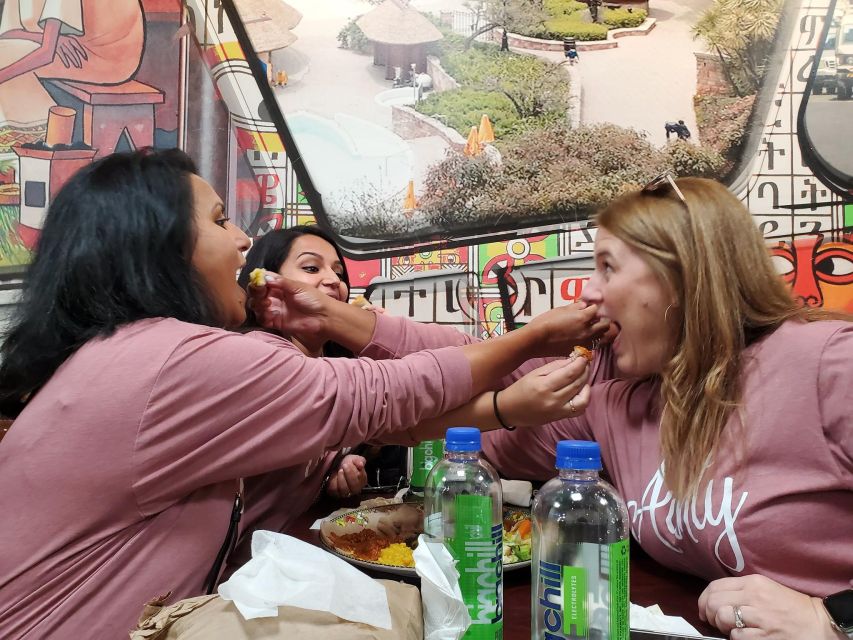
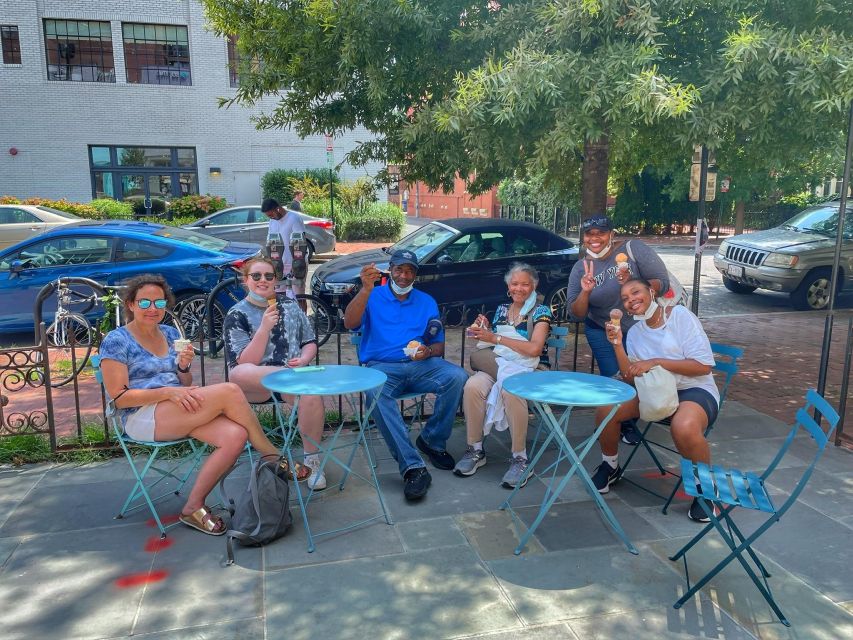
The tour finishes back in the neighborhood at Colada Shop. Finishing at a food-focused spot isn’t just convenient—it gives you a satisfying end point after the walking and storytelling.
By the last stop, you’ll probably have the neighborhood “clicked” in your mind. The food at the end works like a final punctuation mark: you’ve walked the corridor, learned the context, noticed the art and architecture, and now you’re closing out with another taste tied to local culture.
And since the tour ends back at the meeting point area, you don’t have to solve the logistics puzzle while hungry and tired. It’s a neat reset for the rest of your day.
Price and Value: What $112 Buys You (and Why It Makes Sense)
At $112 per person, this tour isn’t a bargain-basement deal. But it’s also not priced like a luxury event. The value comes from the combination of three things you usually have to pay for separately:
1) A local guide for the full 3 hours
2) All tastings plus water
3) A route designed around specific history and visual stops, not random walking
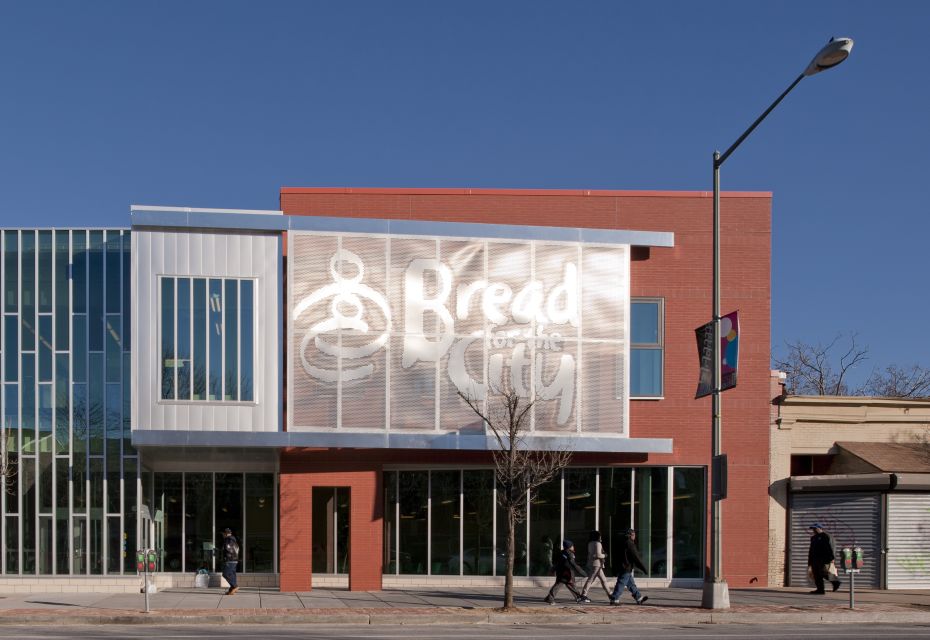
If you normally pay for food on your own, the tastings can feel like the tour is doing what you’d do anyway—just with the added benefit of guided context and a planned structure. The donation component also adds weight. A portion of each ticket goes to Bread for the City, which provides food, clothing, legal services, and medical services for DC locals. That doesn’t change the meal quality, but it makes the experience feel grounded.
The small group cap at 8 participants is also part of the value equation. You’re more likely to get personal attention and real conversation than you would on a bigger group tour.
Pacing, Weather, and What to Pack
This tour takes place rain or shine, and it’s built around walking. The recommendation is straightforward: bring comfortable shoes and wear weather-appropriate clothing.
You’ll cover about 3 miles in roughly 2 hours, with that total experience stretching to about 3 hours once you account for stops and tasting time. Plan your day around that. If you schedule a big dinner afterward, you’ll be fine—but if you try to cram in intense sightseeing immediately after, you might feel it in your legs.
If you have dietary requirements, tell the organizer when booking so the tour can plan tastings you can actually eat.
Who This Tour Is For (and Who Might Want Another Option)
This works best if you want your DC travel to feel lived-in and specific. You’ll get a lot from the tour if you care about any of these:
- street art as a form of storytelling
- how neighborhoods change after major social events
- food that’s connected to place, not just a trendy lineup
- history you can walk through, not just read about
It’s also a good fit for people who want a guided experience but don’t want it to be formal. The comments attached to the tour frequently point to guides like Rasheed and Jim for bringing personality and keeping things fun, so you’re not stuck in “lecture mode.”
If you’re someone who hates walking or needs very long seated breaks, the pace may be a mismatch. The tour is designed to keep moving, with short stop moments rather than long downtime.
Should You Book DC’s Original Food & History Neighborhood Tour?
I’d book it if you want a DC experience that feels local, not performative. The mix of food tastings, U Street storytelling, and guided attention to murals and architecture gives you more than a meal and more than a photo walk.
You should think twice if you have limited walking tolerance or if you’re only interested in monument-level DC. This is for the side of DC that shows up at street level—where history is still written on walls, in buildings, and in the community’s eating habits.
If you can handle a steady walk, this tour offers strong value for the price because you’re paying for food, a guided route, and context that turns the neighborhood from background into the main event.
FAQ
How long is the DC’s Original Food & History Neighborhood Tour?
It lasts about 3 hours, with starting times depending on availability.
Where does the tour start and end?
It starts at Ben’s Chili Bowl, 1213 U Street NW, Washington DC, 20009. It ends back at the meeting point.
Is the tour a walking tour?
Yes. You’ll cover about 3 miles in about 2 hours, with breaks for guided stops and tastings.
What’s included in the ticket price?
The tour includes a local guide, all tastings, and water.
Are vegetarian options available?
Yes. Vegetarian options are available, and you should advise of dietary requirements when booking.
Can the tour accommodate food allergies?
Accommodations can be made for food allergies or other requirements if you share them when booking.
Is the tour wheelchair accessible?
Yes, the tour is wheelchair accessible.
Does the tour run in bad weather?
Yes. The tour takes place rain or shine, so you’ll want weather-appropriate clothing and comfortable shoes.