REVIEW · WASHINGTON DC
Washington DC: Monuments by Moonlight Nighttime Trolley Tour
Book on GetYourGuide →Operated by Historic Tours of America** - Wash. DC · Bookable on GetYourGuide
DC after dark hits different. This Monuments by Moonlight trolley tour runs a classic National Mall route at night, with a live guide calling out what you are seeing and why it matters. I love the panoramic viewing from a trolley window plus the chance to take photos as the vehicle slows for key landmarks.
I also like that the tour is not just a drive-by. You get two real on-foot memorial stops plus a short photo stop, so you can stand in the light and take your time. The only downside is that the schedule can feel a little rushed at stops, and some major sites are mostly seen from the trolley rather than explored up close.
In This Review
- Key things I’d circle before you go
- Why a Moonlight Trolley Tour Works for DC
- Trolley Comfort, Seating, and Photo-Friendly Windows
- The 150-Minute Route: The Famous Sites You’ll Glide Past
- Stop One: MLK and FDR Memorials on Foot (30 Minutes)
- Stop Two: The Iwo Jima Photo Moment Is Skipped, WWII Takes Its Place
- Stop Three: Lincoln, Vietnam Veterans, and Korean War Memorials (30 Minutes)
- Guide Style: The Person Behind the Stories
- Price and Value: Does $48 Make Sense at Night?
- Practical Tips That Make the Difference
- Who Should Book This Monuments by Moonlight Tour
- Should You Book This Tour?
- FAQ
- What is the duration of the Washington DC Monuments by Moonlight Nighttime Trolley Tour?
- How much time do I get to explore the memorials on foot?
- Does the tour currently include the Iwo Jima Memorial?
- What landmarks do you pass on the trolley?
- Is food or drinks included?
- Is the tour wheelchair accessible?
Key things I’d circle before you go
- Warm trolley comfort for a night tour, even when DC weather turns fast
- Pro guide storytelling with trivia and interactive moments that keep the ride moving
- Two 30-minute walking stops so you get close-ups at MLK/FDR and Lincoln-area memorials
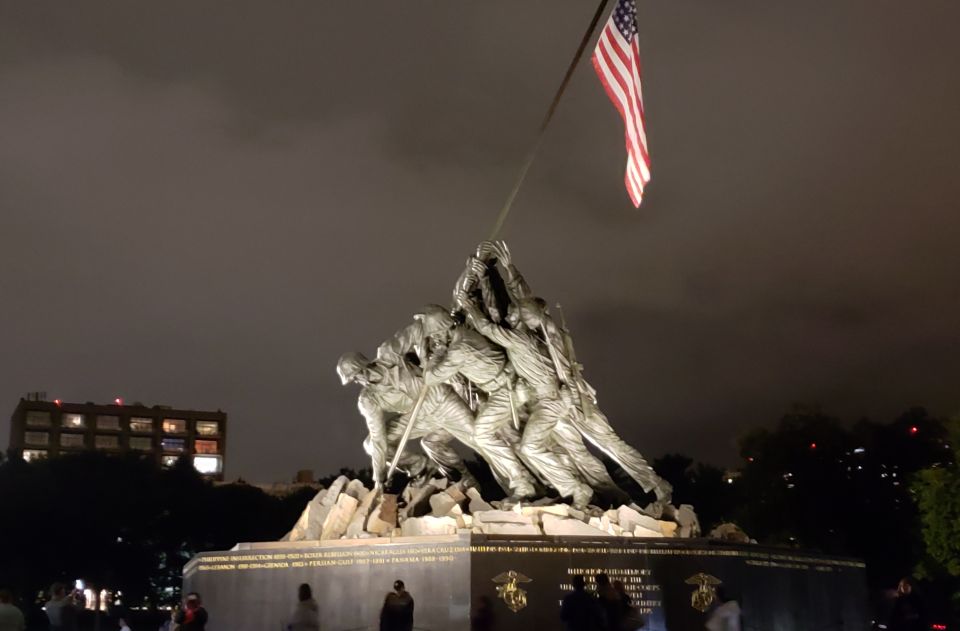
- The Iwo Jima stop is currently skipped due to a bridge closure, replaced with a WWII Memorial photo stop
- Best photo side tip: sit on the right-hand side for stronger views while you roll past monuments
- Walking time is optional-ish: you can do more or less walking, but you’ll still want to manage your pace
Why a Moonlight Trolley Tour Works for DC
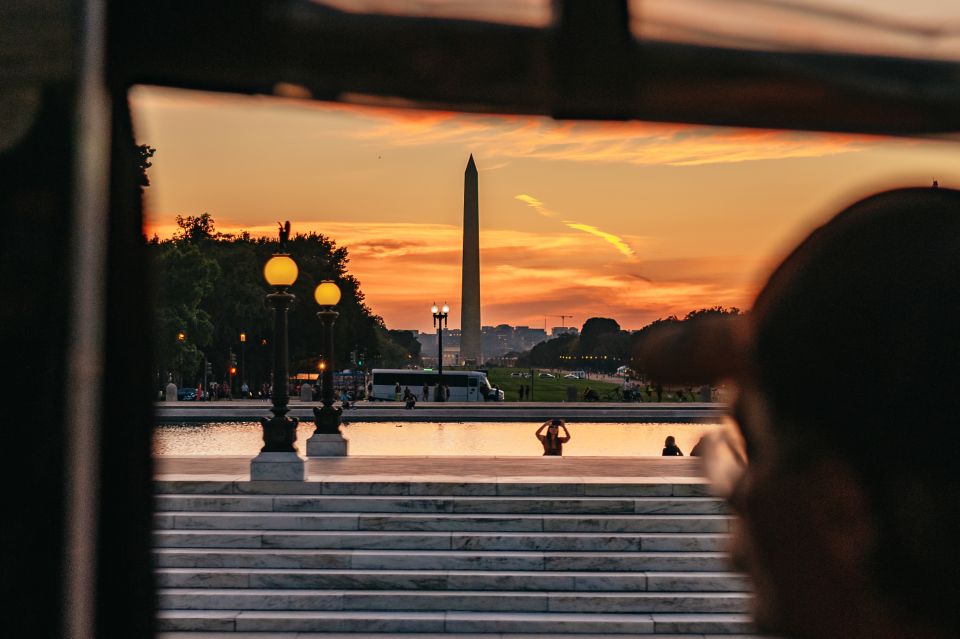
DC monuments can feel like a blur in daylight. At night, the same structures look calmer, more dramatic, and easier to photograph without harsh sun glare. This tour leans into that. You ride through the city as the skyline and the memorials light up, while a professional guide ties the sites together with stories about the capital’s past.
You also get the big advantage of a night tour: you are not grinding across the National Mall in the cold on your own. The trolley handles the long stretches, and then you hop off for just enough time to feel like you actually visited, not just watched.
One thing to know up front: it is a “see a lot” format. That can be great for first-timers, but if you want long wandering time at every stop, plan to adjust your expectations.
You can also read our reviews of more tours and experiences in Washington Dc.

Trolley Comfort, Seating, and Photo-Friendly Windows
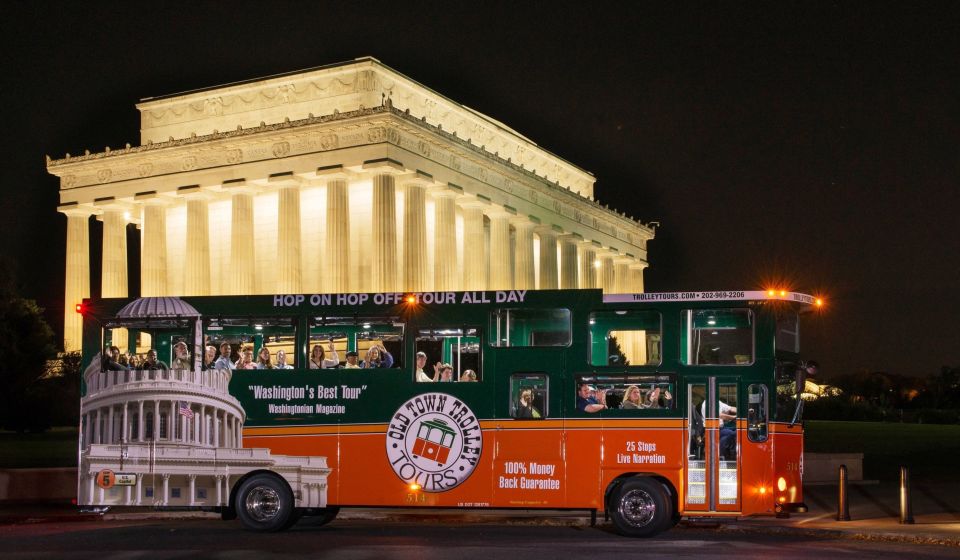
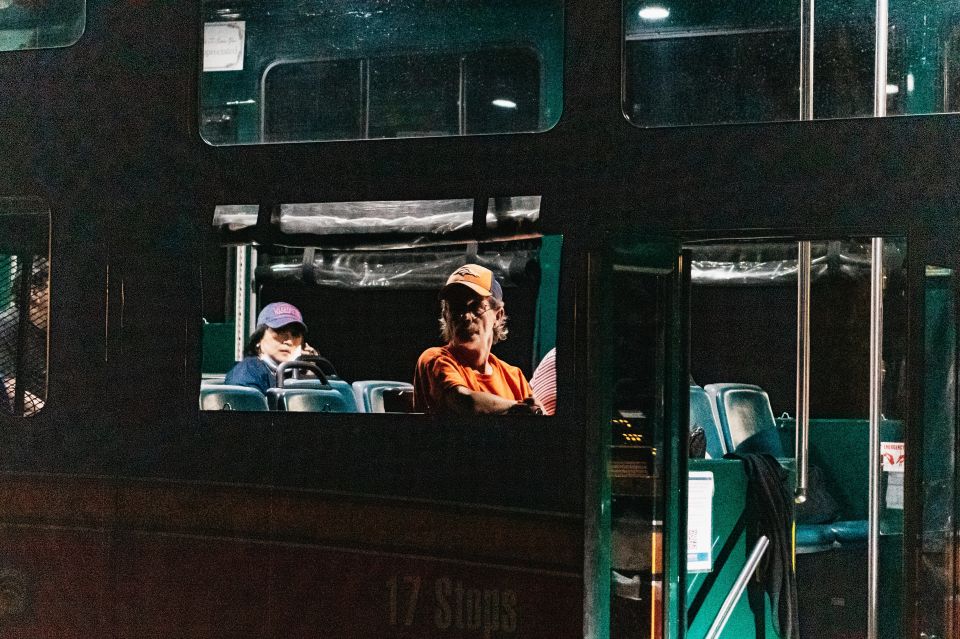
The trolley setup is one of the practical reasons this works. You get stadium-style seating, so even if someone taller sits near you, you can still see the monuments as you pass them. And because you are in an enclosed vehicle, you spend less time battling night air than you would on a walking-only plan.
For photos, I’d treat the seating choice like a small decision that pays off. There is a clear tip from people who did this: sit on the right-hand side (facing the direction of travel) for the best monument views while you roll past them. You will still want to shoot through windows, so wipe-test your phone/camera lens before you board.
Also, for photo moments where there is no formal stop, the vehicle slows as much as possible. Your conductor will tell you when to raise your camera. That guidance matters more than you’d think when it is dark and you are trying to frame Washington Monument–type landmarks quickly.
The 150-Minute Route: The Famous Sites You’ll Glide Past
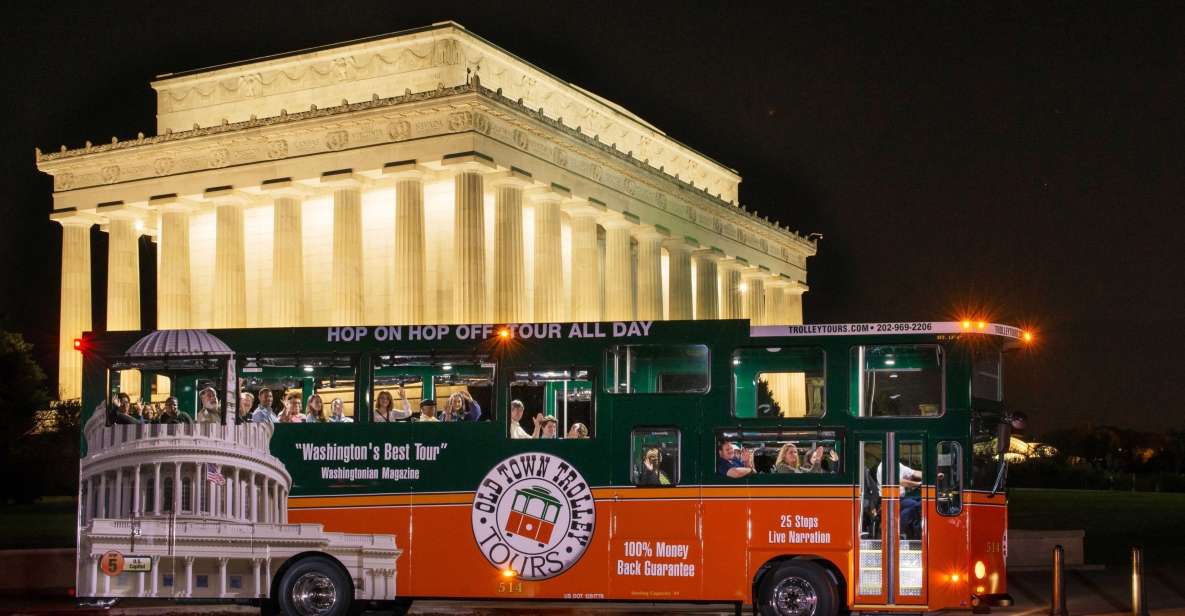
This is not a “park and pose all night” tour. It is a loop that threads the heart of DC and gives you multiple glimpses, even when you are staying on board.
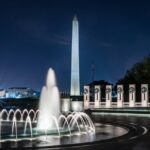
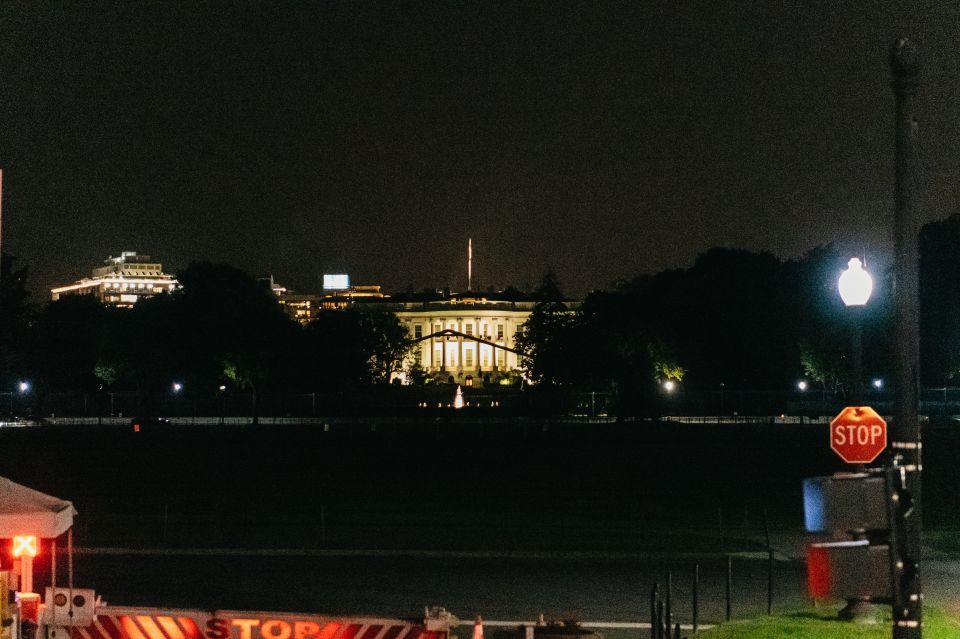
From the trolley, you pass major landmarks including the White House, the Washington Monument, Capitol Hill, and the Jefferson Memorial. You also get views around the National Mall area, including parts of the Smithsonian complex and nearby buildings like the FBI and Department of Justice locations. The World War II Memorial is also part of what you’ll see as the itinerary adapts.
Even if you do not get off at every one of these, you still get value. Seeing the landmarks lit up from the right vantage points helps you understand the geography of the city. It is the difference between memorizing postcard locations and actually getting your bearings fast.
One practical note: DC can be busy with other tours at night. If you are doing tight photo work, stay patient during crowded moments and focus on capturing a couple of strong frames rather than trying to get everything perfect.
Stop One: MLK and FDR Memorials on Foot (30 Minutes)
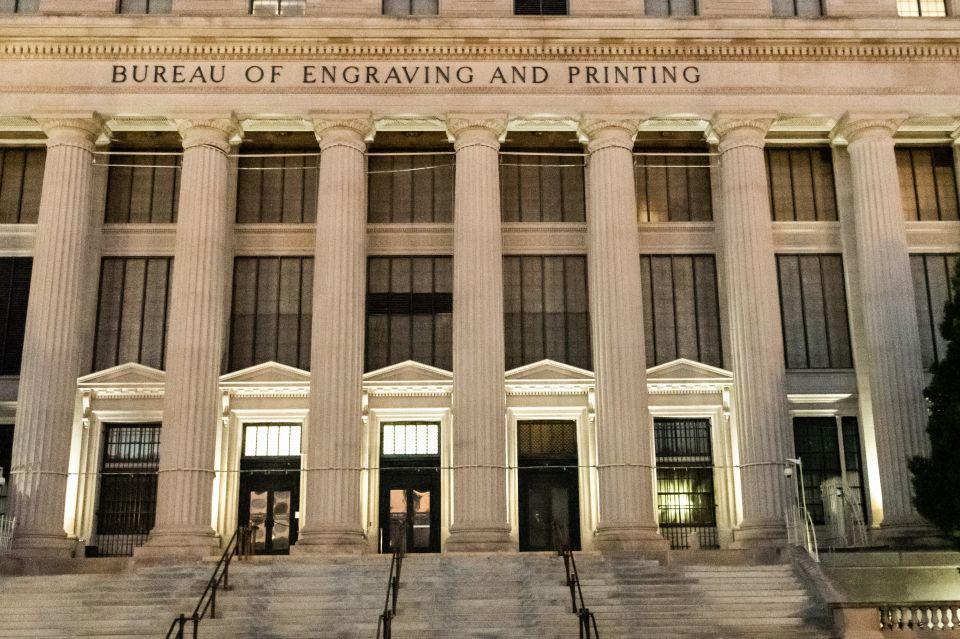
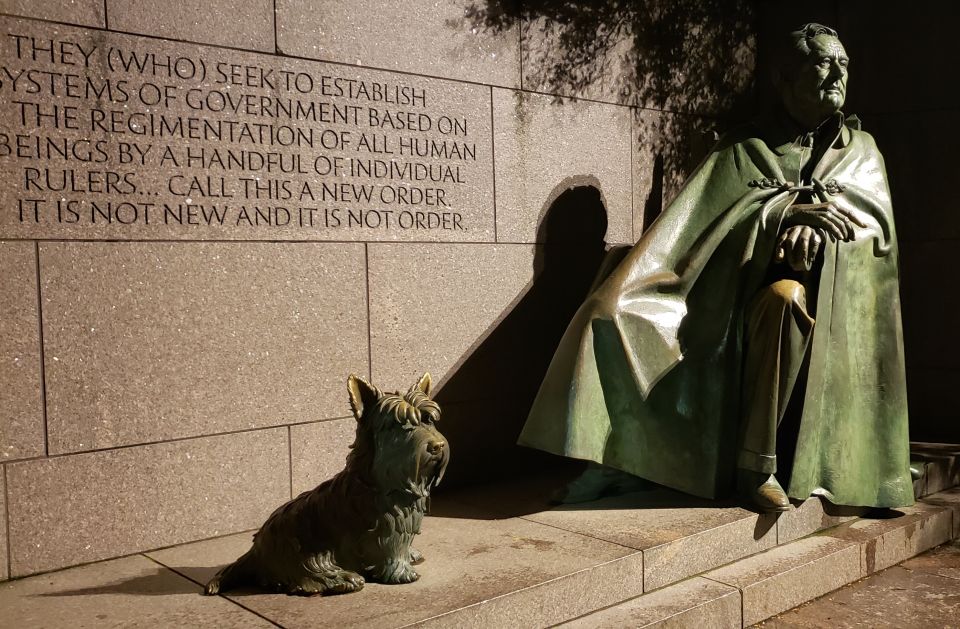
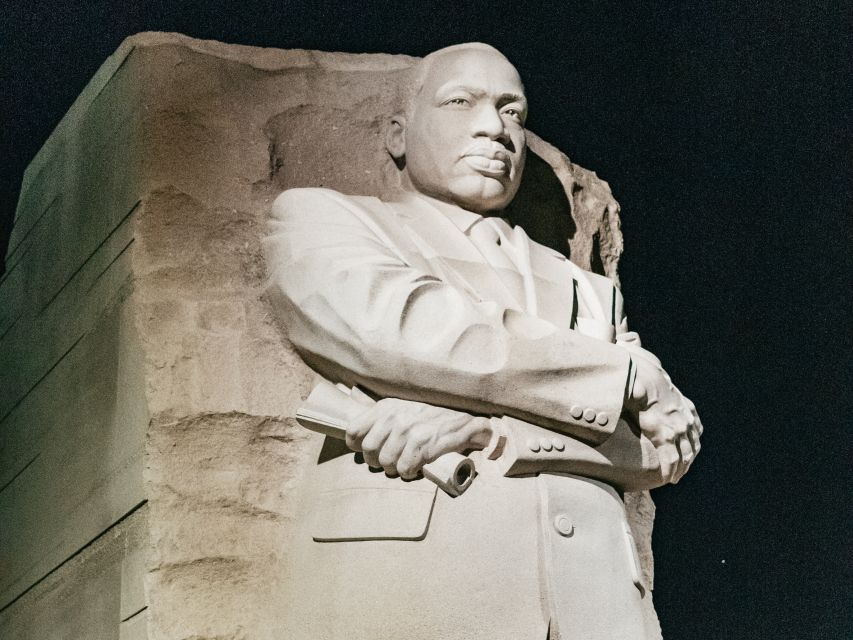
The first real on-foot break is focused on two memorials that often hit hard when the lights are right. You get about 30 minutes to explore the Martin Luther King Jr. Memorial and the Franklin Delano Roosevelt Memorial on your own.
What makes this stop special is the contrast in tone. MLK’s memorial is designed for reflection, and in nighttime lighting it can feel even more personal. FDR’s memorial connects to a different kind of historical weight, and seeing the design elements up close makes the architecture more than just an outline in a photo.
The walking time is long enough to do more than rush through. But it is also short enough that you should move with purpose. If you pause for photos, don’t let one perfect shot drain your entire window.
A small caution: paths around major memorials are not always lit like indoor spaces. On night tours, you may find some walkways dimmer than you’d like, so keep an eye on your footing, especially if you’re with kids or mobility needs. The tour is wheelchair accessible overall, but you still want to be smart about how you handle short walks on uneven, outdoor ground.
Stop Two: The Iwo Jima Photo Moment Is Skipped, WWII Takes Its Place
Here is the current reality. The planned stop at the Iwo Jima Memorial (a U.S. Marine Corps war memorial) is not made right now because of a bridge closure. Instead, the itinerary replaces that photo time with the World War II Memorial.
The time at this part is shorter—about 20 minutes—and it is framed as a photo stop rather than a long wander. That means you should treat it like: arrive, take your key photos, and soak in the mood for a few minutes before you move on.
Because this stop can change, it helps to stay flexible on the night you go. If I were planning my own expectations, I’d think of it as a guaranteed “major memorial lighting” photo stop, with the specific memorial depending on closures.




Stop Three: Lincoln, Vietnam Veterans, and Korean War Memorials (30 Minutes)
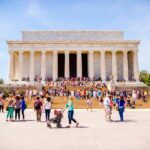
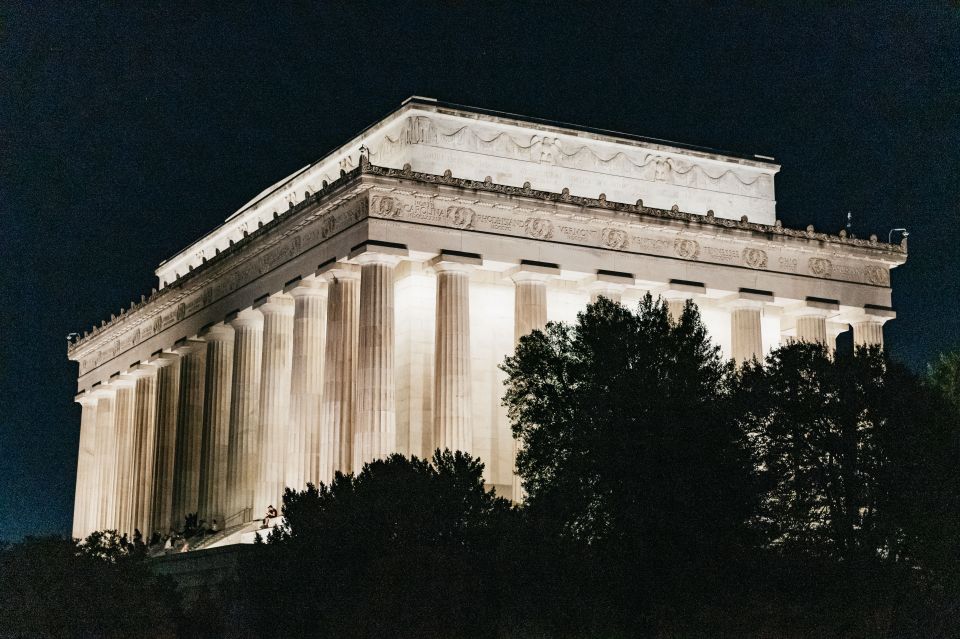
Your next on-foot highlight centers on the Lincoln Memorial area plus the Vietnam Veterans Memorial and the Korean War Veterans Memorial. Again, you get about 30 minutes to explore on your own.
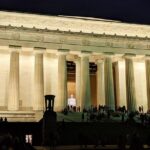
This is usually the stop people remember most. Lincoln is all about silhouette and scale, and at night the structure reads differently. The Vietnam and Korean war memorials ask you to slow down and look carefully. In low light, details matter even more, and you’ll likely find yourself taking longer pauses than you planned.
The best way to handle the 30 minutes is simple: pick your priorities before you hop off. If you want the widest Lincoln view, do that first. Then move on to the names/stone areas you most want to see up close. Otherwise, it’s easy to spend too much time walking back and forth just trying to find “the best angle.”
Also, crowds can build around popular memorials, even at night. If you want fewer distractions in your photos, give yourself a small cushion and be okay with taking shots quickly when you can.
Guide Style: The Person Behind the Stories
This tour stands or falls on the guide, and the good news is that many nights seem to deliver strong personalities. Names that have shown up include Smiley, Ramin, MJ, So o ner Steve, Hollywood, Buddy Love, and Mike. People talk about them as funny, interactive, and full of stories that connect the monuments to the people and decisions behind them.
What I like about this style is the mix: history plus practical “where to look” cues. For example, your conductor will point out landmarks as you pass and also call out helpful things like where bathrooms are when that info is available along the route, and even little moments like noticing an ice cream truck during the evening ride.
If your guide is particularly upbeat, the whole night feels easier. Several guides use trivia and keep the group engaged, which helps when you are sitting still for stretches and it is dark outside. You also tend to get calmer transitions because the guide is actively managing timing.
Price and Value: Does $48 Make Sense at Night?
At $48 per person for a 150-minute tour, the value comes from three things you can’t easily replicate on your own at night: guided context, transportation between distant stops, and a schedule that strings together major monuments without you planning every turn.
You are paying for:
- A live guide who explains what you are seeing (not just where it is)
- Trolley transportation for the bulk of the route
- Built-in time for two on-foot memorial clusters plus a separate photo stop
The trade-off is also clear. You are not getting long, slow exploration at every landmark. Some big sights—like the Supreme Court or Jefferson’s Memorial—may be seen mainly from the trolley depending on the route pacing, not as extended walks.
So I’d frame it like this: if you want an overview that feels personal, this is a solid deal. If you want hours of independent roaming, put that money toward a self-guided plan instead.
Practical Tips That Make the Difference
A night trolley tour sounds easy, but DC weather and lighting can surprise you. Plan for it and you will enjoy the experience more.
Here are my go-to practical tips based on what works on these tours:
- Bring a jacket. People note how quickly temperatures drop, even when you start off fine.
- Wear shoes you can walk in on outdoor paths. Even when stops are short, you will step on uneven ground.
- Use the “right side” seating tip for photos. It’s an easy way to improve your odds.
- If you care about photos, treat each stop like a mini mission: arrive, get your must-have shots, then look slowly.
- Expect crowds. Night tours can still overlap with bus groups around the most popular memorial areas.
One more small mindset shift: you do not need to see everything to have a great night. The design of this tour is about hitting the highlights with just enough time to feel moved, informed, and ready to explore more on your own the next day.
Who Should Book This Monuments by Moonlight Tour
This is a great fit when you want structure, not stress. I’d especially recommend it if:
- You are visiting DC for the first time and want the major monuments in one night
- You want the National Mall experience without doing all the walking in the dark
- Your group includes different ages or energy levels (short on-foot breaks help)
- You prefer guided storytelling that turns the sites into something you remember, not just something you pass
It also makes sense for people who like photos but do not want to spend the entire night juggling transit plans. You get that mix of ride-by views and real walking moments.
And if you’re traveling with accessibility needs, the tour is wheelchair accessible. That said, you should still be prepared for short outdoor walking segments at stops.
Should You Book This Tour?
If your goal is to see Washington DC’s monuments illuminated at night with a guide telling you what you’re looking at, this tour is a strong yes. The trolley comfort, the built-in stops, and the storytelling style make it feel efficient without being purely rushed.
I’d hesitate only if you’re the type who wants to linger for long periods at every memorial. With limited stop times, you’ll get the highlights, but you won’t get endless wandering.
If you’re doing DC in a short window and you want one night plan that covers the classics—MLK/FDR and the Lincoln-area memorials—this is the kind of tour that helps you leave with a sense of the city, not just pictures.
FAQ
What is the duration of the Washington DC Monuments by Moonlight Nighttime Trolley Tour?
The tour lasts 150 minutes.
How much time do I get to explore the memorials on foot?
You get a 30-minute stop to visit the Lincoln, Vietnam Veterans, and Korean War Veterans Memorials. You also get a 30-minute stop to visit the FDR and Martin Luther King Jr. Memorials.
Does the tour currently include the Iwo Jima Memorial?
No. The Iwo Jima Memorial stop is currently not made due to a bridge closure, and the tour replaces that stop with a World War II Memorial photo stop.
What landmarks do you pass on the trolley?
The trolley route includes passing by the White House, Washington Monument, Jefferson Memorial, and Capitol Hill, along with other views around the National Mall area and nearby major buildings.
Is food or drinks included?
No. Food and drinks are not included.
Is the tour wheelchair accessible?
Yes, the tour is wheelchair accessible.