REVIEW · WASHINGTON DC
Beyond the Closet Walking Tour
Book on Viator →Operated by Beyond The Landmarks · Bookable on Viator
LGBTQ history in DC hits different when you walk it. This 2.5-hour guided route connects major landmarks to the stories of persecution, early protests, and community-building—without making you sit through a lecture. You’ll also get a small-group feel (max 15) that’s easier for questions.
I especially like how the tour uses real streets and landmarks to explain why these places matter, not just what they are. Second, I like that the guide, Zach, clearly keeps the pace engaging and handles questions in a way that helps the whole group connect the dots.
One thing to consider: it’s not a long, relaxed stroll with stops for snacks. You’ll want to plan for bringing water and any food you need, since none is provided and the walk starts in the morning.
In This Review
- Key highlights to expect
- Why this walk connects facts to place
- Price and what you actually get for $30
- The small-group advantage (and why it matters)
- Start smart: Farragut Square at 9:30 am
- Stop 1: Lafayette Square and the fight for visibility
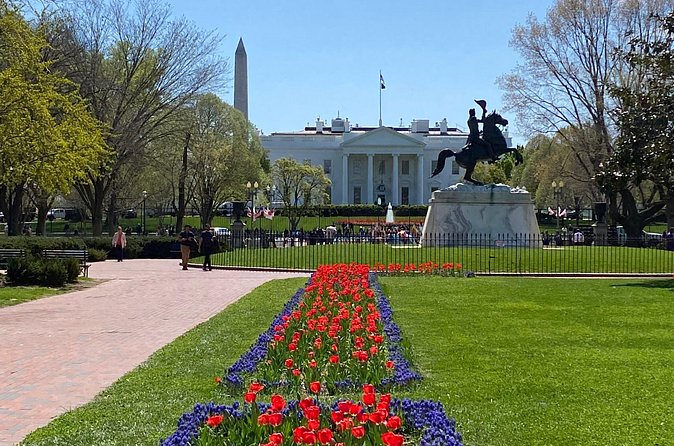
- Stop 2: A short White House stop with big implications
- Stop 3: Dupont Circle, a bookstore, and Pride’s roots
- What makes the guide matter here (Zach’s role)
- How long it really takes (and how to plan your day)
- What to bring: water and snacks you control
- Who this tour suits best
- Quick practical logistics you should know
- Should you book Beyond the Closet Walking Tour?
- FAQ
- What is the price of the Beyond the Closet Walking Tour?
- How long is the tour, and when does it start?
- Where do I meet, and where does the tour end?
- What language is the tour offered in?
- Is bottled water or snacks included?
- How many people are on the tour, and what is the cancellation policy?
Key highlights to expect
- Lafayette Square: a focused look at LGBTQ persecution in the 1940s–1960s and a key early protest site
- White House stop: a short stop centered on the first openly gay woman who served in a presidential administration
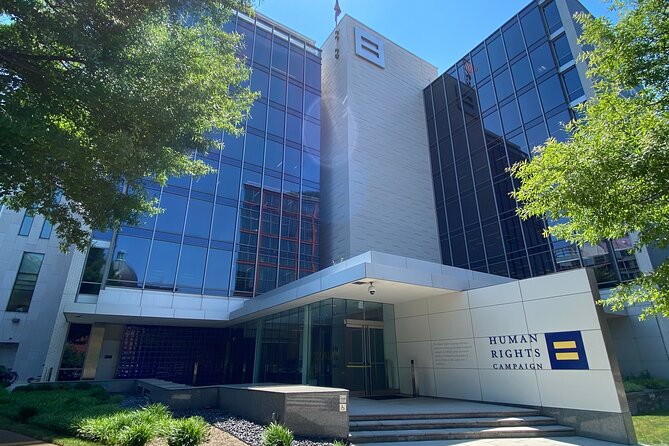
- Dupont Circle: a community story tied to the first gay bookstore in DC and its influence on Pride
- Guide-led Q&A energy: Zach is praised for answering many questions and keeping the group engaged
- Small group size: capped at 15 travelers, which helps you actually hear and participate
- Mobile ticket: simpler check-in and less time spent figuring out logistics
Why this walk connects facts to place
Washington DC can feel like a museum with traffic. This tour works because it treats the city like an index of real lives—so the history doesn’t float around in the abstract. When you’re standing at a landmark, the story has weight.
The route is also built for attention. Each stop stays short, so you keep moving and the guide can move from theme to theme without losing momentum. That matters on tours like this, where you’re learning emotional and political history and want the pacing to feel respectful.
You can also read our reviews of more walking tours in Washington DC



Price and what you actually get for $30
At $30 per person for about 2 hours 30 minutes, you’re paying for a guided experience built around three major points of interest. You’re not buying timed entry tickets to museums, and the tour doesn’t include a lot of extras—so the value is mostly in the human part: interpretation, context, and Q&A.
Also, the tour includes guided walking only. In other words, you’re not paying for a big package with bundled transport, meals, or attractions you might not use. If you like learning on foot and you’ll bring your own water, this is a cost-effective way to get specific stories tied to places you’ll otherwise just pass.
The small-group advantage (and why it matters)
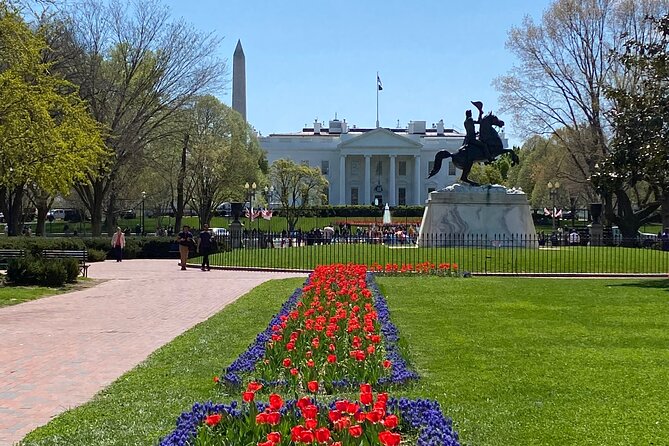
With a maximum of 15 travelers, you won’t be squeezed into a giant cloud of people. That small size makes it easier to hear the guide and harder for questions to get lost at the back.
That’s a big deal here. LGBTQ history can bring up lots of personal reactions and questions, and the best tours create room for that. In the feedback I’ve seen reflected in the guide’s performance, Zach’s ability to answer questions is repeatedly called out—so smaller groups directly support that.
Start smart: Farragut Square at 9:30 am
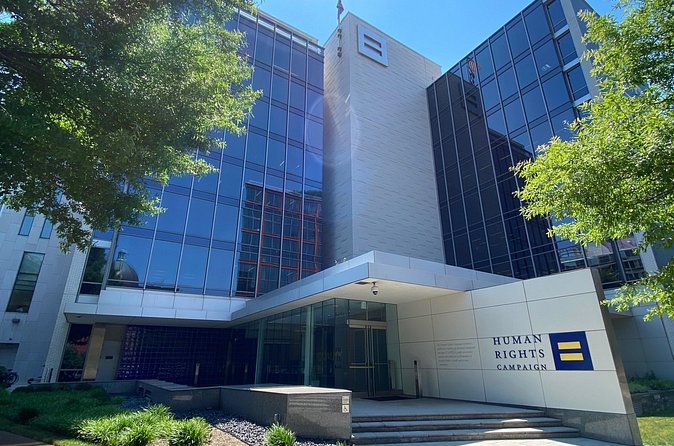
The tour starts at Farragut Square (912 17th St NW) at 9:30 am. Starting in the morning is often a win in DC because crowds can still be lighter and the walk feels more manageable.
Your end point is Dupont Circle North Metro Station (1908–1998 Q St NW). That’s helpful because it finishes at a transit hub, so you can get back into your day with less hassle.
If you tend to run late, plan extra time getting to Farragut Square. Walking tours move fast on purpose, and this one is no exception since the stops are tightly timed.
Stop 1: Lafayette Square and the fight for visibility
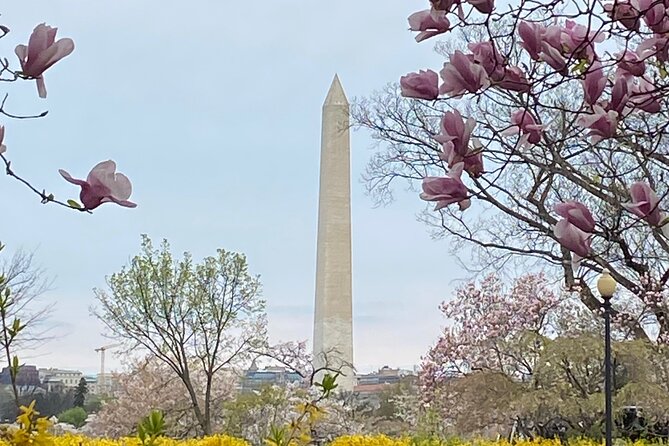
Your first stop is Lafayette Square, with about 15 minutes dedicated to the story. This is where you’ll learn about LGBTQ persecution across the 1940s–1960s and see the sight tied to the first protest in the US for LGBTQ rights.
This stop matters because it anchors the tour in a moment when public life didn’t just exclude LGBTQ people—it actively targeted them. Seeing a protest-related site in the setting it happened gives you a concrete sense of what it meant to risk visibility.
A practical note: expect a more focused, interpretive moment rather than a quick photo-op. If you want the most from this stop, bring your attention. Stand where the guide directs you, and don’t be afraid to ask what you’re confused about—this is the kind of subject where small details can change how you read the whole story.






Stop 2: A short White House stop with big implications
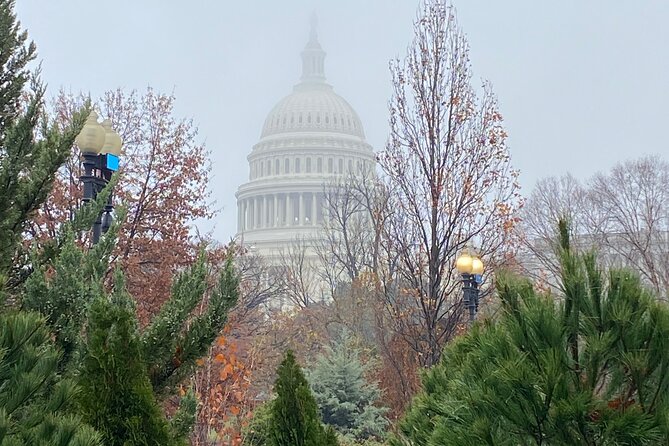
Next is a 10-minute stop at the White House. The theme here is the first openly gay woman who served in a presidential administration.
This is shorter on purpose. The tour uses the White House as a high-visibility symbol and connects it to a specific person and a larger shift. You’ll likely leave with a clearer understanding of how LGBTQ history isn’t just activism in the streets—it’s also about access, representation, and what leadership can signal.
One consideration: since the stop is brief, don’t expect a long discussion on every angle you might think of. If you have questions about how the guide connects this moment to earlier persecution and protests, ask them early. Ten minutes goes quickly when you’re also absorbing the surroundings.
Stop 3: Dupont Circle, a bookstore, and Pride’s roots
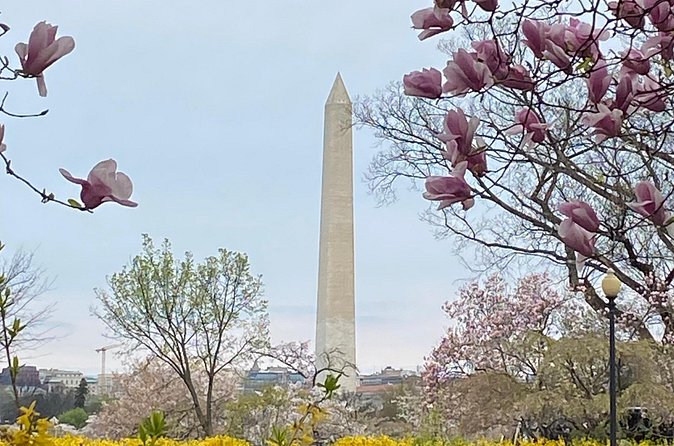
The final stop is Dupont Circle, again about 15 minutes. This section focuses on the first gay bookstore in Washington DC and its community influence, including how it ties into starting the Capital Pride parade.
This part of the tour feels different from the first two. It turns from harm and protest into community infrastructure—places where LGBTQ people could find information, connection, and momentum. A bookstore might sound small compared to government buildings, but that’s exactly the point: change often grows in everyday spaces.
If you like cultural history, you’ll probably appreciate how this stop links a local community institution to something that became a major public event. The guide can help you see the through-line: organizing and building community doesn’t start with parades. It starts with people carving out space to exist.
What makes the guide matter here (Zach’s role)
The feedback I’ve seen consistently points to Zach as a key reason this tour feels special. The big theme isn’t just that the guide shares facts—it’s that the guide stays responsive and keeps the group engaged, including answering many questions.
That improves your experience in a very practical way. When you get answers on the spot, you’re less likely to go home with half-understood ideas. Instead, you’ll leave with a cleaner picture of how the stops connect.
So if you’re the type who likes to learn by asking questions, this is a strong fit. And if you usually avoid tours because you don’t want to feel talked at, you might find this one easier to follow because of the active Q&A vibe.
How long it really takes (and how to plan your day)
The tour runs for about 2 hours 30 minutes. With three main stops and short segments at each, the rest of the time is walking between sites and absorbing what’s around you.
That means you should plan a flexible block before and after. If you have a reservation right after the finish at Dupont Circle, give yourself a buffer. You’ll be walking, reading the streetscape, and moving between landmarks—so it’s not the time for tight, minute-by-minute schedules.
Also, you’ll want to dress for walking. DC mornings can be cool or breezy depending on the season, and the tour doesn’t mention indoor warmups or long pauses. Bring layers you can handle for a few hours outdoors.
What to bring: water and snacks you control
This tour does not include bottled water or snacks. So bring your own water, especially if you know you get thirsty while walking.
If you need food for health reasons, bring something small and simple. The tour won’t pause for a snack break, and there’s no food provided. Planning ahead keeps you from having to make choices mid-tour.
If you’re someone who likes photo stops, also consider bringing a power bank or checking your battery before you start. You’ll be seeing iconic locations, and it’s easier to take a few photos without worrying you’ll run out of battery.
Who this tour suits best
This is a strong choice if you want LGBTQ history tied to the real city. It’s ideal for you if you like walking, learning through landmarks, and hearing context that helps you interpret what you see every day.
It’s also a good pick if you’re traveling with someone who likes discussion. A guided group format works well when both people care about learning and aren’t just sightseeing.
If you need a very slow pace, this may feel quick since the stops are timed and movement is constant. Likewise, if you require frequent restroom breaks or long seating pauses, you might find it less comfortable than tours designed around longer indoor segments.
Quick practical logistics you should know
- Tour language is English
- You’ll have a mobile ticket
- Service animals are allowed
- The route is near public transportation, with a transit-friendly end at Dupont Circle
- Most travelers can participate, though it’s still a walking experience outdoors
Should you book Beyond the Closet Walking Tour?
Book it if you want a focused, landmark-based introduction to LGBTQ history in Washington DC—especially if you value a guide who can answer questions and connect the dots between protest, persecution, and community creation. At $30, the cost feels fair for a structured route that doesn’t require extra admissions.
Skip or reconsider if you’re looking for a tour with lots of downtime, included snacks, or long museum-style presentations. Since water and food are on you, and the stops are timed, this works best when you’re ready to walk, listen, and absorb at a steady pace.
If you want an authentic way to read DC through LGBTQ history, this is the kind of tour you can actually carry with you the rest of your trip.
FAQ
What is the price of the Beyond the Closet Walking Tour?
The tour costs $30.00 per person.
How long is the tour, and when does it start?
The tour runs for about 2 hours 30 minutes and starts at 9:30 am.
Where do I meet, and where does the tour end?
You meet at Farragut Square, 912 17th St NW, Washington, DC 20006, USA. The tour ends at Dupont Circle North Metro Station, 1908–1998 Q St NW, Washington, DC 20036, USA.
What language is the tour offered in?
The tour is offered in English.
Is bottled water or snacks included?
No. Bottled water and snacks are not included, so you should bring your own water. If you need food for health reasons, bring snacks you can eat during the tour.
How many people are on the tour, and what is the cancellation policy?
The tour has a maximum of 15 travelers. You can cancel for a full refund up to 24 hours before the experience starts.