
REVIEW · WASHINGTON DC
George Washington’s Mount Vernon Gardens & Grounds Admission
Book on Viator →Operated by George Washington's Mount Vernon · Bookable on Viator
George Washington’s Mount Vernon is a great day out because it’s equal parts mansion, museum, and outdoor living. You’ll start with the exhibit Mount Vernon: The Story of An American Icon, then wander the estate at your own pace and soak up the Potomac River viewpoints. I especially like how the experience is built around real places and interpretive stops, including learning about the enslaved community who lived and labored on the property.
One possible drawback: the mansion experience can be limited depending on what’s under renovation, and the grounds admission does not automatically mean you’ll see the whole house in person.
In This Review
- Key takeaways before you go
- Mount Vernon Gardens & Grounds: What Your $28 Admission Really Covers
- Timing It Like a Pro: The 9:00 AM Start and How Long to Plan
- Museum Exhibit: Mount Vernon, The Story of An American Icon
- Estate Highlights: Gardens, Potomac Views, and George and Martha’s Tomb
- Mansion Day Reality: Renovations, Room Limits, and Virtual Options
- Distillery & Gristmill: Rye Whiskey, Oliver Evans Milling, and Why It’s a Smart Add-On
- Staff, Demonstrations, and Those Great Little Moments
- Food and Breaks: Don’t Skip the Recharge
- Getting the Best Views and Photos Without Losing Time
- Who Should Book This Admission (and Who Might Prefer Another Option)
- Should You Book? My Bottom-Line Advice
- FAQ
- What is the price for George Washington’s Mount Vernon Gardens & Grounds Admission?
- How long does the experience take?
- Does this admission include a mansion tour?
- What’s included with the grounds admission?
- Is the Distillery & Gristmill always included?
- Is this experience mobile-ticket friendly and weather-proof?
- Is there free cancellation?
Key takeaways before you go
- Skip-the-line entry helps you get out to the grounds faster, not stuck at the ticket office
- Self-guided estate time means you can set your own pace and linger at the views
- Enslavement history is part of the visit, not tacked on at the edge of the day
- Distillery & gristmill are included on weekends (Apr–Oct), with milling and rye whiskey production demonstrations
- Mansion access depends on timing and whether you can get a mansion tour slot (or a virtual option during closures)
- Plan for walking on uneven grounds and give yourself time to absorb signage and exhibits
Mount Vernon Gardens & Grounds: What Your $28 Admission Really Covers
At $28 per person, this ticket is a solid “do the estate right” option because it’s designed for exploration without rushing you through the basics. You get a grounds pass plus entry that’s meant to help you avoid the busiest ticket office chokepoints. It’s also a mobile ticket, which is handy when you’re moving fast and don’t want to manage paper on a busy day.
Here’s the part that matters most: the grounds pass does not include a mansion tour. You may be able to add mansion access by getting free mansion tour tickets at the ticket office on a first-come, first-served basis, but those can sell out early, especially on weekends. There’s also mention of a $2 mansion tour charge if you purchase in advance online—so it’s worth treating the mansion as an extra, not a guarantee.
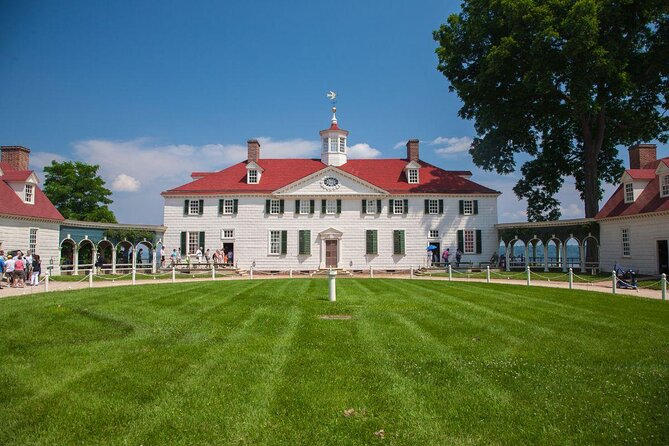
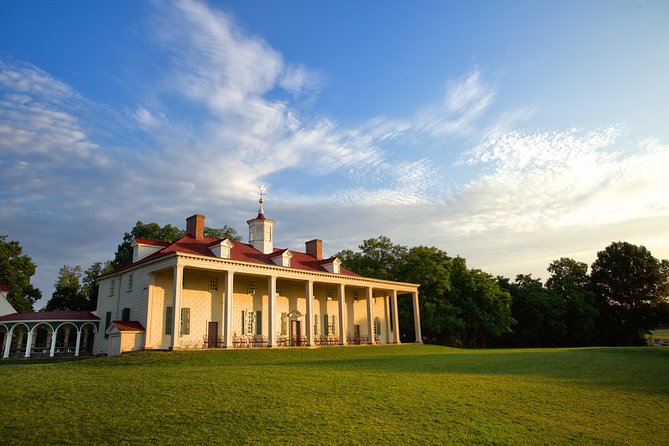
Still, even without the full mansion, the value is strong because the estate is where the story lives. You’re not just looking at a display case—you’re standing where Washington’s world ran: gardens, paths, outbuildings, the river views, and the tomb area.
You can also read our reviews of more tours and experiences in Washington DC.



Timing It Like a Pro: The 9:00 AM Start and How Long to Plan
This experience starts at 9:00 am, and the total time range listed is 30 minutes to 4 hours. In real life, most people will land closer to the longer end, because once you’re on the grounds, it’s hard not to stop for signage, photos, and interpretive areas.
The most practical advice: build your day around walking, not around the clock. The visit is described as requiring moderate physical fitness, and the grounds involve a lot of movement. If you’re going with kids, grandparents, or anyone who tires easily, plan a slower pace and add extra pauses. One review noted that shuttle timing and stop clarity can be an issue on hot days, so if your group relies on shuttles, give yourself a time cushion so you’re not stuck waiting in full sun.
Weather matters too. The experience operates in all weather, so dress for wet days, wind, and heat. Even when the mansion is limited, the grounds are still the main event.
Museum Exhibit: Mount Vernon, The Story of An American Icon
Your first big emotional setup is the museum exhibit Mount Vernon: The Story of An American Icon. This is the place to get oriented before you wander. It’s also where you’ll get the context that makes the gardens and estate stops click.
Why this matters for you: when you hit the outdoors later, you’re not just reading placards. You’re connecting what you see—buildings, land use, river access—with the broader story of Washington’s estate as an emblem of ambition, farming, and power.
The museum also sets expectations for how the experience handles complicated themes, including the reality of the enslaved community living at Mount Vernon. That context helps so much when you move from “pretty grounds” into the parts of the estate where history includes human suffering.
Estate Highlights: Gardens, Potomac Views, and George and Martha’s Tomb

Once you move outdoors, the estate feels like it opens up in layers. You’ll explore the grounds and key estate areas, and you’ll be able to visit the tomb where George and Martha Washington are buried. The tomb area is a strong emotional anchor for the day, and it’s also a place where you can slow down.
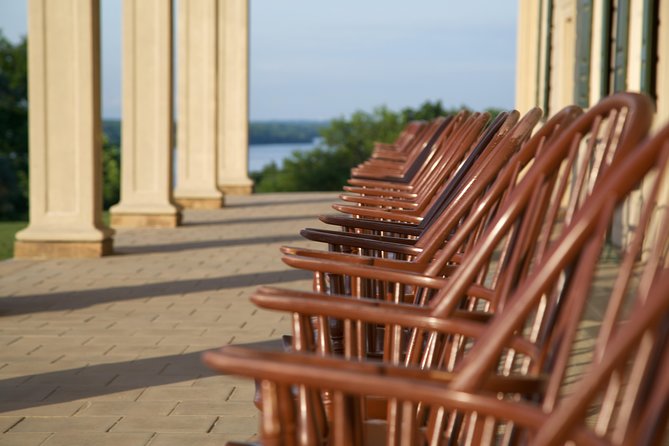
Then there are the Potomac River viewpoints, which are a major reason Mount Vernon still works as a destination. You’ll see why Washington cared about this stretch of river—resources, travel, farming logistics, and the daily life that depended on water access.
A note on the interpretation: this experience isn’t only about architecture and gardens. It specifically includes learning about the lives of the enslaved community who lived at Mount Vernon. That makes it more than a scenic house visit. It’s historically direct, and it gives you more to think about than a quick photo stop.
Mansion Day Reality: Renovations, Room Limits, and Virtual Options

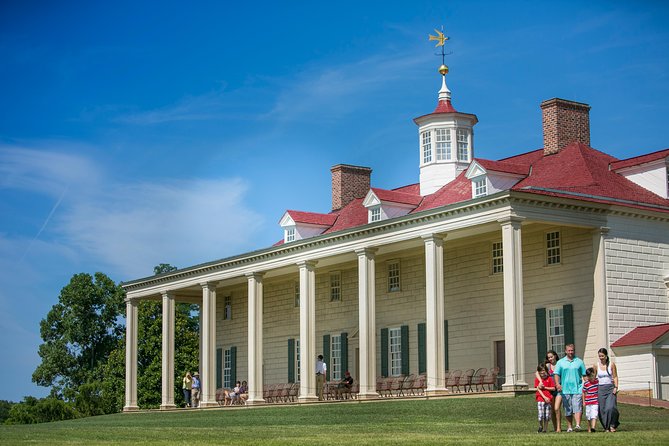
This is where you need to manage expectations. The mansion portion can be limited while work is happening. Several visitors described the main house as partially closed, with only certain rooms available.
The good news: the experience may include ways to still see parts of the mansion through a virtual mansion tour when access is restricted. If you end up with a virtual option on the day you go, treat it as a practical way to get the layout and room context you might otherwise miss.
But here’s the trade-off for you: if your top goal is to walk through the entire mansion in person, renovation days can frustrate you. That’s why you should plan the grounds as the main certainty and the mansion as the bonus.
If you can, keep an eye out for mansion tour options the moment you arrive. Mansion tours are described as first-come, first-served for free tickets, and they can sell out early on weekends. If you want maximum odds, arrive ready to request what’s available as soon as you check in.



Distillery & Gristmill: Rye Whiskey, Oliver Evans Milling, and Why It’s a Smart Add-On
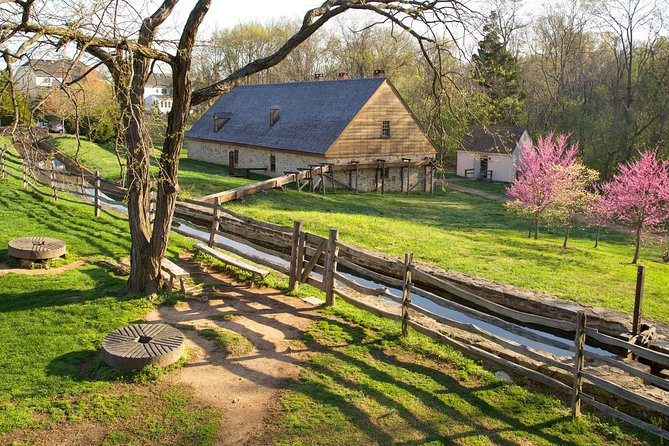
If you go on a day when it’s available, the George Washington’s Distillery & Gristmill is one of the most satisfying parts of the whole experience. It’s described as a re-creation of Washington’s gristmill featuring the Oliver Evans milling system, plus a fully functioning distillery where his rye whiskey is still produced today using Washington’s original mash bill.
This stop lasts about 1 hour and is listed as included on weekends (April–October). So if you’re trying to maximize value, plan your Mount Vernon day around those conditions. When this is included, your $28 feels even more worthwhile because you’re not only touring land and exhibits—you’re seeing production processes and hearing how milling and distilling worked.
Practical tip: after the museum and grounds, your brain may be in “history mode.” The distillery and gristmill bring that to a different level because it’s concrete, physical, and process-based. You’ll understand how resources turned into food and alcohol, and how the estate’s economy ran in the background of Washington’s public life.
Staff, Demonstrations, and Those Great Little Moments
What often makes Mount Vernon special is the human factor: the people at stations, demonstrators, and guides who can answer questions instead of reading scripts.
Your best-case scenario includes guided help at key areas, plus lively reenactment elements. One review specifically mentioned a fife player performing and being very knowledgeable about the flutes, and another mentioned high-quality docents and demonstrators across stations. You might also catch programs like themed tours when offered (one visitor noted being able to take a Hamilton tour).
I love this kind of day because it’s not only passive reading. You can ask questions, watch demonstrations, and connect details to what’s in front of you. It also helps kids and first-time visitors a lot; they get more than one kind of learning.
One more useful detail: guide names vary day to day, but one visitor credited a guide called Don from New Orleans with being very informed and responsive. Even if you don’t get the same guide, that kind of attention is the standard that seems to make repeat visitors rave about the experience.
Food and Breaks: Don’t Skip the Recharge

This ticket doesn’t include food and drinks, but Mount Vernon does have on-site options. Reviews mention a gift shop and an on-site restaurant, and at least one person also noted grabbing lunch at the restaurant.
Here’s the practical move: build a break into your itinerary. If you’re walking from exhibit to grounds to tomb to distillery (when included), you’ll appreciate a pause before you try to retain all the information. A meal also gives you a natural pacing reset, especially if you’re traveling with kids or older adults.
And yes—this is one of those places where you’ll want souvenirs. The gift shop is part of the day, not an afterthought.
Getting the Best Views and Photos Without Losing Time
Mount Vernon runs on “stop and look.” The Potomac views are the main photo prize, but the grounds also offer plenty of smaller moments—garden structure, historic sight lines, and estate details.
For timing: if you want the best mix of comfort and views, aim for a day with decent weather and plan your biggest viewpoint stops earlier or later depending on crowds. Since this experience runs in all weather, don’t rely on a perfect forecast to decide; just dress smartly and keep moving.
If you care about photos, think in sequences. Do a tomb area stop, then shift to river viewpoints, then circle back for gardens. This keeps you from doubling back while the light is good.
Who Should Book This Admission (and Who Might Prefer Another Option)
This grounds-focused ticket works best if you want:
- A self-guided estate day with museum context
- Potomac River viewpoints as a central part of your trip
- A visit that includes learning about the enslaved community
- Families who like history that’s seen in places, not only explained in a classroom
It’s also a good fit for multigenerational groups because you can tailor your pace—just remember you’ll need moderate physical fitness for walking.
Where it’s not as ideal: if your main goal is a full, uninterrupted mansion walk-through every time you visit. Renovation and access limits can change what you see. If your priority is mansion rooms specifically, you’ll want to be strategic about checking for mansion tour availability when you arrive.
Should You Book? My Bottom-Line Advice
Book this George Washington’s Mount Vernon Gardens & Grounds Admission if you want a reliable, value-friendly way to experience the estate’s story—museum start, self-guided grounds, tomb visit, and the Potomac views. It’s especially worth it when your day lines up with weekend April–October availability for the Distillery & Gristmill, since that’s where you get process-based history plus a very practical look at milling and rye whiskey production.
If you’re dead set on seeing the entire mansion in person, don’t assume it’s included. Treat mansion access as an upgrade that depends on what’s open and whether you can secure tour tickets early—or use the virtual options if that’s what’s available.
In short: if you like walking, reading, and seeing how a working estate functioned, this is a smart buy. If you only want a full mansion tour without any uncertainty, you should plan for a different approach or add the mansion tour separately when you can.
FAQ
What is the price for George Washington’s Mount Vernon Gardens & Grounds Admission?
It costs $28.00 per person.
How long does the experience take?
Plan for about 30 minutes to 4 hours (with the stop that includes the mansion entry time running roughly 3 hours, plus about 1 hour for the distillery/gristmill stop when included).
Does this admission include a mansion tour?
No. The grounds pass does not include a mansion tour. Mansion tour access can be available as separate tickets, and online purchasing is listed as a $2 charge if purchased in advance. Free mansion tour tickets may also be available at the ticket office on a first-come, first-served basis.
What’s included with the grounds admission?
You get skip-the-ticket-office-line entry and access to the Mount Vernon: The Story of An American Icon museum exhibit and the self-guided estate grounds experience. On weekends from April–October, the Distillery & Gristmill stop is included as well.
Is the Distillery & Gristmill always included?
It’s included on weekends (April–October). On other days, it may not be part of what your ticket covers.
Is this experience mobile-ticket friendly and weather-proof?
Yes, it’s listed as a mobile ticket experience, and it operates in all weather conditions, so dress for rain or heat.
Is there free cancellation?
Yes. You can cancel for a full refund if you cancel at least 24 hours before the experience’s start time.