REVIEW · WASHINGTON DC
Guided Tour of The Natural History Museum
Book on GetYourGuide →Operated by Tours By JC · Bookable on GetYourGuide
Proof that science can feel physical. This 2.5-hour guided walk through the Smithsonian National Museum of Natural History in Washington, DC turns big, famous exhibits into a clear storyline, with hands-on touches and a guide to keep you moving through the museum’s must-sees. Small group size (up to 8) means you’re not lost in a crowd.
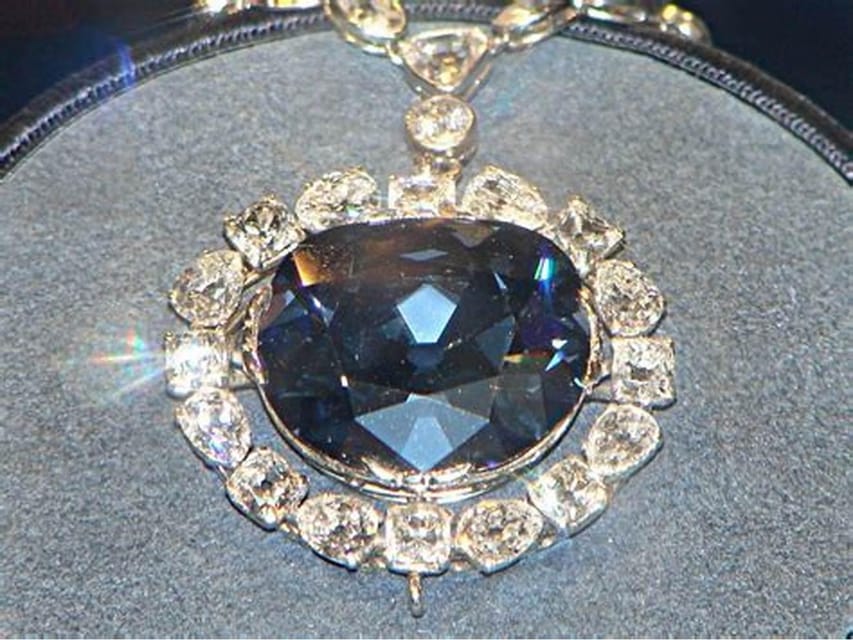
I especially like the way this tour uses the Hope Diamond and its cursed history to pull you into the exhibit, not just skim past it. I also love the chance to touch real-feeling materials, including a dinosaur bone and a piece from Mars, which makes the science stick.
The main trade-off is time. In 2.5 hours, you’ll get a smart highlights route, not a full museum tour, so if you love roaming freely, plan to come back later for extra time.
In This Review
- Key highlights to look for
- Entering the Smithsonian natural history experience from Constitution Ave
- The T. rex beginning that sets the pace for everything after
- The Hope Diamond story: cursed history with real museum payoff
- Hands-on learning: touching dinosaur bone and a piece of Mars
- Butterflies, metamorphosis details, and biodiversity made readable
- Oceans, coral reefs, and deep-sea creatures in motion
- Gems, minerals, and global insets: seeing Earth in layers
- Price and logistics: is $72 for a 2.5-hour guided tour fair value?
- Who this guided Natural History Museum tour is best for
- Should you book this Natural History Museum guided tour with Tours By JC?
- FAQ
- How long is the guided tour?
- How much does the Natural History Museum guided tour cost?
- Where do I meet the tour guide?
- How big is the group?
- Is the tour wheelchair accessible?
- Is there a live guide, and what language is the tour in?
- What’s included in the highlights during the tour?
Key highlights to look for
- Hope Diamond cursed history, explained in a way that makes the gem story feel personal
- Tyrannosaurus Rex at the start, so you begin with prehistoric scale and momentum
- Touch an actual dinosaur bone, a hands-on moment you can’t get from photos
- Touch a piece of Mars, for a surprisingly grounded connection to space
- Butterfly wing and metamorphosis details, where “small” biology gets big
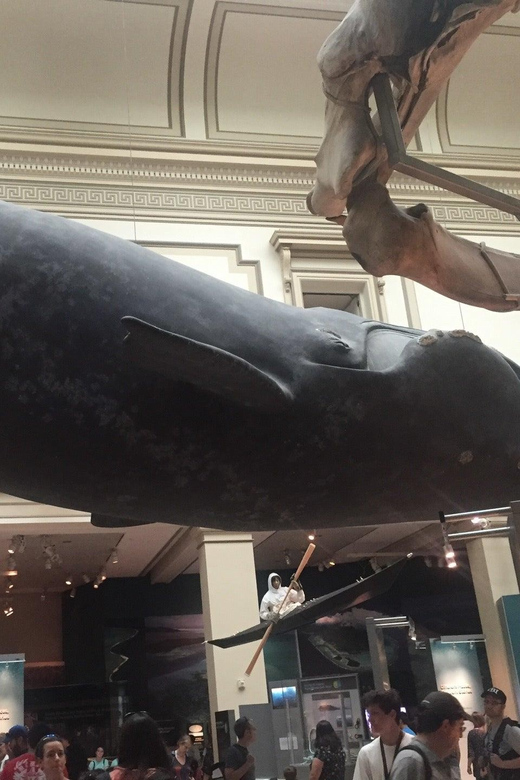
- Blue whale suspended overhead, adding a wow factor early in your visit
Entering the Smithsonian natural history experience from Constitution Ave
Your tour starts at the front entrance on the Constitution Ave side of the museum (900 Constitution Ave NW). That matters more than it sounds: arriving at the right side helps you avoid wasting the first few minutes figuring out doors, lines, and signage. The tour also ends back at the same meeting point, so you can plan your next stop nearby without a scramble.
This is a live, English-language guided tour run by Tours By JC, and the group is kept intentionally small (limited to 8 people). With that setup, you’re more likely to get a guide’s attention when a question pops up, and you spend less time waiting while everyone regroups.
One more practical point: the museum is huge, so “2.5 hours” is a real constraint. The guide’s job is to choose what makes sense in a short timeframe, which is great if you want highlights with context. If you want every room in full detail, you’ll need extra time outside the tour.
You can also read our reviews of more guided tours in Washington Dc



The T. rex beginning that sets the pace for everything after
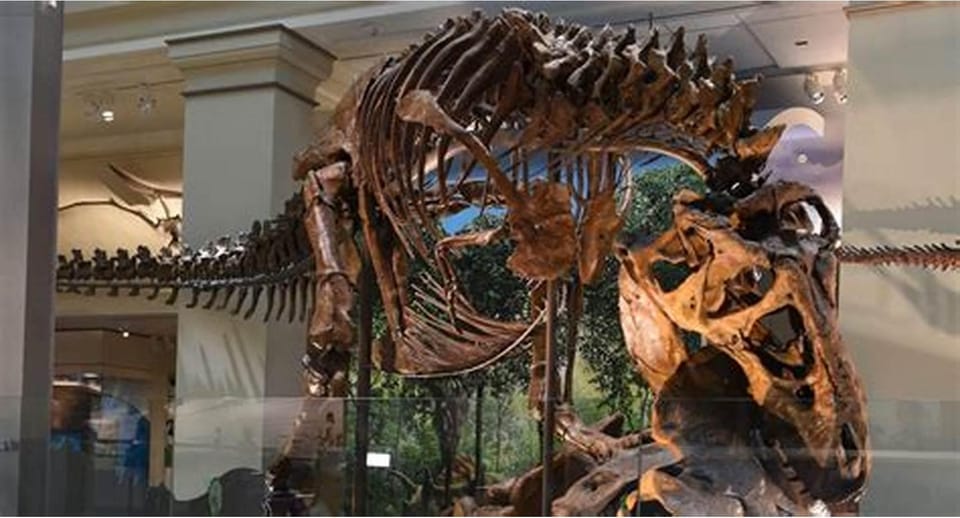
Walk in and you hit a massive Tyrannosaurus rex skeleton. It’s the kind of entrance that reboots your brain: you instantly switch from tourist mode to science-hunter mode. In a guided format, this isn’t just a photo spot. It’s a fast way to frame deep time and make the rest of the museum’s themes easier to follow.
From there, the tour keeps moving through Earth science and life science exhibits, with the guide helping you connect fossils, minerals, and living creatures into one ongoing story. You’ll see the museum’s classic “wow” objects along the way, including the suspended blue whale overhead, which is a sight you feel in your chest more than you can capture in a picture.
If you’re prone to skipping details, this tour is useful. Instead of letting the museum blur together, the guide nudges you toward the meaning of what you’re looking at—why these displays exist, and how they relate to evolution and ecology.
The Hope Diamond story: cursed history with real museum payoff
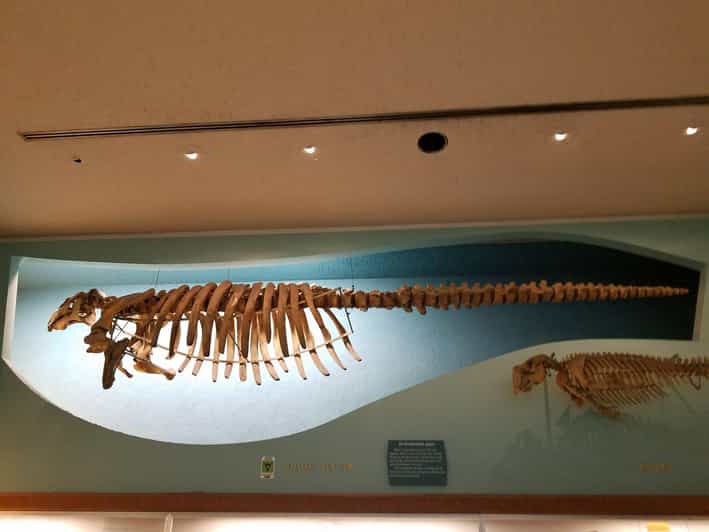
One of the most specific promises of the tour is time spent learning about the cursed history of the Hope Diamond. That’s a great angle because it gives you a narrative hook: you’re not just staring at a gemstone case; you’re learning the story that made the diamond famous.
What I like about this kind of guided approach is that it turns a common “diamond glance” into a mini lesson. Even if you’re not a geology superfan, a strong story helps you remember what you learned and notice details you’d otherwise miss—like where the fascination comes from and why museums treat certain objects like major milestones.
A quick consideration: the Hope Diamond moment is likely one of several major stops, so don’t expect the guide to linger forever. You’re paying for a smart route, not an all-day deep dive. Still, the curated focus is exactly what makes the 2.5 hours feel worth it.
Hands-on learning: touching dinosaur bone and a piece of Mars
This is the signature part for many people, and for good reason. The tour includes two standout tactile experiences:
- Touch an actual dinosaur bone
- Touch a piece of Mars
Tactile learning is underrated. When you can feel texture and weight, it’s easier to build a mental model for what you’re seeing in displays. It turns museum science from “look at glass” into “feel what you’re studying,” which is especially helpful if you learn best through direct experience.
It’s also just plain memorable. You’ll likely remember the dinosaur bone in a way you won’t remember a caption alone. And Mars—something that normally feels far away—gets a strange, grounding closeness when you can touch a piece of it.
The practical takeaway: come in mentally ready for hands-on moments. You don’t need to be a kid to enjoy them, but you should be comfortable with the idea that part of your tour includes sensory experiences, not only standing and looking.
Butterflies, metamorphosis details, and biodiversity made readable
The guided route works hard to vary the kinds of “see this” moments. You’ll encounter fine biology displays like a butterfly’s wing, with the kind of detail that’s hard to appreciate in a quick stop. The tour also references butterfly metamorphosis, which is one of those themes that helps you connect life science to actual change over time.
Then you get bigger-scale life displays too. The description includes elephants and deep ocean exhibits, which matters because the museum’s strength isn’t only tiny specimens. It’s the full range—from small-wing textures to suspended giants like the whale.
If you’re visiting with kids or teens, this section can be a win because it mixes scale and action. If you’re an adult, it’s still valuable. Evolution and ecology are easier to understand when you see how the museum organizes variety, survival, and change into visual evidence.
You can also read our reviews of more historical tours in Washington Dc





Oceans, coral reefs, and deep-sea creatures in motion
You’ll also spend time on ocean-themed exhibits. The tour highlights coral reefs and deep-sea creatures, including the idea of exploring the “depths” of marine life. This part of the route is especially effective for people who don’t want only fossils and gems.
Oceans are a natural bridge between geology and biology. Coral reefs connect to habitat and ecosystems, while deep-sea creatures help you think about adaptation in extreme conditions. With a guide, you’re less likely to get stuck in a “pretty fish” loop and more likely to pick up the museum’s underlying message about evolution and ecological systems.
One consideration: if you’re sensitive to time pressure, this ocean section may feel like a lot of quick transitions. Since the tour is only 2.5 hours, the museum staff and your guide are moving at a guided pace to cover many highlights.
Gems, minerals, and global insets: seeing Earth in layers
Besides fossils and wildlife, the tour emphasizes dazzling minerals and global exhibit elements. It specifically calls out seeing insets from all over the world. The word used is insets, so I’d treat this as smaller display elements or framed details that broaden the museum’s “world” perspective beyond a single collection.
In a guided format, this kind of global context does two helpful things:
- It keeps the museum from feeling like a local collection of random objects.
- It helps you notice patterns—how similar themes show up across regions, climates, and geologic time.
Even if you only have one visit to the museum, this is a smart inclusion. Earth science is global. The guide’s job is to help you see that connection without turning your visit into a spreadsheet of facts.
Price and logistics: is $72 for a 2.5-hour guided tour fair value?
At $72 per person for about 2.5 hours, you’re paying mainly for three things:
- A live guide (English)
- A structured route through the museum’s big highlights
- Included guided service fees
For a museum this large, guided time can be the difference between feeling impressed and feeling informed. A good highlight tour helps you avoid the “we saw a lot but learned little” problem, and that’s what you should expect here—science with direction.
Also, small group size (up to 8 participants) boosts value. In practical terms, it means fewer people compete for the guide’s attention, and the tour is more likely to feel conversational instead of like a lecture.
A balanced note: $72 isn’t cheap if you’re the type who happily explores museums alone for hours. If you already know exactly which rooms you want and you like slow wandering, you might get similar satisfaction from self-guided time. But if you want a fast, meaningful tour route with special moments—especially the touch experiences—this price starts to make sense.
Who this guided Natural History Museum tour is best for
This tour fits well if you:
- Want a guided highlights route through the Smithsonian National Museum of Natural History in DC
- Like story-driven museum stops (like the Hope Diamond cursed history)
- Enjoy hands-on learning moments, including touching a dinosaur bone and a piece of Mars
- Prefer a small group over large crowds
It’s also a solid choice if you don’t have a full day. Two and a half hours is enough time to get the museum’s main themes and iconic objects, especially with a guide steering you through.
If you’re the kind of visitor who wants to read every caption and spend 30+ minutes per room, treat this as a teaser. You’ll likely want extra museum time after your tour.
Should you book this Natural History Museum guided tour with Tours By JC?
Yes, if you want the museum to feel organized and memorable instead of overwhelming. The combination of the Hope Diamond story and the hands-on touch moments (dinosaur bone and Mars piece) makes the tour feel different from a standard museum walk. Add in the small group size and you get a more personal pacing than you’d expect from a bigger tour group.
I’d skip or rethink booking if you already plan to spend the day wandering and you don’t care much about guided context. In 2.5 hours, you’ll cover highlights, not everything—and the best payoff comes when you’re happy following a planned route.
FAQ
How long is the guided tour?
The guided tour duration is listed as 2.5 hours. Starting times can vary, so you’ll want to check availability.
How much does the Natural History Museum guided tour cost?
The price is $72 per person.
Where do I meet the tour guide?
You meet at the front entrance of the Natural History Museum on the Constitution Ave side (900 Constitution Ave NW).
How big is the group?
This is a small group tour limited to 8 participants.
Is the tour wheelchair accessible?
Yes, the activity is wheelchair accessible.
Is there a live guide, and what language is the tour in?
Yes, there is a live tour guide, and the tour is in English.
What’s included in the highlights during the tour?
The highlights listed include learning about the cursed history of the Hope Diamond, touching an actual dinosaur bone, and touching a piece of Mars.