
REVIEW · WASHINGTON DC
Gilded Age DC: Scandal, Secrets & Spirits of Dupont Circle
Book on GetYourGuide →Operated by Unscripted Tours · Bookable on GetYourGuide
Dupont Circle hides some of Washington’s most dramatic social math. This 90-minute walking tour tracks how a near-empty Pacific Circle turned into some of the priciest real estate in America, using architecture and diplomatic-era stories to explain the power behind it. I especially love how the tour reads like a “what to look for” guide—symbols, rules, and motives you can spot as you walk.
I also like the mix of places: the Heurich House angle on DC’s so-called Sodom of Suds vibe, plus the mansion storytelling that ranges from a Russian kidnapping to hosting Charles Lindbergh. My one consideration: it’s a tight 90 minutes, so if you like lingering for lots of photos and long explanations at every stop, you may want to add extra time on your own afterward.
In This Review
- Key points to know before you go
- Entering Dupont Circle’s Gilded Age power world
- Meeting at Heurich House: where the tour starts and why it fits
- Dupont Circle Fountain: decoding marble symbols as you walk
- The Heurich House angle: the Sodom of Suds reputation in plain terms
- The Anderson Way and the Society of the Cincinnati
- O Museum in the Mansion: Patterson Mansion stories that hit hard
- Larz Anderson House and Embassy Row: architecture with a social checklist
- Finishing at Dupont Circle North Metro: how to keep the day rolling
- Price and timing: getting value from a 90-minute walk
- Who this tour is best for
- Should you book this Gilded Age DC tour
- FAQ
- How long is the Gilded Age DC walking tour?
- What is the price per person?
- Where does the tour start, and what’s the address?
- Where does the tour end?
- What language is the tour guide?
- Is the tour wheelchair accessible?
- Does the tour run rain or shine?
- Is the tour suitable for children?
- Are drinks included in the tour price?
- What are the cancellation and pay-later options?
Key points to know before you go
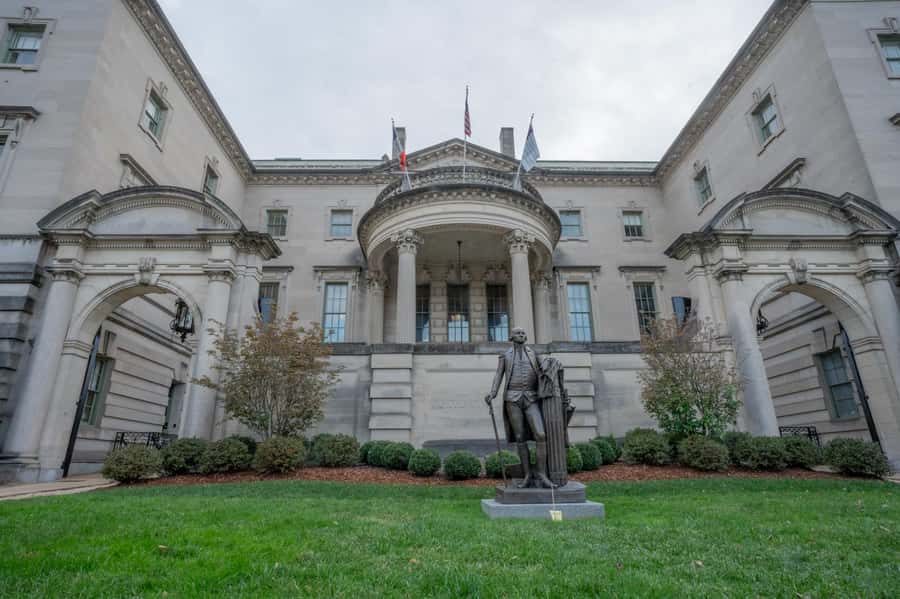
- Dupont Circle Fountain symbolism: you’ll learn what the marble is trying to say.
- Heurich House and the Sodom of Suds story: DC nightlife reputation, put in context.
- The Anderson Way: a clear pathway into the Society of the Cincinnati.
- Patterson Mansion (O Museum in the Mansion): wild history that goes from kidnapping to Lindbergh.
- Larz Anderson House stop: Embassy Row-style architecture paired with real-life social rules.
Entering Dupont Circle’s Gilded Age power world
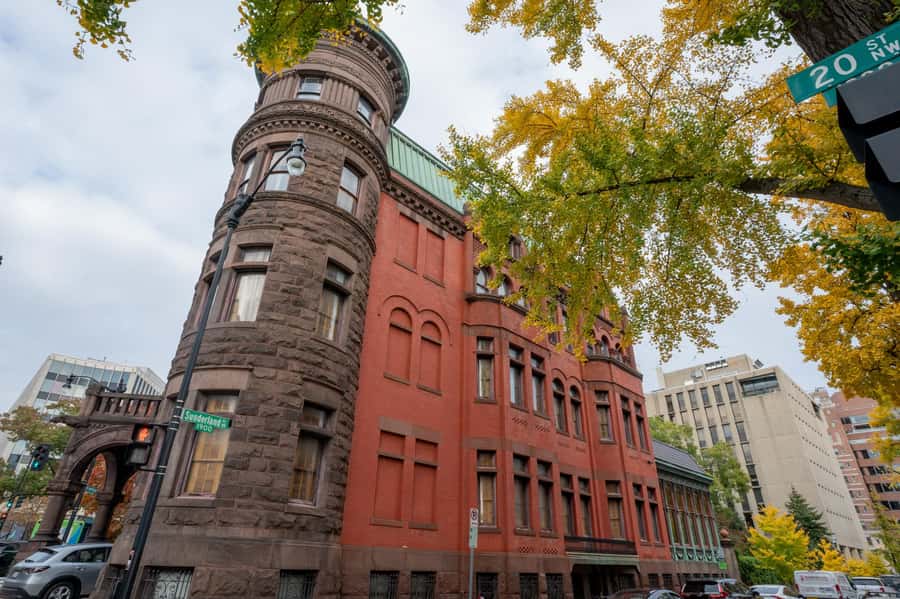
Washington’s social scene in the late 1800s ran on reputation, not just money. The interesting part of this tour is that it doesn’t treat Dupont Circle like a pretty backdrop. Instead, it uses the neighborhood’s fast growth—1871 to 1890—to show how self-made millionaires and diplomatic elites turned access into status.
I like that the tour frames it as a clash between birthrights and ambition. You’ll hear how Washington’s social policy—open-door invitations, public visibility, and lots of parties—became a shortcut for people who wanted legitimacy. The guide also ties that to the physical layout of Dupont Circle and Embassy Row, so you’re not just listening to history. You’re learning how to “read” the neighborhood as it used to work.
And there’s a faintly dark comedy to it all. The social rules were so strict that one malapropism could damage your standing, and skipping a dinner party only worked if you had one of a few acceptable excuses. That’s the kind of detail that makes the Gilded Age feel human, not dusty.
You can also read our reviews of more walking tours in Washington Dc



Meeting at Heurich House: where the tour starts and why it fits
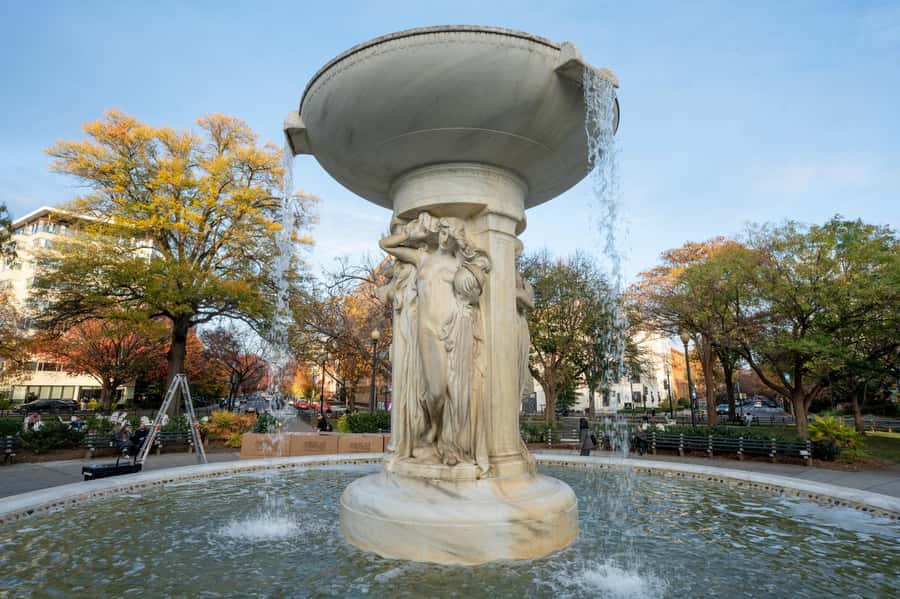
You begin at 1921 Biergarten at the Heurich House, 1307 New Hampshire Ave NW, just south of Dupont Circle. It’s a smart start point because the Heurich House connects the neighborhood’s social scene to a building that already carries the punchy nickname angle: DC’s Sodom of Suds.
I recommend arriving a few minutes early and getting oriented in the area. The tour is 90 minutes, and you’ll be walking between multiple stops, so you’ll get more out of it if your shoes are comfortable and you’re not rushing at the first explanation. Weather is rain or shine, so dress for it. (This is one of those tours where a light jacket and good footwear actually matter.)
The guide you’ll meet is an expert who speaks English, and one verified booking note highlighted how kind and thorough Shane was. That matters because the story here relies on small details—symbols, wording, and social etiquette—and a careful guide keeps the pacing clear.
Dupont Circle Fountain: decoding marble symbols as you walk
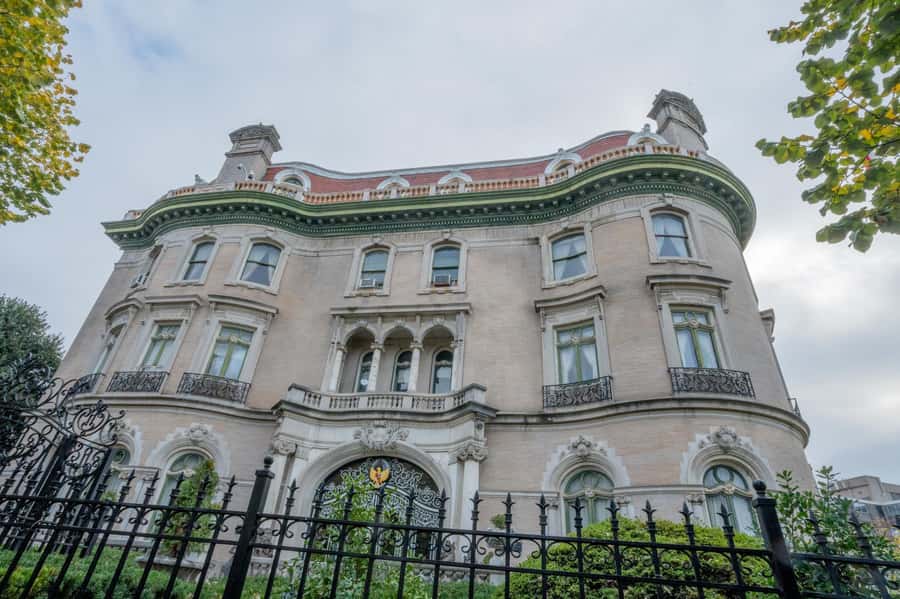
The Dupont Circle Fountain is the kind of stop that can look impressive from a distance and still feel mysterious up close. This tour fixes that by helping you decode the symbols of the marble masterpiece. You’ll learn that public art in this neighborhood wasn’t random decoration. It was part of how the elite signaled values, taste, and order.
What I like about this approach is that it turns the fountain into a “story anchor.” Once you understand what the symbolism is doing, it becomes easier to notice how the surrounding architecture and mansions also communicate status—through materials, layout, and the feel of permanence.
A practical note: the fountain area can be busy, and your group will likely stand in a few tight spots for viewing. Wear shoes with good grip. The tour’s value comes from being able to pause, look, and listen without feeling rushed.
The Heurich House angle: the Sodom of Suds reputation in plain terms
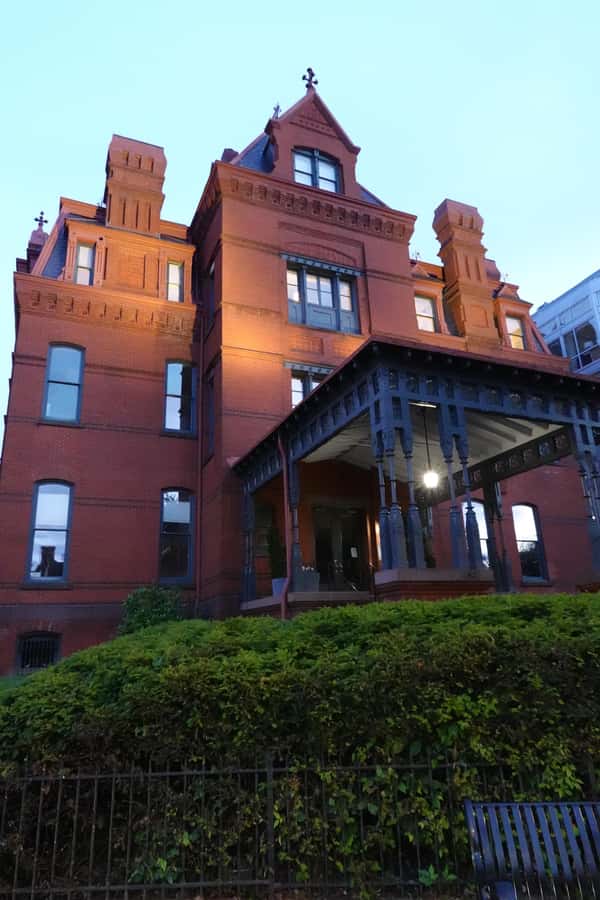
From the fountain, the tour pivots into the Heurich House perspective—why Washington once earned the name Sodom of Suds. That line is provocative on purpose, and the tour uses it as a gateway into how social life in DC could be both glamorous and messy.
This is also where the tour’s “rules of the Social Season” theme starts to make sense. Washington wasn’t just a government town; it was a place where diplomats, wealthy families, and powerful newcomers all performed status. The open-door invitation culture created a fast track, but it also meant public behavior got judged publicly.
You’ll get the feeling that the mansion and diplomatic world weren’t separate from everyday nightlife. They were connected. The same people who mattered at dinners also cared deeply about appearances, and the guide keeps the story grounded in how reputations were built and defended.
The Anderson Way and the Society of the Cincinnati
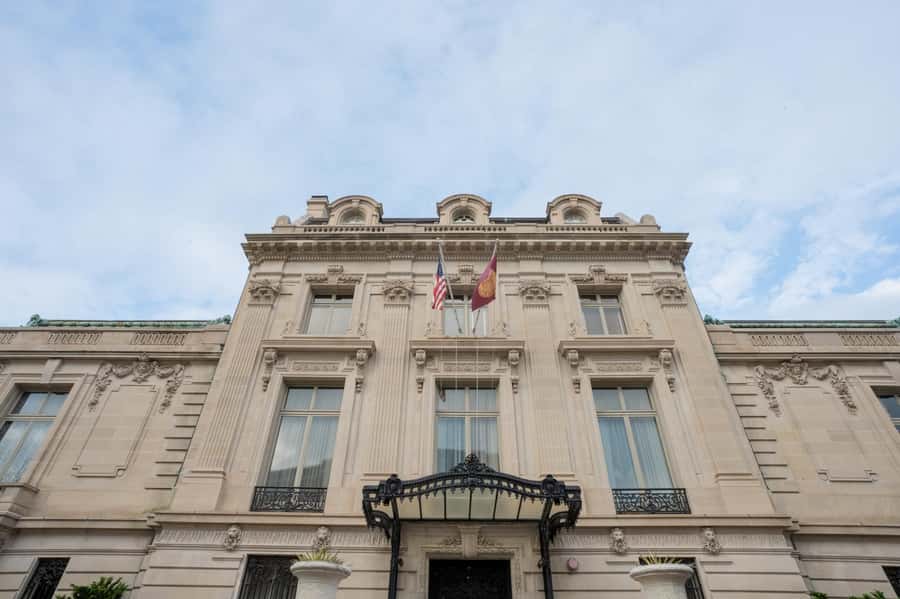
One of the tour’s highlights is stepping into the world of the Society of the Cincinnati through what they call the Anderson Way. This part is valuable because it shows you how status can be formal, not just social. In other words, it’s not only about who you know tonight. It’s about memberships, symbols, and long-term legitimacy.
The guide’s job here is to make the Society feel legible while you’re actually at the stop—not as a vague name you’ll forget later. You’ll connect it back to the broader tour theme: people using access to Washington society to buy the kind of status they couldn’t easily inherit.
I also like how the tour’s format encourages you to think before you pose for photos. If you know what you’re looking at and why it mattered, your photos end up meaning more. That’s the difference between collecting images and collecting understanding.





O Museum in the Mansion: Patterson Mansion stories that hit hard
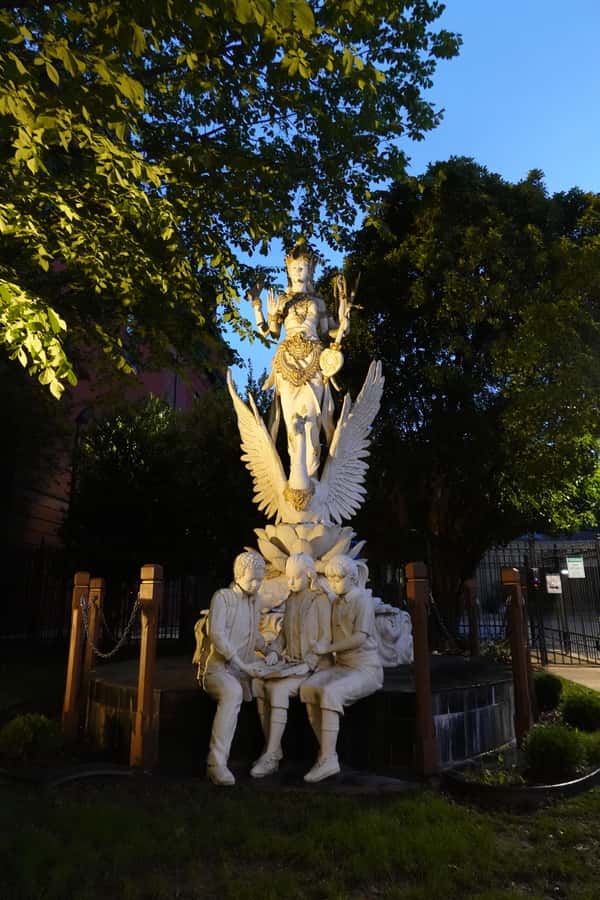
A favorite moment of this tour is the stop at O Museum in the Mansion (the highlight calls out Patterson Mansion). This is where the stories turn wilder and more cinematic, because you’ll hear about a Russian kidnapping and also about the mansion hosting Charles Lindbergh.
Even if you’ve heard Lindbergh’s name before, the context here matters. The tour uses this mansion story to show how global attention and high society overlapped in Washington. It’s not just local gossip; it’s the idea that the elite world in DC could pull in international drama.
The Russian kidnapping detail also does something useful for you as a visitor: it reminds you that these grand residences were never only about charm. They were connected to real risk, real intrigue, and real stakes. That adds tension to what would otherwise be a neat architectural stroll.
The drawback for some people is that museum-related areas can have rules about where you can stand and how long you can linger. The tour is 90 minutes total, so keep moving when the guide signals it. You’ll get more from the story flow that way.
Larz Anderson House and Embassy Row: architecture with a social checklist
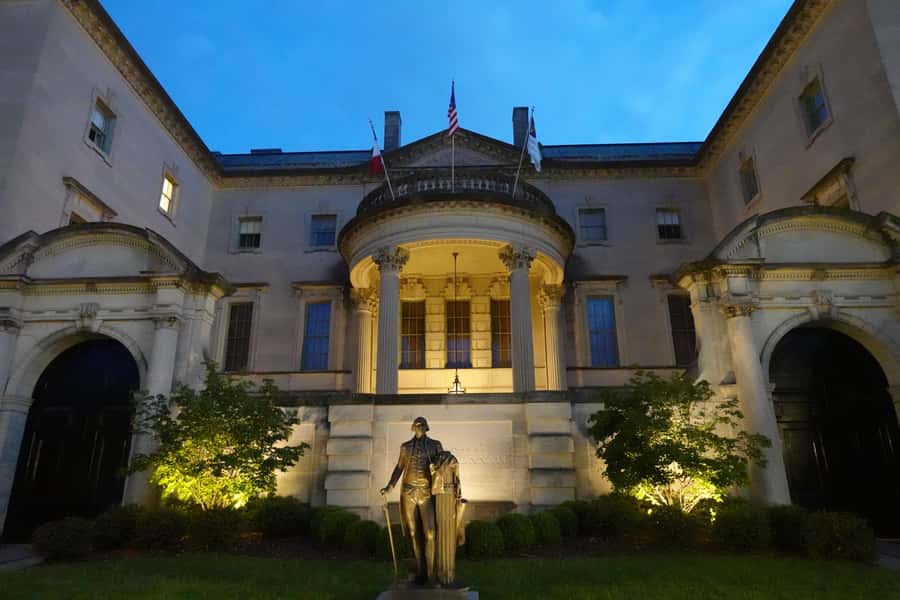
The Larz Anderson House stop is where the tour ties everything back to Embassy Row. The guide brings up the intricate rules of the Social Season and explains how etiquette could make or break you—down to the language mistakes that might ruin your reputation.
This is also where I think the tour works best for first-time visitors. Embassy Row can look like a list of impressive buildings. On this tour, you learn to treat them like social signals. Who built what, what the setting suggests, and how the diplomatic world used those spaces to create credibility.
You’ll walk away with a practical mental model: architecture is not only about design. It’s about performance. The “rules” you hear aren’t abstract either. They’re the operating system behind invitations, dinners, and the hard-to-earn right to be in the room with the people who counted.
Expect some standing and looking. If you want the full benefit, keep your phone put away for the first minute or two at each stop. Let the guide point out what matters, then take photos once you’ve got the idea.
Finishing at Dupont Circle North Metro: how to keep the day rolling
The tour ends at Dupont Circle North Metro Station. I like this because it’s easy to build the rest of your day. If you’re using Metro, you won’t need to figure out a complicated return plan.
Once you wrap up, I suggest you do one quick self-guided loop on your own—just a short walk around the circle. After the tour, you’ll start noticing how the neighborhood’s visual cues reinforce the social story you just heard. That’s the trick with good walking tours: the best part often starts after the last stop.
Also, think about what you want next. If you’re the type who likes history beyond the highlights, you can add time in the surrounding area. If you’re more into architecture and photos, you’ll have enough context now to pick what to revisit.
Price and timing: getting value from a 90-minute walk
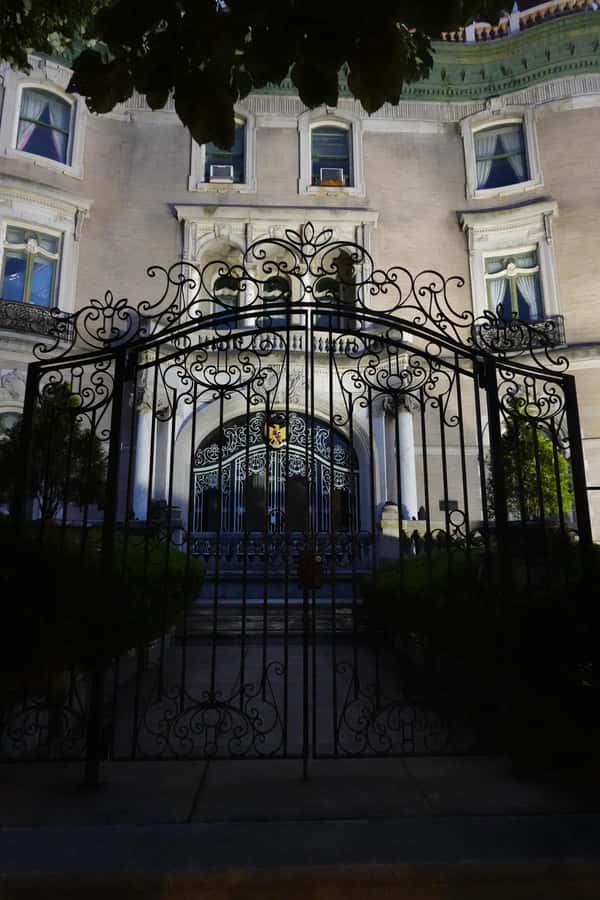
At $59 per person for 90 minutes, this isn’t a throwaway add-on. It’s priced like a focused, guided experience, and that’s fair for a tour with multiple curated stops and story-heavy content.
Here’s how I judge the value for you:
- You get a trained guide who explains symbolism and social rules, not just directions.
- The route includes major named stops connected to Washington elite life, so your time feels used.
- You’re not paying extra for drinks; in fact, drinks are not included, which means you control what you spend.
If you enjoy walking tours that teach you what to look for, the price makes sense. If you prefer long, quiet museum-style pacing, you might find 90 minutes a little short. But as a concentrated introduction to Dupont Circle’s Gilded Age “status machine,” it’s a solid use of time.
Who this tour is best for
This tour suits you if you like any of these:
- You’re curious about Washington DC beyond monuments—how society, diplomacy, and money shaped the city.
- You enjoy architecture with explanation, especially when symbolism is involved.
- You like story-driven history that includes both etiquette and surprising incidents.
It may be less ideal if you want child-friendly content, since it’s not suitable for children under 13. It also helps if you can handle rain or shine with comfortable shoes, since the tour runs in all weather.
If you’re traveling solo, it can still work well because the guide’s job is to connect the stops into one story. If you’re with friends, it’s also easy to discuss what you learned—because the social rules and mansion stories are specific enough to spark conversation.
Should you book this Gilded Age DC tour
Yes, you should book it if you want a guided, story-rich walk that helps you interpret Dupont Circle and the Embassy Row feel, not just see it. The tour’s best strength is that it links places—fountain symbolism, the Heurich House reputation, the Anderson Way and Society of the Cincinnati, and Patterson Mansion’s dramatic stories—into one clear picture of how status worked in the Gilded Age.
You might skip it if you don’t enjoy walking tours or if you need long stops to absorb details at your own pace. But for most visitors, 90 minutes is just enough time to go from sightseeing to actually understanding what the neighborhood was built to broadcast.
FAQ
How long is the Gilded Age DC walking tour?
The tour lasts 90 minutes.
What is the price per person?
The price is $59 per person.
Where does the tour start, and what’s the address?
The guide meets you at 1921 Biergarten at the Heurich House, 1307 New Hampshire Ave NW, Washington DC 20036.
Where does the tour end?
The tour finishes at Dupont Circle North Metro Station.
What language is the tour guide?
The tour is guided in English.
Is the tour wheelchair accessible?
Yes, the tour is wheelchair accessible.
Does the tour run rain or shine?
Yes, it runs rain or shine.
Is the tour suitable for children?
It is not suitable for children under 13.
Are drinks included in the tour price?
No, drinks are not included.
What are the cancellation and pay-later options?
You can cancel up to 24 hours in advance for a full refund, and you can reserve now & pay later.