REVIEW · WASHINGTON DC
DC Monuments Small Group Guided Night Tour 3 Hours
Book on Viator →Operated by Heart of DC Tours · Bookable on Viator
DC looks best after dark. This 3-hour small-group loop hits the big monuments in a smart order, with time to pause and photograph lit-up landmarks instead of sprinting from one spot to the next. I especially like the small group size (max 12) and the built-in audio for each stop, which helps you make sense of what you’re seeing without needing to be a DC history buff.
Two things I’d put near the top of my list: first, you get real chances to ask questions and course-correct your viewing plan while your guide keeps the pacing relaxed. Second, you’re not stuck staring out the window—there’s free time at every major stop so you can stretch, reposition for photos, and actually take in memorial details. That said, it’s a night tour, so weather and cold can change how comfortable those short walks feel.
If you want a mostly seated, low-walking experience, this may feel like too much time standing and moving at stops. But if you’re okay with a moderate pace and you pack for the evening temperature, the payoff is huge: you’ll see DC’s most famous landmarks glowing in the dark, with just enough structure to keep it stress-free.
In This Review
- Key points to know before you go
- Start at One CityCenter: timing, ride comfort, and the 7:00 pm plan
- Small-group nights: why the pace feels calm instead of rushed
- Thomas Jefferson Memorial, Ford’s Theatre, and the White House after dark
- World War II, Iwo Jima, and MLK: memorials that hit hardest at night
- Vietnam Veterans Memorial, Lincoln Memorial, and the Korean War memorial wall
- U.S. Capitol exterior views: short, iconic, and photo-ready
- Price and value: what $89 buys you in 3 hours
- What to bring: headphones, layers, and photo-ready basics
- Who this DC monuments night tour is perfect for
- Quick practical FAQ
- FAQ
- What time does the tour start, and how long is it?
- Where is the meeting point?
- How large is the group?
- What’s included in the price?
- Do I need to bring headphones for the audio?
- Are admission tickets included for every stop?
- Should you book this DC monuments night tour?
Key points to know before you go
- Max 12 people means less crowd pressure and more time to ask your guide questions
- Audio link at each site helps you understand what you’re seeing without extra research
- White House photo time from classic angles like the Ellipse, when it’s lit up at night
- Free time at every stop to reposition for photos and stretch your legs
- Air-conditioned vehicle + bottled water keeps the ride comfortable as the weather cools
- Handy night add-ons like flashlights can make it easier to read or photograph after dark
Start at One CityCenter: timing, ride comfort, and the 7:00 pm plan
This tour runs in the evening, starting at 7:00 pm and lasting about 3 hours. You meet at One CityCenter (850 10th St NW), and the tour ends back at the same meeting point, which keeps things tidy if you’re trying to plan dinner afterward.
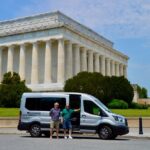
You’ll travel by air-conditioned vehicle, and the essentials are handled: bottled water comes with you. That matters more than you’d think. Even in cooler months, you’re out and about, then back on a van, then out again—water and AC help you stay focused on the stops instead of on basic comfort.
Also note the “don’t over-pack your bag” idea: you’ll be stopping frequently, walking short distances, and taking photos. Plan to dress for the evening and be ready for quick outdoor moments, not long museum-style stays.
You can also read our reviews of more guided tours in Washington DC

Small-group nights: why the pace feels calm instead of rushed
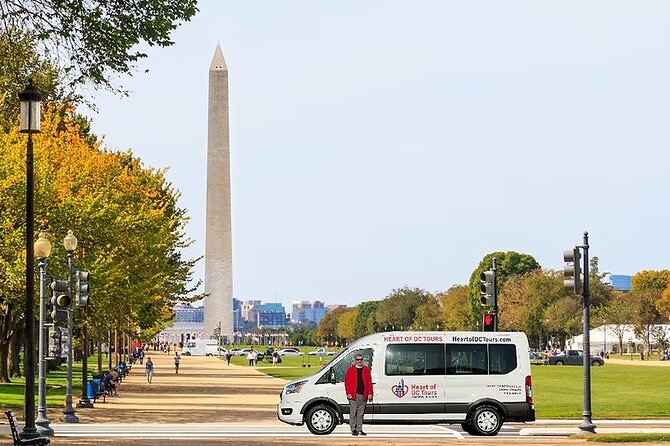
The headline here is the small group size: up to 12. That changes everything. On a big bus tour, you often feel like you’re part of a moving line. With this setup, the guide can give clearer instructions, answer questions without shouting, and adjust the timing when a photo spot fills up or a curbside stop is crowded.
From the way the tour is designed, you’re meant to have a rhythm: arrive, get a tight orientation, then have time to explore and take photos before you move on. The result feels more like a guided stroll through the city’s highlights than a nonstop drive-by.
Your guide also plays an important role in how enjoyable the tour feels in the cold or light rain. In past departures, guides have kept the tone easy to follow and helped the group stay on track with clear meeting points after each stop. If you’re the type who asks “wait, what am I looking at?” this tour fits you well.
Thomas Jefferson Memorial, Ford’s Theatre, and the White House after dark
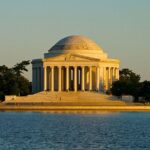
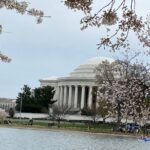
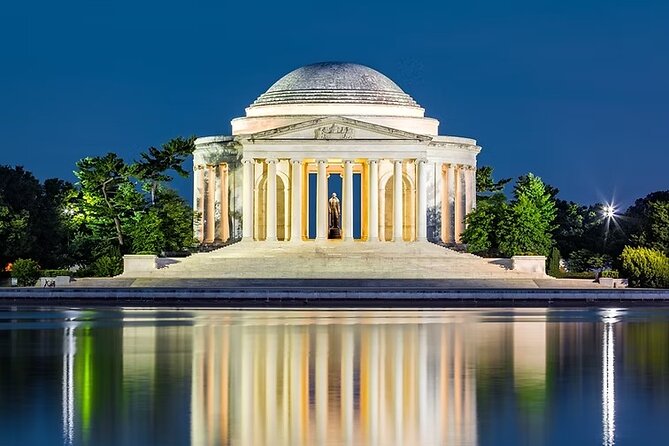
The itinerary starts with Thomas Jefferson Memorial by the Tidal Basin area. Outside, it’s an instant-feel building: the neoclassical look, the calm setting, and the sense of space that makes night photos come out cleaner. You also get a chance to focus inside—there’s a towering Jefferson statue and excerpts from his writings that frame what the memorial is really trying to say.
Even if you’re not there for cherry blossoms, this opening stop sets the tone: DC’s founding ideals, expressed in stone and proportion. It’s a good place to reset your brain before you move into the theater and the White House zone.
Next is Ford’s Theatre. It’s a different vibe—more intimate, more story-driven, and very photogenic at night. The red brick façade and ornate details read beautifully after dark, and the street energy outside makes it a solid “DC postcard” moment. This stop is also one of the best opportunities to ask your guide how the landmark fits into the larger national narrative.
Then comes the headline stop: the White House. You get time for exterior photos, with a chance to work angles from spots like the Ellipse. The White House at night is one of those scenes that doesn’t need explanation—it just looks important, because it is. The real value is that you’re not stuck at one spot. You can reposition and experiment, instead of watching others move while you’re stuck in the back of a large group.
One practical note: the tour lists admission tickets for this stop as not included, but since this is primarily an exterior viewing experience, you’re mainly paying for the guide, the timing, and the access to photo-friendly angles during the dark hours.
World War II, Iwo Jima, and MLK: memorials that hit hardest at night
After the White House, the tour shifts into memorials with heavier emotional weight. The advantage of doing this at night is pacing. By the time you arrive, you’ve had a few easy wins (photos, architecture, city landmarks), so the reflective stops land without feeling like a sudden emotional wall.
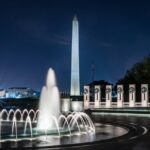
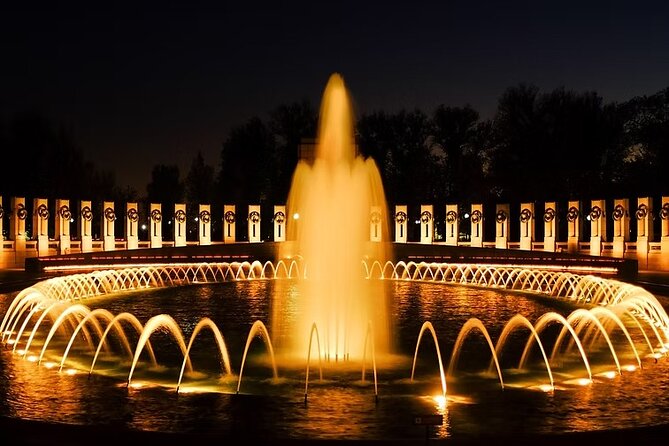
First up is the World War II Memorial. The design is bold and easy to understand in person: 56 pillars representing the U.S. states and territories, placed with a strong relationship to the Reflecting Pool and the Lincoln Memorial area. At night, the lighting helps the shapes read clearly, and the fountains and mosaics create an extra layer of atmosphere. It’s one of those places where you can take photos, but you’ll probably pause longer than you planned, because the scene naturally slows you down.
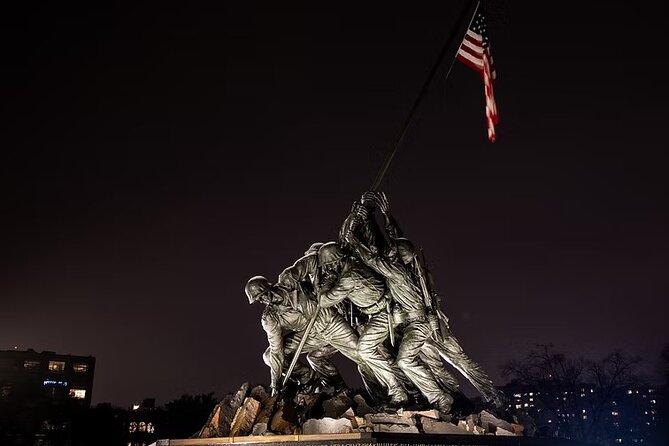
Then you’ll see the U.S. Marine Corps War Memorial, commonly associated with the Iwo Jima Memorial. The iconic flag-raising statue is unforgettable even from a distance. The surrounding park feel helps too—this isn’t just a dramatic sculpture; it’s set up for reflection, and the night lighting makes the contrast between stone and sky sharper.
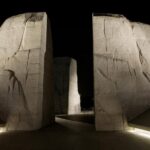
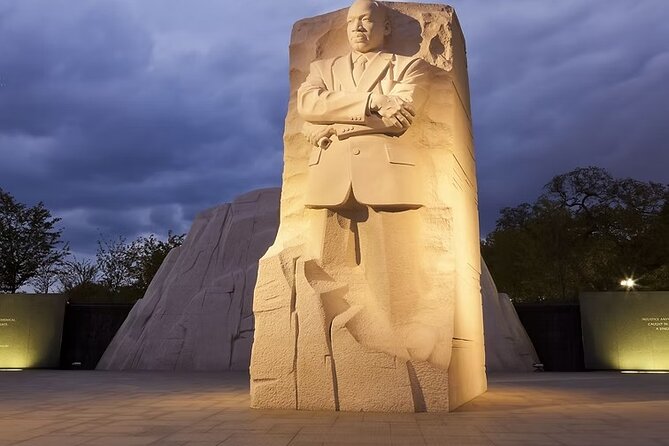
After that comes the Martin Luther King, Jr. Memorial. This stop stands out in a quieter way. The 30-foot statue and the surrounding stone/quote layout are meant to encourage reading and thinking, not just photographing. At night, that works well because the atmosphere is calmer. You can look, then take a breath, then look again.
This is a great section for people who want more than trivia. If your guide gives you context while you’re standing there, the memorials stop being random names and start connecting into a single story about civil rights, sacrifice, and how the country remembers itself.
Vietnam Veterans Memorial, Lincoln Memorial, and the Korean War memorial wall
This part of the tour is where DC often becomes personal, fast.
First is the Vietnam Veterans Memorial. The main element is the black granite wall with inscriptions of names. At night, that reflective surface can make the wall feel even more concentrated. The stop is long enough for you to walk along the names and search for what matters to you, rather than just snapping one quick photo and moving on.
You’re also near additional commemorations—the Three Servicemen Statue and the Vietnam Women’s Memorial area. Even if you only skim those, the idea is clear: the Vietnam experience isn’t reduced to a single moment.
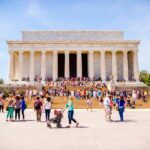
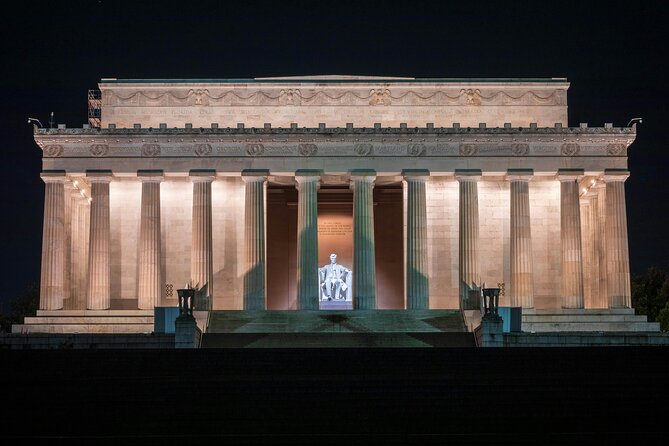
Next is the Lincoln Memorial. You’ll get time at one of the most iconic photo backdrops in the U.S.—Lincoln’s statue, the classical architecture, and the columns that represent states at his death. The steps add extra meaning, too, since they connect to Dr. King’s historic speech setting. Night lighting makes the structure look warmer and more monumental, and it’s easy to find a few different angles if you’re willing to walk 2–3 minutes between viewpoints.
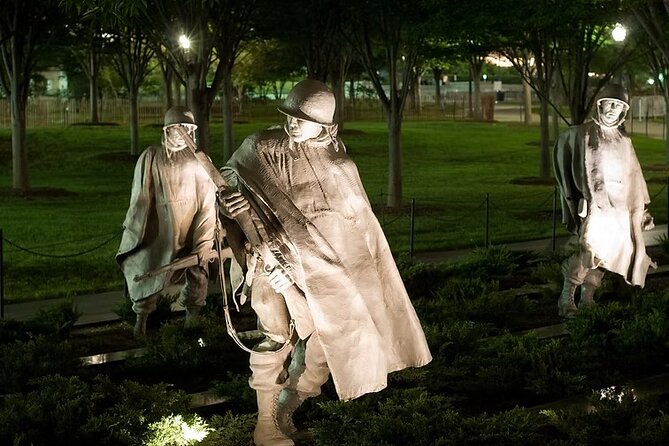
Finally, you’ll see the Korean War Veterans Memorial. The design here is different from Vietnam: stainless steel soldier statues set against a black granite wall that reflects the shapes and presence. The juniper plantings help soften the scene. The result is a memorial you can experience quietly, with enough time to pause without feeling like you have to perform your emotion for the camera.
You can also read our reviews of more evening experiences in Washington DC

U.S. Capitol exterior views: short, iconic, and photo-ready
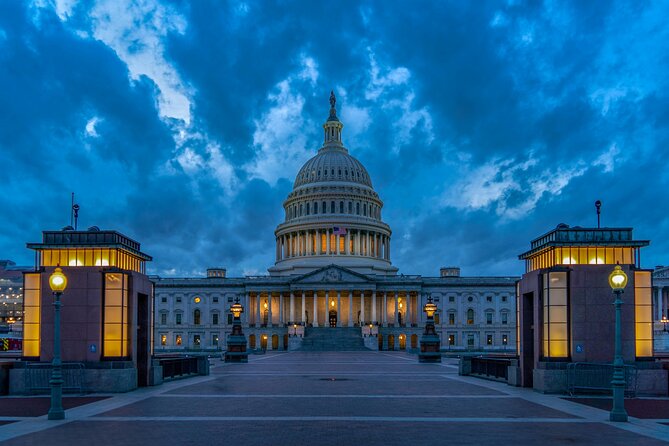
The tour closes with the U.S. Capitol exterior, specifically the west side. This stop is shorter—about 10 minutes—but it’s chosen for a reason: the dome and neoclassical details photograph well at night, and the surrounding garden/reflecting area context gives you an easy frame.
Since admission tickets are listed as not included here, treat this as an exterior-photo finish line. You’ll still have enough time to capture the dome and get a couple of angles before you’re back on the move.
It’s a good way to end the tour because it ties the story together: you started in the founding ideals zone, worked through war remembrance and civil rights, and then return to the seat of government—lit up and visible from multiple viewpoints around the city.
Price and value: what $89 buys you in 3 hours
At $89 per person for about 3 hours, the key question isn’t just what you see—it’s how you see it.
Here’s why the price can feel fair:
- You cover a lot of major monuments without coordinating traffic, parking, and logistics across wide DC distances.
- You get a small group rather than a large bus crush. For night photography, that matters.
- The tour includes an audio link for each site, so you’re not left guessing what the monument design is trying to say.
- Comfort is included: air-conditioned vehicle plus bottled water.
In practice, this is the kind of tour that pays off most when you want to be efficient. If you’re short on time (or you’re juggling museums and meals during the day), a focused night loop is a smart way to tick off the big hits with minimal stress.
One more value point: the tour is often booked around 21 days in advance on average, which suggests popular dates fill up. If you have a specific evening in mind, booking earlier can help you lock in your time.
What to bring: headphones, layers, and photo-ready basics
The tour includes the audio link for each site, but earbuds/headphones are not included. That means you should bring your own headphones (wired or wireless). If you rely on the phone’s speaker, you’ll likely struggle in wind or traffic noise.
Also plan for cold nights. The tour involves short walks and time outside at each stop. In past departures, groups have leaned on night-friendly support from the guide, including helpful extras like flashlights at certain points. Even if you’re provided something on the day, it’s still smart to bring a small flashlight or just ensure your phone light is charged.
Practical photo advice:
- Charge your phone before you start.
- Wear shoes you’re comfortable standing in for 10–20 minutes at a time.
- If you’re bringing a camera, bring a strap and keep it controlled. Crowds are smaller than typical bus tours, but you’ll still be sharing tight outdoor spaces.
Finally, the vehicle ride may be comfortable, but WiFi isn’t included, so don’t plan on loading maps or streaming during the tour.
Who this DC monuments night tour is perfect for
This tour fits you best if you want:
- A guided, low-stress way to see DC’s top monuments after dark
- Enough time at each stop to take photos and ask questions, not just pose in front of a landmark
- A setup that balances heavier memorials (Vietnam, Korean War, WWII) with more architecture-and-story stops (Jefferson, Ford’s Theatre, White House)
It also works well for families and couples because the pacing is designed to feel manageable. It may be less ideal if you dislike standing outside at night or you want fewer stops and more time at one site.
Quick practical FAQ
FAQ
What time does the tour start, and how long is it?
It starts at 7:00 pm and runs about 3 hours.
Where is the meeting point?
The meeting point is One CityCenter, 850 10th St NW, Washington, DC 20001.
How large is the group?
The tour has a maximum of 12 travelers, keeping it small-group sized.
What’s included in the price?
The tour includes an audio link for each site, an air-conditioned vehicle, and bottled water.
Do I need to bring headphones for the audio?
Yes. Earbuds or headphones are not included, so you’ll want to bring your own.
Are admission tickets included for every stop?
Most stops note admission ticket free, but the White House stop and the U.S. Capitol stop list admission tickets as not included.
Should you book this DC monuments night tour?
If your goal is to see the main DC monuments lit up, get a guided explanation at each site, and still have time to pause for photos and questions, I think this is a solid buy. The small group size, audio support, and time at every stop make it feel efficient without feeling rushed.
Book it if you’re visiting for a short stay, traveling with mixed interests (architecture, memorials, history), or you’d rather not manage DC logistics after dark. Skip it only if cold weather and standing outside for short stretches will be miserable for you. Otherwise, plan for a calm, well-paced night tour of some of the most powerful sights in Washington.