REVIEW · WASHINGTON DC
Dupont Circle and Embassy Row Architectural Walking Tour
Book on Viator →Operated by DC Design Tours · Bookable on Viator
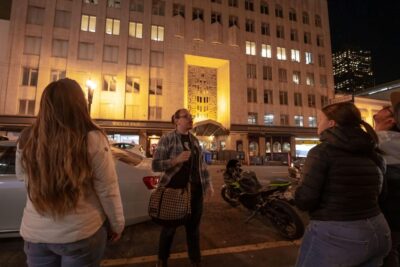
Two hours on foot can change how you see DC. This Dupont Circle and Embassy Row walk pairs classic façades with the people behind them, from socialites to embassies. I love how the tour stays human instead of turning into a textbook, with full narration that makes the buildings feel like characters.
I also love the pace and size. With a small group (max 20) you get personal service and enough time to notice architectural details without feeling rushed. A local guide like Sam, Natalie, and Carolyn is repeatedly praised for storytelling that keeps the walk moving and the facts landing.
One possible drawback: you’re mostly looking at exteriors and the occasional quick stop, so if you want lots of inside access to embassies or mansions, you’ll need to plan other stops separately.
In This Review
- Key Highlights You Should Actually Care About
- Dupont Circle Sets the Tone for Embassy Row
- Embassy Row: When Architecture Becomes a Political Language
- The Indonesian Embassy and the Hope Diamond Connection
- “From Mansion to Embassy”: The Turkey Stop Worth Watching For
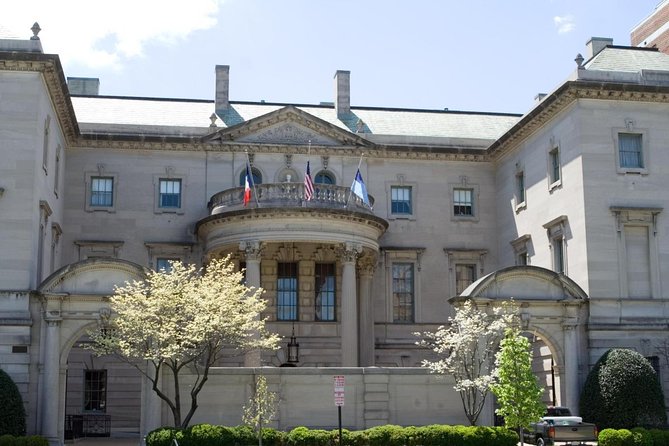
- Anderson House: Patriotic Power Behind an Imposing Exterior
- Sheridan Circle: A Civil War Monument With a Mount Rushmore Designer
- Kalorama and the Greek Meaning of Beautiful View
- Woodrow Wilson’s Home and the Post-Presidency Angle
- The Spanish Steps and the DC Version of European Romance
- The Phillips Collection Finish: Art in a Red-Brick Frame
- What Makes the Guides So Important Here
- Price and Value: Is $48 Fair for Two Hours?
- Practical Tips So You Get the Full Two Hours
- Should You Book This Dupont Circle and Embassy Row Tour?
- FAQ
- How long is the Dupont Circle and Embassy Row architectural walking tour?
- How much does the tour cost?
- Where does the tour start and end?
- What language is the tour offered in?
- Is the tour narrated?
- How large is the group?
- Do I need an admission ticket for the stops?
- What kind of ticket will I receive?
- Is the tour near public transportation?
- What is the cancellation window?
Key Highlights You Should Actually Care About
- Small-group feel (up to 20), so the guide can answer questions as you walk
- Fully narrated route that connects architecture styles to real Washington personalities
- Hope Diamond backstory linked to the Indonesian Embassy
- A mix of US and international power in one compact 2-hour loop
- Stops you might miss on your own, like the Spanish Steps and the Hobbit House art story
- Finish at The Phillips Collection area, with an easy transition to modern art afterward
Dupont Circle Sets the Tone for Embassy Row
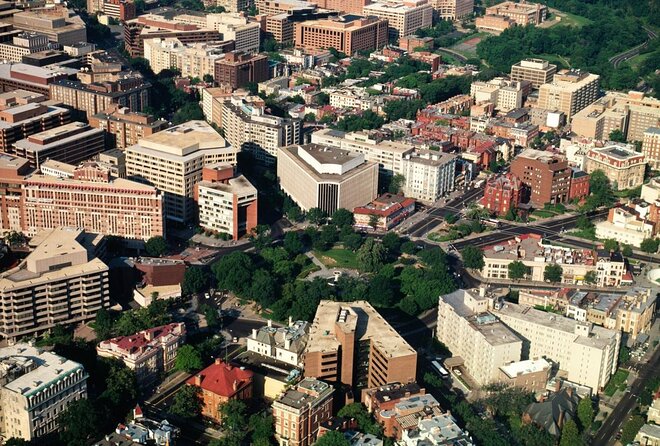
Start at Dupont Circle, where the neighborhood’s energy is on full display but still feels walkable and classy. The circle itself is the reset point for this whole area: a photogenic fountain anchors the space, and the street layout makes it easy to understand why Dupont became a magnet for wealthy DC residents.
This is a smart way to begin because it gives you a local frame. Instead of jumping straight into embassies, you get the “why here” of the neighborhood: social life, political life, and residential prestige all braided together around this kind of central gathering spot.
You’ll also pick up quick wayfinding cues. If you’ve ever tried to explore Embassy Row on your own, you know how fast it becomes a string of impressive buildings with no story. This tour fixes that by building context immediately, then feeding it to you stop by stop.
You can also read our reviews of more walking tours in Washington DC



Embassy Row: When Architecture Becomes a Political Language
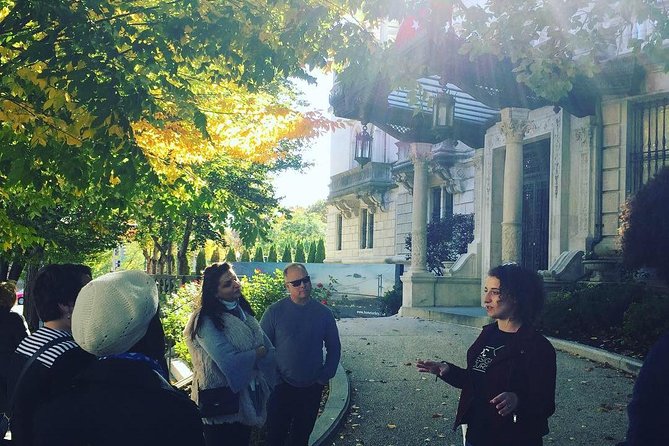
Once you’re moving, Embassy Row turns into a walking lesson in American design styles and how money tried to look permanent.
This part of DC is famous for turning private wealth into public statements. You’ll see properties that stretch across styles like Neo-classical, Beaux-Arts, Queen Anne, and more. The buildings don’t just look different; they signal different eras of ambition. I like that the tour explains what those styles were communicating, not just what they were called.
What I especially like about this stretch is the people connection. You’ll hear stories tied to names like Alice Roosevelt Longworth and Evalyn Walsh McLean, and you’ll also get the sense that Washington’s “elite” weren’t only power brokers. They were also image-makers, collectors, and social performers. That matters because it changes what you notice on the sidewalk. Instead of scanning for the fanciest façade, you start asking: who lived here, what were they trying to project, and why did the neighborhood become a high-stakes stage?
And yes, you’ll pass some well-known social institutions along the way, including the Cosmos Club and the Society of Cincinnati. Even if you’ve never been inside, it helps to understand these places as part of the same ecosystem that produced the mansions and later, many of the embassies.
The Indonesian Embassy and the Hope Diamond Connection
One quick stop can pack a punch here. You’ll spend a few minutes at the Embassy of Indonesia and hear the story behind its opulence—linked to the Hope Diamond.
This is one of those “only in Washington” moments. The tour uses the diamond story not as a trivia throwaway, but as a bridge between glamour and power. It also makes the embassy setting feel more layered. Embassies can look like formal compounds, but they’re often tied to earlier chapters of DC wealth and collecting.
Even if you don’t care about diamonds, you’ll still take away something useful: how Washington’s luxury and international diplomacy overlap in ways you won’t fully catch from a map.
“From Mansion to Embassy”: The Turkey Stop Worth Watching For
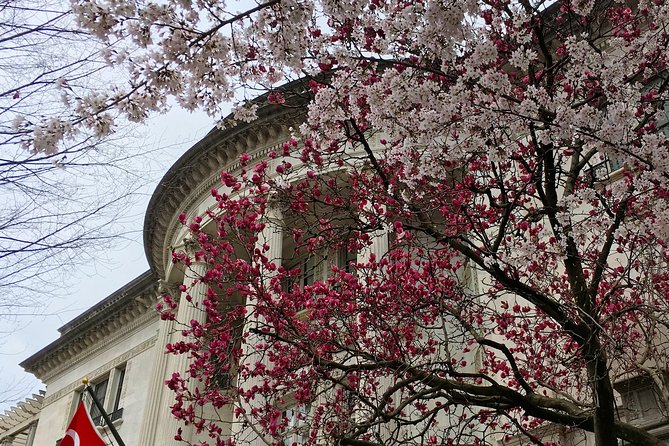
As you continue, you’ll reach the Turkish ambassador’s residence off Sheridan Circle. The setting is described as a gorgeous Beaux-Arts mansion, and one extra story makes the stop memorable: music legend Ahmet Ertegun got his start here.
This is a great example of why a narrated walk beats wandering. You’ll look at a façade and think, fancy. Then the guide adds a personal thread—music history tied to a diplomatic residence—and suddenly the building’s significance expands beyond architecture. That’s what turns a photo stop into a real understanding.
If you’re the kind of traveler who likes “small details that explain big places,” this is one of the moments that will stick with you.
Anderson House: Patriotic Power Behind an Imposing Exterior

Next up is Anderson House, the imposing mansion that once belonged to one of the wealthiest power couples in DC. Today it serves as headquarters for the nation’s oldest patriotic organization.
This stop helps balance the rest of the route. Embassy Row can skew toward foreign missions and social prestige, but Anderson House brings you back to the American side of power: organized patriotism, political networks, and elite influence built into an institutional shell.
Again, you’re not meant to treat this as a quick photo and move on. The narration helps you understand why a building like this would matter—socially, politically, and culturally—even after its original owners are gone.






Sheridan Circle: A Civil War Monument With a Mount Rushmore Designer
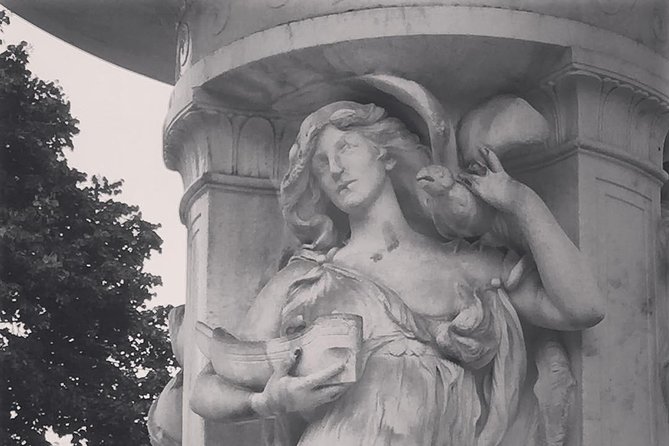
At Sheridan Circle Northwest, you’ll encounter a Civil War monument with an odd backstory—and the tour ties its design to the sculptor behind Mount Rushmore.
This stop is brief, but it’s useful because it shows Washington’s habit of turning national themes into public art with serious symbolism. The guide’s framing helps you notice more than the obvious. You start paying attention to the intent: who commissioned it, what it was meant to signal, and why the city keeps building monuments as statements of identity.
If you’re walking with kids or friends who usually tune out monuments, this is often where the humor and storytelling land. The “why is this here” explanation is the whole point.
Kalorama and the Greek Meaning of Beautiful View
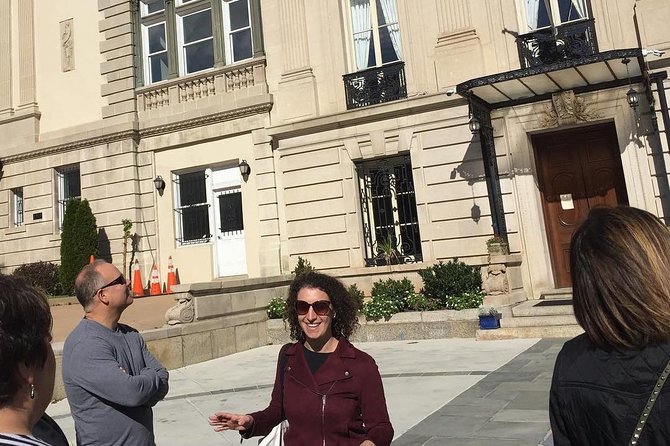
Then the tour shifts into Kalorama, a quieter residential neighborhood off Embassy Row. The name itself comes from Greek and points to the idea of a beautiful view.
Kalorama is a palate cleanser. After a stretch of high-style façades and diplomatic buildings, this area gives you a chance to reset your eyes and slow down. The route spends extra time here (around 15 minutes), which is a gift if you’re the type who likes to notice street scale—front doors, setbacks, and the way homes sit in the landscape.
This segment also helps you understand how Embassy Row isn’t a single theme. DC’s elite didn’t all live on the same street with the same vibe. Some moved toward quieter prestige, and Kalorama shows you the softer edge of that world.
Woodrow Wilson’s Home and the Post-Presidency Angle
The President Woodrow Wilson House comes next. You’ll pass by the former post-presidency home, and the tour notes that admission isn’t included.
I like having this in the route because it prevents a common mistake: treating famous addresses only as “what they look like.” Wilson’s post-presidency home reminds you that leadership changes after the spotlight. The building becomes a stage for the next chapter of influence, not just a monument to the first one.
If you want more than exterior viewing, you’ll need to plan a separate visit. But even with the limited time, the stop does what it should: it grounds the walk in American political life, not only diplomatic theater.
The Spanish Steps and the DC Version of European Romance
One of the more charming surprises on the route is the Spanish Steps. You’ll hear how Washington has its own modest version of the famed European landmark, and the guide frames it as a quiet hidden oasis in the middle of the city.
This is where your walking break becomes more than a pause. The Spanish Steps give you a moment of stillness—an urban exhale. If your group tends to move fast, this kind of stop helps everyone recharge and then return to the architecture walk with fresh eyes.
Also: it’s a reminder that DC’s elite-building culture didn’t only produce formal mansions. It also produced gestures of style and leisure.
The Phillips Collection Finish: Art in a Red-Brick Frame
The tour ends near The Phillips Collection, including a look at the red brick exterior of the museum. It’s described as the first modern art museum in the United States, which makes it a smart final note to this day of visual storytelling.
Ending here works because it gives you a natural “next step.” If you want art after architecture, it’s right there. If you don’t, the area is still easy to transition from, and you’ll already understand why the neighborhood around Dupont Circle and Embassy Row attracts people who care about design.
What Makes the Guides So Important Here
The best part of this tour is the way the guide turns architecture into story.
From Sam’s fast-moving humor to Ellory’s charismatic approach, from Natalie’s mix of architectural facts and visual aids to Christine’s on-the-nose character moments about figures like Alice Roosevelt, the pattern is consistent: the guide doesn’t just name styles. They explain why those choices mattered to the people making them.
If you’re picky about tours, here’s what I’d pay attention to on this one:
- Do they connect buildings to specific lives (not only dates)?
- Do they show you what to look for in façades?
- Do they keep the group moving so you actually see the full route within two hours?
The consistently high ratings make it clear that many guides hit that balance. You might not control your guide, but you can control whether you show up ready to walk, look, and listen.
Price and Value: Is $48 Fair for Two Hours?
At $48 per person for about two hours, this tour sits in the “small cost, big context” category.
You’re paying for two things you can’t easily DIY:
1) a coherent narrative that connects Dupont Circle to Embassy Row and beyond
2) a guide who helps you see architecture as meaning, not just decoration
Because the group stays small and the tour is fully narrated, the value is strongest if you care about understanding what you’re looking at. If you only want a scenic stroll, you could wander on your own. But if you want the story threads—Hope Diamond via Indonesia, the Turkish residence ties, the Spanish Steps, the Hobbit House art mention, and the way mansions became embassies and social institutions—then $48 is a pretty reasonable trade.
In other words: you’re buying orientation plus interpretation.
Practical Tips So You Get the Full Two Hours
This is a walking tour, so plan like it’s a walk, not a museum visit.
- Wear shoes you can keep on for 2 hours on city sidewalks.
- Bring a water bottle and something for weather. The route runs outdoors, and DC can swing from pleasant to miserable fast.
- If you’re a photo person, keep your phone charged. You’ll want pictures at the circle and at major façades.
- If you hate standing still, don’t worry too much. Most stops are short pass-bys, which helps keep energy up.
And here’s a smart move: look at each building’s style, then listen to the guide explain who chose it and why. That one habit makes the route feel like a guided “compare and contrast” lesson you’ll actually remember.
Should You Book This Dupont Circle and Embassy Row Tour?
I’d book it if you want DC to make sense fast. This is ideal for first-timers who already like history, architecture, and the human stories behind power, and it’s also a great second-time DC activity if you’ve already seen the big landmarks but haven’t learned how neighborhoods like Dupont became diplomatic and elite corridors.
You might skip or pair differently if your top goal is entering embassies or touring interiors for long stretches. This walk is about what you can see from the sidewalk, plus the backstory that fills in what you can’t enter.
If you do book, go in expecting a focused 2-hour narrative walk: Dupont Circle to Embassy Row, a handful of key embassy and mansion stops, a few DC oddities (like the Spanish Steps and the Hobbit House art tie), and a clean finish near The Phillips Collection.
FAQ
How long is the Dupont Circle and Embassy Row architectural walking tour?
It lasts about 2 hours.
How much does the tour cost?
The price is $48.00 per person.
Where does the tour start and end?
It starts at Dupont Circle, Washington, DC 20036, and ends at The Phillips Collection, 1600 21st St NW, Washington, DC 20009.
What language is the tour offered in?
The tour is offered in English.
Is the tour narrated?
Yes, it is fully narrated.
How large is the group?
The tour has a maximum of 20 travelers.
Do I need an admission ticket for the stops?
Most stops are listed as admission free. The President Woodrow Wilson House is noted as admission not included.
What kind of ticket will I receive?
You’ll get a mobile ticket.
Is the tour near public transportation?
Yes, it is near public transportation.
What is the cancellation window?
Free cancellation is available up to 24 hours in advance for a full refund. If you cancel less than 24 hours before the start time, the amount paid is not refunded.