REVIEW · WASHINGTON DC
Little Ethiopia Food Tour
Book on Viator →Operated by Food Tour Corporation · Bookable on Viator
Life is better with bread in your hand.
This Little Ethiopia Food Tour turns Washington DC’s U Street and Shaw neighborhoods into a guided food crawl, with tastings that go beyond what most people order off a menu. I like that the tour is built for the adventurous eater, including hole-in-the-wall style stops, plus stories that connect food to the neighborhood’s lived experience and pride. You also get a more personal pace thanks to a small group size.
Two things I especially like: you’ll try a full set of Ethiopian flavors—think lentil appetizers, homemade breads, and the Ethiopian national dish—and you’ll also get a coffee ceremony rather than treating coffee like an afterthought. Another plus is the guide storytelling; one guide named Christian stood out for pairing food facts with neighborhood context in a way that felt practical, not lecture-y.
One consideration: the walking between restaurants can take time, so wear shoes you trust. If you’re sensitive to long stretches on foot, plan for a slower rhythm during the route and expect the day to be active even though it’s only about 3 hours 30 minutes.
In This Review
- Key highlights you’ll actually feel
- Little Ethiopia on U Street and Shaw: The best reason to take this tour
- Price and value: $71 for tastings plus a guide escort
- Timing and format: a 3.5-hour food walk with a small group
- The route experience: where Stop 1 sets the tone
- Stop-by-stop food breakdown: what you’ll likely taste
- Traditional breakfast-style tastings
- The Ethiopian national dish
- Deep fried lentil appetizers
- Fresh cottage cheese and homemade breads
- Traditional meat and vegetable dishes
- Hand-made hot sauces and spice blends
- Coffee ceremony
- Dessert with Italian influence
- The guide factor: why Christian-style storytelling adds real value
- Walking reality: how to make the 3.5 hours feel comfortable
- Dietary needs: the one thing to handle early
- Who should book this Little Ethiopia Food Tour?
- Should you book this tour?
- FAQ
- How long is the Little Ethiopia Food Tour?
- How much does the tour cost?
- What food is included in the tour?
- Are drinks included?
- Where do I meet the tour?
- What time does the tour start?
- How large is the group?
- Can the tour accommodate allergies or dietary restrictions?
- What is the cancellation policy?
Key highlights you’ll actually feel
- Multiple tastings included: you’re not paying separately for each dish you try
- Coffee ceremony on the itinerary for a full Ethiopian food experience
- U Street and Shaw focus: you’re walking through one of DC’s most important Ethiopian food corridors
- Small group size (max 12) for an easier pace and more interaction
- Handmade sauces and spice blends so you learn what you’re tasting, not just that it’s good
- Hole-in-the-wall style stops that prioritize food over fancy décor
Little Ethiopia on U Street and Shaw: The best reason to take this tour
Washington DC’s Little Ethiopia isn’t a museum. It’s a working neighborhood with restaurants where people go because the food is dependable. That’s why I like this tour’s location choice: it keeps you in the heart of U Street and Shaw, where the community’s food culture has long been front and center.
You also get more than “eat here, then eat there.” The tour is framed around the idea that restaurants are tied to hard work, perseverance, and community pride. That context changes how you taste—especially when you start noticing how breads, sauces, and spices work together as a system.
And since the route is centered on 19th-century neighborhood streets, you’re walking through a part of DC where architecture and local story matter, even if you only catch quick snapshots between tastings.
You can also read our reviews of more food & drink experiences in Washington DC


Price and value: $71 for tastings plus a guide escort
At $71 per person, this isn’t a cheap snack-and-wander. But it’s also not priced like a restaurant dinner where you’re paying for the whole meal plus drinks.
What you’re buying is structure: food tastings plus a tour escort/host. Since the tastings are included, you can think of the price as covering multiple dishes across several stops, with guidance that helps you understand what you’re eating and why it matters in Ethiopian cuisine.
Do note what’s not included: drinks are not included unless specified. If you like bottled soda, juice, or alcohol with food, budget extra. For many people, the included tastings are enough to justify the cost—especially because the tour includes items that aren’t always ordered together on your own.
Another value point: this is typically booked about 39 days in advance on average. That’s a quiet hint it’s popular, so booking earlier usually gives you more options.
Timing and format: a 3.5-hour food walk with a small group
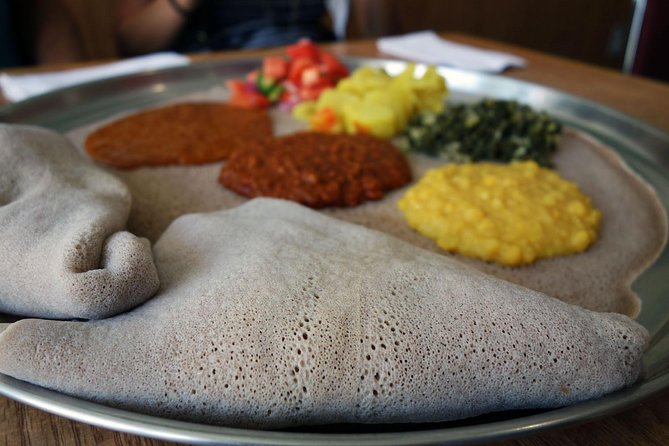
The tour runs about 3 hours 30 minutes and starts at 10:30 am. It includes a meal-like sequence—breakfast-style items, savory dishes, and dessert—so you’ll want to treat the morning like a planned eating window, not a quick bite between appointments.
The group size is capped at 12 people and you’ll use a mobile ticket. That small setting matters because Ethiopian food often lands best when you can ask questions about how dishes are built—especially breads, sauces, and spice blends. A smaller group also helps with pacing when you’re moving between locations.
The tour operates in all weather, so dress appropriately. If it’s hot, plan for shade stops and water breaks between tastings. If it’s rainy, wear shoes that grip well—because you’re likely to be on sidewalks for stretches.
The route experience: where Stop 1 sets the tone
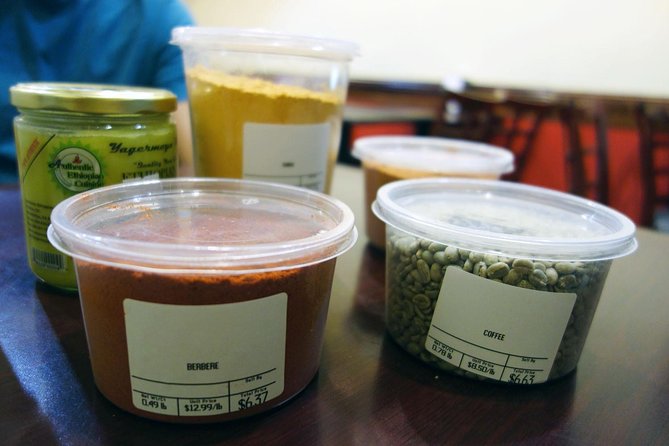
The tour begins at the meeting point near the U Street/African-Amer Civil War Memorial/Cardozo area (1240 U St NW, Washington, DC 20009). From there, the first moment is about getting your bearings and getting into the rhythm of the walk.
Stop 1 is listed with DC Metro Food Tours as part of the start process. Practically, that means you should arrive a few minutes early so you’re not flustered when everyone is ready to move. It’s also where you’ll get the tone of the day: adventurous eating, neighborhood context, and tasting-focused pacing.
After that, you’ll move through the center of Ethiopian life in the historic U Street and Shaw neighborhoods. This is where you’ll start noticing why the tour emphasizes “hole in the wall” spots—some of the best meals in the area are not designed to impress you at first glance. They’re designed to feed people well.
Stop-by-stop food breakdown: what you’ll likely taste
Your tour includes food tastings of multiple Ethiopian dishes. Exactly which restaurants you visit can vary, but the flavor lineup usually follows the specialties below.
You can also read our reviews of more tours and experiences in Washington DC



Traditional breakfast-style tastings
You might start with something breakfast-leaning—an introduction to Ethiopian flavors that doesn’t feel like a random appetizer. Expect a focus on textures and bread pairing since Ethiopian meals often work as a combination, not a single standalone dish.
If you’ve only had Ethiopian food once before, this part can help you reset your expectations. You’re not just tasting one thing; you’re building an understanding of how the meal fits together.
The Ethiopian national dish
You’ll also sample the Ethiopian national dish as part of the included tastings. The point here isn’t only taste—it’s recognition. This dish anchors the meal, so even if your favorites end up elsewhere, you’ll have that “core” flavor to compare everything against.
I recommend slowing down for this one and paying attention to spice level and sauce consistency. Those two details show up again later when you try hot sauces and spice blends.
Deep fried lentil appetizers
Next up is likely deep fried lentil appetizers. These are great on a food tour because they give you a quick hit of crunch and seasoning, and they often pair well with dips or spiced components you’ll see later.
If you’re the type who likes to keep notes—mentally or on your phone—this is a good dish to remember. Lentil-based snacks can vary by place, and you’ll start to see how each stop approaches flavor.
Fresh cottage cheese and homemade breads
You may also find fresh cottage cheese and homemade breads on your route. This combination matters because bread is central to how you eat Ethiopian food, and breads aren’t interchangeable.
The bread on a tour like this is usually your best guide to the day’s authenticity. If the breads are warm, fresh, and clearly made for the meal, it tells you you’ve landed in the right kind of place.
Traditional meat and vegetable dishes
As the tour moves along, you’ll likely get traditional meat and vegetable dishes. This is the “satisfying” section where flavors feel deeper and the meal’s structure starts to make more sense.
Try to take a breath between bites here. The spices can be strong in a good way, and if you rush, you’ll miss how sauces coat food differently.
Hand-made hot sauces and spice blends
One of the most fun elements for people who like to experiment is handmade hot sauces and spice blends. These are rarely just “hot for hot’s sake.” You’ll often taste a mix of heat, tang, and aromatic spice that changes how you perceive the previous dishes.
This is where your questions pay off. If you’re curious about what makes something sweet, smoky, or sharp, ask while you’re still at the stop—because later you may be full and less likely to chase details.
Coffee ceremony
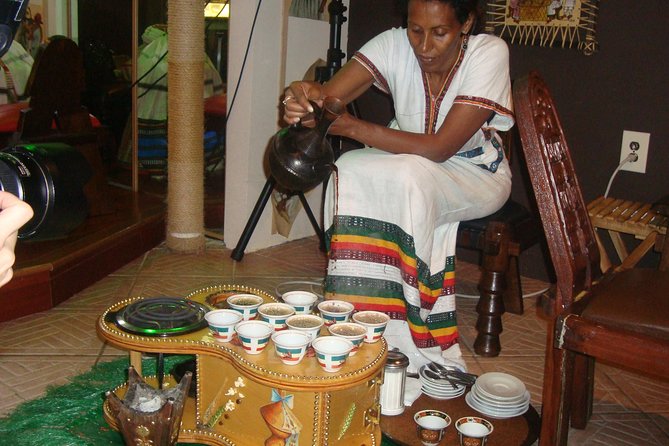
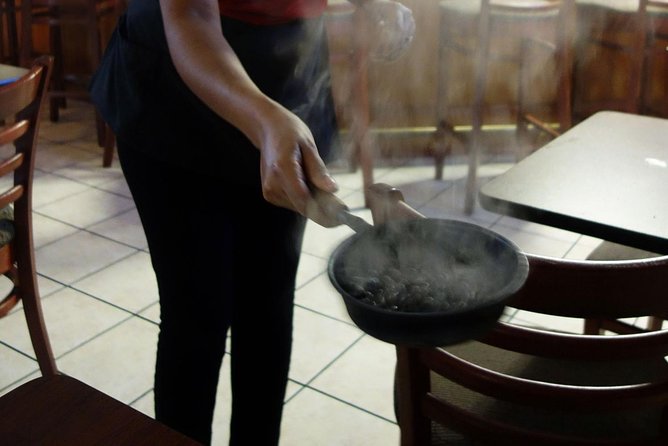
The tour also includes a coffee ceremony, which is a big deal for many Ethiopian food experiences. It’s not just caffeine; it’s part of the way hospitality is offered around a meal.
If you usually pass on coffee tastings, this is a good reason to reconsider. Even if you’re not a coffee person, watch the process and notice how the aroma hits before the first sip.
Dessert with Italian influence
For dessert, you may get Italian influenced desserts. That’s a great contrast to the savory dishes because it shows how food cultures can borrow and adapt without losing identity.
If you’re trying Ethiopian sweets for the first time, this stop can soften the edges. You finish the tour full, not just satisfied by salt and spice.
The guide factor: why Christian-style storytelling adds real value
Food tours can feel like a series of transactions. This one tries to be different by tying the tastings to neighborhood life and the resilience behind the restaurants.
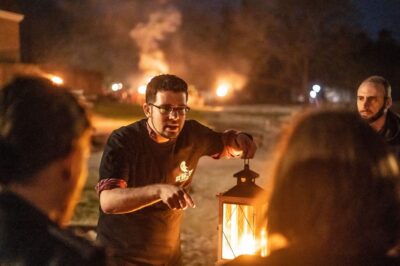
One guide name that showed up in the experience is Christian, noted for being both fun and knowledgeable while keeping the conversation moving. That style matters because it turns the walk into something you can carry with you: you learn how to spot what’s special in a dish, and you also understand why the neighborhood earned its reputation.
Even if you’re not a “history person,” you’ll probably appreciate the stories because they explain why restaurants work the way they do—especially in a community shaped by adversity and success.
Walking reality: how to make the 3.5 hours feel comfortable
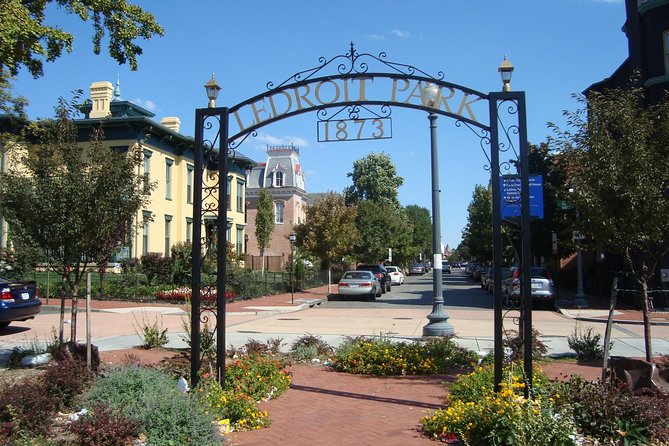
The route includes travel between multiple restaurants, and at times the walk can feel longer than expected. I’d treat comfortable shoes as non-negotiable.
Here’s what helps on a tour like this:
- Plan to snack, not meal-prep. You’ll likely be full by the middle of the tour.
- Keep your water bottle handy if you get thirsty easily.
- Wear layers. The tour runs in all weather, and you’ll be outside between stops.
If you’re someone who hates moving around during food, you might find the pacing a challenge. The upside is you’re also seeing the neighborhood, not just sitting and eating.
Dietary needs: the one thing to handle early
The tour says you should advise any specific dietary requirements at time of booking. It also notes that accommodations can only be made if allergies or restrictions are noted at booking time.
So do this the sensible way: list your restrictions clearly when you reserve, and don’t wait for the day of the tour. This is a food experience, and the whole point of the schedule is tasting multiple dishes.
If you have severe allergies, be extra careful and ask about what’s safe for you based on your stated needs. The data here doesn’t list exact allergen procedures, so the safest move is to communicate early and specifically.
Who should book this Little Ethiopia Food Tour?
This tour fits best if you:
- want multiple Ethiopian tastings in one morning block
- like small-group experiences with a guide who connects food to place
- want to try items like breads, sauces, and coffee ceremony without building a whole plan yourself
- enjoy neighborhoods on foot and don’t mind walking time between stops
You might skip it if you:
- hate walking between locations and prefer a single restaurant meal
- only want one or two dishes and don’t want a full tasting sequence
- can’t accommodate spice or new textures, and haven’t arranged dietary needs in advance
Should you book this tour?
I’d book this if you want an efficient, guided way to taste Ethiopian cuisine in Washington DC’s Little Ethiopia, with a morning route that ends back at the start point and a coffee ceremony plus dessert that rounds the experience out. The included tastings make the $71 price feel more like a package deal than a la carte ordering.
If you’re cautious about walking, go in with the right footwear and a bit of patience between stops. And if you have allergies or strict dietary limits, book only after you’ve clearly stated them.
If that all sounds like your kind of food day, this is a strong choice for experiencing U Street and Shaw through the thing that brings people together first: the meal.
FAQ
How long is the Little Ethiopia Food Tour?
It’s approximately 3 hours 30 minutes.
How much does the tour cost?
The price is $71.00 per person.
What food is included in the tour?
The tour includes food tastings, plus a tour escort/host. The specialties can include traditional breakfast, the Ethiopian national dish, deep fried lentil appetizers, fresh cottage cheese, homemade breads, a coffee ceremony, traditional meat and vegetable dishes, hand-made hot sauces and spice blends, and Italian influenced desserts.
Are drinks included?
Drinks are not included unless specified.
Where do I meet the tour?
You meet at U Street/African-Amer Civil War Memorial/Cardozo, 1240 U St NW, Washington, DC 20009, USA. The tour ends back at the meeting point.
What time does the tour start?
The start time is 10:30 am.
How large is the group?
The tour lists a maximum of 12 people per booking.
Can the tour accommodate allergies or dietary restrictions?
You should list allergies or restrictions at the time of booking, because accommodations can only be made if they’re noted then.
What is the cancellation policy?
You can cancel for a full refund if you cancel at least 24 hours before the experience’s start time. If you cancel less than 24 hours before, the amount paid is not refunded.