REVIEW · WASHINGTON DC
Washington D.C.: Taste of Georgetown Walking Food Tour
Book on GetYourGuide →Operated by Blue Fern Travel · Bookable on GetYourGuide
Georgetown has a way of feeding you stories. This 3-hour walking food tour in Washington, D.C. pairs generous restaurant tastings with the neighborhood’s port-and-people history, all while you’re on foot for about 1.5 miles. You’ll also stop for photos taken by your guide, which makes it easier to remember the details later.
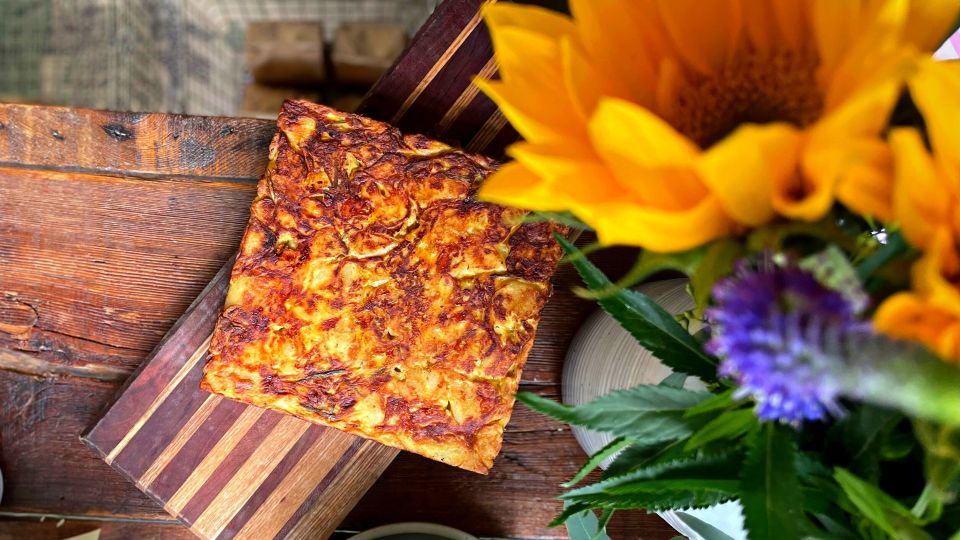
I love how the meal is planned like a lunch you can actually enjoy, not tiny “show-and-tell” bites. You’re looking at multiple tastings—things like canal-side tarts, pizza, olive oil and bread, falafel, and a classic crème brûlée finish.
One thing to plan around: the tour can’t accommodate vegan diets or people with dairy or gluten allergies, so check your needs before you book.
What you’ll remember most
- Lunch-size tastings across several local spots, so you’ll likely skip dinner
- Georgetown history tied to food: port era, flour mills, and the French influence on local taste
- Small group (8 max), which keeps questions and pace realistic
- Photo stops with electronic photos taken by your guide during the walk
- A real charitable link: a portion of your ticket is donated to Bread for the City
- Rain-or-shine walking, so bring weather-appropriate gear
In This Review
- Georgetown Food and History, Done in a Walkable 3 Hours
- Meeting at Green Almond Pantry and Finishing at Brasserie Liberté
- Canal-Side Tarts and Georgetown’s Port Beginnings
- Pizza, Olive Oil, and the Clue That Georgetown Always Mixed Cultures
- Falafel and Family-Style Portions That Actually Feel Like Lunch
- French Influence, Crème Brûlée, and the Port-to-Elite Shift
- Photo Stops and the Small-Group Advantage in Real Life
- Price and Value: Is $129 Worth It for a Georgetown Food Tour?
- Who This Georgetown Tour Fits Best (and Who Should Skip It)
- Should You Book the Washington D.C. Taste of Georgetown Tour?
- FAQ
- How long is the Georgetown Taste of Georgetown Walking Food Tour?
- Where do I meet, and where does the tour end?
- Does the tour run in bad weather?
- What food can I expect to taste?
- Is the tour vegan-friendly, and can it handle gluten or dairy needs?
- Is there a charity component?
Georgetown Food and History, Done in a Walkable 3 Hours
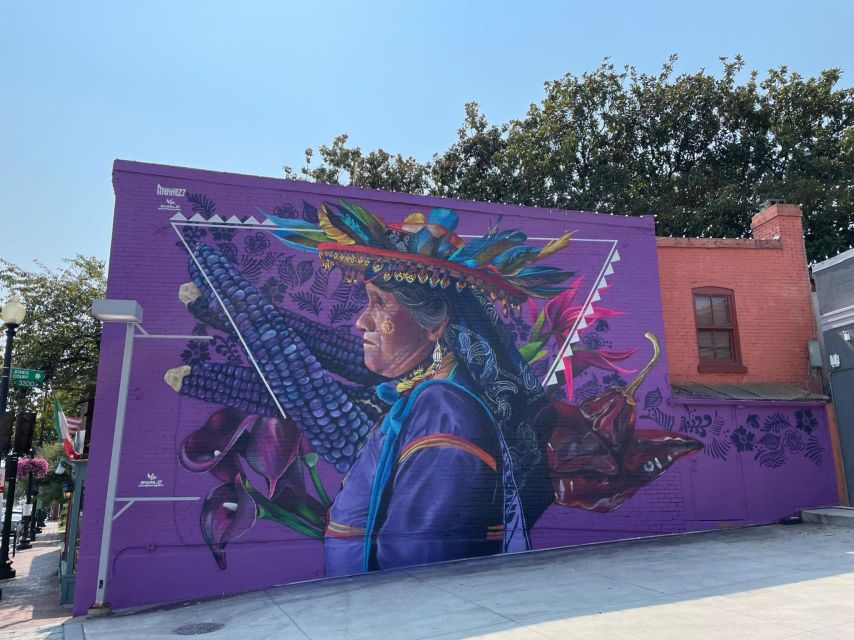
Georgetown is one of those D.C. neighborhoods where the streets feel old even when the storefronts look brand new. What makes this tour work is that it doesn’t treat food as an afterthought. It treats food as evidence—proof of who lived here, what goods moved through here, and how tastes changed over time.
The route is designed for comfort: about 1.5 miles over roughly 3 hours (pace depends on group size). That matters because Georgetown is pretty, but it’s also hilly in spots. This is not a power-walk tour. It’s paced for conversation, questions, and actually looking at what you’re passing.
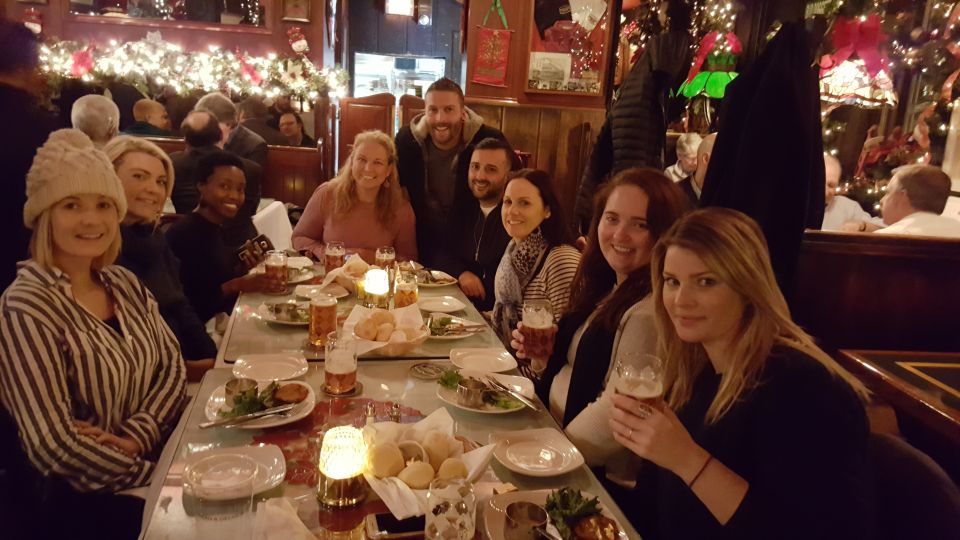
You also get a small-group setup—limited to 8 participants. That number isn’t just for bragging rights. With fewer people, your guide can slow down when something is worth pointing out, like canal-side connections or the reasons French cuisine shows up in this neighborhood’s story.
Meeting at Green Almond Pantry and Finishing at Brasserie Liberté
You meet at Green Almond Pantry, and the tour wraps at Brasserie Liberté. Having a clear start and finish helps you plan the rest of your day. After the last stop, you’re already in the right part of Georgetown to keep wandering, grab coffee, or head toward a museum without feeling like you’ll waste time backtracking.
Your guide also takes electronic photos during the experience. That’s a small detail, but it makes a difference. Georgetown is photogenic, yet you’re walking and tasting. You won’t spend the whole time saying, Someone take our picture. You’ll just get on with it.
The walk is also rain or shine, so you need to show up ready. In practice, that means you should wear shoes you trust. If it’s wet, Georgetown sidewalks can get slick, and you’ll want traction more than you want to “look cute.”
You can also read our reviews of more walking tours in Washington Dc



Canal-Side Tarts and Georgetown’s Port Beginnings
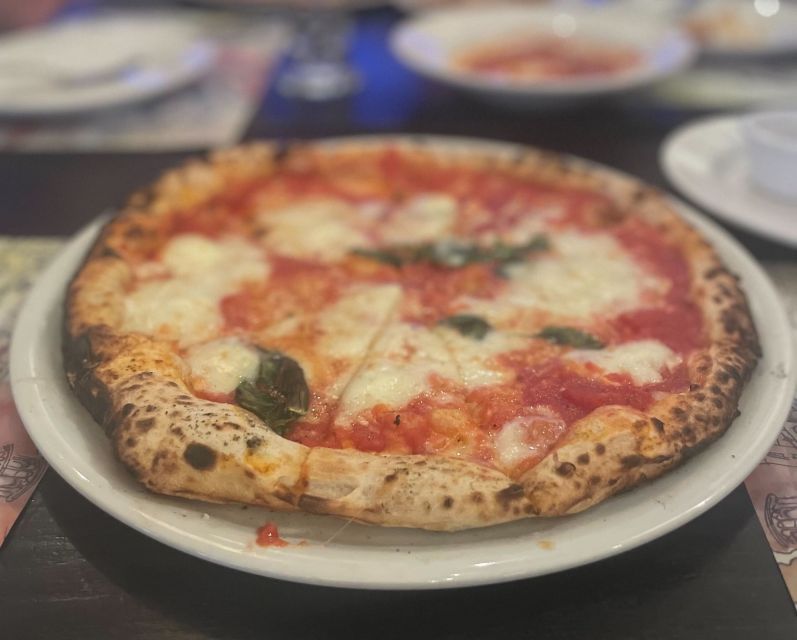
A big part of what you’ll learn comes from how Georgetown used to work as a port. This neighborhood wasn’t just a pretty address. It was tied to trade routes and the movement of goods, including the era when canals helped transport items west. That’s the setup for the first taste: James Beard nominee’s tarts near a canal once used for shipping.
What I like about this kind of ordering is that it gives your senses a timeline. You start with something sweet and delicate—then your guide connects it to the “before” Georgetown phase: ports, labor, milling, and the way food traditions formed when people had to stretch supplies and use what was available.
Even if you’ve visited Washington before, this angle can feel new. Georgetown’s early days were more than a background. You’ll hear how it was once thriving with port activity, including glimpses of the kinds of systems that supported commerce, like mule-drawn boats and flour mills. It turns the neighborhood into a working set of history instead of a static postcard.
Pizza, Olive Oil, and the Clue That Georgetown Always Mixed Cultures
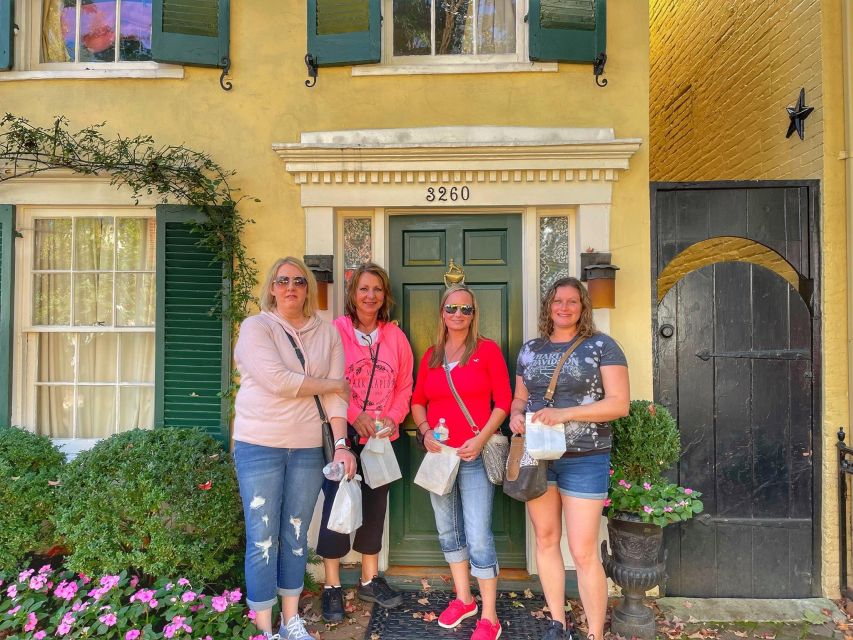
The tour doesn’t just name cuisines. It explains why they ended up here. That’s where the food history becomes useful for you as a visitor: you start noticing that Georgetown’s “refined” image came after waves of real cultural exchange.
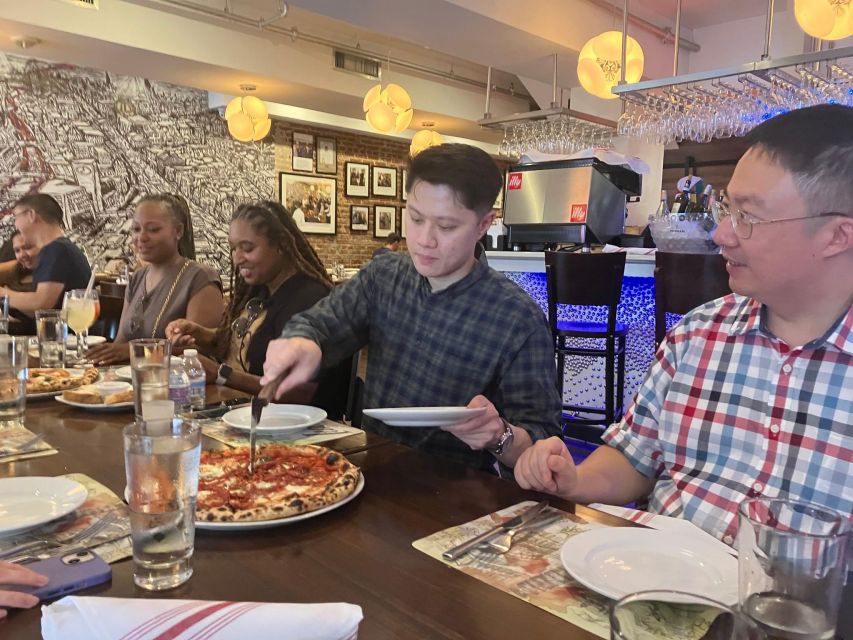
One of the stops features award-winning VPN-style pizza—the kind of place people travel for, not just locals grabbing a quick slice. Pair that with other tastings like gourmet olive oil with fresh baked bread, and you get a clear message: Georgetown has long been a neighborhood where people valued craftsmanship, not shortcuts.
From there, the tasting menu points toward the broader story of Georgetown as a place where people from different continents and many religions lived together. That mix didn’t just create variety in restaurants. It helped shape how ingredients showed up, how cooking styles blended, and how the neighborhood developed a reputation that went beyond politics and government.
If you enjoy travel that teaches you how a place got its taste, you’ll like this part. It’s not just, Here’s food. It’s, Here’s why this food makes sense here.
Falafel and Family-Style Portions That Actually Feel Like Lunch
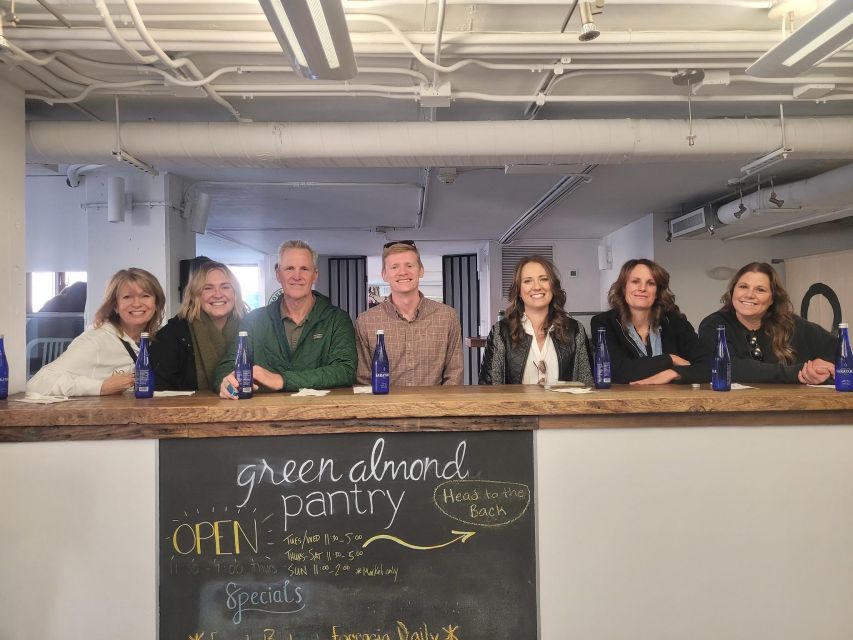
At some point on the walk, you’ll realize this tour isn’t shy about portions. Multiple guides and guests mention that the amount of food is generous, to the point where you may skip dinner later. That’s a big value signal for a paid food tour.
One tasting centers on falafel pita with marinated vegetables and stellar tahini. It’s the kind of stop that helps balance the earlier bites—something savory, filling, and flavorful. The marinated vegetables also do a job beyond taste: they make it easier to understand how Middle Eastern flavors fit into Georgetown’s ongoing food story of migration and adaptation.
Another reason I like this segment is the pacing. After you get your historical framing (ports, flour, canals), the food starts to feel like a natural outcome. You’re not doing museum listening while hungry. You’re eating and learning at the same time.
And yes, you’ll probably have questions. The tour format supports that, especially with only up to 8 people. In Georgetown, many blocks look similar until you learn what to look for. Your guide helps you “read” the neighborhood while you’re actively tasting it.
French Influence, Crème Brûlée, and the Port-to-Elite Shift
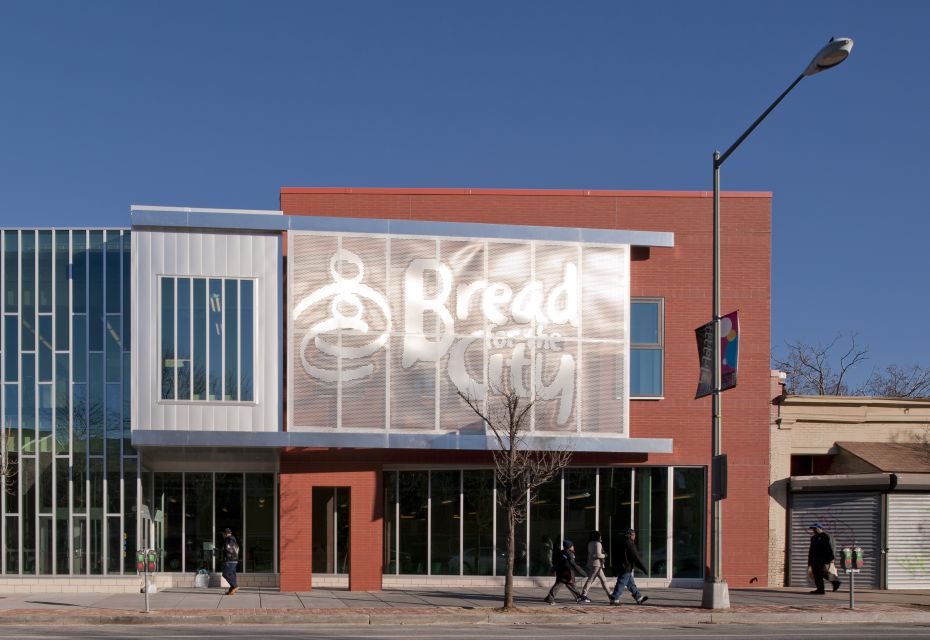
One of the most interesting parts of Georgetown is how it transitions over time—from a working port area into an elite enclave. That shift isn’t a vague idea here. Your guide connects it to changing tastes and the culinary influence of French cuisine.
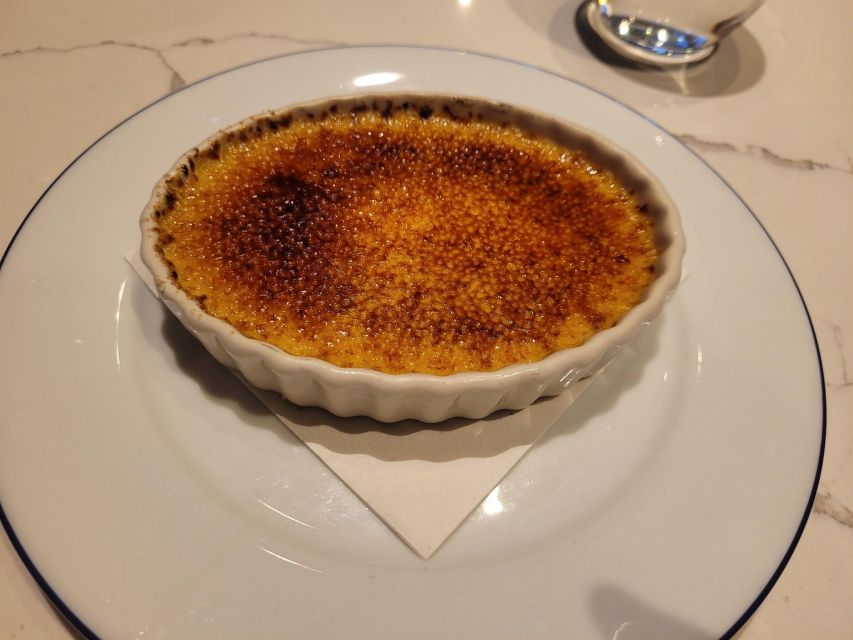
You’ll especially feel that at the dessert stop: crème brûlée. It’s a classic choice for a food tour because it’s recognizable, but the experience is about more than the dessert. It’s about how French culinary influence shows up in the way Georgetown developed its dining identity.
This is also where the “why” behind the neighborhood’s reputation starts clicking for you. Georgetown’s rise as a high-status enclave didn’t erase its earlier life. Instead, it layered on top—so you get the mix: old-world flavors alongside immigrant-driven menus, all within walkable blocks.
That combination is what makes the final flavors stick. It’s not just sweet. It’s a summary in one bite of how Georgetown changed without losing its roots.
You can also read our reviews of more food & drink experiences in Washington Dc





Photo Stops and the Small-Group Advantage in Real Life
I’m picky about tour pacing, because big groups often turn into a shuffle line. Here, small group size (8 max) helps keep the experience human. You aren’t yelling to hear your guide, and you’re not waiting while the whole group catches up at each location.
You’ll also hit photo stops during the walk. That helps you slow down at viewpoints and meaningful corners instead of sprinting through them while everyone eats in motion. Plus, since the guide takes electronic photos, you get a little extra value without needing to play photographer.
From the reviews I’ve read through the years, this tour often turns into a social afternoon for families and mixed ages. People like that it feels personable and that the guide is engaging enough to answer follow-up questions. If you travel with kids, grandparents, or a friend who loves food but hates long lectures, this kind of format tends to work better than a pure history walking tour.
Price and Value: Is $129 Worth It for a Georgetown Food Tour?
At $129 per person, this is not a budget food stop. I’d only recommend it if you’re the kind of traveler who likes to combine food with context, not just sampling a few bites.
Here’s why it can be worth it:
- Multiple tastings across several local restaurants, and they’re described as generous. This isn’t a “taste and tease” setup.
- You get water and a live guide for the duration of the walk.
- There’s built-in historical storytelling that helps you understand Georgetown beyond shopping streets.
- A portion of your ticket supports Bread for the City, linking your experience to local hunger relief.
Also, the tour’s structure matters. You’re paying for time saved: someone else planned the route, arranged restaurant stops, and built a narrative so your meal makes sense in the context of Georgetown’s evolution. If you tried to DIY this on your own, you’d likely spend time choosing stops and still miss the behind-the-scenes connections.
The main value warning is dietary limitations. Since the tour can’t accommodate vegans or people with dairy/gluten issues, you could end up feeling left out if your meal needs are strict.
Who This Georgetown Tour Fits Best (and Who Should Skip It)
This tour is a great fit if:
- You want a full afternoon activity in Georgetown that includes food and story.
- You like variety: savory bites (pizza, falafel), bread and olive oil, and a dessert finish.
- You’re traveling in a small group size or want a tour that doesn’t feel like a crowd-control operation.
It’s less ideal if:
- You need a vegan menu or dairy/gluten accommodations. The tour can’t provide those, so plan accordingly.
- You prefer lighter “snacks only” experiences. This is built to feel like a lunch.
If you’ve got comfortable walking shoes and you’re okay with 3 hours outdoors, you’re in the right zone. If you’re not into walking or hate weather surprises, look for a different style of tour.
Should You Book the Washington D.C. Taste of Georgetown Tour?
I’d book this if your idea of a good day in D.C. is food you’ll actually remember, plus a guided explanation for why Georgetown tastes the way it does. The small-group pace, the focus on multiple tastings, and the way your guide connects the port era and French influence to what’s on your plate make it feel like more than just eating.
Don’t book it if dietary restrictions are a dealbreaker for you—this tour is explicit about limitations. And if you’re a strict budget traveler, $129 may feel steep. But if you want a guided, story-led meal in one of D.C.’s most iconic neighborhoods, it’s a strong value for your time.
FAQ
How long is the Georgetown Taste of Georgetown Walking Food Tour?
It lasts about 3 hours, and the walk covers roughly 1.5 miles.
Where do I meet, and where does the tour end?
Meet at Green Almond Pantry. The tour finishes at Brasserie Liberté.
Does the tour run in bad weather?
Yes. Tours operate rain or shine, so dress for the conditions.
What food can I expect to taste?
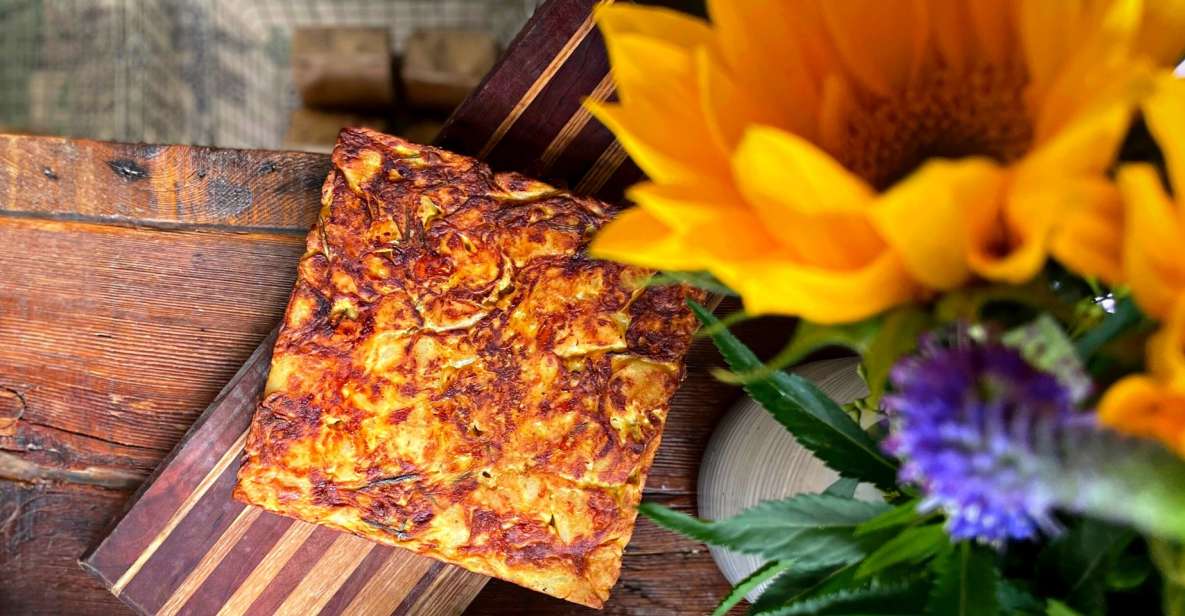
You can expect multiple tastings at local Georgetown restaurants, including items like James Beard nominee tarts, pizza, gourmet olive oil with fresh baked bread, falafel pita, and a crème brûlée finish.
Is the tour vegan-friendly, and can it handle gluten or dairy needs?
No. The tour cannot accommodate vegan diets or people with dairy or gluten allergies (including lactose intolerance).
Is there a charity component?
Yes. A portion of your ticket is donated to Bread for the City.