REVIEW · WASHINGTON DC
Night of Lincoln Assassination: from White House to Ford Theatre
Book on Viator →Operated by DC by Foot · Bookable on Viator
Lincoln’s last hours start right here. This is a 2-hour walking story that connects the White House, downtown landmarks, and the Ford’s Theatre area with historical photos and a licensed guide. I especially like how the tour follows Lincoln’s final day step by step, and how the visuals help you picture mid-1800s Washington. One catch: you stay outside at every stop, and Ford’s Theatre entry is not included.
You’ll meet in the evening at St. John’s Episcopal Church, then head through Lafayette Square and down toward Ford’s Theatre on a route that’s about a mile (1.6 km). It’s a manageable walk, but you’ll be standing on sidewalks and crossing streets in the dark—so plan for cold or rain if DC is in its mood.
In This Review
- Key things I’d plan around (before you go)
- Walking in Lincoln’s footprints, from St. John’s to Ford’s Theatre
- St. John’s Episcopal Church: the best place to orient yourself in 1860s Washington
- Lafayette Square and the row-house backdrop that shaped the story
- The White House area (without going in): Lincoln’s final speech in context
- Downtown “clues”: National Theatre and Old Post Office Pavilion areas
- Ford’s Theatre: the shot, the escape, and the working theatre you can’t ignore
- Petersen Boarding House: where Lincoln was taken after the shooting
- The alley escape route: what to ask, and where you can walk after
- Price and logistics: is $49 a good deal for this kind of night walk?
- Who should book this tour, and who might not
- Should you book it?
- FAQ
- What is the tour duration?
- How much does it cost?
- Where does the tour start and end?
- What time does the tour begin?
- Is Ford’s Theatre included in the ticket price?
- Do you enter any buildings during the tour?
- Is the tour offered in English?
- Is a mobile ticket used?
- How large is the group?
- Can I cancel for a refund?
Key things I’d plan around (before you go)
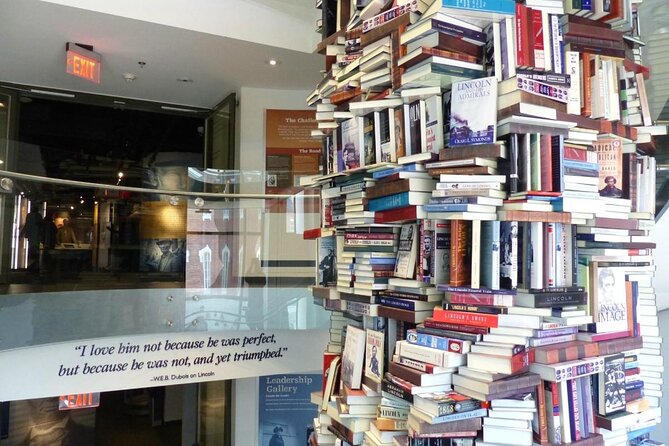
- Outside-only tour: you won’t enter buildings, even when the sites matter most.
- Stories tied to exact places: Lincoln’s last-day locations, plus the routes people used that night.
- Photos used on the walk: the guides bring historical images to the scene so it feels less abstract.
- Ford’s Theatre-area details: you learn where Booth escaped, then you can find the alley afterward.
- Small group size: the tour caps at 15 travelers, which helps questions and pacing.
- Evening timing: it’s designed for a nighttime DC feel when many daytime museums are closed.
Walking in Lincoln’s footprints, from St. John’s to Ford’s Theatre
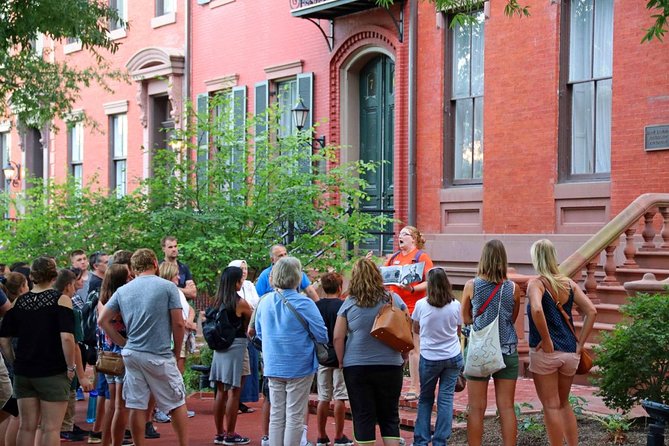
There’s something oddly chilling—and very human—about walking these streets after sunset. Lincoln’s assassination isn’t just a famous moment in a textbook. It’s a chain of choices, meetings, and movements across a city that still felt new in 1865. This tour keeps you in that chain. You’re not wandering randomly; you’re traveling along the path that people connected to that night actually walked.
The strongest part is the way the guide builds a timeline while you cover real ground. You’ll hear how Washington worked during the Civil War years, and how the people around Lincoln moved through downtown. The historic photos the guide shows help you mentally swap modern storefronts for the older DC scene the story depends on.
You can also read our reviews of more evening experiences in Washington DC

St. John’s Episcopal Church: the best place to orient yourself in 1860s Washington
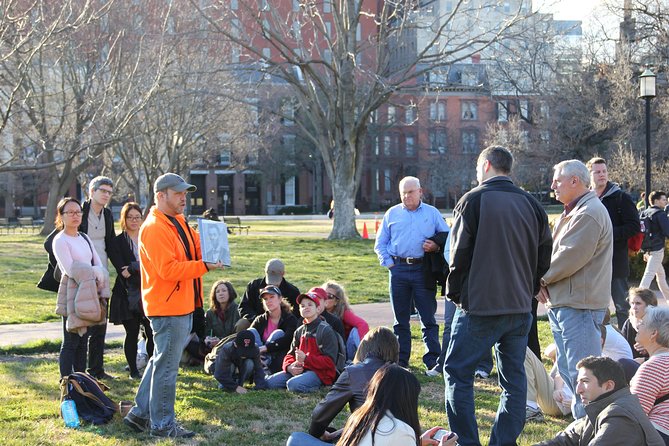
Your tour begins outside St. John’s Episcopal Church, a site nicknamed the Church of the Presidents. You don’t go inside, but that’s fine—this opening works as a setup for everything that follows. The guide gives you the big picture of DC in the 1860s so the later street-level details make sense.
Think of this stop as your map-building moment. When you understand what kind of city Washington was at the time—where people gathered, where power sat, and what the atmosphere was like—the rest of the walk clicks faster.
Practical tip: since the tour starts at 7:00 pm, arrive a few minutes early so you’re not rushing in the dark at the first stop.
Lafayette Square and the row-house backdrop that shaped the story
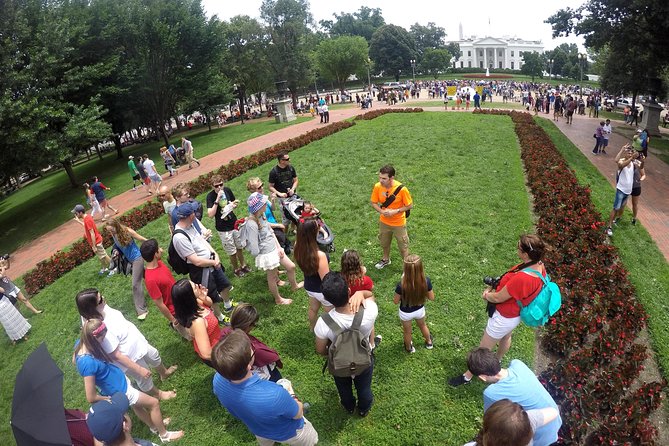
From St. John’s you move toward Lafayette Square Park. This is where the tour starts feeling very “place-based.” The park sits amid Civil War–era buildings and row houses, and the guide uses that backdrop to introduce characters connected to Lincoln’s last months and the city they lived in.
This stretch matters because it teaches you how DC looked and how neighborhoods around power functioned. You’re not just learning facts about Lincoln; you’re seeing the kind of environment where those events could happen—close quarters, busy streets, and people moving between offices and social spaces.
Why I like this part: it turns DC from a blur of monuments into a real working city. Even if you’ve read about the assassination before, you’ll likely connect the dots more quickly once the city’s layout is in your head.
The White House area (without going in): Lincoln’s final speech in context
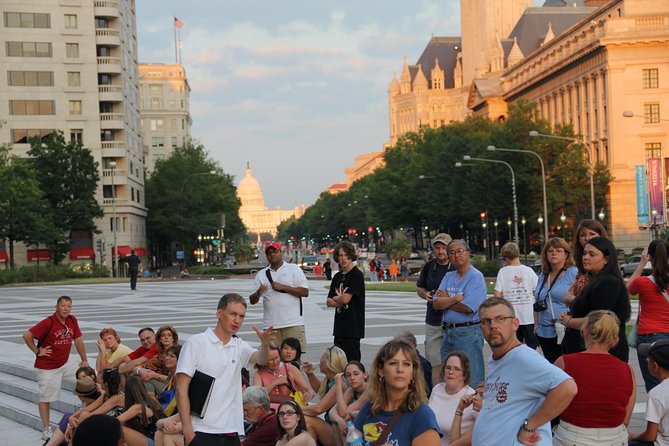
Next you stop near the White House. You won’t enter the building, but the guide talks about Lincoln’s presidency during the Civil War, including his final speech given at the White House in the presence of his later assassin, John Wilkes Booth.
This is a heavy moment, delivered outdoors and close to the very place where it matters. You don’t need museum-style exhibits for this portion. The power of the location does the work, while the guide explains the surrounding context so it doesn’t feel like a single isolated event.
A second detail here: you’ll also walk past the US Treasury Building, which acted as a temporary White House after Lincoln’s assassination. That’s the kind of practical history you can miss if you only focus on Ford’s Theatre.
Downtown “clues”: National Theatre and Old Post Office Pavilion areas
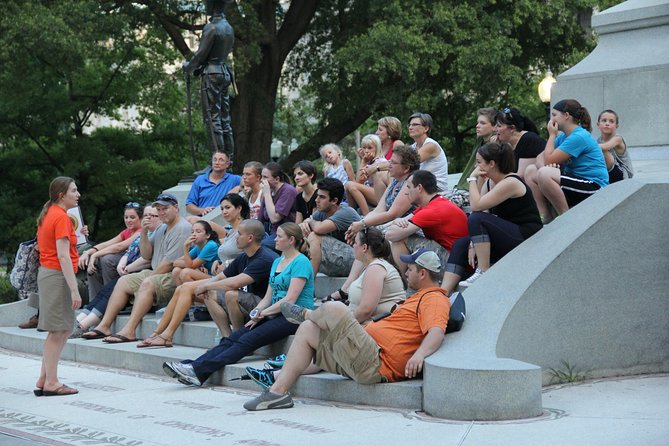
As you continue down toward Ford’s Theatre, the tour shifts from “Lincoln’s schedule” to “the night’s movements.” You’ll pass by the National Theatre area, where John Wilkes Booth stopped by earlier, and where Lincoln’s son Tad was later that evening watching a play—Aladdin or his Wonderful Lamp.
It’s a jarring contrast, and that’s the point. While the assassination plot unfolded, regular life kept going for some people in the same city. The guide makes sure you feel that contrast instead of smoothing it out.
Then you hear about the Kirkwood House Hotel location across from the Old Post Office Pavilion. This is where Vice President Andrew Johnson stayed, and where conspirator George Azerodt rented a room and was given the job to attack Johnson that same night.
Even though you’re not going into any buildings, these stops work because they connect names to geography. Instead of “a conspiracy happened,” you understand where specific people were and why those spots mattered.
Possible drawback to plan for: the more you focus on history, the more you’ll notice how much the city changes. Because you’re outside-only, you’re constantly translating between today’s DC and what was there in 1865. That’s usually a plus—but if you’re hoping for indoor artifacts, this won’t scratch that itch.




Ford’s Theatre: the shot, the escape, and the working theatre you can’t ignore
Eventually, you reach Ford’s Theatre. This is the central stop: the historic theatre where John Wilkes Booth shot Lincoln. Today it’s still a working theatre and restored to its Civil War–era grandeur, and it draws huge numbers of visitors who come to remember Lincoln’s legacy.
Here’s what you’ll do on the tour: you view the theatre and learn about what happened, then you go behind the venue to see where Booth made his escape after the shooting. That “behind the scenes” view helps you understand the escape route as something physical, not just a line in a story.
You also finish outside the theatre rather than entering it. That keeps the tour focused on walking and storytelling. If you want to go inside Ford’s Theatre afterward, you’ll need tickets from the National Park Service.
My advice: treat this tour as your narrative “primer.” The first time you see Ford’s Theatre through the lens of the night’s sequence, it’s much easier to appreciate what you’ll later see inside.
Petersen Boarding House: where Lincoln was taken after the shooting
Not far from Ford’s Theatre, you stop at the Petersen Boarding House area. This small and simple historic row house served as a boarding house during the Civil War. After Lincoln was shot, he was taken to a first-floor room while doctors attended to his health. The guide also talks about Secretary of War Edwin Stanton interviewing witnesses there that night, plus Robert Todd Lincoln arriving from the White House and staying by his father’s side.
This stop is one of the most emotionally direct moments of the walk. The story slows down and narrows. You’re not hearing about political chess moves anymore—you’re hearing about the immediate aftermath, and how a personal tragedy played out across rooms and steps.
Then you’ll follow the next sad piece of the timeline: early the next morning, Lincoln’s lifeless body was brought down the steps for the carriage journey back to the White House.
If you care about how history feels on the ground, this is the portion that turns “big event” into “human timeline.”
The alley escape route: what to ask, and where you can walk after
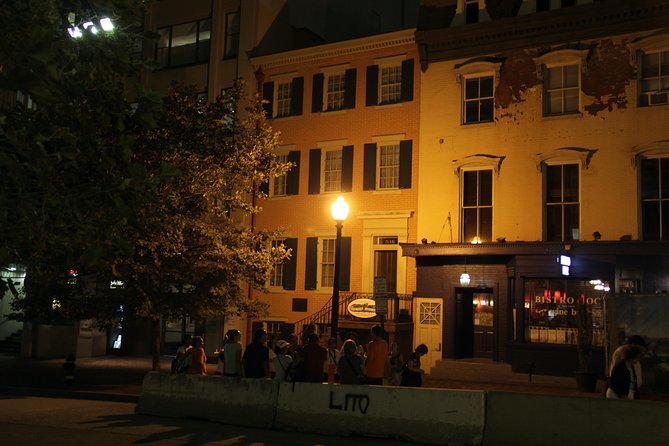
One of the smartest add-ons here is the alley behind Ford’s Theatre. You’ll learn about the original alley through which Booth escaped, and you can ask your guide to point you toward it. The alley is open to the public, and you can walk there after the tour.
This is where the experience goes from guided story to independent reinforcement. When you see that route after hearing the explanation, your mental map locks in. It’s also a good way to keep the emotional weight of the night from feeling like it stayed only in the guide’s voice.
Small practical tip: bring a charged phone. Even without needing directions, it helps for quick orientation when you’re continuing the story on your own.
Price and logistics: is $49 a good deal for this kind of night walk?
At $49 per person for about 2 hours, this is priced like a quality guided walking experience—especially with a licensed guide and historical photos included. You’re paying for interpretation, not museum tickets.
The main value trade-off is that Ford’s Theatre entrance isn’t included, and you won’t go into buildings on the tour. So if you were hoping for a ticket bundle that covers both narrative and interiors, plan to add Ford’s Theatre tickets separately.
Also, because it’s a night walk and you’re outside the whole time, you’ll want to make peace with standing and watching rather than entering sites with indoor rest areas. If you’re comfortable with that, this tour is a strong spend.
Other logistics that help: the tour uses a mobile ticket, it’s in English, it allows service animals, and it’s near public transportation. The group stays small (max 15), which helps the guide keep stories clear and the pace reasonable.
Who should book this tour, and who might not
This tour is a great fit if:
- You like guided storytelling that follows a timeline.
- You want to connect famous history to actual street locations.
- You enjoy DC at night, when the city feels more like a lived-in place than a checklist of monuments.
You might hesitate if:
- You strongly prefer indoor stops and exhibits.
- You don’t want to do a cold-weather sidewalk experience (the walk is short, but it’s still outdoors).
- You need more than one site entrance to feel like the tour “delivered.”
Should you book it?
Yes, with one clear mindset: book this as your Lincoln last-day storyline on foot. You’ll walk about a mile, hear the events unfold with historical photos, and end at Ford’s Theatre with the escape route explained. That “before you go inside” framing is exactly how to get more out of the theatre visit that comes next.
If you can handle an outside-only tour and you’re ready to layer on a separate Ford’s Theatre ticket, this is a smart, memorable way to spend an evening in Washington.
FAQ
What is the tour duration?
The tour lasts about 2 hours.
How much does it cost?
It costs $49.00 per person.
Where does the tour start and end?
It starts at 1525 H St NW, Washington, DC 20005 and ends outside Ford’s Theatre at 511 10th St NW, Washington, DC 20004.
What time does the tour begin?
The start time is 7:00 pm.
Is Ford’s Theatre included in the ticket price?
No. Entrance into Ford’s Theatre is not included, and tickets from the National Park Service are required if you want to go inside.
Do you enter any buildings during the tour?
No. The tour does not enter any buildings; you view sites from the outside.
Is the tour offered in English?
Yes, it’s offered in English.
Is a mobile ticket used?
Yes, the tour uses a mobile ticket.
How large is the group?
The maximum group size is 15 travelers.
Can I cancel for a refund?
Yes. Free cancellation is available up to 24 hours in advance for a full refund.