
REVIEW · WASHINGTON DC
Smithsonian Museum of American History Semi-Private 8ppl Max
Book on Viator →Operated by Babylon Tours DC · Bookable on Viator
You can’t see it all alone. This semi-private Smithsonian tour turns the National Museum of American History into a clear, story-driven route you can finish in 2.5 hours.
It focuses on the objects people remember most, then connects them to bigger moments—so you’re not just walking from case to case.
I especially like the small-group size (max 8). You get room to ask questions and stay together as you move through busy galleries. I also like the guide-led object storytelling, with standout stops like the banner that inspired the national anthem and George Washington’s sword.
One consideration: this tour needs a moderate fitness level, and it’s not available for wheelchair users or people with walking disabilities. Plus, security is strict—no large bags—so plan your museum day around that.
In This Review
- Key Points You’ll Feel During the Tour
- Why This Smithsonian American History Tour Works in 2.5 Hours
- Price and Value: What $89.67 Buys You
- Getting There and Getting Through Museum Security
- Your Route: One Museum, Several American Stories
- The Anthem Banner and George Washington’s Sword
- Dorothy’s Ruby Slippers and How Hollywood Shapes America
- First Ladies Gowns: Fashion as a Political Record
- The Greensboro Lunch Counter and the Civil Rights Moment
- Extra Moments You Might Catch: Prince’s Guitar and Other Modern Signals
- Pacing, Crowds, and Staying a Group
- What the Guides Are Doing (and Why You’ll Care)
- Who Should Book This Tour (and Who Might Skip)
- Should You Book This Smithsonian Semi-Private Tour?
- FAQ
- FAQ
- What’s the group size for the Smithsonian Museum of American History semi-private tour?
- How long is the tour?
- Where do I meet the guide?
- Is museum admission included in the tour price?
- Do I need to bring a mobile phone number when booking?
- Is hotel pickup or drop-off included?
- Is the tour wheelchair accessible?
- What if the museum has an unexpected closure?
- How far in advance should I cancel for a refund?
Key Points You’ll Feel During the Tour

- Small group, max 8 keeps the pace human and the questions relevant
- Free museum admission means your money mainly goes to the guided route and interpretation
- Top artifacts in one loop: anthem banner, Washington’s sword, Dorothy’s ruby slippers, and more
- Time-saving in a big museum so you don’t waste hours guessing what matters
- Real-world security rules: only handbags or small thin packs go through
- Quiet-room etiquette: the guide prepares you before restrictions on speaking
Why This Smithsonian American History Tour Works in 2.5 Hours
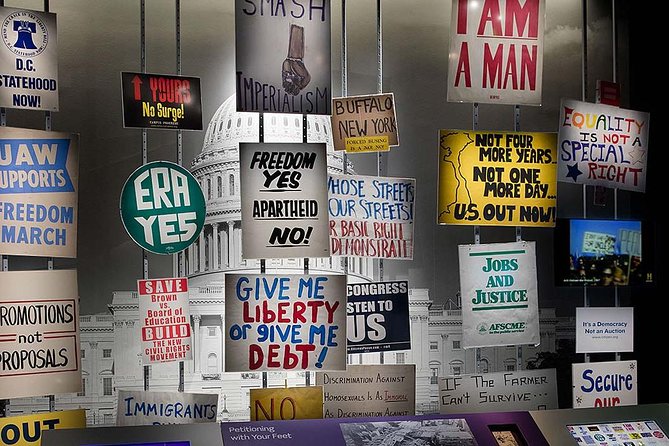
The National Museum of American History is huge. Without a plan, you’ll drift. With a plan, you get meaning fast.
This semi-private tour is built for people who want the best parts of the museum without spending an entire day sorting through everything. In 2.5 hours, you’ll hit the kinds of objects that anchor American identity—symbols, style, entertainment, and hard turning points.
And because the group is capped at eight, the experience stays more personal than most large-group “walk and point” tours. You’re not stuck with your shoulders glued to strangers while your guide races ahead.
You can also read our reviews of more private tours in Washington DC



Price and Value: What $89.67 Buys You
At $89.67 per person for about 2 hours 30 minutes, the cost feels reasonable if you care about context.
Here’s the key value point: museum admission is free. So you’re not paying twice—what you’re paying for is a guided route that picks high-impact stops and explains why each one mattered. That’s the difference between seeing a display and understanding what you’re looking at.
If you’re the type who usually skips tours because you can read placards yourself, this might still be worth it. The tour isn’t trying to cover everything. It’s trying to help you notice the right things—and make connections you’d miss alone.
Getting There and Getting Through Museum Security
The meeting point is at Smithsonian National Museum of American History, 1300 Constitution Ave. NW, Washington, DC 20560. The tour meets a little before departure, and it runs with two departure times.
You’ll want to arrive with a plan for DC museum logistics:
- Have your mobile phone number ready when booking (including country code).
- Expect security to matter. The museum allows handbags or small thin bag packs. Large bags and suitcases aren’t allowed through.
- Lines can form. The tour notes that some rooms may have restricted speaking rules, and the guide will explain those details before entering.
This matters because it shapes your day. If you show up with a big bag and a stressful arrival, you’ll start the tour already tired.
Your Route: One Museum, Several American Stories
This tour happens inside the National Museum of American History. You’re basically stitching together the American story through a set of memorable objects, rather than trying to scan everything the museum has.
The museum’s collections cover everything from the founding era to modern culture. That’s why a guided route pays off: you’re given a sequence that makes the themes click.
Here are the main highlight types you should expect to see—and what they mean for your visit.
The Anthem Banner and George Washington’s Sword
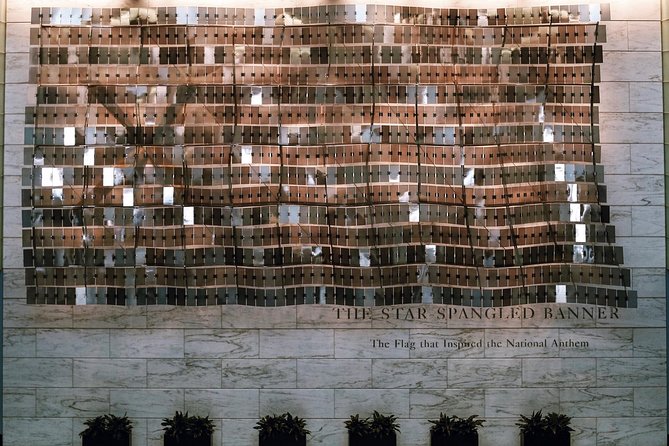
One of the most striking early anchors is the banner that inspired the country’s national anthem. Objects like this do more than decorate a wall. They show how symbols gain power—how words and imagery become shared identity.
Then you’ll spend time on George Washington, including his sword. The museum connection here is smart: it helps you move beyond “founding father” as a phrase and into the real texture of leadership—what these artifacts communicate about authority, reputation, and the early nation.
Even if you’ve read a lot of American history, this kind of stop can still surprise you because the guide’s job is to connect what’s in the case to the story behind it.
You can also read our reviews of more historical tours in Washington DC






Dorothy’s Ruby Slippers and How Hollywood Shapes America
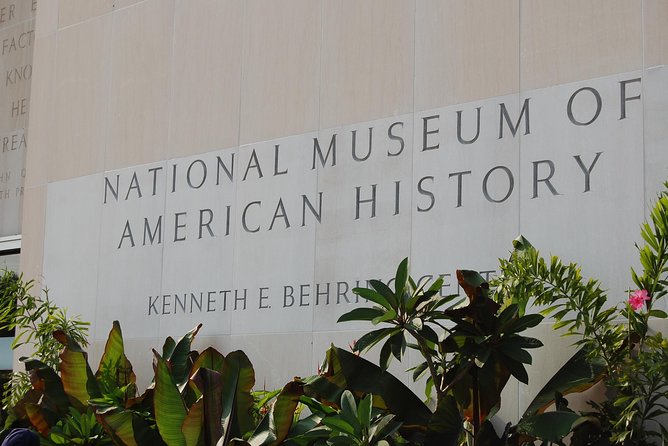
Pop culture belongs in an American history museum. This tour makes that point by taking you to Dorothy’s ruby red slippers, tying entertainment to national identity.
The value isn’t just the spectacle of a famous item. It’s the guide’s framing of why Hollywood matters—how stories, characters, and images help Americans process everything from fear and hope to what success looks like.
If you’re traveling with teens or adults who think museums are mostly about wars and dates, this stop is often the moment they lean in. It’s familiar, then suddenly it feels like history.
First Ladies Gowns: Fashion as a Political Record
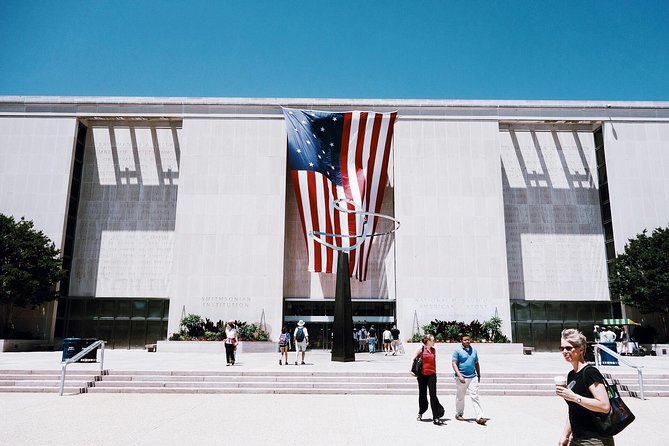
Next up: the museum’s first ladies’ gowns collection. You get the chance to see how fashion, public image, and political life intertwine.
A gown sounds like a small detail until you connect it to the job. A first lady isn’t only a person; she’s a public symbol. Clothing becomes messaging, sometimes subtle, sometimes loud.
This stop is a strong choice for anyone who likes history that’s readable. The guide helps you understand the role these figures played and why their wardrobes show up in the museum’s “why it mattered” logic.
The Greensboro Lunch Counter and the Civil Rights Moment
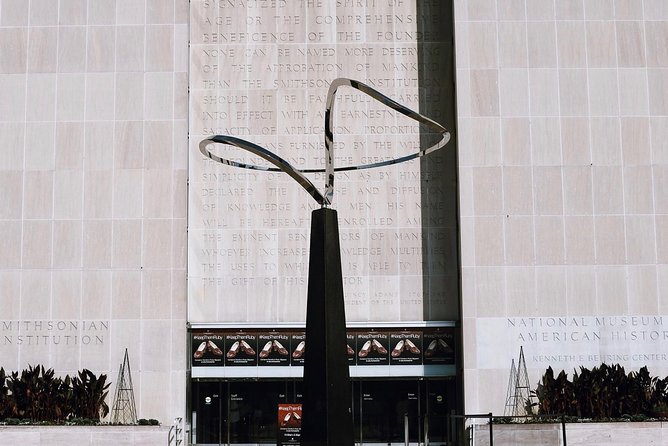
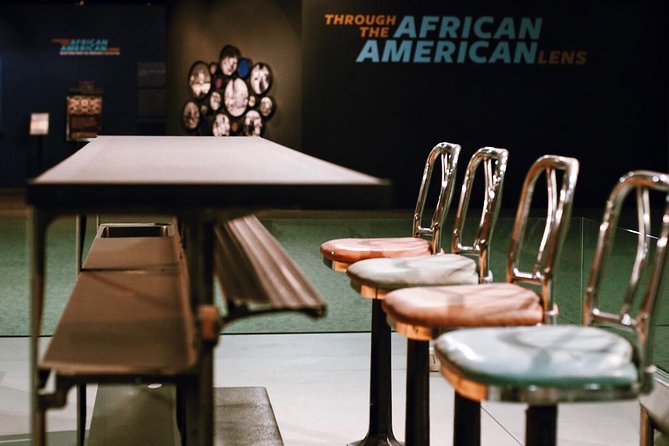
You’ll also see a display connected to the Greensboro lunch counter, described as embodying the Civil Rights Movement.
This is where the tour’s tone shifts. It’s one thing to learn dates from a textbook. It’s another to see an object tied to a pivotal confrontation in everyday public life. The guide’s explanations are the bridge—so you understand the context and why the museum treats it as more than a relic.
If you like history that forces you to think, this stop is a major reason to book. It turns the museum from a “what happened” collection into a “what it changed” experience.
Extra Moments You Might Catch: Prince’s Guitar and Other Modern Signals
The highlights focus on iconic artifacts, but you may also get time on other well-loved items, depending on the guide’s route and how the museum flow is that day.
One example from past departures: Prince’s guitar showed up as a favorite stop for some visitors. That fits the tour’s overall theme: American history isn’t just politics. It’s also art, music, and the cultural signals that define eras.
Pacing, Crowds, and Staying a Group
A big museum can swallow time. The upside of this setup is the efficient, guide-led pacing.
Based on how the experience has been described, the guide often keeps the group moving in a way that avoids turning into a human conga line. You’re kept together as a courtesy to other visitors, and the route is planned so you don’t spend your energy hunting for the next room.
This tour also seems built for mixed ages. Some departures have handled everything from kids to older adults in the same group, which usually means you’ll get explanations that are clear without talking down.
If you’ve got any mobility constraints, you’ll want to keep expectations realistic. The tour is marked for moderate physical fitness, and it’s not available for wheelchair users or people using a wheelchair.
What the Guides Are Doing (and Why You’ll Care)
The biggest difference between a tour and self-guided wandering is the interpretation.
Across different departures, guides have been praised for:
- Keeping the group organized so you don’t lose time in crowds
- Being friendly and engaging while still moving efficiently
- Managing time well when museum hours and access shift
- Tailoring to interests when possible, while still hitting the major stops
Some guide names that have shown up with very strong feedback include Mary Beth, Tony, Rebecca, Brenda, Richard, and Maribeth. People have highlighted their ability to make the facts feel connected, not listed.
And yes, stories matter. A good guide helps you see patterns. Why did this object get preserved? Who decided it mattered? What’s the thread that connects it to other moments?
That’s the part you can’t easily replicate by reading placards at random.
Who Should Book This Tour (and Who Might Skip)
This is a great fit if:
- You want to see the best-known American History Museum highlights without turning your day into a maze
- You love history that blends symbols, politics, and culture
- You’re traveling with family and want one plan that works for different ages
- You’d rather pay for interpretation than spend hours choosing what to see
You might skip (or choose a different format) if:
- You want a slow, long museum wander with zero structure
- Your priority is absolute completeness, room-by-room exploration
- Your mobility needs don’t match the tour’s physical requirements
If you’re visiting DC for a tight schedule, this is the kind of tour that helps you “do the main things” with confidence.
Should You Book This Smithsonian Semi-Private Tour?
Book it if you want a high-impact American History Museum visit with a small group, clear pacing, and object-based storytelling. At $89.67 for about 2.5 hours, you’re paying for the guide’s selection and explanations, not museum entry.
Don’t book it if your day is built around total freedom, or if mobility needs are a mismatch. Also, if you hate security rules, plan for a lighter bag and earlier arrival so you don’t start stressed.
FAQ
FAQ
What’s the group size for the Smithsonian Museum of American History semi-private tour?
The tour is semi-private with a maximum of 8 guests. It’s designed to keep the group small.
How long is the tour?
The duration is about 2 hours 30 minutes.
Where do I meet the guide?
The meeting point is Smithsonian National Museum of American History, 1300 Constitution Ave. NW, Washington, DC 20560. The tour ends back at the meeting point.
Is museum admission included in the tour price?
The tour notes that the admission ticket is free, and the tour price covers the guided experience.
Do I need to bring a mobile phone number when booking?
Yes. You’re required to provide a mobile phone number (including country code).
Is hotel pickup or drop-off included?
No. The price does not include hotel pickup or drop-off. The tour recommends using Uber or taxi.
Is the tour wheelchair accessible?
This tour is not available for those with walking disabilities or using a wheelchair.
What if the museum has an unexpected closure?
Occasional closures can happen. If the museum opening time is delayed by more than 1 hour from the tour start time, an appropriate alternative is provided, but the tour notes refunds or discounts aren’t available in those cases.
How far in advance should I cancel for a refund?
You can cancel up to 24 hours in advance for a full refund. Canceling within 24 hours isn’t refundable.