REVIEW · WASHINGTON DC
DC: Lincoln’s Assassination 2 Hour Nighttime Walking Tour
Book on GetYourGuide →Operated by Visit DC Tours · Bookable on GetYourGuide
Lincoln’s last night still hits hard.
This 2-hour nighttime walking tour turns the assassination of Abraham Lincoln into a step-by-step story, starting near Lafayette Square and working your way toward Ford’s Theatre and Petersen’s Boarding House. You’ll follow the events leading up to the attack, the coordinated plotting, and the aftermath as you move through real Washington street corners that still shape the view of 1865.
What I like most is the live storytelling. Guides named in feedback like Katherine and Lindsey are praised for animated delivery, strong US-history focus, and answering questions (even with younger kids). I also love that you get historic images as you walk—so you’re not just hearing facts, you’re matching them to buildings as they used to look.
The main thing to consider is that it’s exterior-only. You do not go inside Ford’s Theatre, so if you want that final, theatrical payoff, you’ll want to pair this with a separate ticketed visit.
In This Review
- Key highlights worth planning for
- Why a 2-hour night walk makes Lincoln’s last day feel real
- Price, pace, and what you actually get for $49
- Meeting at St. John’s near Lafayette Square
- Lafayette Square to the White House: setting the stage in real space
- Seward and the Vice President attempts: the plot you can track
- Pennsylvania Avenue and the National Theatre area: clues in the city layout
- Old Post Office area to Baptist Alley: where the escape story gains traction
- Ford’s Theatre exterior and Petersen House: the final breath, seen from the sidewalk
- Timing Ford’s Theatre tickets so your plans don’t collide
- Who this tour suits best (and who should think twice)
- Should you book this Lincoln’s Assassination night tour?
- FAQ
- Where do I meet the guide?
- How long is the tour?
- Is this tour inside Ford’s Theatre?
- What is included in the ticket price?
- What should I do about Ford’s Theatre tickets?
- Is the tour wheelchair accessible?
- Can I cancel, and can I pay later?
Key highlights worth planning for
- White House to Ford’s Theatre route that follows the assassination’s path across downtown DC
- Seward and Vice President attempt sites tied to the larger coordinated plot
- Historic photos that help you picture the 1865 street scene while you’re standing there
- Ford’s Theatre and Petersen House exteriors—the places connected to the final moments of Lincoln’s life
- Baptist Alley and the escape route moments that make the conspiracy feel navigable
- Professional guide + live commentary with a story-first approach and time for questions
Why a 2-hour night walk makes Lincoln’s last day feel real
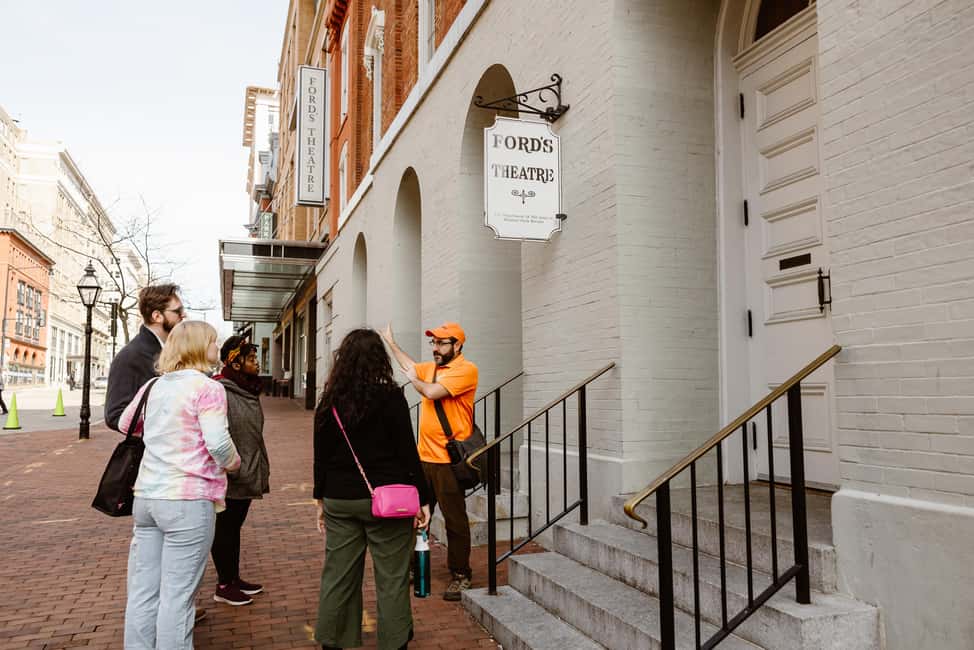
Walking at night changes the tone. Streetlights, darker storefronts, and the long shadows make you slow down, pay attention, and treat every corner like it matters. That’s exactly what this tour is built for: turning one of the most studied nights in American history into something you can track with your own feet.
The payoff is the cause-and-effect story line. You’re not just hearing about Lincoln’s assassination at Ford’s Theatre; you’re seeing how earlier attempts and planned attacks fit together on the same timeline. That matters because it shows the night wasn’t random—it was organized, coordinated, and built to move fast.
You’ll also get repeated context about the “why,” including John Wilkes Booth’s motives and how his plans changed. The result is a story that feels less like a textbook event and more like a sequence of choices made under pressure.
And because it’s a guided walk through downtown, you’ll keep making mental connections: White House sightlines, Lafayette Square’s significance, and the urban grid that the conspirators were trying to use. You end up with a clearer map of the whole tragedy, not just the final act.
You can also read our reviews of more walking tours in Washington Dc



Price, pace, and what you actually get for $49
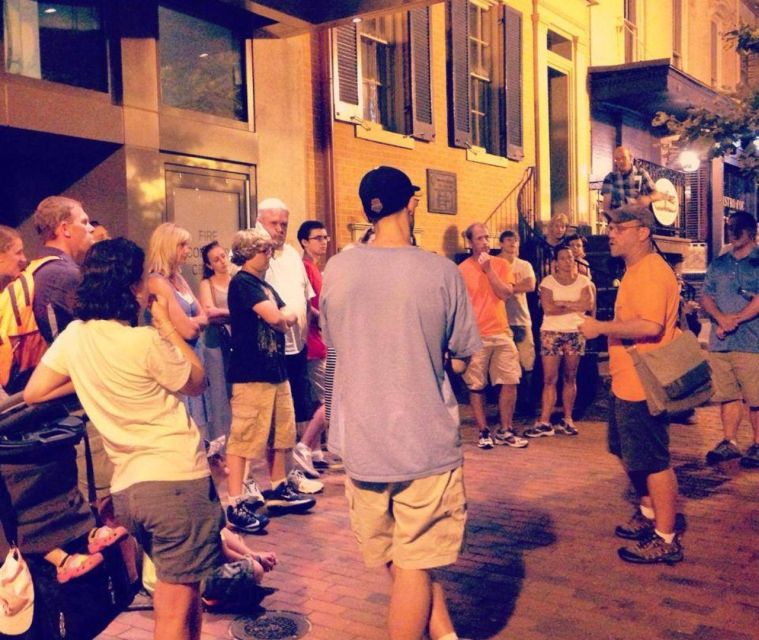
At $49 per person for about 2 hours, you’re paying for more than “someone walking with you.” You’re getting professional live storytelling commentary, plus historic images of buildings and characters connected to the night. That combo is the value—especially in Washington, where it’s easy to spend money on entry fees and end up with less context.
The pace is built for viewing and short photo stops. You’ll have frequent moments to look around, take pictures, and listen without feeling like you’re sprinting for train tracks. If you want a more relaxed “I get it now” experience, this fits well.
One practical consideration: since you’re outdoors for the whole time and it’s nighttime, plan for comfortable shoes and weather. The tour is wheelchair accessible, which is great for many mobility needs, but it still means you should expect real sidewalks and real city walking.
If you’re deciding whether it’s worth it versus doing this on your own, here’s the simple test: can you explain how Seward’s attack and the Vice President attempt connect to Booth’s broader plan? If you can’t yet, this tour is designed to help you build that thread quickly.
Meeting at St. John’s near Lafayette Square
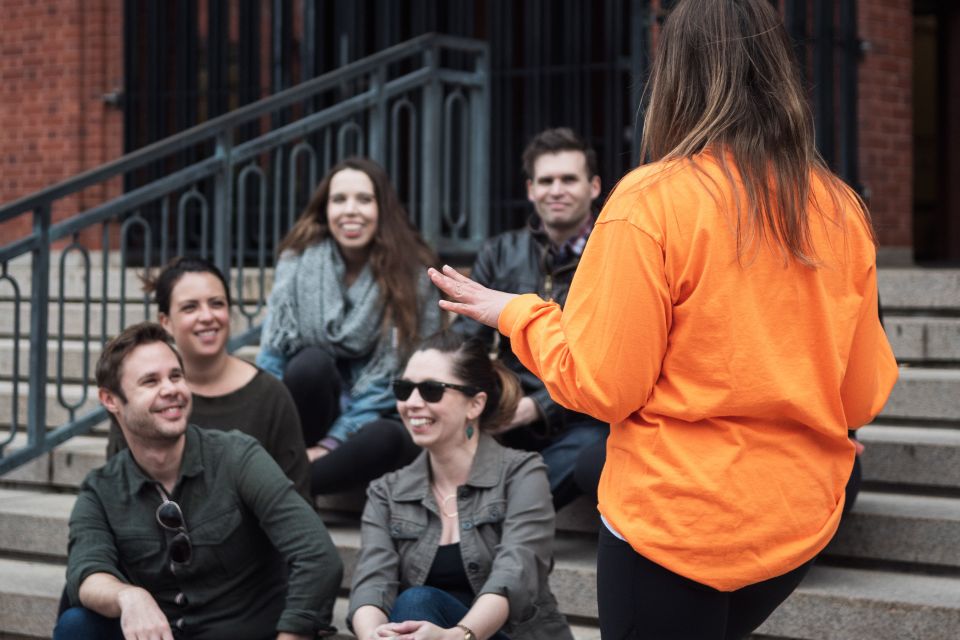
You’ll meet your guide at the entrance of St. John’s Church on 16th Street NW, not at the parish house entrance on H Street NW. The exact meeting spot is the yellow-columned church at the corner of 16th and H St NW, across from Lafayette Square.
This part is more important than it sounds. Lafayette Square is your staging ground for the entire story, and starting there puts you in the right “DC geography” mindset. You’ll be oriented fast—so the rest of the walk doesn’t feel like disconnected photo stops.
There’s also some mention of starting location options around St. John’s and Lafayette Square. To avoid any confusion, double-check the meeting point shown in your booking confirmation message.
The tour ends back at the starting area, which helps if you want dinner, a show, or just a clean finish after a focused nighttime walk.
Lafayette Square to the White House: setting the stage in real space
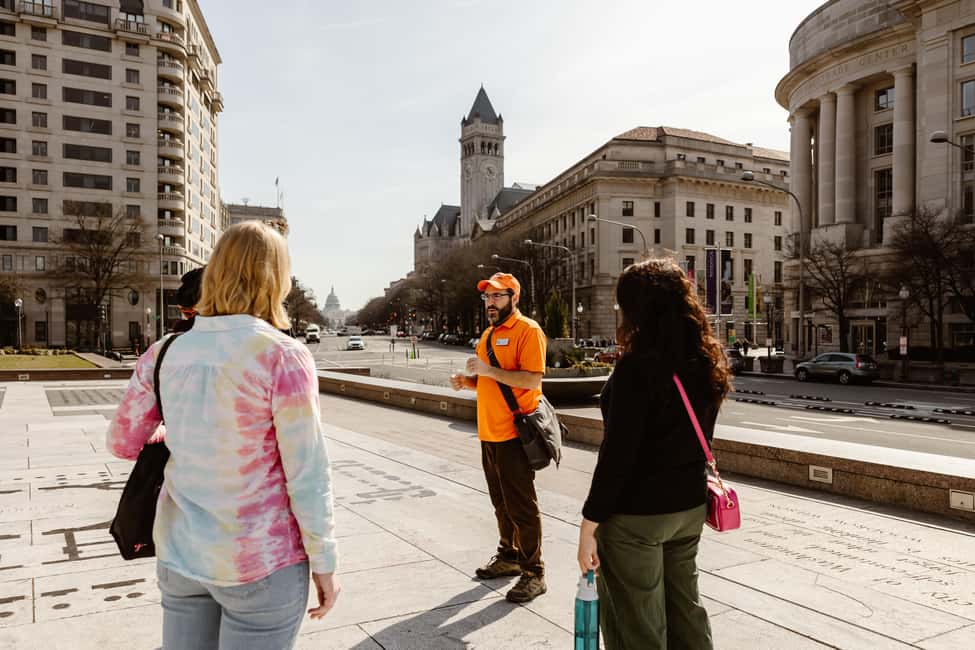
The story begins where the symbolism is thickest. You’ll spend time around Lafayette Square, with a photo stop and guided context that frames what’s about to happen and why this part of Washington mattered. The guide’s goal here is to give you a mental baseline so the later stops make sense on first listen.
From there you’ll move toward a viewpoint and then along key downtown sightlines. You’ll stop for short photo moments near landmarks like the Treasury Building and the White House itself. You’re not going inside these places, but being outside them at night is a useful reality check. It forces you to think about movement—where people could go, how quickly news could travel, and how the city’s layout shaped decisions.
This is also where the tour’s storytelling style matters. A strong guide doesn’t just name locations; they explain why those locations show up in the plot. When you’re walking, that explanation sticks better because you’re building a “mental map” in motion.
If you enjoy history that connects politics, people, and street-level logistics, this segment delivers.
Seward and the Vice President attempts: the plot you can track
One of the most interesting parts of the experience is that it doesn’t treat Lincoln’s assassination as a single isolated event. You’ll specifically visit the site tied to Secretary of State Seward’s attempted assassination, and you’ll also cover the planned attack involving the Vice President.
What makes these stops valuable is the way they broaden your understanding of the night. Once you hear the sequence of events and how the plot was structured, Lincoln’s murder doesn’t feel like the only headline—more like the final, most visible result of a coordinated campaign.
You’ll also learn how an earlier plan shifted over time. The tour describes an original kidnapping plot and how it transformed into one of the most infamous nights in US history. That kind of change—plans altered in real time—is often where conspiracy stories become most unsettling and most human.
And don’t miss the personal angle. The walk includes odd and tragic stories tied to Lincoln’s family, which helps balance the darker “who did what” details. It keeps the night from turning into only dates, names, and distances.
You can also read our reviews of more tours and experiences in Washington Dc





Pennsylvania Avenue and the National Theatre area: clues in the city layout
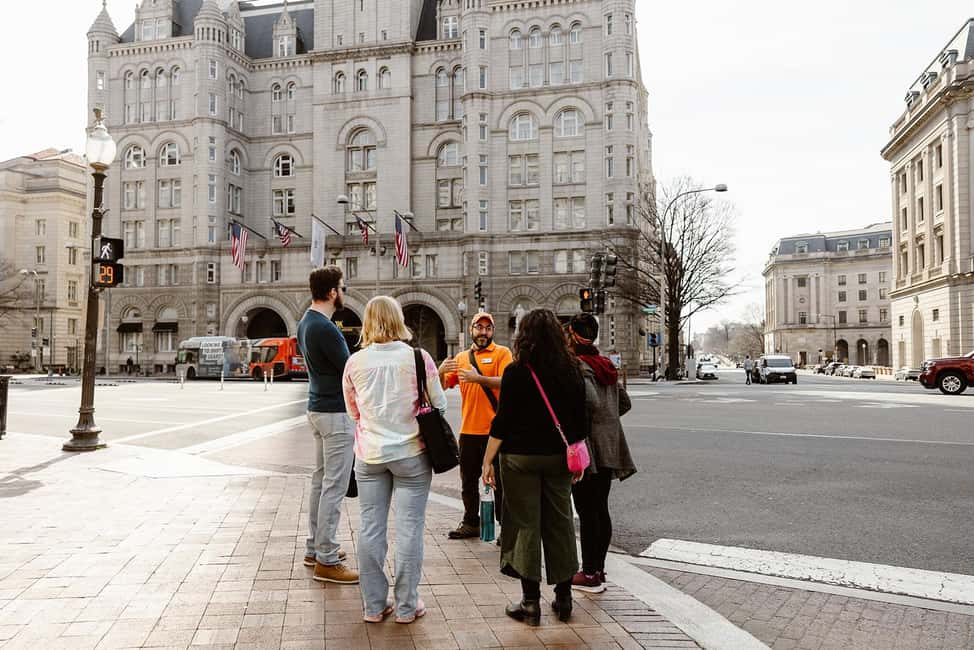
As you move along Pennsylvania Avenue, the tour leans into the urban logic of the story. These aren’t random photo stops. They’re pauses where the guide ties the geography to movement—where conspirators could blend in, how quickly they might escape, and why certain routes mattered.
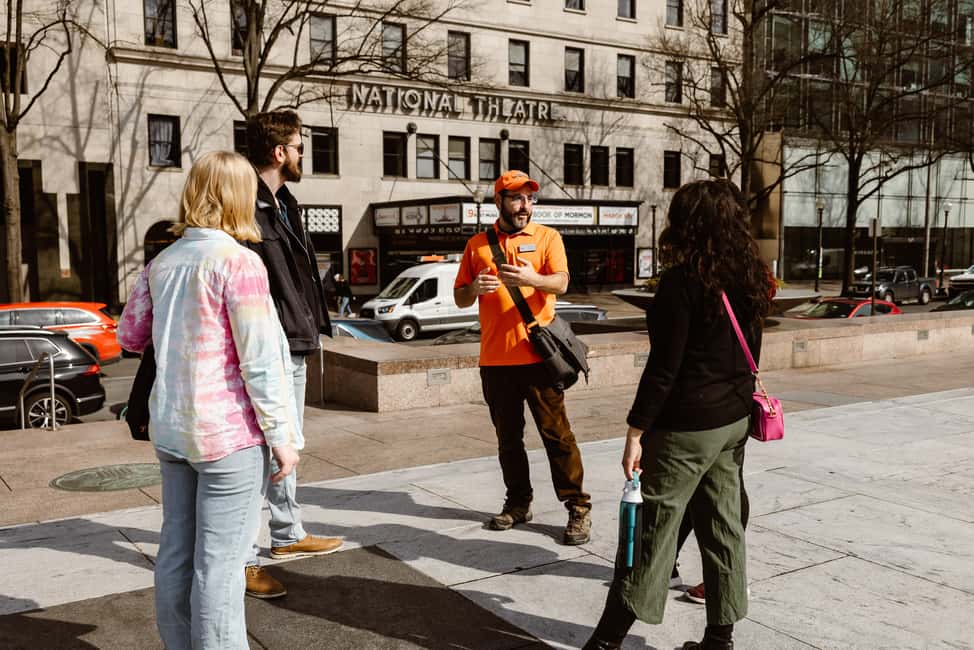
You’ll also make a stop near the National Theatre, where the guide connects landmarks to what’s happening in the larger timeline. Again, the exterior view is key. You’re using the city’s physical shape as a way to understand how people behaved during the night—especially when every plan depended on timing.
Downtown DC stops then add texture. You’ll have time to take photos and listen as the guide connects additional parts of the web: buildings tied to the plot, city corners linked to the events, and the way the story spread afterward.
The tour’s historic image component helps here. When you see older views of buildings you’re currently standing near, you start noticing details you’d otherwise miss—like the continuity of street placement even when facades and buildings have changed.
Old Post Office area to Baptist Alley: where the escape story gains traction
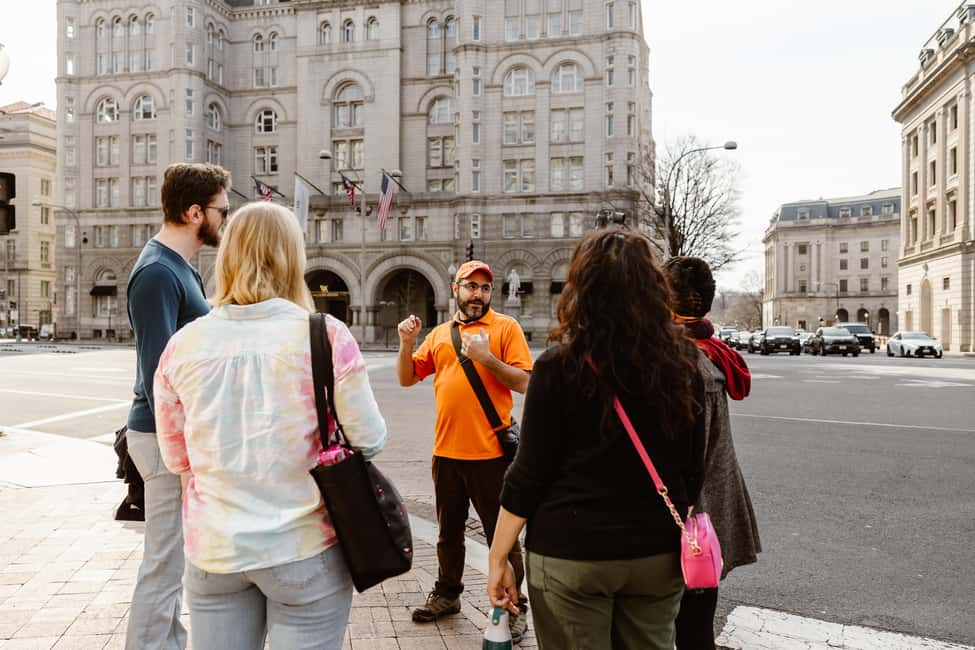
One of the most “oh wow” pieces is how the tour handles the conspirators’ movement after the attacks. You’ll hear about Baptist Alley, described as the escape route, and you’ll connect it to the broader plan of getting away quickly.
This is where the walk can feel especially cinematic—without being gimmicky. It becomes easier to visualize the urgency once you’re standing in the downtown area where escape routes and quick turns would have mattered.
You’ll also have a stop near the Old Post Office Museum area. The tour uses photo moments and narration to stitch that location into the timeline, helping you see how the attack rippled through the city rather than staying confined to Ford’s Theatre.
If you care about practical history—what people could actually do in a city on a specific night—this portion is a strong reason to choose a guided walk over a self-paced read.
Ford’s Theatre exterior and Petersen House: the final breath, seen from the sidewalk
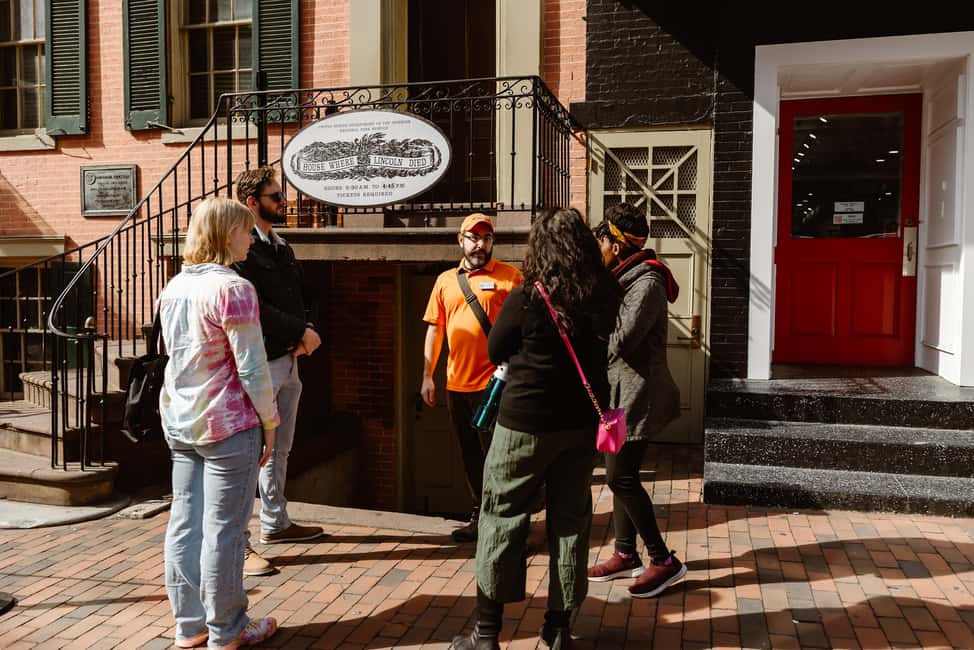
Eventually you reach the emotional center: Ford’s Theatre. You’ll stop for a photo moment and narration that ties directly to what happened during Lincoln’s final hours. The guide also includes historic photos of the original buildings and characters connected to the night, which helps you “place” the scene even though you’re not entering.
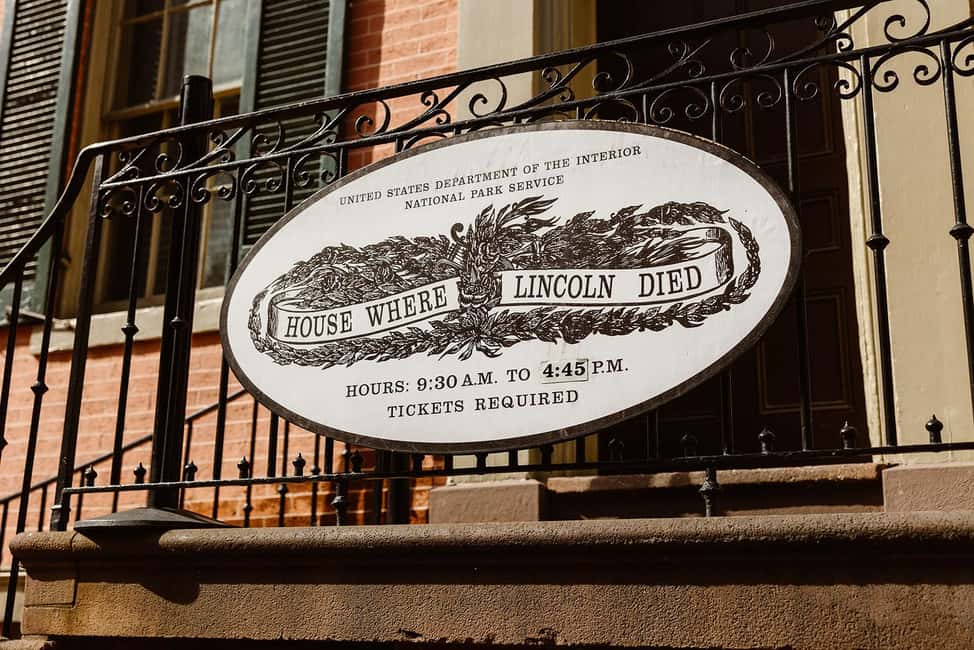
Immediately after, you’ll go to Petersen’s Boarding House. This is the place connected to where Lincoln took his final breath, and the tour keeps the emphasis on why this address matters to the story. You’ll see the exterior, which means you won’t get an official inside-the-room view—but you still get a clear, guided explanation of what took place there.
This section can land with more weight than you expect because the tour has already built the lead-up. By the time you arrive here, you’ve walked through the motive, the coordinated plot, the attempted attacks, and the escape logic—so the final moment doesn’t feel like a sudden jump.
One practical note: because it’s exterior-only, your experience at Ford’s Theatre is about location and context, not interpretation through interior exhibits.
Timing Ford’s Theatre tickets so your plans don’t collide
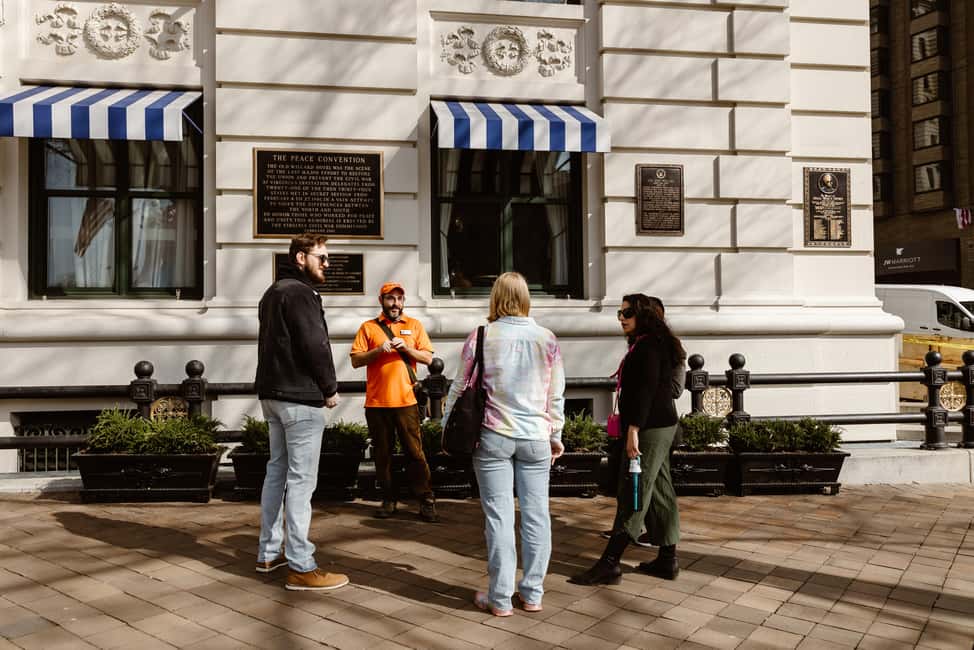
This tour complements a ticketed visit to Ford’s Theatre, but you should plan them carefully. Entrance into Ford’s Theatre is not included, so you’ll need to buy tickets separately if you want to go inside or attend a performance.
A helpful strategy is to purchase tickets directly from Ford’s Theatre (NPS) for about 2 hours after your tour start time. If you’re doing an evening tour, buying earlier the same day may also work better. The idea is simple: this walk handles the lead-up and the wider tragedies; the theatre visit gives you the setting for the final, dramatic moment.
If you’re the kind of traveler who likes a smooth itinerary, this pairing is one of the best ways to make the night feel complete.
Who this tour suits best (and who should think twice)
This experience is a great match if you want a guided narrative that’s easy to follow and grounded in real city space. It’s also family friendly, and the guide delivery is described as attentive to kids, which is a plus if you’re traveling with younger historians-in-training.
It’s especially good for:
- history lovers who want connections between multiple attacks, not just the final assassination moment
- people doing their first DC trip who want to build a clear mental map of downtown
- anyone who likes night walking as long as it’s structured and paced
You might think twice if:
- you were hoping to go inside Ford’s Theatre during the tour (you won’t)
- you prefer daylight walking for visibility and photos
- you want a museum-style experience with exhibits, because this is an exterior walkthrough
Should you book this Lincoln’s Assassination night tour?
I think you should book it if your goal is to understand the whole story—lead-up, coordination, escape, and aftermath—without spending hours researching beforehand. The guided storytelling, the historic images, and the route from White House to Ford’s Theatre make the tragedy easier to follow and easier to remember.
If you already plan to see Ford’s Theatre, this tour becomes more than “another DC activity.” It turns the theatre visit into the payoff for a narrative you’ve already walked through. Just make sure you pair it with the right timed ticket, since the tour itself doesn’t include entry.
If you’re deciding between this and a self-guided version, choose this one when you want the plot explained clearly in sequence. The city is only half the experience—the other half is having someone connect the dots while you’re standing on the streets where the dots matter.
FAQ
Where do I meet the guide?
Meet your guide at the entrance of St. John’s Church on 16th Street NW, across from Lafayette Square. Use the entrance of the church on 16th and H St NW, not the parish house on H St NW.
How long is the tour?
The tour runs for about 2 hours. Starting times vary, so check availability for the exact schedule.
Is this tour inside Ford’s Theatre?
No. It is an exterior-only walking tour. You’ll see Ford’s Theatre from the outside, along with the exterior of Petersen’s Boarding House.
What is included in the ticket price?
Included is live commentary from a professional guide and storyteller, plus historic images of buildings and characters. You also get a guided walking route through downtown DC.
What should I do about Ford’s Theatre tickets?
Entrance to Ford’s Theatre is not included, so you’ll need a separate ticket. It’s suggested to purchase tickets direct from Ford’s Theatre (NPS) for around 2 hours after your tour start time, or earlier in the day for an evening tour.
Is the tour wheelchair accessible?
Yes. The tour is listed as wheelchair accessible.
Can I cancel, and can I pay later?
There is free cancellation up to 24 hours in advance for a full refund. You can also reserve now and pay later.