REVIEW · WASHINGTON DC
Washington DC: National Museum of Natural History Tour
Book on GetYourGuide →Operated by Babylon Tours DC · Bookable on GetYourGuide
A diamond, a whale, and mummies in one walk. This small-group tour at the National Museum of Natural History in Washington, DC uses a real expert guide to steer you through a building that spreads across the size of 18 football fields. You get skip-the-ticket-line ease and a tight route built around the museum’s headline objects, including the Hope Diamond.
I like how the tour blends science and storytelling at the same time. You’ll spend real time with the Dom Pedro Aquamarine and other famous gems, then switch gears to real mummies without it feeling like whiplash. Guides like Leigh and Tim stand out for turning big exhibits into human stories you can actually remember.
One consideration: this is a focused 2.5-hour highlights tour, not a chance to wander every gallery. If you also want to hunt down temporary exhibits or plan to linger for long stretches, you may feel a bit rushed.
In This Review
- Key things to know before you go
- The 2.5-hour highlights plan that saves you real time
- How the walk actually feels inside a giant museum
- Hope Diamond and the jewel cluster: big sparkle with good context
- Dom Pedro Aquamarine: the world’s largest of its kind
- Real mummies and the science stops that make it stick
- Ocean Hall coral reef: sea life without a plane ticket
- Phoenix the whale replica: a 45-ton story you can’t ignore
- Arctic Narwhal and land giants: animal viewing with context
- Small-group guidance: how it turns into your tour
- Price and value: what $86 gets you
- Who this tour suits best (and who might not love it)
- Should you book this National Museum of Natural History tour?
- FAQ
- How long is the National Museum of Natural History walking tour?
- Is it private, semi-private, or shared?
- What are some of the main highlights included?
- What do I need to bring and what ID is required?
- Are hotel pickup and drop-off included?
- Is the tour wheelchair accessible?
Key things to know before you go

- Small groups (up to 8): private or semi-private options keep the pace friendly.
- Big-name objects: the 46-karat Hope Diamond and the Dom Pedro Aquamarine anchor the visit.
- Real mummies and major science areas: expect stops tied to fossils and lab-style learning.
- Ocean Hall + coral reef viewing: you’ll see how the museum brings the sea indoors.
- Phoenix whale replica: a 45-ton story you can’t help but look at twice.
The 2.5-hour highlights plan that saves you real time
The National Museum of Natural History is one of those places that looks manageable from the outside. Inside, it’s a different story. The collection is housed in a purpose-built structure that covers the area of 18 football fields, and the museum holds over 126 million artifacts. Without help, you can burn your whole day just trying to choose where to start.
That’s why this tour works. In about 2.5 hours, you focus on the museum’s most talked-about objects and the most satisfying “aha” rooms. Your guide is there to prevent the classic first-timer mistake: spending 30 minutes finding your way to the part you wanted, then rushing through the parts that actually matter.
You’ll also get practical momentum right away. The tour includes skip-the-ticket-line entry, so your time starts when your feet hit the floor. And because it’s a walking tour, it fits well with a DC day that already has other stops.
You can also read our reviews of more historical tours in Washington Dc


How the walk actually feels inside a giant museum
You’re not just “being shown things.” You’re getting a guided route through a museum that can easily swallow time. Your local English-speaking guide mixes historical and scientific info with background stories and surprising details. The goal is simple: help you understand what you’re looking at while also keeping you moving toward the next hit.
A couple details matter for comfort:
- Meet-up location can vary: the start point depends on which option you book, and the tour ends back at the meeting point.
- Bring photo ID: you’ll need a passport or ID card, plus valid photo ID.
- Bag rules are real: luggage or large bags aren’t allowed. Only handbags or small thin bag packs go through security.
Also, some rooms have rules that limit talking or require quiet. Your guide will tell you which rooms have those restrictions before you enter, so you’re not scrambling in the moment.
And yes, it’s still a museum inside. You’ll be walking, and the pace is set for a highlights loop. If you want to stop for long reads, you’ll likely need to do that during a self-guided revisit.
Hope Diamond and the jewel cluster: big sparkle with good context
Some exhibits are famous for a reason, and the Hope Diamond is one of them. This tour brings you to the museum’s headline gem: the 46-karat Hope Diamond, a piece that people recognize even if they’ve never seen it in person.
What I like about having a guide here is context. Without one, you might notice size and color and miss what makes the object scientifically and historically interesting. With the tour, you get the backstory and the why behind its reputation, so you’re not just staring—you’re understanding.
Right near that jewel-centered excitement, you’ll also see the other stars of the same gem moment, including the Star of Asia Sapphire and the cluster that pairs with the aquamarine highlight. It’s a smart use of time because these displays let you compare how different gemstones are valued and presented, and your guide can connect the dots as you move room to room.
Dom Pedro Aquamarine: the world’s largest of its kind
Then comes the moment most people picture when they think of “a gem museum.” The tour includes the Dom Pedro Aquamarine, described as the world’s largest gem of its type. The display is meant to be looked at from multiple angles, and it’s the kind of object that changes depending on where you’re standing.
With a guide, the best part isn’t just the wow. It’s the framing. You learn what makes this aquamarine different from other famous stones, and you get a sense of how museums present gem knowledge in a way you can actually grasp quickly.
If you’re traveling with kids, this is also a strong stop. It turns into an instant conversation starter: weight, color, origin, and the sheer fact that something like this ended up in the museum world.
Real mummies and the science stops that make it stick
A lot of natural history museums can feel like they’re split into two moods: wow objects on one side, lab-and-science on the other. This tour bridges the gap. You’ll see real mummies, and you’ll also get into the Fossil Lab, which helps explain how discoveries move from the field to a display.
The mummy portion is where people often expect only mystery. But the real value is the balance: you get to look at an artifact and then learn about the scientific thinking around it—what it tells us, what it doesn’t, and why museum interpretation matters.
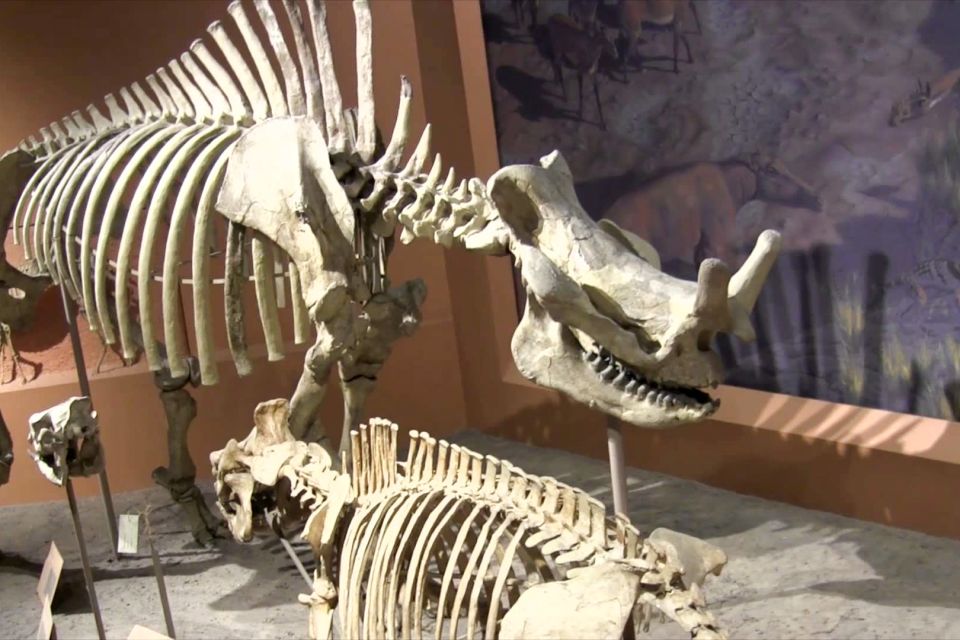
Then the Fossil Lab area gives your brain a new job. Instead of simply admiring fossils, you get a feel for the process that turns rock into evidence. That shift is one of the reasons this tour feels better than a simple museum walk. You leave with a clearer sense of how knowledge is built, not just what’s on the labels.
You can also read our reviews of more museum experiences in Washington Dc






Ocean Hall coral reef: sea life without a plane ticket
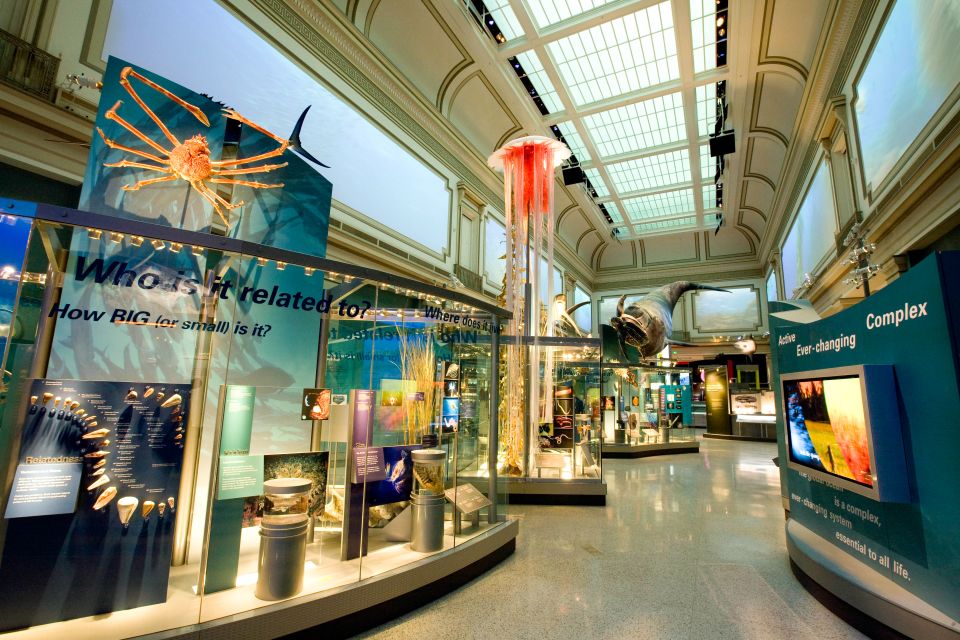
If you want one stop that feels like a mood change, it’s the Ocean Hall. This tour includes an Ocean Hall highlight where a real-life coral reef exhibit brings the sea to you.
The value here is that you’re not just hearing about oceans. You’re seeing an indoor ecosystem-style presentation that makes marine life easier to picture. Your guide can point out what to notice so the room doesn’t turn into a blur of colors and shapes.
If you’ve got time pressure in DC, this is also a smart use of a highlight tour. It covers a whole world in one place—one of those “I get it now” rooms.
Phoenix the whale replica: a 45-ton story you can’t ignore
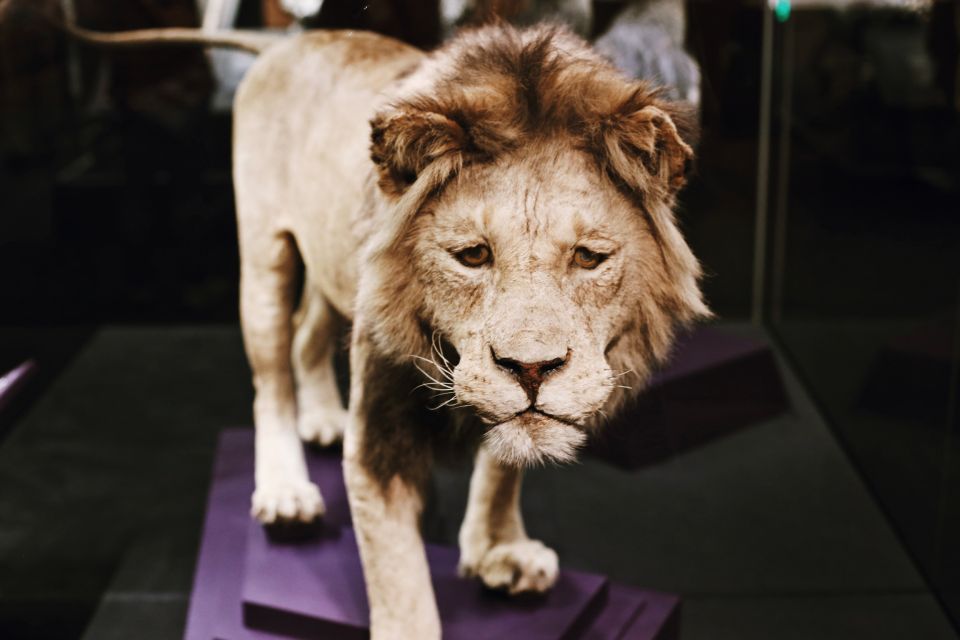
Next up: Phoenix. You’ll see the replica of Phoenix, a 45-ton whale that the museum has been following in the wild. This is one of those exhibits where sheer scale does half the work, and the story does the other half.
With a guide, you’re not stuck just looking at a big object. You learn what makes Phoenix an important case study, and why tracking a single whale can help scientists understand bigger patterns about marine life.
It also helps that the tour treats this stop like a narrative. You move from “what am I looking at” to “why it matters,” and that makes the exhibit feel less like a static display.
Arctic Narwhal and land giants: animal viewing with context
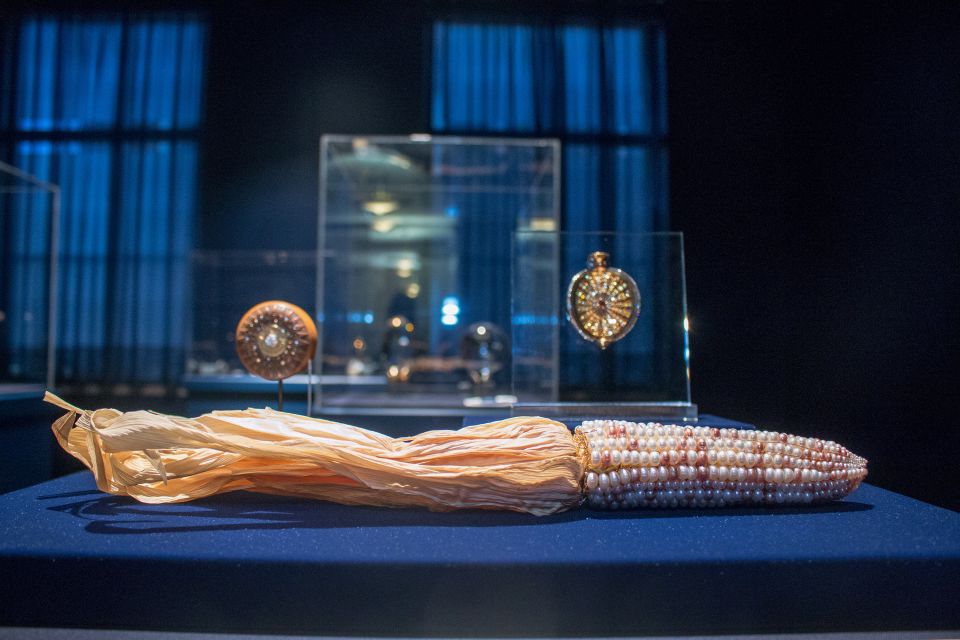
The tour doesn’t only focus on minerals and fossils. You’ll also encounter animal exhibits, including the Arctic Narwhal.
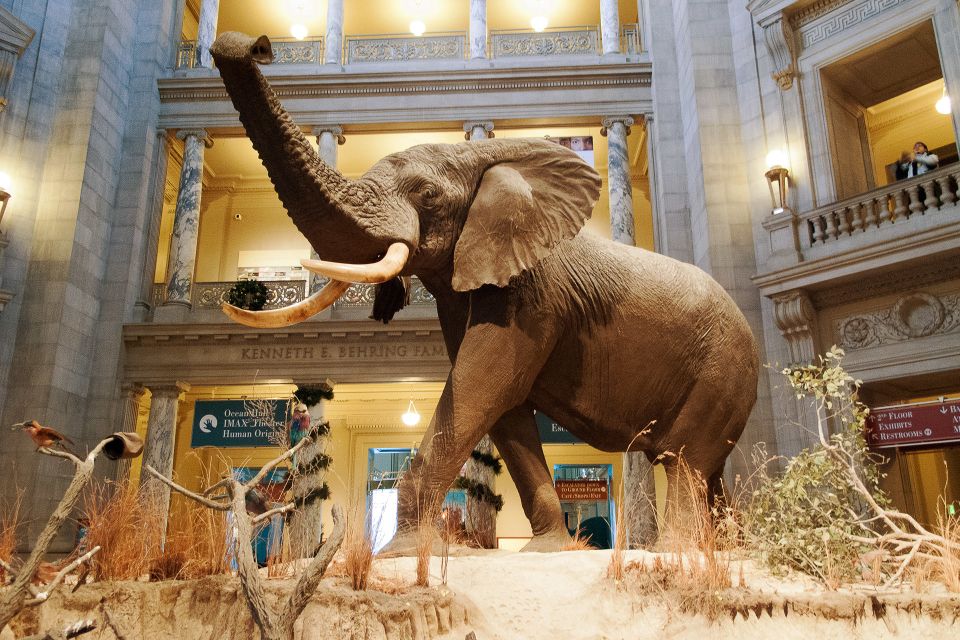
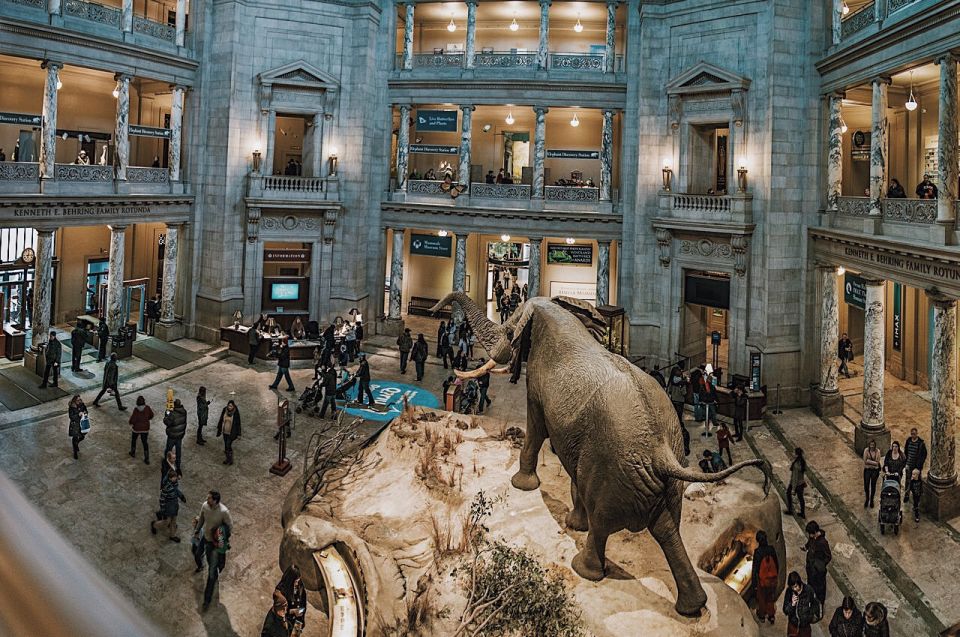
And in the land-giant category, you’ll see a range of large mammals on display, including giraffes, elephants, and polar bears, among others. These stops are valuable because they keep the pace from turning too heavy. After gems and science labs, the animal displays remind you why museums exist: to connect curiosity with understanding.
With a skilled guide, even a familiar animal becomes more interesting. You’ll get practical context—what to look for in the display and how the museum interprets the animal’s traits and habitat.
Small-group guidance: how it turns into your tour
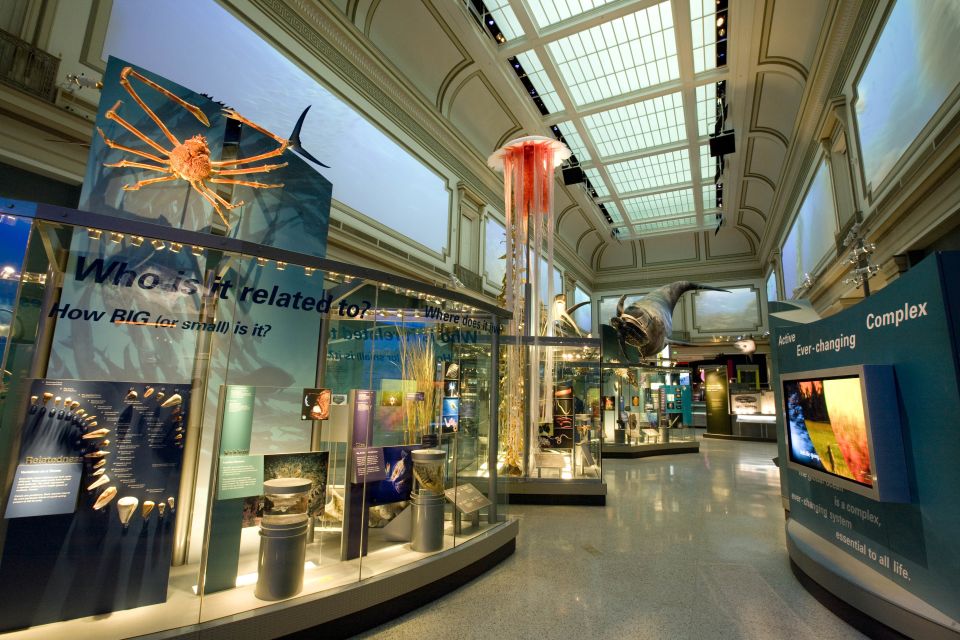
The tour runs as either private or small groups of no more than 8 people. That small size matters more than it sounds. In a museum this big, crowd pressure can wreck your experience. Here, your guide can slow down when you’re interested and keep you from getting spun in circles.
Some guides also tailor the tour based on the group. Tim is an example—his approach included asking about interests and adjusting the route so the group spent more time where it mattered most. Tony and Brenda were noted for keeping families engaged at each stop, even when the group had kids and a first visit vibe.
If you want a museum visit that feels personal—without paying for a full private booking—this is a good match.
Price and value: what $86 gets you
At $86 per person for a 2.5-hour guided walking tour, the value comes from what’s included, not just the length.
You’re getting:
- A professional guide
- A route focused on major exhibits and “headline” rooms
- Small-group limits (max 8)
- Skip the ticket line
- The big objects you’d probably want to see anyway: Hope Diamond, Dom Pedro Aquamarine, mummies, Ocean Hall, Phoenix, Fossil Lab, Arctic Narwhal, and land giants
The tour price also makes sense if you’re the type who plans tightly. You’re paying to avoid wasted time and to get an expert interpreter for the museum’s complicated collection.
If you’re the type who likes to wander without a plan, the cost might feel harder to justify. But if you want to see the best parts while learning the why behind them, the guide adds clear value.
Who this tour suits best (and who might not love it)
This tour is a strong fit for:
- First-time visitors who want the key highlights without spending all day
- Families who benefit from a guide keeping momentum and attention
- People who like science stories, not just photo stops
- Anyone who wants a shorter “DC museum win” that still feels meaningful
You might want to skip this specific format if:
- You want temporary exhibits (these aren’t part of the tour focus)
- You plan to bring larger luggage (security rules restrict what you can carry)
- You need a lot of time in one room to read every label and take it slow
Also, there’s a mixed note on wheelchairs in the provided details: wheelchair tours are listed as available by request only, but the activity is also marked not suitable for wheelchair users. If mobility access is a priority, you should confirm the workable plan with the operator before you book.
Should you book this National Museum of Natural History tour?
I think you should book it if you want the museum’s greatest hits with context and less guesswork. This is especially true if you only have a half-day window, because the guide helps you hit the best parts efficiently and explains what you’re seeing rather than dumping you into a huge collection and wishing you luck.
If you have the whole day and you love roaming without structure, you might prefer doing the museum on your own. But for most people, the best move in DC is the smartest one: get a guide for the high-impact route, then return later for the galleries you didn’t have time to explore.
FAQ
How long is the National Museum of Natural History walking tour?
It lasts about 2.5 hours.
Is it private, semi-private, or shared?
You can choose private or small-group options. Each tour allows no more than 8 people. For semi-private tours, there is a minimum of 2 participants.
What are some of the main highlights included?
The tour includes the 46-karat Hope Diamond, the Dom Pedro Aquamarine (and the Star of Asia Sapphire), real mummies, Ocean Hall with a real coral reef exhibit, the Phoenix whale replica (45-ton), the Fossil Lab, the Arctic Narwhal, and land giants like giraffes, elephants, and polar bears.
What do I need to bring and what ID is required?
Bring a passport or ID card and have valid photo ID.
Are hotel pickup and drop-off included?
No. Hotel pickup and drop-off are not included.
Is the tour wheelchair accessible?
Wheelchair tours are listed as by request only, but the activity is also marked as not suitable for wheelchair users. You should confirm the specific fit with the operator before booking.