REVIEW · WASHINGTON DC
Dreaded Dead Descent of the District: DC Ghost Tour
Book on Viator →Operated by DC Ghosts By Us Ghost Adventures · Bookable on Viator
DC at night has a second heartbeat. This ghost walk runs through Washington’s most familiar power spots with an offbeat evening tone and eight chances to ask questions and get context.
I like the way the tour balances ghost stories with what shaped the city you’re standing in. I also like the format: short stops, active guiding, and enough time at each location to connect legends to the buildings themselves.
One thing to consider: the spook factor can depend on the guide’s style. Some nights lean more history and jokes, so if you want maximum scary, you may want to arrive ready to ask for more ghost detail.
In This Review
- Key things to know before you go
- A one-hour loop that hits DC’s scariest power blocks
- Price and what you actually get for $32
- Meeting point on 15th St NW: timing matters more than you think
- Lafayette Square and the White House zone: why the setting works
- Stop-by-stop: eight haunted places with real reasons to be there
- Stop 1: US Department of the Treasury Annex
- Stop 2: President’s Park (White House grounds)
- Stop 3: White House Visitor Center
- Stop 4: Blair House
- Stop 5: Decatur House (Lafayette Square)
- Stop 6: The Hay-Adams
- Stop 7: St. John’s Episcopal Church (Lafayette Square)
- Stop 8: Dolley Madison House
- Guides matter: the style range you should expect
- How much walking is it, really?
- Who this tour is best for
- Should you book DC Ghost Tour Dreaded Dead Descent of the District?
- FAQ
- How long is the DC Ghost Tour?
- How much does it cost?
- Where do I meet for the tour?
- Is the tour in English?
- Do I need to print a ticket?
- What stops are included?
- Is there any admission fee for the stops?
- What should I wear?
- Can children attend?
- What’s the group size?
- Can I cancel for a refund?
Key things to know before you go
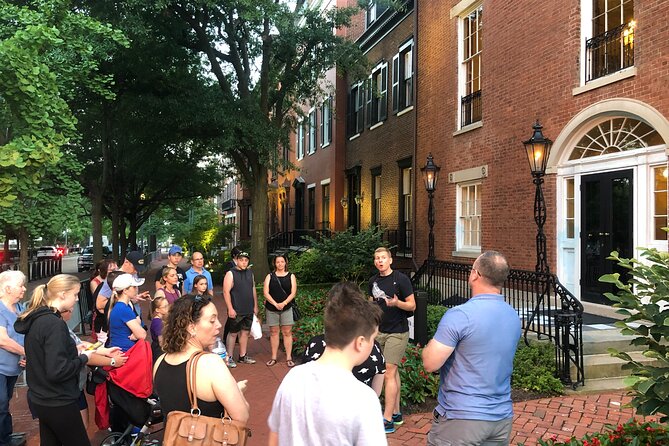
- Eight landmark stops from the Treasury Annex to the Dolley Madison House
- Short, steady pacing (about 6–7 minutes at each stop) for a one-hour loop
- White House area legends, including Abraham Lincoln stories people associate with the Visitor Center
- A Lafayette Square cluster that ties together Decatur House and St. John’s Episcopal Church
- You can engage directly with your guide, not just listen and walk
- Group size max 35, so it feels social without being huge
A one-hour loop that hits DC’s scariest power blocks
This tour is designed for people who want something fun without spending the whole night, and it fits neatly into a first-time DC visit. In about an hour, you move from place to place in the same central corridor: the government buildings, the White House area, and nearby historic homes of prominent figures.
The best part is that the tour doesn’t treat DC like an empty stage. It connects supernatural stories to why the location matters. Even if you don’t believe in ghosts, you’ll still come away with a stronger sense of how the city works and who lived, worked, and visited these buildings.
You can also read our reviews of more tours and experiences in Washington DC.

Price and what you actually get for $32
At $32 per person, this is priced like an affordable activity you can do even if you’re already spending on museums and tours. You’re paying for a guided route, not for admission tickets, since each listed stop notes free admission.
For value, the key is the mix of:
- Eight points of interest you’ll visit in one concentrated outing
- A guide who’s expected to bring well researched history and local ghost lore
- A format that works for people who want a night activity but don’t want hours of walking
If you’re paying for a ghost tour, the one fair risk is that the delivery can vary from guide to guide. Some runs feel more spooky than others, and a few guests felt the narration drifted toward general history. My advice: if you care a lot about the ghost content, set that expectation early—ask a question right away and steer the conversation back to the hauntings.
Meeting point on 15th St NW: timing matters more than you think
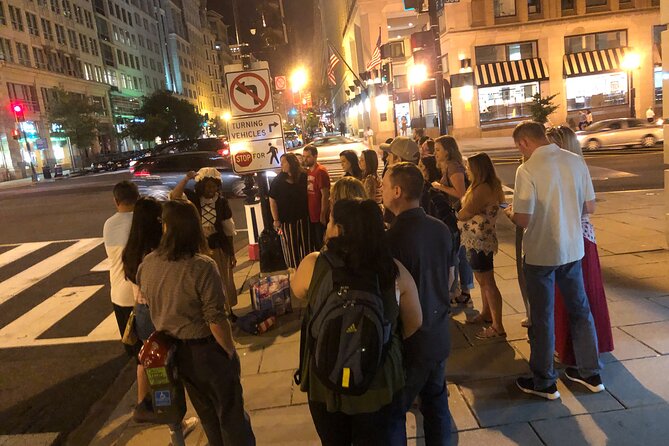
You meet at 15th Street NW and F Street NW in Washington, DC. The tour ends back at the meeting point, so you’re not stuck figuring out the last mile at night.
This matters because the stops are timed to stay on track—roughly 6–7 minutes per location. With a max group size of 35, you’ll usually keep moving at a relaxed pace, not a sprint.
Dress for an evening walk. The tour calls for smart casual and notes it runs in all weather. DC can shift fast: cool air plus drizzle makes the night feel sharper, and at least one guide-handling comment specifically praised the experience even with rain.
Lafayette Square and the White House zone: why the setting works
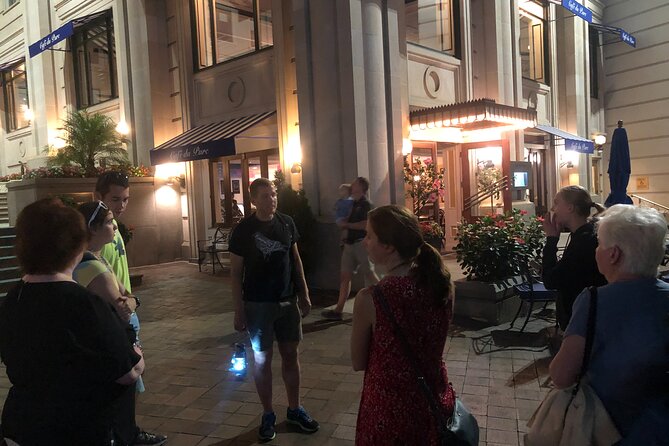
A huge part of the appeal here is geography. You’re in a tight pocket of DC where politics, famous visitors, and historic residences all overlap. That overlap makes ghost stories stick better, because the places themselves have real, documented roles in national life.
Even if you’re just using the tour to get your bearings, you’ll still learn what’s behind the headlines:
- Which buildings hosted important guests
- Where presidential history tends to cluster
- How historic neighborhoods like Lafayette Square became part of DC’s story
Also, this is a public, central area. You might run into construction, street changes, or crowds. One guest specifically mentioned construction and protests affecting the vibe near landmarks, but still found the walk manageable. That’s your cue to stay flexible and expect the city around you to be active.
Stop-by-stop: eight haunted places with real reasons to be there
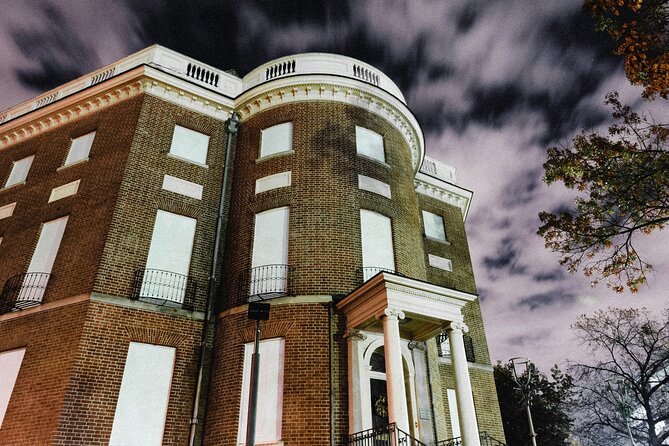
Below is what you can expect at each stop, and what makes it interesting beyond the spooky angle.



Stop 1: US Department of the Treasury Annex
This is where the tour starts with a chilling premise: the Treasury Annex is rumored to be haunted by spirits of people who once worked there. The stories focus on eerie office activity—ghostly figures and unexplained noises tied to the building’s interior history.
Why I think this opener works: it puts the supernatural on a foundation of national importance. The Treasury is tied to money, records, and generations of workers—so the ghost lore feels less random and more like a thread in DC’s larger narrative.
Potential drawback: if you’re hoping for action or dramatic reenactments immediately, this first stop may feel more story-driven than spooky visuals.
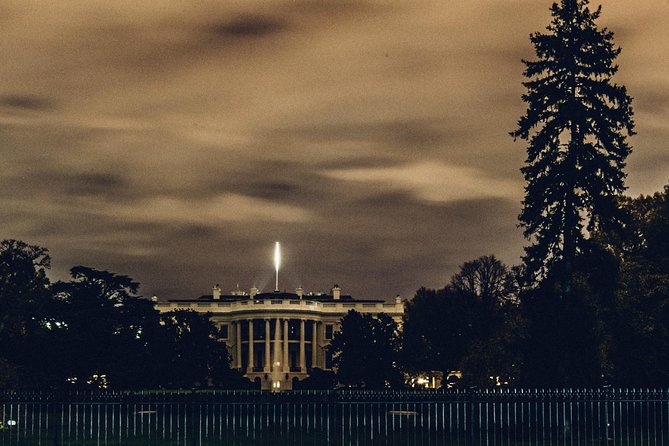
Stop 2: President’s Park (White House grounds)
Next comes President’s Park, surrounding the White House. Here, the ghost tales turn toward apparitions and strange sensations near statues and monuments.
This stop is also a great orientation moment. You’re standing in the landscape that anchors DC’s identity. Even if you skip the supernatural parts, you’ll better understand how the White House area is laid out and why people gather there for photos and ceremony.
Tip for getting the most out of it: ask your guide what details you should watch for while you’re in the park. The tour format is short here, so questions help you lock onto the best story beats.
Stop 3: White House Visitor Center
The most iconic setting on the route is also one of the most frequently mentioned in ghost lore. The White House Visitor Center has stories tied to past presidents and first ladies, with Abraham Lincoln often named.
This stop is a classic example of how the tour blends the real and the eerie. Lincoln’s presence in DC history is unavoidable, so the supernatural layer feels like a local add-on rather than a totally separate topic.
What to consider: this area can be busy. Plan for that crowd energy and keep your expectations focused on storytelling rather than private access.
Stop 4: Blair House
Blair House is the official guest residence for visiting heads of state. Its haunting reputation points to former guests and staff—unexplained noises and ghostly apparitions are part of the legend.
I like this stop because it shifts the ghost stories from lone legends to people who passed through at high stakes. Heads of state don’t just visit for sightseeing; they arrive with diplomacy. That context gives the haunting stories a built-in drama.
Potential drawback: if you want maximum scare factor, you may find this stop more “atmosphere + narrative” than intense paranormal action.
Stop 5: Decatur House (Lafayette Square)
Over at Decatur House, the tour focuses on colonial-era legend. The haunted stories include apparitions and mysterious sounds linked to its time as a residence for prominent figures.
This is your chance to connect the Lafayette Square area dots. Decatur House sits in the same orbit as other famous landmarks nearby, so by now you’re starting to see how the neighborhood’s identity formed.
Small practical bonus: Lafayette Square is a natural photo zone. If your guide flags photo spots, take them seriously. One guide was praised for pointing out good times to photograph buildings while still keeping the tour moving.
Stop 6: The Hay-Adams
Next is the Hay-Adams Hotel overlooking Lafayette Park. The lore here focuses on paranormal activity, especially in older parts of the property, with reported sightings of ghostly figures and strange occurrences.
Hotels are common in ghost stories for a simple reason: they’re full of movement—new people every day, old hallways always there. That makes the legends easier to believe as “life leaving a trace,” even if you don’t think ghosts are real.
Possible drawback: being a hotel, you’ll likely experience this stop from the outside or at a distance. The value here comes from the story, not from exploring rooms.
Stop 7: St. John’s Episcopal Church (Lafayette Square)
Across from the White House sits St. John’s Episcopal Church, where the haunting reputation centers on past parishioners and clergy. The stories include apparitions and eerie feelings inside the church’s historic walls.
This stop adds a different flavor to the tour. The legends here aren’t about politics alone—they’re about faith communities and long-term memory in a place that has served generations.
Tip: if you’re the type who likes to listen closely, this church stop is often where the atmosphere turns more reflective. Keep your tone steady and let the guide finish their full story before you start bouncing questions around.
Stop 8: Dolley Madison House
The final stop is the Dolley Madison House, tied to legends of Dolley’s spirit. Reports include ghostly apparitions and strange occurrences near the historic home.
This is a satisfying closer because it brings the tour back to a human scale. You end with a first lady known for her presence and influence, not just a landmark in the distance. It’s easy to leave with one clear takeaway: DC’s ghost lore often attaches itself to memorable people, not just spooky architecture.
If the White House lawn or nearby areas are affected by renovations on your date, it can change how you pause for photos along the way. But the Dolley Madison story still lands as a strong finish because it’s tied to the specific house you’re standing near.
Guides matter: the style range you should expect
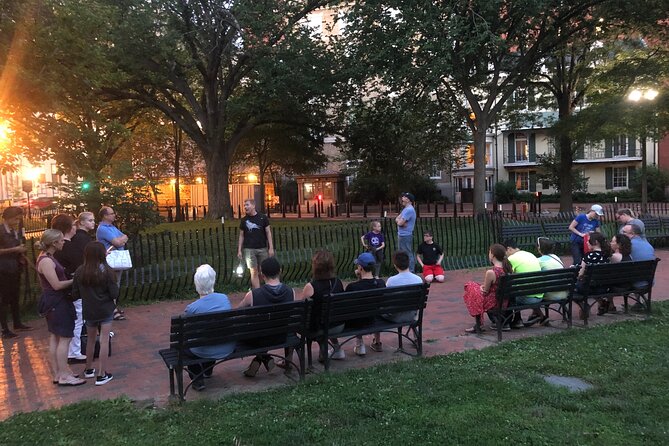
Your experience depends a lot on the guide. The stories you’ll hear are the same broad shape, but the delivery can swing.
From the guide names shared by guests, I’d expect styles like:
- Doug, praised for being engaged and for strong Lafayette Square storytelling
- Tony, praised for being clear and funny enough that groups could hear him, plus side facts and helpful photo moments
- Elias, praised for high energy and interaction
- John, praised for humor and even reenactment-style moments
- Dena, praised for humor and making the walk enjoyable
- Josh, praised for historical detail, with some requests for more spooky content
- And on the flip side, there are also comments about guides sounding rushed, rote, or ending early
What this means for you: choose a time when you’re in the mood for a guided performance. If you want more scares, ask early for the spookiest story they can tell. If you want more DC context, lean into questions about why each building mattered.
Either way, I’d treat the tour as a night storytelling walk. Not a movie. Not a jump-scare show. It’s people talking, you listening, and DC lending the atmosphere.
How much walking is it, really?
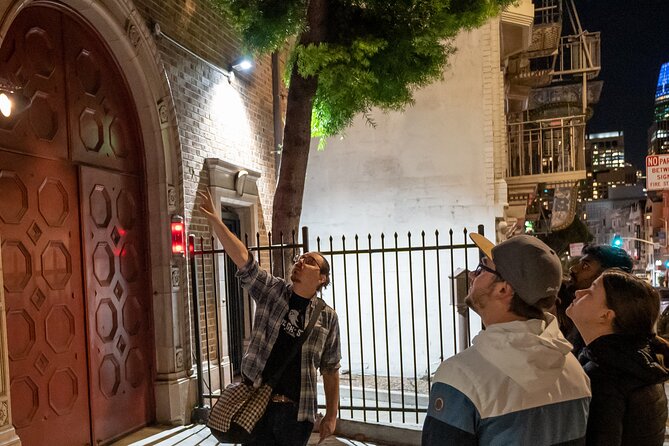
The stops are close enough for an easy one-hour loop. Some guests described it as not too much walking, with about a quarter mile mentioned in one case. Other comments note the route had enough movement to count as a real walk, just not a grind.
If you have moderate mobility needs, this is still the kind of activity that can work because it’s paced by short stops. Wear comfortable shoes you’d wear for an evening city stroll, and keep your head up for uneven sidewalks and crowd bottlenecks around the most famous areas.
Who this tour is best for
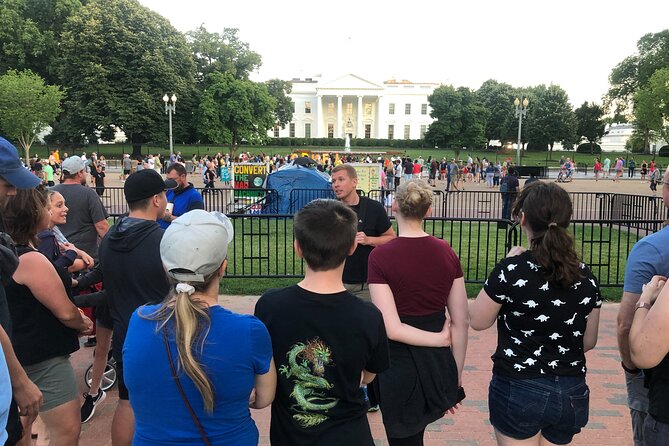
This is a strong fit if you:
- Want a first-night activity that shows you key DC landmarks quickly
- Like the blend of political history + ghost stories
- Enjoy asking questions and getting a guide’s take, not just reading plaques
- Want something doable on a tight schedule
It may be less perfect if:
- You want heavy scares and lots of “poltergeist moment” drama every stop
- You’re extremely sensitive to fast or repetitive narration styles
- You’re expecting a tour where the ghost theme is always the center of every minute
In other words, if you like DC and can roll with storytelling, you’ll likely have a good time.
Should you book DC Ghost Tour Dreaded Dead Descent of the District?
I’d book it if you want a compact, entertaining way to see the White House area and Lafayette Square while learning why these places are culturally loaded. The pricing makes sense for a guided loop, and the route hits eight landmarks that most visitors pass only as postcards.
I’d skip it if you’re specifically chasing a high-intensity horror experience. This isn’t advertised as that kind of show. It’s more like a guided ghost walk with history steering the wheel.
If you do book, plan to bring curiosity. Pick one stop you’re most excited about—Lincoln lore at the Visitor Center, the Treasury Annex office stories, or Dolley Madison to finish strong—and ask your guide to spend extra time there. That’s the best way to make sure the spook factor matches what you want.
FAQ
How long is the DC Ghost Tour?
It runs about 1 hour.
How much does it cost?
The price is $32.00 per person.
Where do I meet for the tour?
You meet at 15th Street NW & F Street NW, Washington, DC 20004, USA.
Is the tour in English?
Yes, the tour is offered in English.
Do I need to print a ticket?
No. You get a mobile ticket.
What stops are included?
The tour includes eight points of interest: the US Department of the Treasury Annex, President’s Park, the White House Visitor Center, Blair House, Decatur House, the Hay-Adams, St. John’s Episcopal Church (Lafayette Square), and the Dolley Madison House.
Is there any admission fee for the stops?
The stops listed on the route are marked as admission ticket free.
What should I wear?
Dress code is smart casual. The tour runs in all weather conditions, so dress appropriately for an evening walk.
Can children attend?
Yes, but children must be accompanied by an adult.
What’s the group size?
The tour has a maximum of 35 travelers.
Can I cancel for a refund?
Yes. Free cancellation is available if you cancel up to 24 hours in advance for a full refund.