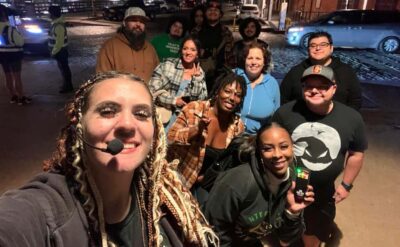
REVIEW · WASHINGTON DC
Grand Tour Of Washington DC
Book on GetYourGuide →Operated by Zohery Tours · Bookable on GetYourGuide
DC finally clicks when someone explains why. This 4-hour Grand Tour of Washington DC is a live, narrated bus route through the capital’s biggest monuments and memorials, built for people who want context fast, not just photos. The highlight for many bookings is the scholar-led approach, framed by Dr. Ali Zohery, Ph.D., who focuses on what shaped the nation behind the stone and bronze.
I like two things right away. First, you’re not left guessing what you’re looking at; you get historical narration as you ride, with attention to how events and architecture connect. Second, the tour includes actual stops where you can get out and do real photo ops, especially around the Lincoln Memorial area.
One consideration: the tour is only four hours, so time at each monument can be brief. Also, if Dr. Zohery’s scholar-led narration is the main reason you booked, do expect some variability day to day, since not every departure seems to match the exact advertised format.
In This Review
- Key things to notice before you go
- Meeting at 400 New Jersey Ave NW: start where the action is
- Scholar-led narration with Dr. Ali Zohery: how DC feels different
- A quick reality check
- The 4-hour bus route: you’ll cover a lot, but not at museum pace
- How to make short stop time work for you
- Lincoln Memorial stop: photo ops plus meaning (if the narration clicks)
- Capitol area pass-by: symbolism you can spot in a minute
- Old Post Office, Navy Memorial, and FBI headquarters: DC beyond the obvious icons
- Tickets, museums, and what’s not included: plan your follow-up day
- Price and value: is $59 worth it for four hours?
- Who this tour fits best (and who should pick something else)
- Make it better: small choices that help on the ground
- Should you book the Grand Tour of Washington DC?
- FAQ
- FAQ
- How long is the Grand Tour of Washington DC?
- Where does the tour start?
- Is this tour guided and narrated?
- Is the tour mostly by bus?
- Does the price include tickets to monuments and museums?
- What language is the tour offered in?
- What should I bring?
- Is this tour suitable for wheelchair users?
- What’s the policy if plans change?
Key things to notice before you go

- 400 New Jersey Ave NW Hyatt Regency meetup: the departure point is clear, easy to find on the DC side.
- Live narrated bus route: you get historical commentary during the ride, not just at a couple of stops.
- Lincoln Memorial photo time: you’ll have time to stop and take pictures rather than just passing by.
- You pass major DC institutions: Old Post Office, the Navy Memorial, and FBI headquarters are on the route.
- Dr. Ali Zohery, Ph.D. scholar-led framing: the tour is designed to connect monuments to the ideas behind them.
- Comfortable shoes matter: you’ll do some walking and standing outside during stops.
Meeting at 400 New Jersey Ave NW: start where the action is

You begin at 400 New Jersey Ave NW, in front of the main entrance of the Hyatt Regency Hotel. That’s a practical choice. It puts you in the central DC zone where you can get moving quickly, rather than starting far out and losing time to transit.
This is also one of those tours where your arrival timing matters. If you show up late, you risk starting the day already behind. I’d aim to arrive early enough to settle in, use the restroom if you need it, and get your camera ready before the bus pulls away.
Bring comfortable shoes because even when it’s a bus tour, you’re still stepping out for landmark time. And yes, you’ll be standing around outside with other people, doing the classic DC thing: waiting for the group to reassemble while you hold your spot like it’s the last one in line.
You can also read our reviews of more tours and experiences in Washington Dc.



Scholar-led narration with Dr. Ali Zohery: how DC feels different
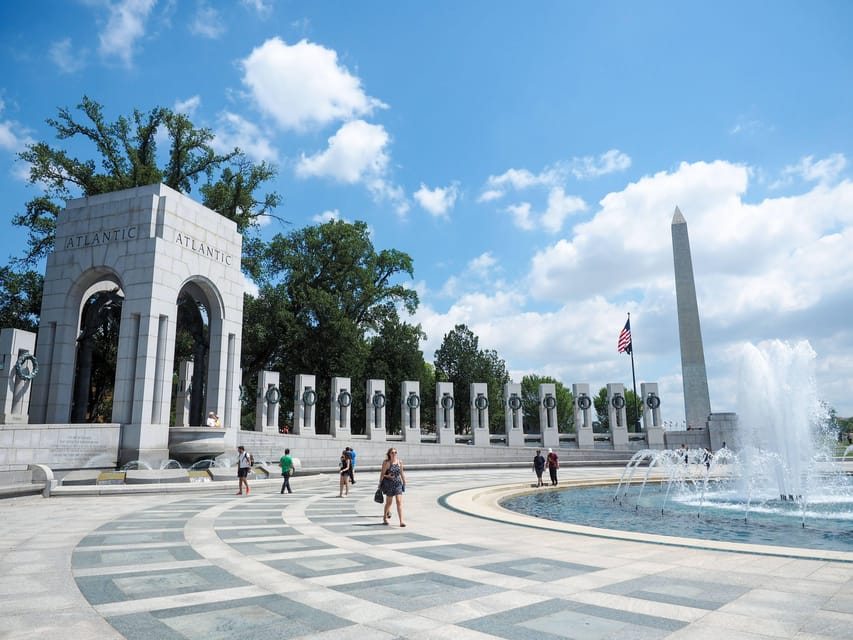
The pitch here is simple: don’t just see DC, understand why it was designed the way it was. The tour is marketed as scholar-led, tied to Dr. Ali Zohery, Ph.D., with a style that treats monuments like evidence in a story.
What that means in real life is you get connections you might otherwise miss. For example, you won’t just look at the Lincoln Memorial as a landmark. You’re guided toward the surrounding context—like tying it to the meaning and influence of the Gettysburg Address. That’s the kind of link that makes you feel smarter in five minutes, not ten museum hours.
You also get this approach applied to the Capitol area. Instead of only naming what’s in front of you, the narration is designed to explain the creation process and the historical forces behind it. When you’re moving by bus, that kind of framing is the difference between sightseeing and actually getting your bearings.
A quick reality check
Here’s the tricky part: a couple of reports attached to this experience describe departures that didn’t match the scholar-led promise, with narration falling flatter than expected. That doesn’t mean your day will be the same. It does mean that if Dr. Zohery’s role is a must-have for you, it’s worth paying attention to the actual guide details shown for your specific booking.
The 4-hour bus route: you’ll cover a lot, but not at museum pace

This tour is built as a four-hour narrated bus loop through the capital area, focused on the main monuments and memorials. That’s the core tradeoff: you’ll see plenty of highlights, but you won’t get the slow, lingering pace of a self-guided day with timed entry.
During your ride, you get live narration. That’s valuable because it turns the bus window into a learning tool. But the moments when you can truly explore are time-limited. At some stops, the time on the ground can feel short, and the value of the stop depends on whether the guide is actively explaining as you’re there.
One report described monument viewing as brief—around ten minutes—without much history from the bus driver. I can’t promise every departure runs the same way, but I can tell you how to plan for this: treat stops as “see and shoot” moments unless you know you’ll get a longer explanation on-site.
How to make short stop time work for you
- Think in priorities: one photo you must get, then move.
- Keep your phone battery charged and your camera settings ready.
- Don’t wait until the last second to step out. You’ll lose the best light and the group will drift forward.
And since tickets to monuments and museums aren’t included, you’ll want to treat the tour as the orientation layer. If you want to go inside anything, plan that separately.






Lincoln Memorial stop: photo ops plus meaning (if the narration clicks)
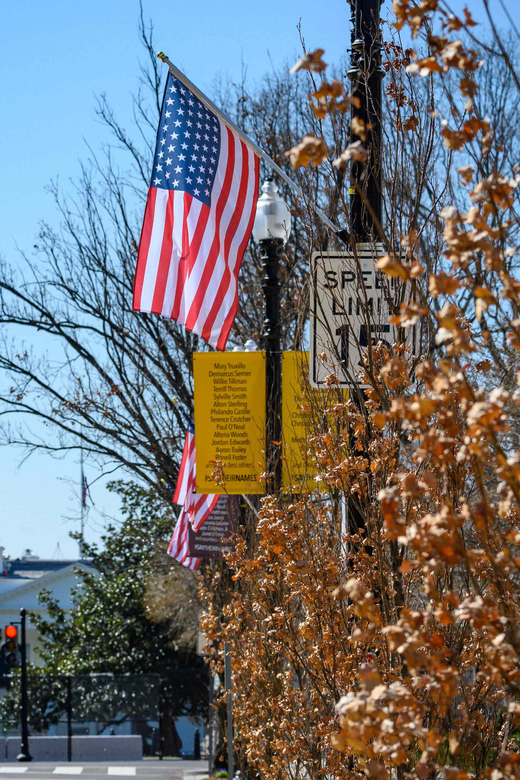
The Lincoln Memorial is the emotional magnet of this tour route, and the experience includes stops near Lincoln where you can get photo ops. Even if you’ve seen it in pictures a dozen times, it hits differently when you’re standing on the right axis and have context for what the memorial represents.
What I like about this stop is that it’s easy to enjoy on two levels:
- The visual one: you get the classic views and can take meaningful photos without sprinting around.
- The story one: with the tour’s scholar-led framing, you’re not just staring at Lincoln—you’re hearing how the ideas tied to him echoed through American life and politics.
If your guide spends real time on the connection—like the tour’s emphasis on the Gettysburg Address—you’ll leave feeling like you understood why the memorial matters. If the narration is light, you’ll still walk away with great photos, just without as much “aha.”
Capitol area pass-by: symbolism you can spot in a minute
Your tour also includes time around the Capitol area, with narration focused on the architectural symbolism and the events that led up to its creation. Even if you’re not spending long inside, this kind of commentary changes what you notice.
Here’s what you can do to benefit even with limited time:
- Look at major forms (domes, columns, the overall composition).
- Listen for the explanation of why the building looks the way it does.
- Connect the design to the political ideas that were shaping the country at the time.
The tour approach is built for momentum. You ride, you hear the backstory, you spot the elements, and you move on. It’s not a “stand and read every plaque” day. It’s more like getting the map of the city’s symbolism while you’re still near it.
Old Post Office, Navy Memorial, and FBI headquarters: DC beyond the obvious icons
One of the quietly useful parts of this tour is that you don’t just stay in the postcard bubble. The bus route passes the Old Post Office, the Navy Memorial, and the FBI headquarters. You might not stop at all of them for a long time, but you’ll get a sense of where institutions sit in the DC layout.
Why that matters: Washington can feel abstract if you only focus on the monuments. Seeing the surrounding federal world helps the city make practical sense. It’s the difference between DC as a theme park and DC as a working government capital.
Also, these passes can help you later if you plan your own follow-up. For example, if you’re the type who wants to return to one spot with more time, you’ll already know the general location and how it fits into the day’s route.
Tickets, museums, and what’s not included: plan your follow-up day
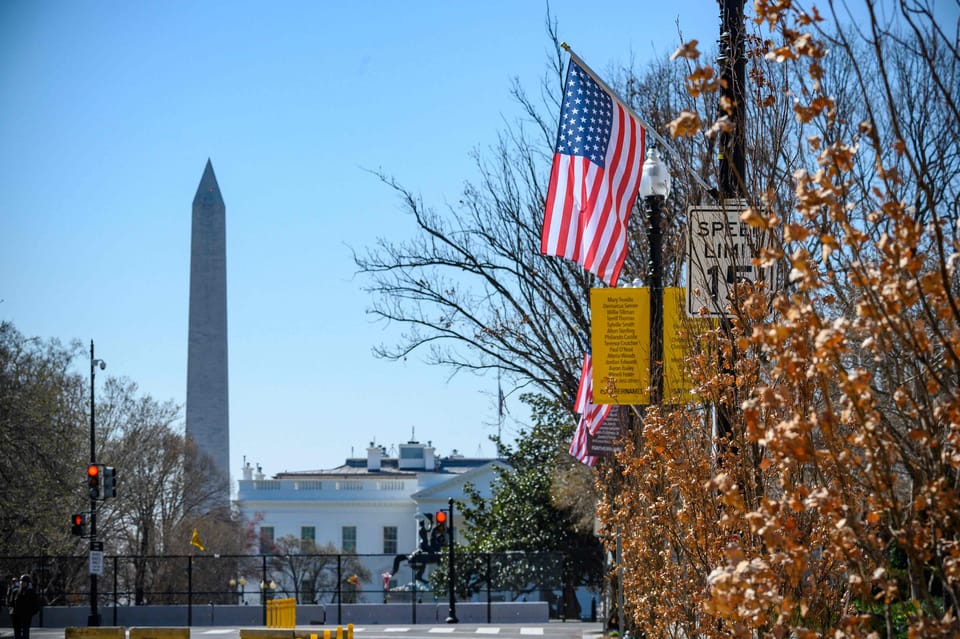
The tour includes city bus tour and live guide with historical narration, plus stops at landmarks where you can explore. What’s not included is food and drinks, and also tickets to monuments and museums.
That means you should expect outside exploration more than inside museum time. If you want specific exhibitions, monument access, or anything that requires timed entry, you’ll need to budget for those separately and add extra time.
Practical tip: treat this tour as your “DC orientation + stories” session. Then decide what deserves a second visit. Many people leave Washington wishing they had more time at one place that mattered. This tour can help you choose which place to return to, based on the themes your guide emphasized on the bus.
Price and value: is $59 worth it for four hours?
At $59 per person for a four-hour narrated experience, you’re paying for three main things:
- Transportation by bus
- Live narration
- Landmark stops for exploration and photo ops
What you’re not paying for is tickets and most food costs. So the “value math” comes down to your travel style.
This is good value if you:
- Want to get oriented quickly
- Like learning as you travel
- Would rather pay for a guide than spend hours researching before you go
It’s less good value if you:
- Want long museum time and slow walking
- Prefer a self-guided pace
- Are primarily chasing specific ticketed attractions and plan to do them immediately
Given the four-hour limit, you should also treat it as a starter course, not the whole meal. You’ll likely still want at least part of another day for deeper entry and lingering.
Who this tour fits best (and who should pick something else)
I think this tour fits best if you’re:
- Visiting DC for the first time and want a fast overview
- Interested in how monuments connect to political and historical context
- Traveling with limited time and want a guided route that covers the big names
It may be a poor match if you:
- Need wheelchair access (this experience is not suitable for wheelchair users, per the provided information)
- Are traveling with an infant under 1 year
- Have mobility constraints that make standing during short stops difficult
If you’re older than 95, it’s also not recommended. That’s not judgment; it’s just the reality of a bus + walking stops format.
Make it better: small choices that help on the ground
To get your money’s worth in a route like this, focus on the moments when narration and stops line up.
- Wear shoes you can stand in comfortably for short periods.
- Bring a jacket or layer. DC weather can swing.
- Have your must-do photos planned before you reach the stop. That keeps you from wasting the short time trying to figure out angles.
- If the scholar-led piece is central for you, be alert when the guide details are shared. Your experience depends heavily on whether the narration is doing the educational work it’s designed for.
And if you care about inside access, don’t assume the tour will cover it. The tour is built for the highlights, not for ticketed deep dives.
Should you book the Grand Tour of Washington DC?
Here’s my straight take. Book it if you want a guided, fast way to see the major DC monuments and walk away with a clearer sense of what they represent—especially if the scholar-led narration approach is appealing to you. The format is efficient, and the Lincoln Memorial focus plus context around the Capitol can make your photos feel earned instead of random.
Skip or pair it carefully if you need lots of time at each stop or if you’re planning on monument and museum entry during the same four hours, because tickets aren’t included. And if Dr. Ali Zohery’s name is the main draw for you, consider that not every departure may run exactly as advertised.
FAQ
FAQ
How long is the Grand Tour of Washington DC?
It runs for 4 hours.
Where does the tour start?
The meeting point is in front of the main entrance of the Hyatt Regency Hotel at 400 New Jersey Ave NW.
Is this tour guided and narrated?
Yes. You’ll have a live guide with historical narration during the tour.
Is the tour mostly by bus?
Yes. It includes a city bus tour, along with stops where you can explore the landmarks.
Does the price include tickets to monuments and museums?
No. Tickets to monuments and museums are not included.
What language is the tour offered in?
The tour is offered in English.
What should I bring?
Comfortable shoes are recommended.
Is this tour suitable for wheelchair users?
No, it is not suitable for wheelchair users.
What’s the policy if plans change?
Free cancellation is available up to 24 hours in advance for a full refund, and you can reserve and pay later.