REVIEW · WASHINGTON DC
Washington DC Day Tour – Private Tour
Book on GetYourGuide →Operated by DCACAR LLC · Bookable on GetYourGuide
Monuments in DC can feel like a maze. This private luxury SUV tour makes it simpler, with hotel pickup and a guided route designed for photo stops.
I especially like the way the tour blends close-up classics—the White House and U.S. Capitol—with moving memorials like Arlington and the Tomb of the Unknown Soldier. And if your guide is the chatty, story-forward type (Andre, for example, is praised for answering questions and pacing things to your comfort), you’ll come away with a much better sense of what you’re actually looking at.
One possible drawback: the experience depends heavily on the guide’s narration style. There’s at least one example where the driver kept things very minimal and the stops felt like a drop-off-and-go ride. If stories matter to you, it’s worth setting that expectation from the start.
In This Review
- Key points to know before you book
- Private luxury SUV: the DC comfort upgrade that actually matters
- The 3-hour rhythm: how the route feels in real life
- White House and U.S. Capitol: first stops, instant context
- WWII Memorial and Martin Luther King Jr. Memorial: two lessons on national change
- Lincoln Memorial and the Vietnam Veterans Memorial: reading grief and resolve
- Arlington National Cemetery and the Tomb of the Unknown Soldier: a pause you’ll feel
- Marine Corps War Memorial and Korean War Veterans Memorial: finishing with purpose
- Price and value: $589 per group for up to 6 people
- Flexibility and comfort: how to tailor the stops to your interests
- Weather and timing: the one thing that can change your day
- Should you book this private Washington DC day tour?
- FAQ
- How long is the Washington DC private tour?
- What is the price and group size?
- Is hotel pickup and drop-off included?
- What vehicle do you ride in?
- Is this a private tour?
- What landmarks are included on the tour?
- Are meals included?
- Are entrance fees included?
- What language is the guide?
- What happens if the weather is bad?
- How does cancellation work?
- How will the pickup communication work?
Key points to know before you book
- Private luxury SUV with door-to-door hotel pickup/drop-off to cut down on DC transit hassle
- A focused 3-hour route that hits major monuments without trying to do everything
- Live English guide who can explain what you’re seeing and answer questions
- Photo-friendly stops at each landmark so you’re not rushing through snapshots only
- Flexible itinerary so you can steer the day toward what you care about most
- Good weather requirement, since the plan relies on comfortable outdoor viewing time
Private luxury SUV: the DC comfort upgrade that actually matters
Washington DC is easy to visit and hard to do “effortlessly.” Roads, parking, and getting in and out of crowded areas can turn a sightseeing day into a logistics day. This tour’s biggest win is the promise of private transport in a luxury SUV plus pickup and drop-off.
That matters because many of the sights on your route are spread across a few different zones. With a car-based approach, you’re not stuck timing buses, squeezing into shuttles, or playing the walking-distance guessing game. You also get something you don’t always get on larger group tours: a pace you control. If you want extra minutes at a memorial wall or a wider angle for a photo, you can usually ask—without making 20 strangers wait behind you.
You also get bottled water, which sounds small until you’re out taking photos near the Potomac-side memorials and you realize you forgot to pack anything. It’s the kind of practical comfort that keeps the day from turning into a chore.
You can also read our reviews of more private tours in Washington Dc



The 3-hour rhythm: how the route feels in real life
The tour is listed as 3 hours, and that time is built for a “high impact” circuit. You’ll be moving between iconic government landmarks and major memorials, with a stop-and-explain flow that’s meant to keep you oriented without dragging the day into an all-afternoon slog.
In practice, 3 hours is just enough for:
- seeing a lot of the most recognizable DC scenes,
- getting a guided narrative to connect the dots,
- and still leaving room for photos and quick questions.
One account described a longer-feeling experience (four hours) that flew by—so timing can feel slightly fluid depending on traffic and how much the guide talks at each stop. Either way, the goal stays the same: you should leave with the key meaning of what you saw, not just images.
White House and U.S. Capitol: first stops, instant context
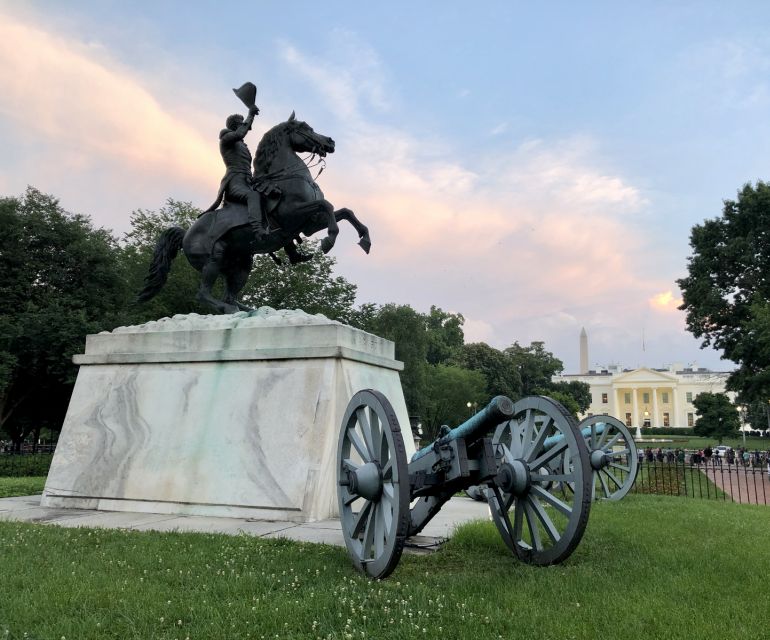
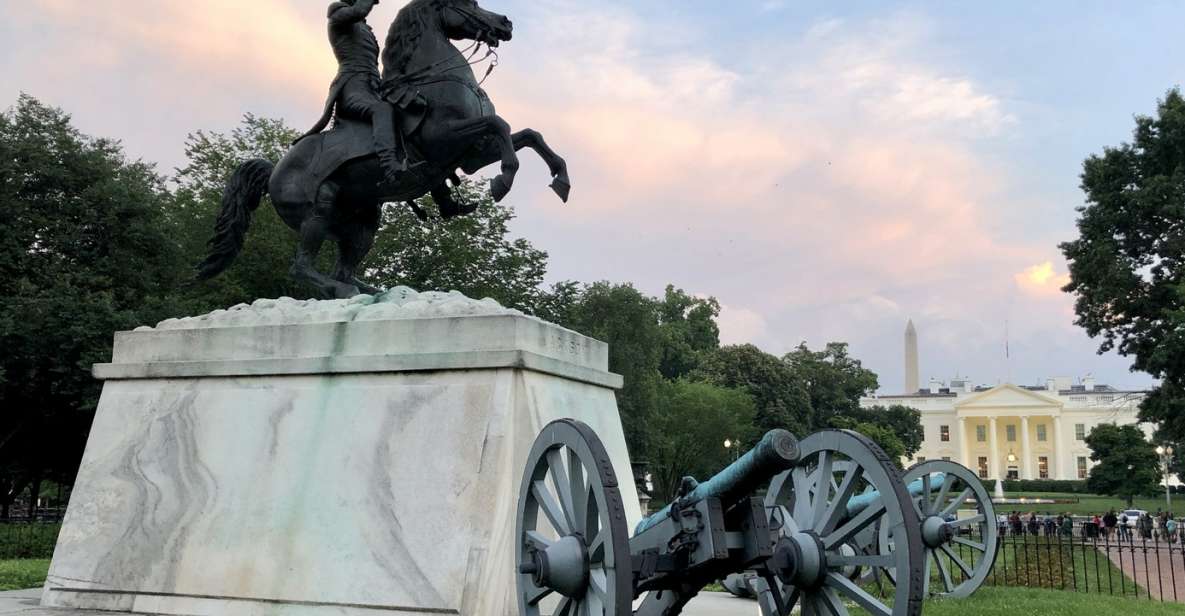
Starting with the White House and the U.S. Capitol gives you a strong anchor. These aren’t just famous backdrops; they help you understand where DC’s story begins: the seat of executive and legislative power.
Even if you’ve seen photos before, seeing them as part of a live guided route helps you place everything else—especially the memorials. A good guide will connect what these buildings represent to the themes you’ll hit later: sacrifice, leadership, civil rights, and national memory.
What to watch for at this stage:
- take a wide shot early, before crowds and traffic shift the viewing angles,
- ask your guide what’s most often misunderstood about each landmark,
- and use the first minutes to get your bearings for the rest of the day.
If you’re the type who likes historical framing, this opening is where the tour can set you up for real understanding. If narration is light with your driver, you may feel like this part turns into pure sightseeing. That’s why guide style really matters.
WWII Memorial and Martin Luther King Jr. Memorial: two lessons on national change
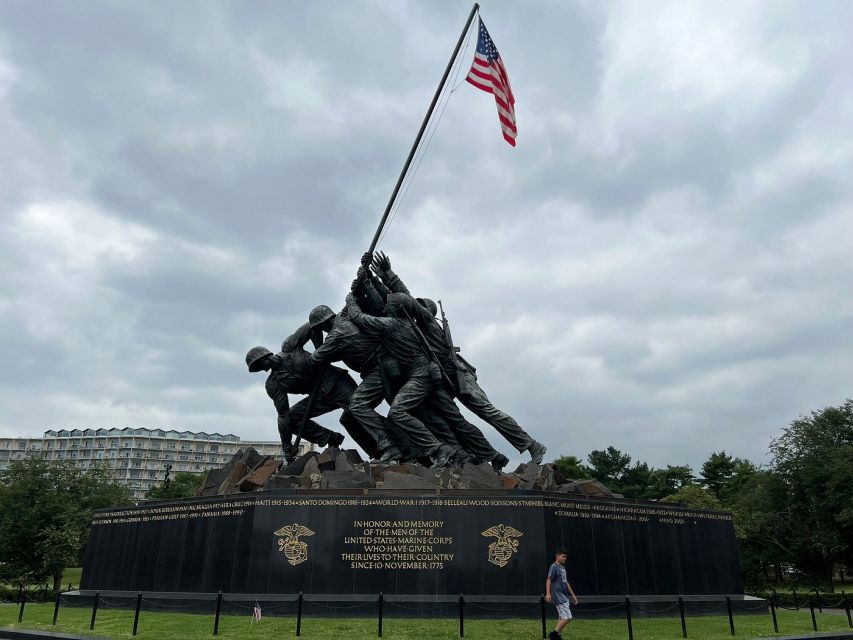
After the government icons, the tour shifts to memory—and that’s where DC becomes more than skyline tourism.
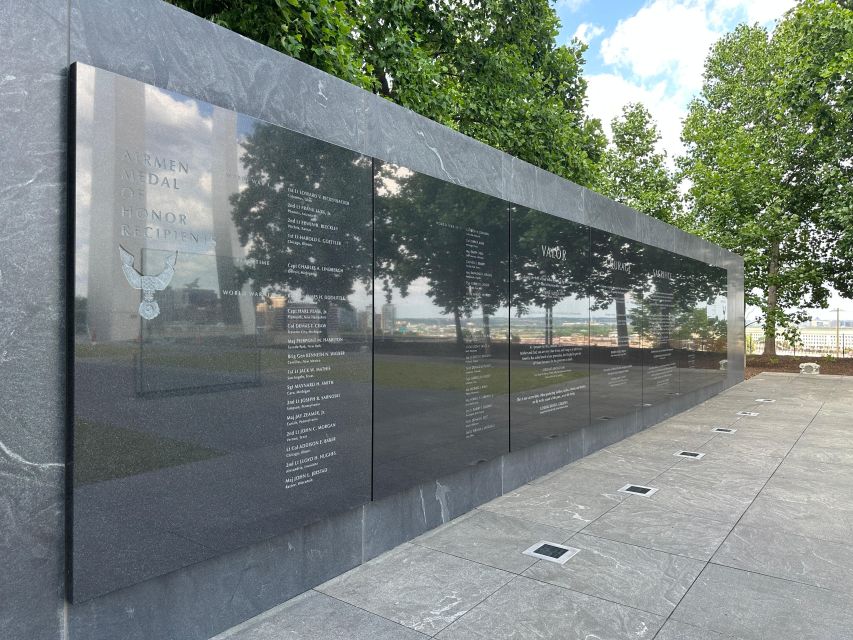
The National World War II Memorial tends to land with visitors because it gives you a sense of scale. It’s not only about what happened; it’s about how the country chooses to remember the people who served. A guide’s narration can help you connect symbolism to real historical outcomes, and that’s the difference between reading a plaque and understanding why the memorial is designed the way it is.
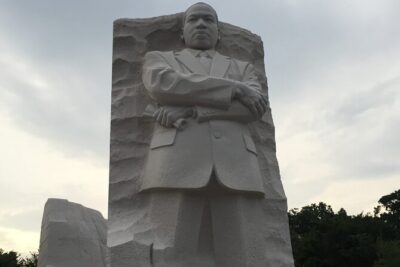
Then comes the Martin Luther King, Jr. Memorial. This stop can feel different from the war memorial because it’s about moral leadership and civil rights momentum. When the guide explains the meaning behind what you’re seeing, the memorial becomes more than a powerful statue scene—it becomes a timeline checkpoint for American progress.
A practical tip: at memorial stops like this, give yourself a moment to slow down. Take one or two photos, then look again without the camera. The stories usually make more sense after you’ve had that tiny pause.
Lincoln Memorial and the Vietnam Veterans Memorial: reading grief and resolve

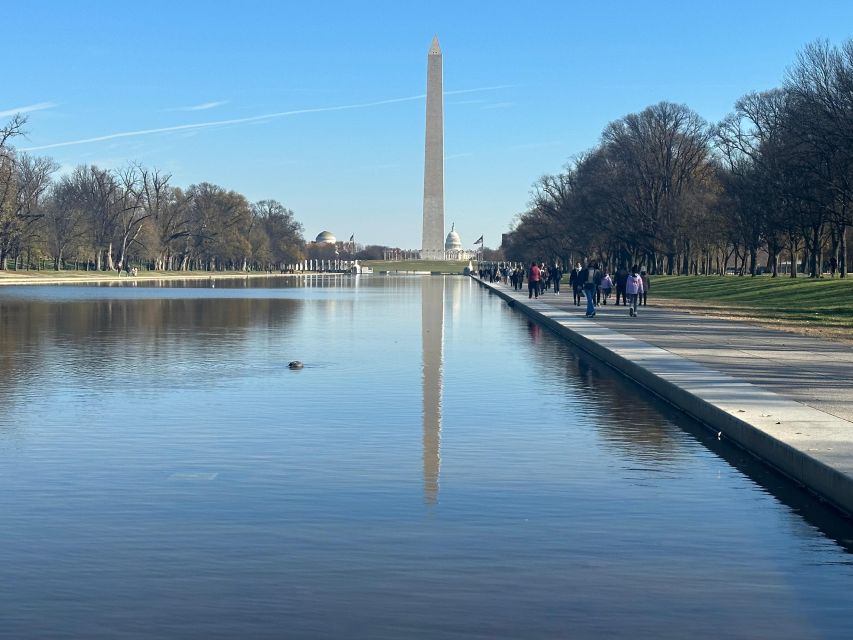
The Lincoln Memorial is iconic for a reason. It’s tied to national identity and big ideas about leadership and the Union. In a guided format, it also helps you understand why later memorials exist—because Lincoln’s legacy sits in the same emotional neighborhood as the rest of DC’s remembrance culture.
Next, the Vietnam Veterans Memorial can hit hard. It’s not built for casual viewing. Even if you’re only spending a few minutes there, it helps to have a guide who can explain what makes the design emotionally effective—without turning it into a lecture.
This section is also where you should consider your own comfort level. If you’re ready for intense, you’ll probably find it moving and memorable. If you prefer lighter commentary, you can ask your guide to keep narration short and focus on key points you can absorb quickly.
Photo note: you’ll likely want at least one wider shot and one closer angle. The memorial’s power increases when you spend a moment with your feet still. Don’t rush it just to catch the next stop.






Arlington National Cemetery and the Tomb of the Unknown Soldier: a pause you’ll feel
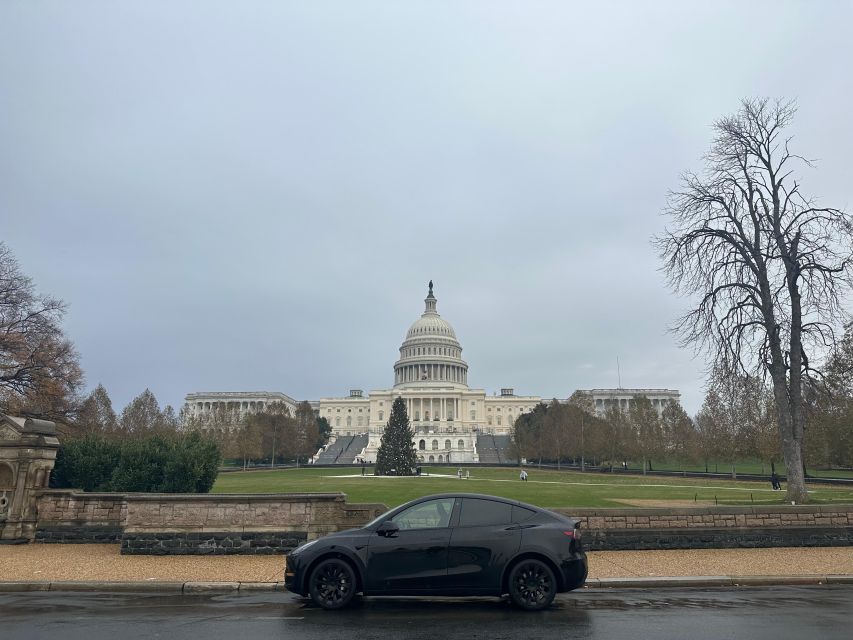
Arlington National Cemetery is the kind of place where the tour’s value jumps from entertainment to meaning. It’s not only a landmark. It’s a living space of honor, and it changes the tone of the entire day.
The Tomb of the Unknown Soldier is especially poignant. This stop can be brief in a driving tour, but even a short visit feels weighty—because the ritual and the symbolism don’t need a long explanation to register.
What I like about including Arlington in a private circuit:
- you’re not fighting crowds to find a respectful viewing spot,
- your guide can help you understand the context without overselling it,
- and you can ask questions if something doesn’t make sense.
The main consideration: Arlington can be emotionally intense. If you’re traveling with kids or someone who gets overwhelmed quickly, it’s a good idea to signal that to your guide early so they can pace the stop appropriately.
Marine Corps War Memorial and Korean War Veterans Memorial: finishing with purpose
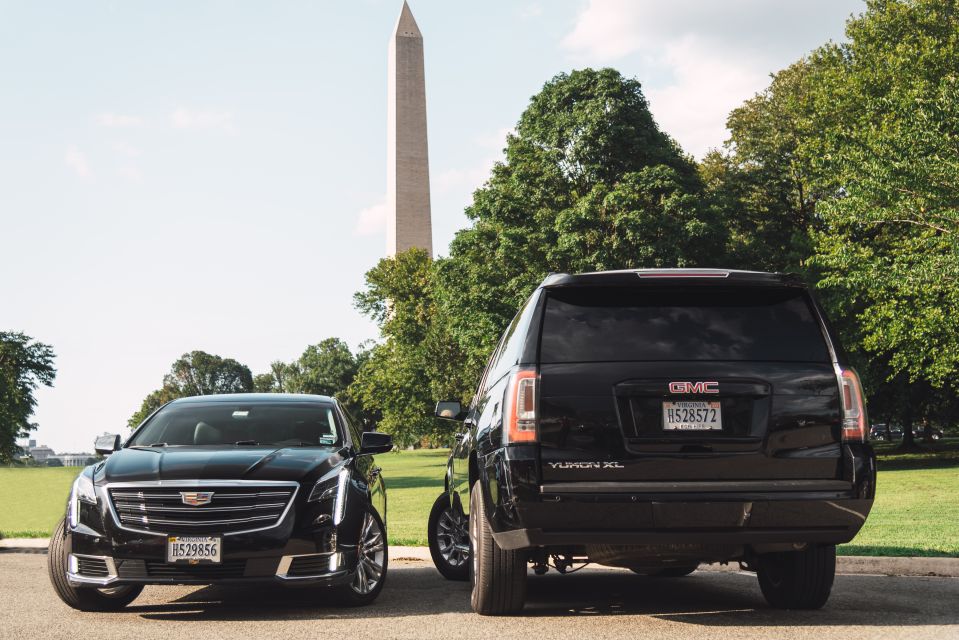
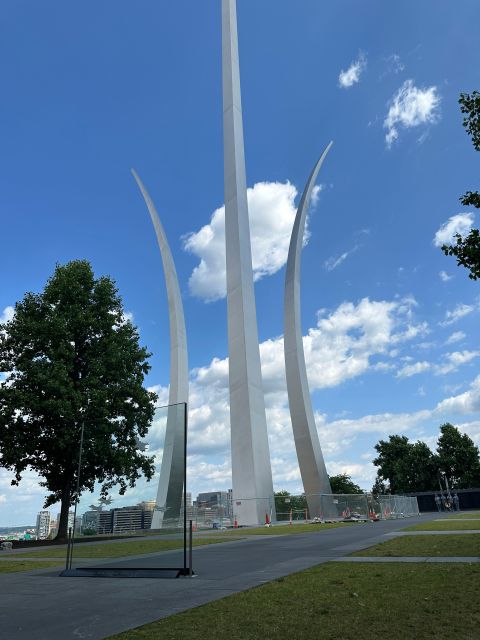
The last stretch includes the U.S. Marine Corps War Memorial and the Korean War Veterans Memorial. Ending here works because it brings you back to themes of service and national remembrance—after you’ve already visited the big emotional anchors like Arlington and Vietnam.
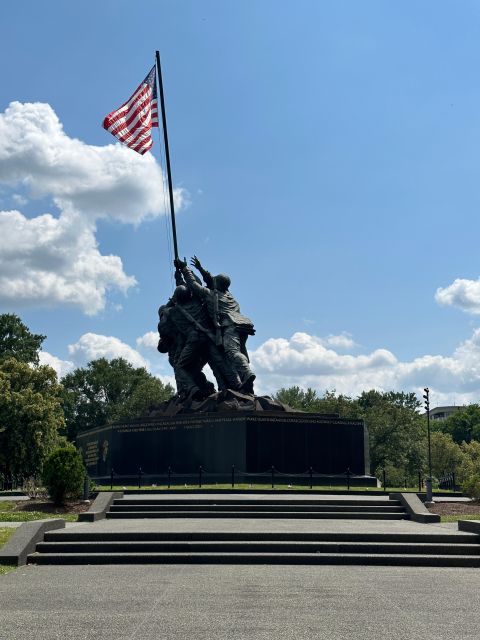
The Marine Corps memorial reinforces the idea of identity through service. The Korean War memorial helps round out the broader “who is remembered and how” picture. By the time you reach these stops, you usually understand the pattern: each memorial is its own interpretation of sacrifice, and a good guide helps you see those differences rather than treating them like interchangeable monuments.
If you’re the kind of traveler who wants your day to feel coherent, this ending helps. You don’t just leave with photos of DC landmarks—you leave with the shape of DC’s memorial language.
Price and value: $589 per group for up to 6 people
The price is $589 per group up to six. That can sound steep if you compare it to a public bus tour. But private vehicle tours are priced around three real costs: transportation, driver time, and guide labor. Here, the value math gets better if you’re traveling as a small group or family.
Think about value in terms of what you’re buying:
- Time saved by not coordinating transit or rideshares yourself
- Comfort in a luxury SUV (especially helpful for a full circuit of stops)
- Guide context that can transform photos into understanding
- Door-to-door convenience, which matters in DC where distances add up
If you’re going solo, the price per person will feel higher than a group tour. If you’re sharing with 3–6 people, it tends to feel more reasonable because everyone splits the same private-ride cost.
Also note: meals aren’t included, and entrance fees (if any come up) are not listed as included. That’s normal for this type of route, but it does mean you should plan for snacks or a meal before/after.
Flexibility and comfort: how to tailor the stops to your interests
One of the best features is that you can personalize your journey with a flexible itinerary. That means the guide can adjust how you experience the day, within the framework of the major landmarks.
Here’s how to use that flexibility smartly:
- If you love civil rights stories, lean into the Martin Luther King, Jr. Memorial stop and ask for the connections to other themes on the route.
- If you’re more into U.S. wars and service history, spend your questions around the WWII memorial, Vietnam Veterans Memorial, and the Korean War Veterans Memorial.
- If you want the emotional stops, you’ll likely focus your attention at Arlington and the Tomb of the Unknown Soldier, then keep other stops lighter.
This is also where private format helps. In a larger group, you often get what you get. Here, you can ask for a specific angle for photos, more explanation at a stop you care about, or fewer details when you’re ready to move.
Weather and timing: the one thing that can change your day
This tour requires good weather. If it’s canceled due to poor weather, you’ll be offered a different date or a full refund. DC weather can switch quickly, so it’s smart to dress in layers and plan for wind and sun even if the forecast looks mild.
Timing is also part of the experience. The driver is said to arrive about 10 minutes ahead and text the lead passenger. If you’re not using a U.S. phone number, you’ll need an active WhatsApp number so communication works smoothly.
Those small practical details matter because they protect your schedule, especially when you’re trying to fit sightseeing into a travel itinerary.
Should you book this private Washington DC day tour?
Book it if you want:
- a private, luxury SUV experience that reduces DC transit friction,
- a live English guide who can turn landmarks into context,
- and a tight 3-hour route that balances government icons with major memorials.
Skip it (or be extra careful setting expectations) if:
- you mainly want movement and photos, with minimal narration,
- your group needs lots of flexibility beyond the core stop structure,
- or you’re traveling during questionable weather without backup plans.
If your group is up to six people, the shared cost can feel more fair, and the private format becomes a real comfort upgrade—not a luxury add-on.
FAQ
How long is the Washington DC private tour?
The tour duration is listed as 3 hours.
What is the price and group size?
The price is $589 per group, up to 6 people.
Is hotel pickup and drop-off included?
Yes. Hotel pickup and drop-off are included.
What vehicle do you ride in?
You’ll travel by luxury SUV with round-trip transit included.
Is this a private tour?
Yes. It’s a private group tour.
What landmarks are included on the tour?
The tour includes stops such as the White House, U.S. Capitol, National World War II Memorial, Martin Luther King, Jr. Memorial, Lincoln Memorial, Vietnam Veterans Memorial, Arlington National Cemetery, Tomb of the Unknown Soldier, U.S. Marine Corps War Memorial, and Korean War Veterans Memorial.
Are meals included?
No. Meals and snacks are not included.
Are entrance fees included?
Entrance fees are not listed as included.
What language is the guide?
The live tour guide is English.
What happens if the weather is bad?
This experience requires good weather. If it’s canceled due to poor weather, you’ll be offered a different date or a full refund.
How does cancellation work?
Free cancellation is available up to 24 hours in advance for a full refund.
How will the pickup communication work?
The driver arrives about 10 minutes ahead of time and texts the lead passenger. If you don’t have a U.S. phone number, you’ll need an active WhatsApp number.