REVIEW · WASHINGTON DC
Captivating DC Private Photography Workshop
Book on Viator →Operated by Brandon J · Bookable on Viator
Most people rush the National Mall. This workshop makes you slow down, see harder, and shoot with purpose. It’s a private 2.5-hour session led by Brandon J, focused on the emotional story behind what you photograph, not just camera settings. You’ll practice key themes at major stops, with direct coaching that helps you build images you’ll actually want to print. One thing to keep in mind: it’s weather dependent, and the timing is built for changing light from early evening into night.
Two things I really like here: the guidance is personal and practical, and it’s grounded in how images can carry emotion and meaning. Brandon J clearly cares about how you frame a moment so it feels honest, not generic. The second big plus is the hands-on focus on reflections, symmetry, and low-light work, especially around the Lincoln Memorial pool, the Reflecting Pool, and the Vietnam Veterans Memorial. If you’re hoping for a pure sightseeing walk with no photo focus, this might feel more intense than you want.
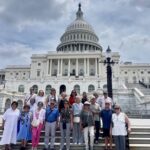
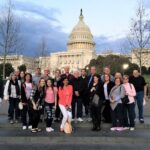
You’ll end back at the meeting point with a group photo, plus stronger instincts for composition. If you show up with even basic gear and curiosity, you’ll leave with a plan for your next DC shoot.
In This Review
- Key highlights you’ll notice fast
- A National Mall workshop built around real light (not just famous views)
- Meet Brandon J and get the coaching that actually changes your shots
- Lincoln Memorial: framing, reflections, and close-up storytelling
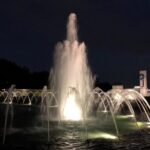
- World War II Memorial: balance, dramatic backdrops, and long exposures after dark
- Reflecting Pool and Washington Monument: symmetry and light control in one lesson
- Vietnam Veterans Memorial: reflective surfaces, low-light discipline, and respectful mood
- What to bring (so you can focus on learning, not scrambling)
- Price and value: is $170 for 2.5 hours worth it?
- Timing, meeting point, and how not to lose momentum at 6pm
- Who this works best for (and who should pass)
- Should you book this National Mall photography workshop?
- FAQ
- What is the duration of the workshop?
- Where does the workshop start?
- What time does it start?
- How much does it cost?
- Is this a private activity?
- What’s included in the price?
- Are snacks included?
- Do I need good weather for it to run?
- What’s the cancellation window?
Key highlights you’ll notice fast
Small-group feel, private coaching so you’re not lost in a big crowd.
Story-first photography lessons using psychology and emotion as your guide.
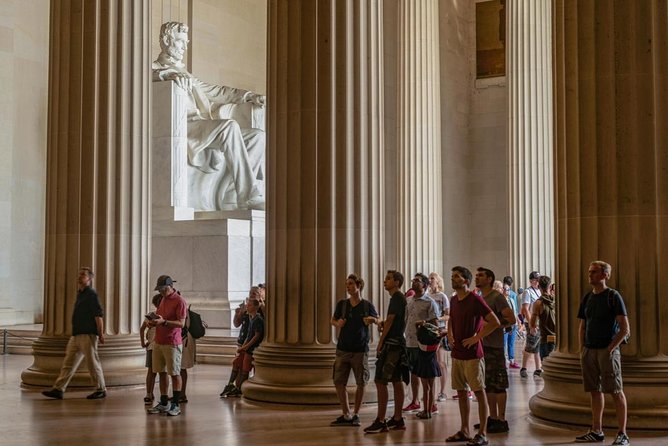
Reflections and symmetry practice at the Lincoln Memorial and Reflecting Pool.
Long-exposure night techniques timed for evening light changes.
Respectful low-light shooting at the Vietnam Veterans Memorial.
A National Mall workshop built around real light (not just famous views)
The National Mall can be a camera playground. It’s also a trap. You’ll see the postcard angles, take a few snapshots, and then wonder why everything feels flat later. This workshop is designed to fix that by timing you through multiple lighting moods.
You start at 6:00 pm at the Three Servicemen Statue by the Vietnam Veterans Memorial. That matters. Early evening gives you workable visibility for framing and focusing. Then, as darkness approaches, you practice night photography with longer exposures and steadier technique. By the time you’re working near memorials and pools, you’re not just reacting. You’re learning how to control what light does to your image.
The route also makes sense visually. You go from strong, iconic subjects (like Lincoln and Washington Monument angles) to reflective surfaces, then into somber low-light scenes. That flow is useful because it forces you to adjust your eye as your environment changes.
And yes, it’s private, meaning your group only. You’re getting instruction meant for you, not a lecture for 20 people.
You can also read our reviews of more private tours in Washington DC
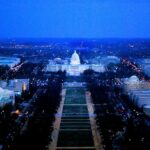
Meet Brandon J and get the coaching that actually changes your shots
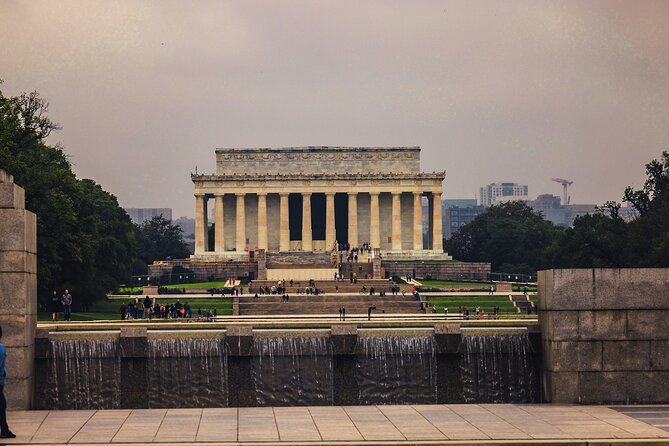
Brandon J is the kind of teacher who puts you at ease quickly. The tone from the experience is friendly and motivating. You’re encouraged to learn without feeling tested. That matters when you’re photographing memorials where people expect solemnity and accuracy.
The coaching style is also practical. You get technique tied to storytelling. The workshop explicitly connects photography to emotion and media psychology, which sounds academic until you see it applied to framing. The idea is simple: if you only chase a perfect landmark shot, your images can end up looking like everyone else’s. When you think about emotion and narrative, your compositions start to say something.
Brandon’s approach also includes showing work. People have specifically recommended asking to view his IG photography portfolio or a portfolio saved on his phone. That’s not a gimmick. Seeing real examples helps you translate abstract advice into shots you can copy—without copying them exactly.
One small but smart tip: ask questions early. If you’re uncertain about your camera or how to get a reflection shot that looks crisp, the first part of the session is the time to lock in your basics. Once you’re moving into night practice, you’ll be glad you clarified earlier.
Lincoln Memorial: framing, reflections, and close-up storytelling
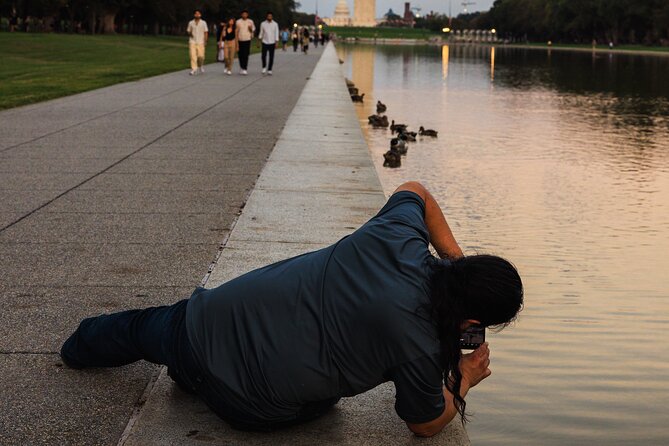
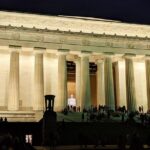
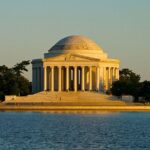
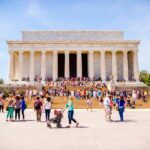
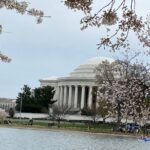
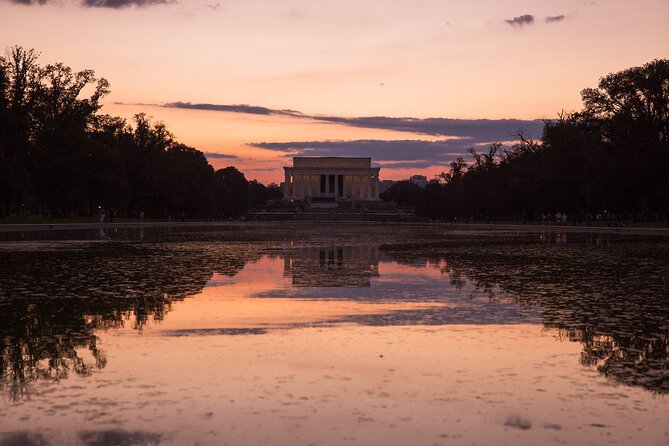
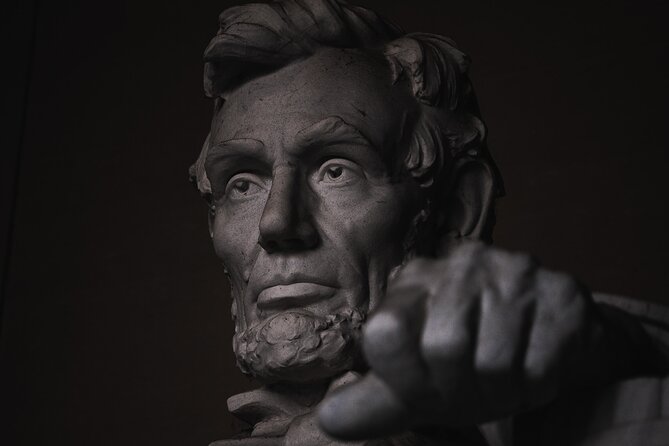
Lincoln Memorial is the obvious draw. But the workshop treatment makes it more than another “take the photo” stop. You focus on framing and composition at the iconic site, then immediately work the nearby pool reflections.
Here’s why that matters for you: reflections are tricky because they exaggerate small mistakes. If your framing is off by even a little, the mirror-like surface will make it obvious. If your focus is soft, the reflection becomes muddy instead of magical. You’re training your eye to get both the monument and its water partner working together.
You also practice storytelling choices:
- establishing shots that set context
- close-ups that show details
- and “in-between” compositions that connect the human scale to the architecture
That detail-to-wide sequence is a good habit for any city, not just DC. It trains you to build a visual set, not a single image.
Potential drawback: this part of the walk is very photo-forward. If you prefer to take leisurely snapshots without instruction, you may feel a bit busy. The upside is you’ll get better quickly because you’re not guessing.
World War II Memorial: balance, dramatic backdrops, and long exposures after dark
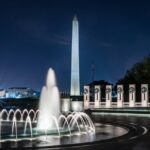
Next up is the World War II memorial. The workshop here shifts toward balance and restraint. You learn how to compose with dramatic memorial backdrops while keeping your subject clear.
This is where composition becomes more than symmetry. The memorial environment includes strong shapes, planes, and light angles. If you center everything, your images can feel static. If you ignore the background, they can feel cluttered. The coaching pushes you toward balance so your photo reads quickly, even with complex surroundings.
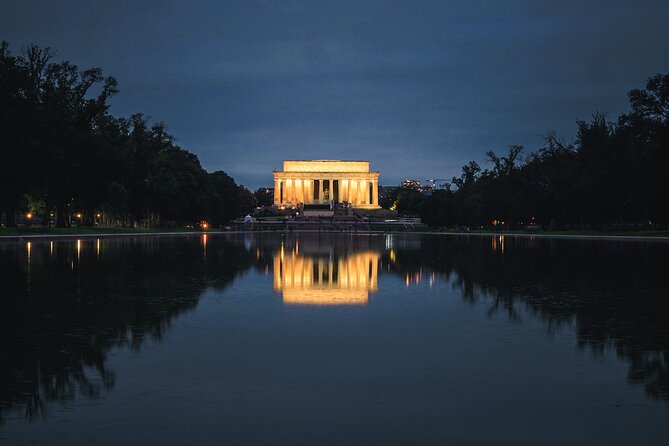
Then you start long exposure practice for night photography. That’s the turning point where your technique matters more than your speed. At night, small camera shake ruins reflections and turns crisp architectural lines into soft smears. Long exposure also changes how light behaves—especially around memorial surfaces that catch illumination.
You also experiment with street photography during this section. The value of adding street-style practice to a memorial workshop is that it breaks your pattern. You begin to notice people as part of the scene rather than obstacles. It’s a good reminder: even with iconic monuments, the human element is what often makes a photo feel real.
If you’re brand new to night shooting, don’t panic. The workshop focus is practice, not perfection. Your goal is to learn what changes when light drops.
Reflecting Pool and Washington Monument: symmetry and light control in one lesson
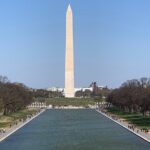
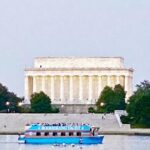
The Reflecting Pool is the workshop’s symmetry lab. You practice perfect reflection framing with the Washington Monument as your anchor. This is one of those locations where your composition either snaps into place or looks accidental.
The coaching emphasizes advanced techniques for capturing how light hits the pool surface. That’s a big deal because the pool can act like a mirror, a diffuser, or a highlight generator depending on conditions. Your job is to make it look intentional.
You also get interpretation, not just technique. The workshop connects the Washington Monument symbolism and leadership ideals to the way you compose. That might sound philosophical, but it changes how you shoot. Instead of photographing a tall object, you start photographing an idea: purpose, direction, and scale.
Then the session transitions into night photography skills. So as the light fades, you’re not switching gears randomly. You’re building on what you already practiced with reflections, now with lower light and longer exposures.
Practical note: this area can feel busy even when you’re with a private group. That’s normal. The workshop’s rhythm helps you work quickly and respectfully. You’re not stuck waiting for an empty frame forever.
You can also read our reviews of more photography tours in Washington DC

Vietnam Veterans Memorial: reflective surfaces, low-light discipline, and respectful mood
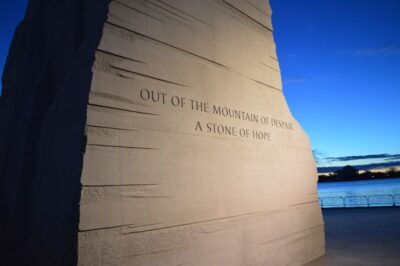
The Vietnam Veterans Memorial is where the workshop becomes more than technical. You hone skills for photographing reflective surfaces and you also concentrate on low lighting.
This site has a solemn feel, and the workshop explicitly leans into that. You’re encouraged to contemplate the memorial’s reflective nature, then capture it under low light. That means you’ll be thinking about mood: how your photo holds silence, not just how it captures detail.
Technically, low lighting forces discipline. You can’t rely on instant reactions. You start slowing down your actions: choosing a composition, stabilizing your shot, and being patient about exposure. You’re also working with reflection-like effects, where highlights can bloom and contrast can look different than daylight.
If you’re worried about shooting respectfully, you’re already on the right track. Use the workshop goal as your guide: tell the emotional truth of the moment with clarity.
By the time you finish, you’ll likely notice something: your best images from this stop aren’t always the most dramatic ones. They’re often the ones where the composition feels quiet and the lighting supports the subject’s tone.
What to bring (so you can focus on learning, not scrambling)
You’re responsible for what you use for pictures and for snacks. That sounds obvious, but it matters during a 2 hours 30 minutes evening session when you don’t want to lose time.
Bring whatever camera gear you’re comfortable with:
- a phone camera or a DSLR/mirrorless
- any lenses or accessories you already own
- chargers or a power bank if you use a phone and expect to shoot for hours
If you have a small stabilizing tool, it can be helpful for long exposures, but the workshop is set up to teach you the practice regardless of what you bring. The key is showing up ready to shoot, not to browse.
Also pack snacks if you need them. The tour does not include snacks, and you’ll be outside during changing light.
Price and value: is $170 for 2.5 hours worth it?
At $170 per person for about 2 hours 30 minutes, this is not a throwaway activity. But it can be good value if you fall into the right category: you want guided improvement in a high-impact setting.
Here’s why it’s arguably worth it:
- You get private attention, so your questions don’t get buried.
- You cover multiple photographic themes in one evening: framing, reflections, balance, long exposure, and low-light discipline.
- You finish with a group photo, which is a nice bonus since you’re spending most of the time behind the viewfinder.
Compare that to generic “walk and take pictures whenever” tours. Those can be fun, but you often leave with random shots and no clear path to do better next time. This workshop gives structure. It’s less about collecting photos on your phone and more about learning how to create images on purpose.
If you’re the type who loves learning by doing, you’ll likely feel satisfied. If you mostly want passive sightseeing, you’ll probably prefer something else.
Timing, meeting point, and how not to lose momentum at 6pm
You meet at the Three Servicemen Statue at the Vietnam Veterans Memorial, located at 5 Henry Bacon Dr NW, Washington, DC 20004. You start at 6:00 pm, and you end back at the meeting point.
That back-to-start ending is convenient. It reduces the stress of transit after a focused evening shoot. Also, since it’s near public transportation, you’re not stuck planning your whole night around a specific rideshare window.
One more practical point: because it requires good weather, plan to check forecasts the day of. Evening conditions can change quickly. If weather gets bad, the workshop is handled by offering a different date or a full refund.
Who this works best for (and who should pass)
This is a strong match for:
- photographers who want structure and coaching, not just a route
- people who want to improve quickly in an iconic place
- beginners who feel overwhelmed by manual settings and would rather learn through guided practice
- anyone who enjoys memorial photography with a focus on story and emotion
It might not be ideal if you:
- want a casual walk with minimal instruction
- don’t care about reflections, composition, or night photography practice
- only want landmark shots without deeper thought about framing and mood
If you’re on the fence, think about your goal. If your goal is stronger photos you can explain later, this fits well.
Should you book this National Mall photography workshop?
Book it if you want a guided evening that turns the National Mall from a list of monuments into a set of intentional images. The best reason is the coaching approach. Brandon J is friendly, encouraging, and focused on helping you enjoy the process while improving your technique. The combination of reflections, symmetry, and long exposure practice gives you real skills you can reuse in other cities.
Skip it if you only want casual sightseeing. This is a photography workshop first. The memorial stops aren’t just backdrops; they’re part of the lesson.
If you do book, come prepared to shoot and ask questions early. When you align your attention with emotion and composition, DC suddenly looks different through your lens.
FAQ
What is the duration of the workshop?
It runs for about 2 hours 30 minutes.
Where does the workshop start?
It starts at the Three Servicemen Statue, Vietnam Veterans Memorial, 5 Henry Bacon Dr NW, Washington, DC 20004.
What time does it start?
The start time is 6:00 pm.
How much does it cost?
It costs $170.00 per person.
Is this a private activity?
Yes. It’s private, and only your group participates.
What’s included in the price?
A group photo is included.
Are snacks included?
No. Snacks are not included. You’re advised to bring what you want to use for pictures and snacks.
Do I need good weather for it to run?
Yes. The experience requires good weather. If it’s canceled due to poor weather, you’ll be offered a different date or a full refund.
What’s the cancellation window?
Free cancellation is available up to 24 hours before the experience start time for a full refund.