REVIEW · WASHINGTON DC
Harlem Renaissance in DC Walking Tour
Book on Viator →Operated by Off the Mall Tours · Bookable on Viator
The next DC block has a beat. This Harlem Renaissance in DC walking tour connects famous performers to the real streets where music, opera, and poetry helped shape the city’s arts scene. You’ll move through key stops tied to names like Duke Ellington, Lilian Evanti, and Billie Holiday, with a guide who makes the connections feel immediate and human.
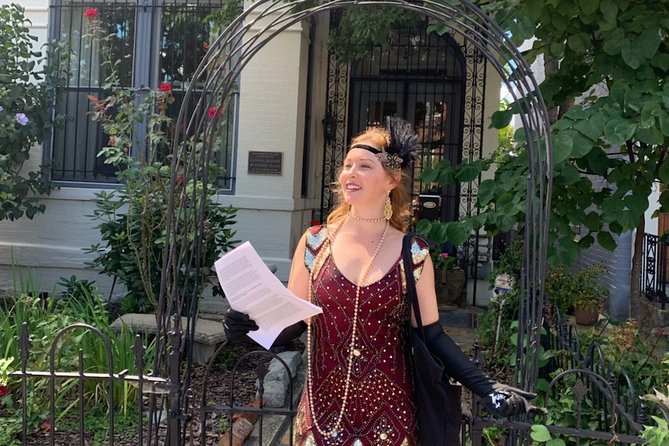
What I love most is the way you see how the Black community built its own stages—starting with the Howard Theatre and running through the U Street era. Second, the tour’s storytelling style is sharp and fun: on my run, the guide (Katie) brought period details and music into the walk, and the information landed fast without dragging.
One thing to plan for: this is mostly outdoors and you’re doing a moderate-paced loop for about two hours. Also, the Ben’s Chili Bowl stop is included as a break, but food and drinks are on your own tab.
In This Review
- Key Things That Make This Tour Worth Your Time
- A 2-Hour Harlem Renaissance Story Walk in Washington, DC
- Starting at the Howard Theatre: Where the Story Gains a Stage
- Howard Theatre: The 1910 Turning Point for African American Performers
- Frank Holliday’s Pool Hall Site: Where Ragtime and Early Jazz Take Root
- Lilian Evanti’s House on 1910 Vermont Ave NW: Classical Music with Black Roots
- Bohemian Caverns and Lincoln Theatre: U Street’s Black Broadway Era
- Ben’s Chili Bowl Break: The Iconic Stop (Food on Your Own)
- Club Bali Site at 1901 14th St NW: Billie Holiday’s Favorite Spot
- 1461 S St NW and the Saturday Nighter’s Club: Poetry and Social Justice
- What You Really Get for $30: Value, Pace, and Katie’s Style
- Pace, Weather, and Comfort Tips for a Smooth Walk
- Who Should Book This Tour (And Who Might Want a Different One)
- Should You Book This Harlem Renaissance in DC Walking Tour?
- FAQ
- How long is the Harlem Renaissance in DC Walking Tour?
- How much does the tour cost?
- Is Ben’s Chili Bowl included in the price?
- Where does the tour start and end?
- What language is the tour offered in?
- How many people are on the tour?
Key Things That Make This Tour Worth Your Time
- Howard Theatre (1910) shows how early DC created a stage for African American performers
- Duke Ellington’s early piano work gets a location tie-in through Frank Holliday’s pool hall site
- Lilian Evanti’s home links Washington, classical music, and success earned abroad back to DC
- U Street Black Broadway stops include Bohemian Caverns and the Lincoln Theatre area
- Ben’s Chili Bowl is a timed break, not a meal package, so budget a little extra
A 2-Hour Harlem Renaissance Story Walk in Washington, DC
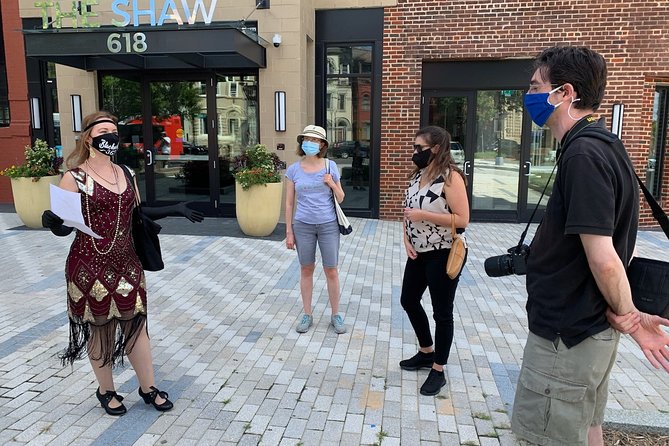
This tour works best if you like history you can point to. You’re not just hearing dates—you’re standing near addresses and performance sites and letting the guide connect them into a clear picture of the era’s culture in Washington, DC. At 2 hours long, it’s a good fit for a half-day that also includes museums, Capitol-area sights, or just good food and walking.
The price—$30 per person—is pretty reasonable when you compare it to the value of a dedicated guide for a focused route. You’re paying for time, context, and someone helping you notice what you’d otherwise miss while simply passing by.
You’ll also appreciate the group size. With a maximum of 20 people, it’s easier to ask questions and stay engaged. And the tour is in English with a mobile ticket, so you’re not juggling paperwork.
You can also read our reviews of more walking tours in Washington DC



Starting at the Howard Theatre: Where the Story Gains a Stage
The walk begins at Howard Theatre, 620 T St NW (near public transportation). This is a smart start, because Howard Theatre is described as the first DC theater to offer a stage for African American performers, established in 1910. Starting here gives you a foundation: you understand the “why” behind what you’ll see later on U Street.
If you like getting your bearings quickly, this start helps. You’re placed right at a landmark tied to early arts access, then you move street by street. The tour keeps a steady pace—short stops, clear context, and enough time at each location for the key ideas to stick.
Howard Theatre: The 1910 Turning Point for African American Performers
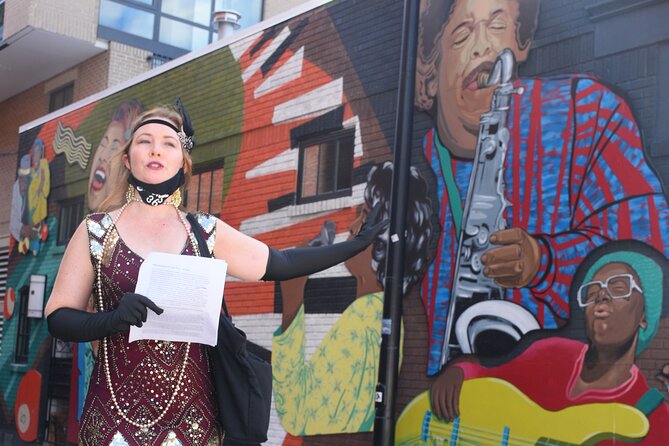
At the Howard Theatre stop, you’ll get more than a plaque-level overview. The point of this stop is historical grounding: this theater is framed as an early DC stage that made room for African American performance. That matters, because it changes how you interpret the later nightlife and show culture—those later venues didn’t appear in a vacuum.
The venue is also a reminder of something practical: when you’re exploring DC’s arts past, location is the whole story. Standing here makes the rest of the route make sense, especially when the tour shifts into jazz clubs, pool hall origins, and the U Street theater scene.
Expect this stop to feel like the opening chapter, not the whole book. Then the tour pushes you forward.
Frank Holliday’s Pool Hall Site: Where Ragtime and Early Jazz Take Root
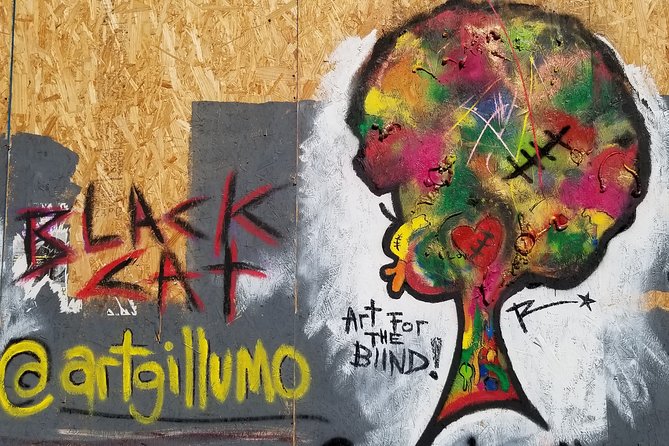
Next you move to the site connected to Frank Holliday’s Pool Hall, described as the place where Duke Ellington first started dabbling in ragtime and jazz piano. This is a great kind of stop because it’s not a grand theater building. It’s a music-origin story that shows how creative energy can grow in everyday settings.
For me, this location adds texture. Jazz doesn’t only belong to stages—it also starts in practice, experimentation, and local culture. The tour uses this point to connect a big-name musician back to a specific DC spot, which is exactly what makes walking tours like this feel different from reading.
Time here stays brief, but the meaning is strong. You’re learning how the city’s music scene formed, not just where the famous performances happened later.
Lilian Evanti’s House on 1910 Vermont Ave NW: Classical Music with Black Roots
Then you head to 1910 Vermont Ave NW, tied to African American opera singer Lilian Evanti. The description here focuses on her acclaim abroad and her return to Washington, DC to make her mark on Black contributions to classical music.
This stop helps balance the tour. Yes, you’ll hear plenty about jazz and Broadway-era performance. But Evanti’s story widens the lens so you don’t get stuck in one genre. If you care about how Black artistic impact shows up across different types of performance, this is a key moment.
One useful way to approach it: look at how the tour shifts tone from jazz clubs and “night” culture to opera and classical artistry. That contrast is part of the lesson.






Bohemian Caverns and Lincoln Theatre: U Street’s Black Broadway Era
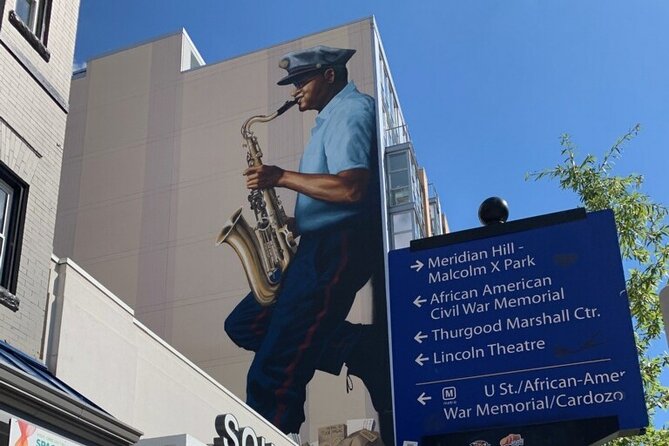
U Street’s era is a major focus, and the route puts you right where the legend grew. You’ll stop at Bohemian Caverns, framed as a must visit during U Street’s period as DC’s Black Broadway, and then you’ll move on to the Lincoln Theatre, described as a major theater and show house during that same era.
These stops are the emotional heart for a lot of people, because they’re tied to the idea of community-built entertainment spaces. The tour doesn’t treat the Black Broadway era as a side note. It treats it as central culture—built, attended, and sustained by real people with talent and vision.
A practical tip: since these are short stops, bring one question with you. For example: how did the Black arts scene in DC create both mainstream visibility and a sense of community? The guide is clearly good at connecting dots, including with music cues and period details.
Ben’s Chili Bowl Break: The Iconic Stop (Food on Your Own)
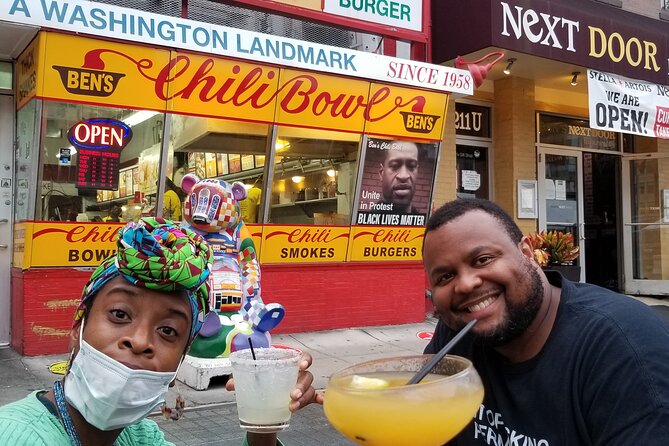
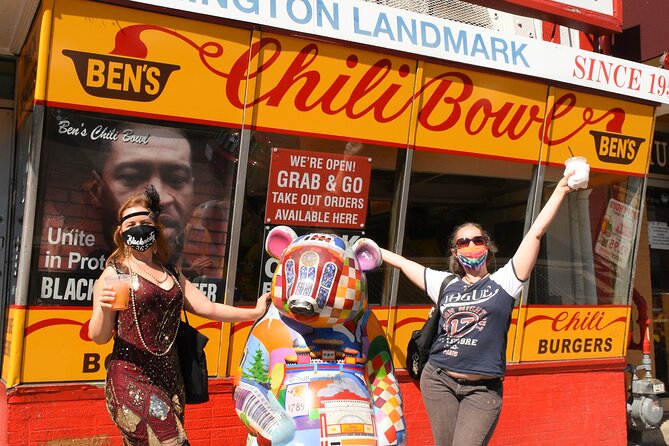
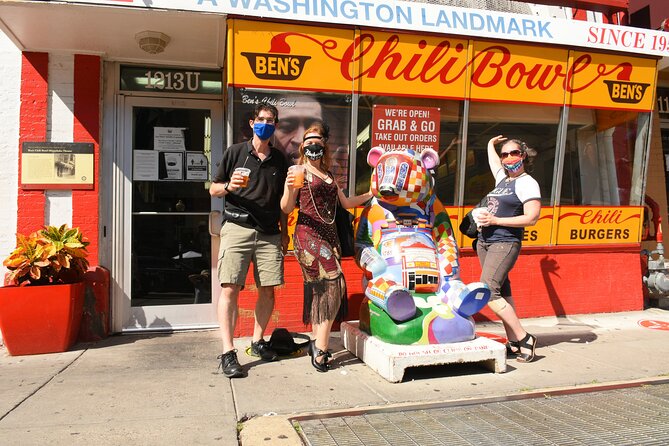
About mid-tour, you’ll take a longer break at Ben’s Chili Bowl on the route. This is where the tour slows down for 25 minutes, and it’s a logical pause because you’re about to keep walking.
What’s included is the stop itself. Refreshments are not included, so plan to spend a little if you’re hungry or thirsty. This is also one of those practical “DC experience” moments: Ben’s Chili Bowl is described as an iconic destination across three generations and a place frequented by Presidents and tourists.
If you’re trying to keep the total trip cost predictable, set a small budget for your meal or drink. The good news is that the tour gives you time to eat or just reset—no pressure to buy something huge.
Club Bali Site at 1901 14th St NW: Billie Holiday’s Favorite Spot
After Ben’s, the tour moves to 1901 14th St NW, described as the former site of Club Bali, a favorite performance spot of Billie Holiday. This stop feels like a bridge between eras: you’ve had the U Street theater vibe, and now you’re pointed toward a more intimate performance history tied to one of jazz’s most iconic names.
It’s also a helpful reminder that nightlife culture isn’t just about big halls. Clubs—and the addresses of where they once operated—matter too. Even though you’re standing at a location that’s no longer the club as it was, the guide’s framing brings the meaning back.
Again, the stop is brief, but it’s one of those “I get it now” moments, especially if you’re paying attention to how the tour builds a timeline.
1461 S St NW and the Saturday Nighter’s Club: Poetry and Social Justice
The walking route ends at 1461 S St NW, tied to where the Saturday Nighter’s Club would meet to discuss poetry, social justice, and Black culture. This is a strong closing choice because it shifts from performance to ideas—what people talked about when the music wasn’t the only outlet.
The tour ends at Georgia Douglas Johnson’s House, also known as the Halfway House, based on the end-point description. That final framing matters: it connects the arts world to community conversation and activism. You’re left with a sense that the Harlem Renaissance story in DC wasn’t only about what happened on stages, but what happened in minds and conversations.
For the last stop, I recommend taking a full minute to look at your surroundings. The tour gives you the context, but you still do the noticing. That’s what turns a “walk” into a story you can remember.
What You Really Get for $30: Value, Pace, and Katie’s Style
Let’s talk value, because $30 can feel like a splurge—or not—depending on what you get. In this case, you’re buying two hours of guided storytelling across multiple landmark areas tied to significant artists and scenes. Each stop is described as admission ticket free, except for your own purchase at Ben’s.
That’s important: you’re not paying to enter venues during the walk. You’re paying for the guide’s ability to connect places to people and explain why the Black arts scene mattered in Washington, DC.
From the review feedback, one standout theme is how strongly the guide leans into the role. On one run, the guide used period costume and music, and the overall tone was fun plus informative. The “ask questions” note also shows up in the experience style—because the tour moves fast, you get the best results if you participate instead of just walking and listening.
Also, the communication gets good marks. When a tour runs smoothly—clear start point, clear flow—you feel like you can relax and enjoy the walk.
Pace, Weather, and Comfort Tips for a Smooth Walk
This tour requires moderate physical fitness, and it’s a good idea to treat it like a brisk city walk. Stops are short, so the pace doesn’t drag. You’ll likely be on your feet for the bulk of the 2 hours.
Because the experience is said to require good weather, check the forecast before you head out. If the weather isn’t friendly, you may get offered a different date or a full refund. The key point for your planning: pick a day when DC weather is likely to cooperate.
For comfort, wear shoes that can handle uneven sidewalks. Bring a light layer if you tend to run cold indoors—though the route is outdoors, DC can still shift temperatures through the day.
Who Should Book This Tour (And Who Might Want a Different One)
Book this if you want a focused way to connect Harlem Renaissance themes to Washington, DC streets, with stops tied to jazz, opera, and club culture. It’s especially good for you if you like routes where the guide helps you “read” the city—turning an ordinary walk past an address into a moment with context.
It’s also a solid choice for couples and small groups who want a structured experience without the commitment of a full-day program. With the 20-person limit, you usually get a more personal feel than you might on large tours.
If you hate walking or want lots of indoor time, this may not be your best match. The format is built on moving between historic sites, and the breaks are time-boxed—like the Ben’s stop.
Should You Book This Harlem Renaissance in DC Walking Tour?
Yes, I think you should book it if you’re looking for an easy-to-fit, highly place-based DC cultural tour. For $30, you get two hours of guided storytelling across major landmarks tied to the city’s Black arts legacy—plus a well-timed break at Ben’s Chili Bowl.
Choose this tour particularly if you value the craft of interpretation: when a guide connects multiple eras and genres—Howard Theatre to U Street’s Black Broadway to Club Bali to the Saturday Nighter’s Club—that’s when the whole experience clicks. And if you want to learn the names behind the scenes (Duke Ellington, Lilian Evanti, Billie Holiday) while you’re standing where the story took place, this walk does exactly that.
FAQ
How long is the Harlem Renaissance in DC Walking Tour?
It’s listed as about 2 hours.
How much does the tour cost?
The tour price is $30.00 per person.
Is Ben’s Chili Bowl included in the price?
Ben’s Chili Bowl is included as a stop with a refreshments break, but food and drinks are not included. You purchase what you want.
Where does the tour start and end?
It starts at Howard Theatre, 620 T St NW, Washington, DC 20001, and ends at 1461 S St NW, Washington, DC 20009, at or near Georgia Douglas Johnson’s House, also called the Halfway House.
What language is the tour offered in?
The tour is offered in English.
How many people are on the tour?
This activity has a maximum of 20 travelers.