REVIEW · WASHINGTON DC
Monumental Electric Bike Tour
Book on Viator →Operated by Unlimited Biking formerly Bike and Roll DC · Bookable on Viator
DC looks different from two wheels.
This 3-hour Monumental Electric Bike Tour ties together the Mall highlights and the presidential story with a ride down Pennsylvania Avenue along the parade route used for newly inaugurated presidents. I like that it’s an efficient way to see the big sights up close in fresh air, without spending half your day on buses or hunting parking. With guides such as Berto and Mark running the show, the commentary stays focused and the pace feels controlled even when traffic and closures get weird.
Two things I especially like: e-bikes and helmets are included, so you’re not scrambling to rent gear before you roll, and the small group (max 15) keeps things personal enough to ask questions and get smart photo stops. One possible drawback: the stops are short, so this works best for an overview. If you want long lingering at every monument, you may feel rushed, and it’s worth checking your bike at check-in so you actually get what you paid for (some riders had to sort out mismatches).
In This Review
- Key things I’d circle on this tour
- A presidential-route ride that turns the Mall into a story
- Price of $89: what you’re really buying
- Meeting at 801 D St NW: smooth check-in beats chaos
- Capitol Hill: Grant, the Capitol exterior, and a quick look at the documents story
- Stop 1: Ulysses S. Grant Memorial
- Stop 2: U.S. Capitol (you won’t go inside)
- Stop 3: Library of Congress
- Stop 4: National Archives Museum (not inside)
- White House approach and the Mall’s big landmarks
- Stop 5: Freedom Plaza
- Stop 6: White House from the south side (not inside)
- Stop 7: Washington Monument and its two colors
- WWII through Korea: memorials where the walking time matters
- Stop 8: National World War II Memorial
- Stop 9: Vietnam Women’s Memorial
- Stop 10: Vietnam Veterans Memorial (you can walk through)
- Stop 11: Korean War Veterans Memorial
- MLK, FDR, and Jefferson: short walks that land
- Stop 12: Martin Luther King, Jr. Memorial
- Stop 13: Franklin Delano Roosevelt Memorial
- Stop 14: Jefferson Memorial and the Tidal Basin views
- The e-bike reality check: speed, maintenance, and what to do before you roll
- Who should book this tour, and who should skip it
- Should you book Monumental Electric Bike Tour?
- FAQ
- Is the electric bike and helmet included?
- How long is the tour?
- What is the meeting point?
- What age do I need to be to ride?
- Do we enter the U.S. Capitol or the White House?
- What memorials and monument areas are included?
- Is admission included for any stops?
- What if the weather is bad?
Key things I’d circle on this tour
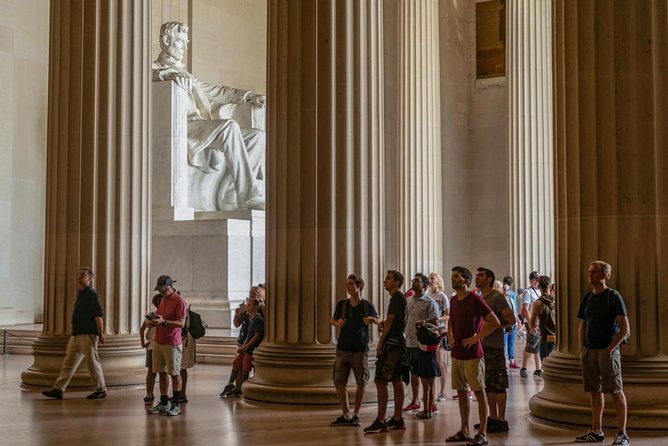
- Pennsylvania Avenue parade-route ride gives context you won’t get from a quick hop-on bus ride.
- Short, well-timed stops let you see a lot without turning the trip into an all-day grind.
- Pro guiding that manages crowds and road changes can make or break a city tour.
- Exterior viewing at the big government buildings means you’ll learn quickly, then keep moving.
- A practical e-bike setup can make the Mall section doable, especially when walking would slow you down.
- Bring your own water and confirm your e-bike to avoid small surprises mid-ride.
A presidential-route ride that turns the Mall into a story
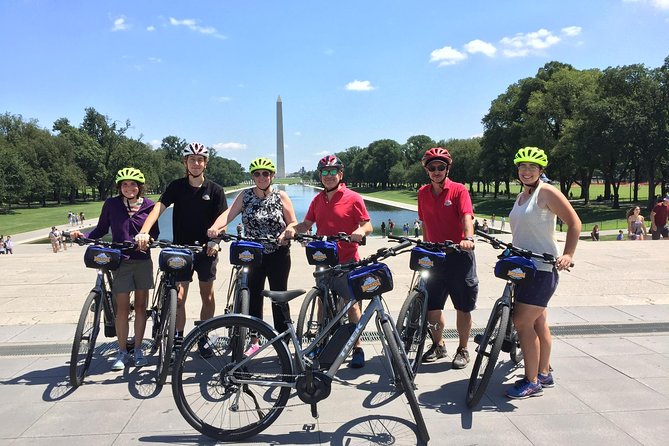
The best part of this tour isn’t any single monument. It’s how the route strings Washington, DC into one continuous narrative you can feel while you’re moving. You start on the edge of Capitol Hill, then roll toward the White House area, and keep going through the major memorial zone that most first-timers want to see.
Riding along Pennsylvania Avenue adds a layer beyond standard sightseeing. That’s the same main spine tied to presidential ceremonies, so you’re not just looking at famous buildings—you’re tracing how power, history, and public space connect.
This is also a nice format for real-world DC travel. Roads can be restricted, and the tour’s small-group size helps the guide keep everyone together without losing the momentum you came for. If you’ve been walking around DC all day, the change in rhythm—pedal, stop, look, roll—makes the sights easier to absorb.
You can also read our reviews of more cycling tours in Washington DC



Price of $89: what you’re really buying
At $89 per person for about 3 hours, you’re paying for a guided route plus the big gear piece: the electric bike and helmet. That’s a meaningful value call in DC, where bike rentals and gear time add up fast. Here, you don’t have to figure out where to rent, how to lock the bike, or how to plan a route that hits the right stops in the right order.
You’re also buying time. Instead of spending your day hopping between scattered monuments, this tour stacks the essentials into one loop. The group cap of 15 travelers matters too. Larger buses can feel like you’re watching DC through a window. This keeps you in the city, on the ground, with quick opportunities to ask questions and get context.
One more value detail: several stops include options for free entry when you want them, while other stops are designed for efficient exterior viewing. In practice, you get the guide’s interpretation where it matters most, then you decide what to do with the tiny window you have.
Meeting at 801 D St NW: smooth check-in beats chaos

You meet at 801 D St NW, Washington, DC 20004, and the tour ends right back there. Plan to be early. The operator asks you to check in 15 minutes before departure, and they can’t guarantee they’ll take late arrivals.
You’ll also want to have your ducks in a row for two logistics points that actually affect your ride:
- Minimum age is 16, and ID checks can happen. If someone in your party isn’t 16, their seat is forfeited with no refund.
- No luggage storage is available due to security at the meeting location. If you’ve got a bag, keep it small and manageable.
Helmets are mandatory, which I like. It’s one less thing to worry about and helps you focus on the sights.
Finally, be smart about attachments: trailers and tag-a-longs can’t be attached to e-bikes for safety. If you’re traveling with extra gear for kids or someone who needs a support setup, you’ll need an alternative plan.
Capitol Hill: Grant, the Capitol exterior, and a quick look at the documents story
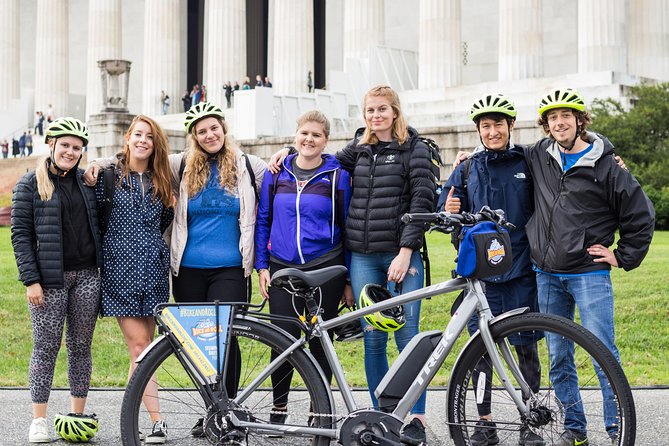
The opening stretch sets you up for the core DC government footprint. You start with the Ulysses S. Grant Memorial, then ride past on the way to the U.S. Capitol.
Stop 1: Ulysses S. Grant Memorial
You’re given a short moment here, about 15 minutes, with the main value being context. It’s a clean warm-up for the rest of the tour—quiet enough to orient yourself before the route ramps up toward the Capitol.
You can also read our reviews of more tours and experiences in Washington DC



Stop 2: U.S. Capitol (you won’t go inside)
You’ll stop on both sides of the building and learn about the design and how the House and Senate spaces work. A key detail: you do not go inside the Capitol, and admission isn’t included.
This setup is great if you want the “why it looks like that” part without spending your limited time dealing with lines and security. The tradeoff is obvious: if your goal is interior exhibits, you’ll need your own separate visit.
Stop 3: Library of Congress
Just behind the Capitol, the Library of Congress is a strong photo-and-stroll waypoint. It’s listed as free, and the tour recommends you stop in during your independent DC time. Even if you don’t go in, the placement makes the Capitol-Library relationship easy to understand in one glance.
Stop 4: National Archives Museum (not inside)
You’ll make a quick stop at the National Archives area and hear a specific angle that’s easy to miss: it includes children’s letters written to U.S. presidents—some funny, some heartfelt. But you won’t go into the Archives during the tour.
That combination—story first, building later—works well. You get the hook, then you can decide whether to return on your own time for a deeper visit.
White House approach and the Mall’s big landmarks
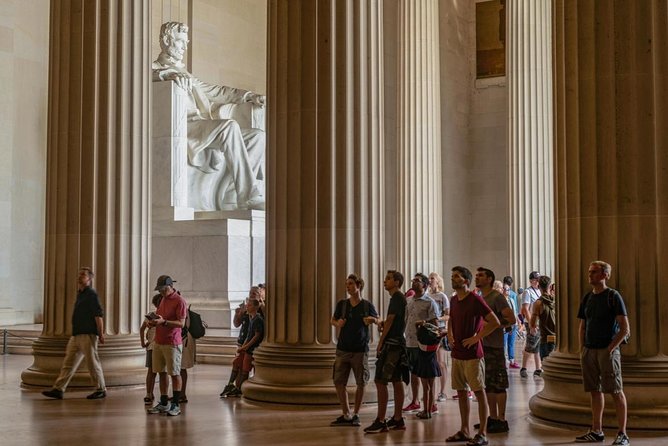
From here, the tour moves into the space most people picture when they say I’m going to see Washington, DC. The pace stays active, but you’re not just racing past things.
Stop 5: Freedom Plaza
This is a ride-by moment with a short stop, about 15 minutes. The point is to reset your bearings and keep the flow toward the White House area.
Stop 6: White House from the south side (not inside)
You’ll stop along the Ellipse and see the White House from the south side. You’ll learn about construction and additions presidents made during their terms. You won’t go into the White House, and admission isn’t included.
If you’ve never seen the White House area, this is a good “orientation shot.” If you want a full inside experience, you’ll still need separate planning.
Stop 7: Washington Monument and its two colors
You’ll get a quick 5-minute stop and a fun observation: the Monument appears two different colors. Your guide explains why, plus shares other erection-related facts.
This is a small time block that pays off because it teaches you what to look for instead of just walking past a famous object.
WWII through Korea: memorials where the walking time matters
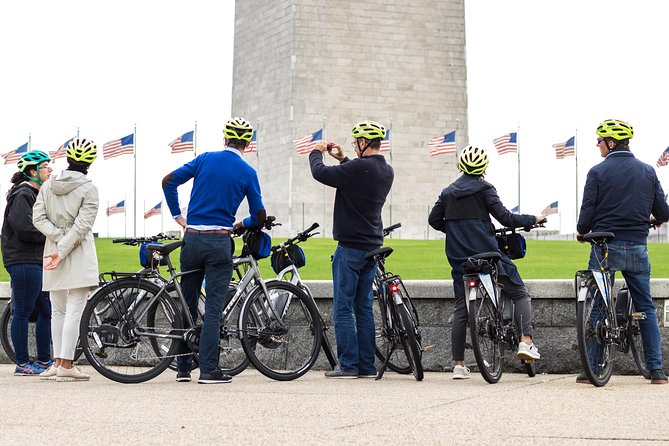
The middle portion shifts from government architecture to memorial design and meaning. This is where I see the tour really delivering value because it balances quick interpretation with enough time to feel the space.
Stop 8: National World War II Memorial
You’ll spend about 10 minutes here, learn about the design significance, and then you’ll have a chance to walk in and experience the emotion of a memorial dedicated in 2004. The walk-in element is important. It turns facts into something you can sense.
Stop 9: Vietnam Women’s Memorial
You’ll stop for about 15 minutes. Your guide shares the story behind the memorial dedicated to women who served in the Vietnam War. The longer stop helps because this isn’t always on the typical “fast photo” list for first-timers.
Stop 10: Vietnam Veterans Memorial (you can walk through)
This stop is about 10 minutes. You’ll hear the story behind the Wall’s design and the designer, then you’ll get time to walk through the memorial.
That’s the right trade: short explanation from the guide, then your own quiet time at the Wall. Just remember the time window is still limited, so move at a pace you can sustain.
Stop 11: Korean War Veterans Memorial
A 10-minute stop where the guide points out hidden significance tied to the memorial dedicated to the so-called forgotten war. Even if you’ve got a strong interest, don’t plan on a long read here. The tour’s strength is showing you where to look and what to notice.
MLK, FDR, and Jefferson: short walks that land
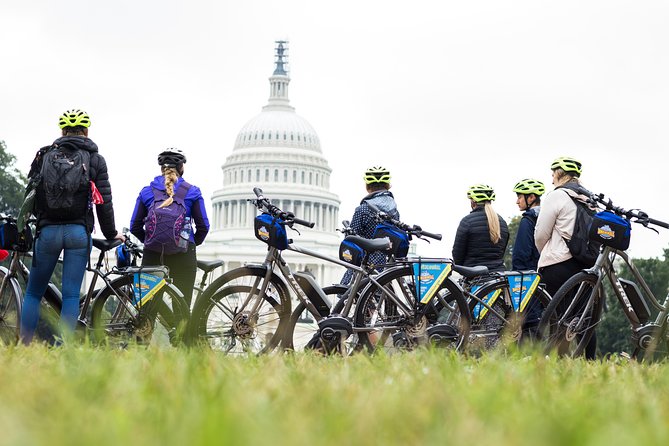
The final stretch is designed for meaning, not just views. You’ll hop off the bike for walking moments where the tour’s storytelling pays off.
Stop 12: Martin Luther King, Jr. Memorial
You stop outside first and hear about DC’s newest memorial, then you walk through the Mountain of Despair to view the Stone of Hope. This stop is about 10 minutes and is one of those sections where the walking portion changes the whole feel of the stop.
Stop 13: Franklin Delano Roosevelt Memorial
This is a bigger “payoff” stop. You hop off your bike and walk through the memorial’s four rooms, each representing a term of FDR’s presidency. A classic tip: rub Fala’s ears for luck.
This is one of the best examples of how the tour uses time. It gives you enough to experience the layout without turning it into a full museum-style visit.
Stop 14: Jefferson Memorial and the Tidal Basin views
You’ll get about 10 minutes here. The guide points out sweeping views of the Tidal Basin and explains why Jefferson is shown as keeping an eye on the White House. Then you can climb the steps to see inside the monument.
If your DC trip includes a Tidal Basin walk anyway, this stop gives you the “why” and the best placement in one controlled block.
The e-bike reality check: speed, maintenance, and what to do before you roll

Most people get an easy, fun ride. But I’d treat this like any rental-based experience: do a quick check before you take off.
A few practical notes based on what riders have run into:
- Verify your e-bike at check-in. One rider reported an e-bike mismatch and had to exchange bikes before the ride started. If you booked an e-bike, check the bike is actually set up for you before you leave.
- Plan for short stop times. Even with a 3-hour total, you’re typically looking at brief windows at each site. If you’re a slow walker or you stop to stare at details for long stretches, you may feel rushed.
- Bike condition can vary. Some riders noted squeaky brakes, kickstand issues, or parts that didn’t feel right. If something feels off, tell the guide right away—many guides will handle basic fixes quickly.
- Bring your own hydration. Several riders recommended carrying water because it isn’t reliably provided.
- Speed differences matter. If not everyone on your tour has an e-bike, the group can spread out fast. One comment suggested that e-bike riders may end up braking more often if others are on regular bikes.
If you’re deciding whether to ride an e-bike versus a standard bike option (if offered), here’s the practical take: choose the option that matches how much energy you want to spend on the day. The e-bike can be a real help for mobility limits, and riders with joint pain have said it made the tour enjoyable. But if you can pedal comfortably, you still get a great overview either way—your guide’s job is to keep the group together.
Who should book this tour, and who should skip it
This is a strong pick if you want:
- a fast, guided overview of DC’s top monument stops in about 3 hours
- an option that helps people who don’t want to do a long walking day
- clear explanations tied to what you’re seeing in real time
- a manageable group size (max 15) and a guide who can keep you on schedule without turning it into a lecture
You might want a different style if:
- you want to spend lots of time inside buildings and museums (this tour focuses on seeing and learning, not full interior time at major sites)
- you hate brief stops and prefer slow, wandering visits
- you’re very sensitive to any bike equipment quirks and don’t want to do a pre-ride check
Should you book Monumental Electric Bike Tour?
If your goal is to get your bearings fast and see the key DC monuments in one guided pass, I think this tour earns its spot. The $89 price makes sense because the guide + e-bike + helmet replace multiple planning steps and help you cover ground without burning your whole day.
Just go in with the right expectations: it’s short-stop touring with moments to walk at memorials, not a deep-dive museum day. If you confirm your bike setup at check-in and bring water, you’re set up for a fun, efficient DC highlight reel.
FAQ
Is the electric bike and helmet included?
Yes. The tour includes use of an electric bicycle and helmet use (mandatory), along with a professional guide.
How long is the tour?
The tour runs about 3 hours.
What is the meeting point?
The meeting point is 801 D St NW, Washington, DC 20004, USA. The tour ends back at the meeting point.
What age do I need to be to ride?
The minimum age is 16 years, and IDs may be checked.
Do we enter the U.S. Capitol or the White House?
No. The tour includes stops where you’ll view the Capitol from both sides without going inside, and you’ll also see the White House from the south side without going inside.
What memorials and monument areas are included?
The tour includes stops at major DC sights such as the Grant Memorial, U.S. Capitol, Library of Congress, National Archives area, Freedom Plaza, White House area, Washington Monument, World War II Memorial, Vietnam Women’s Memorial, Vietnam Veterans Memorial, Korean War Veterans Memorial, MLK Jr. Memorial, FDR Memorial, and Jefferson Memorial.
Is admission included for any stops?
Admission is listed as free for some stops (for example, Grant Memorial and Library of Congress) but not included for others like the U.S. Capitol. Some notes also specify the tour will not go inside certain locations.
What if the weather is bad?
The tour may be canceled if weather makes riding dangerous. If it’s canceled due to weather, you’ll be offered a different date or a full refund.