REVIEW · WASHINGTON DC
Washington DC Cherry Blossoms By Bike Tour
Book on Viator →Operated by Unlimited Biking formerly Bike and Roll DC · Bookable on Viator
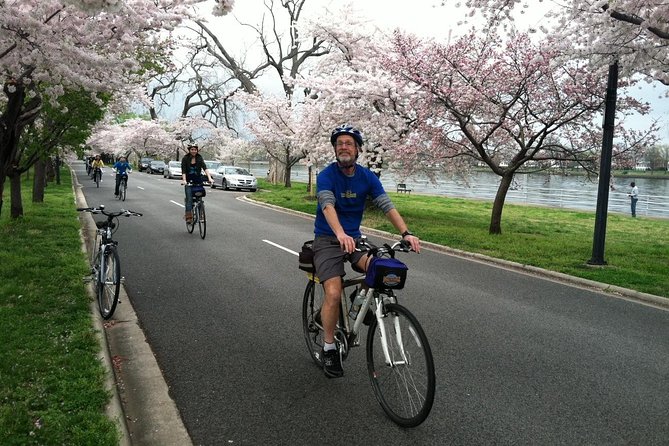
Cherry blossoms and biking fit together surprisingly well. This easy 2-hour ride takes you around the Tidal Basin with guided stops at major memorials and festival sights. I especially like the mix of classic landmarks and spring photo stops, and I also like how smoothly the tour is paced for a first-time bike rider. One thing to consider: during peak festival crowds, the experience can shift from riding to lots of walking the bike.
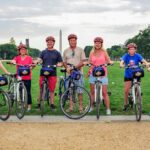
You’ll get a bike sized to you, a helmet (required), and a pro guide who keeps the ride calm even when the sidewalks get packed. On the guide side, I’ve seen this tour work well with named guides like Aiden, Wally, Bianca, Greg S, Greg H, and Dave—often mentioned for clear energy and good city context. Still, if you go at the busiest blossom hours, you may feel like you’re in a crowd-control exercise more than a leisurely pedal.
If you want cherry blossoms without stress, this can be a great value at $65. Just time it wisely, and keep your expectations realistic about what “bike tour” means in the thickest festival weeks.
In This Review
- Key highlights to know before you pedal
- Pedal-ready start at 701 D St NW (and why check-in matters)
- Bike fitting, helmets, and the ride’s real “difficulty level”
- The $65 value: what you get for two hours
- Stop-by-stop: what you’ll see along the Tidal Basin loop
- Japanese Lantern: where the cherry trees began
- Franklin Delano Roosevelt Memorial: the Pagoda moment
- Martin Luther King Jr. Memorial: walking the right way
- National Cherry Blossom Festival stop: official timing and a donation tie-in
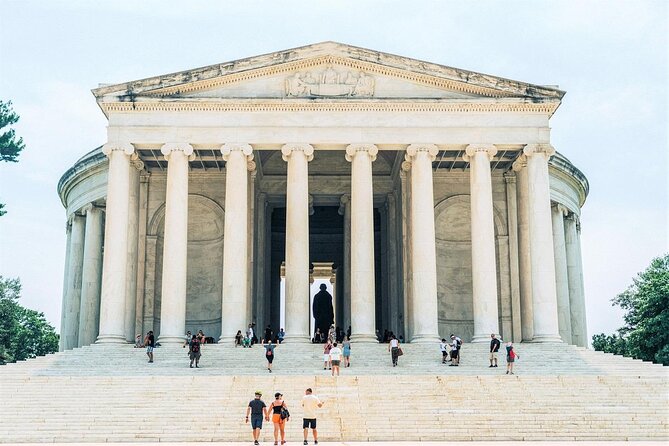
- Jefferson Memorial: the classic blossom photo viewpoint
- Old Post Office Pavilion: ending point
- Crowd management: when the ride turns into a bike-walk sandwich
- Who this tour fits best (and who should rethink it)
- Guide quality can make or break it
- Timing strategy: how to match bloom dates with your comfort level
- Quick practical tips that help a lot
- Should you book Washington DC Cherry Blossoms By Bike Tour?
- FAQ
- How long is the bike tour?
- What is the price per person?
- What dates does the tour run?
- Where do I meet and where does the tour end?
- Is a helmet provided and required?
- Can kids join, and are child bike attachments available?
- What if the weather is bad?
- Is the tour in English?
Key highlights to know before you pedal
- Timed for festival season: Runs March 20–April 11, with peak bloom April 3–6 likely to be the busiest.
- A mostly mellow loop: Designed for an easy ~2 hours with frequent stops for photos and short walks.
- Memorials without long detours: You’ll see FDR, MLK, and Jefferson along the Tidal Basin side of DC.
- Festival tie-in: This tour operates during the National Cherry Blossom Festival, and Bike and Roll DC is an official provider that donates a portion of ticket sales to the festival organization.
- Small group size: Maximum 15 travelers, which matters a lot when you’re navigating crowds.
- Family-friendly add-ons: Toddler trailers and tag-a-longs are available if you buy a child ticket and request attachments in advance.
Pedal-ready start at 701 D St NW (and why check-in matters)
Your tour begins back at the meeting area in downtown DC: 701 D St NW (20004). It’s a straightforward setup—pick your morning or afternoon departure time, arrive, and then check in early. The operator asks you to check in 15 minutes before departure, and they can’t guarantee late arrivals will be accommodated.
Why I care about this: cherry blossom season turns DC into one giant traffic jam. If you’re even slightly late, you’re more likely to be rushed into the line. That can affect how quickly you get your bike fitted and how relaxed you start.
Also, you’ll use a mobile ticket, and confirmation comes at booking. The tour ends back at the start location, so you’re not dealing with a totally different neighborhood at the end.
You can also read our reviews of more cycling tours in Washington DC
Bike fitting, helmets, and the ride’s real “difficulty level”
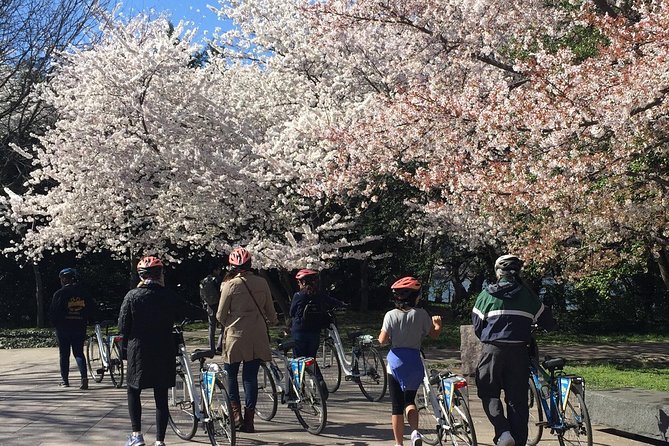
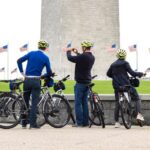
Once you meet up, the process is simple: you get fit for a bike in your size, and you’re given a helmet—helmet is mandatory. The included gear also covers kids’ equipment, including equipment for kids of all sizes and ages, with toddler trailers or tag-a-longs available.
In theory, it’s an easy spring ride. In practice, the “difficulty” depends on crowds and surface. The route runs through the Tidal Basin area and East Potomac Park, but when it gets shoulder-to-shoulder, the group may shift onto sidewalk and pedestrian-heavy segments. Even when the terrain is flat, crowded pedestrian space changes everything: it can slow the ride and turn the biking into careful maneuvering.
A couple reviews specifically flag that the ride can include substantial walking because pathways can be too crowded for safe biking. That doesn’t mean the tour fails—it means you should plan mentally for a mixed experience: ride when possible, walk the bike when necessary.
The $65 value: what you get for two hours
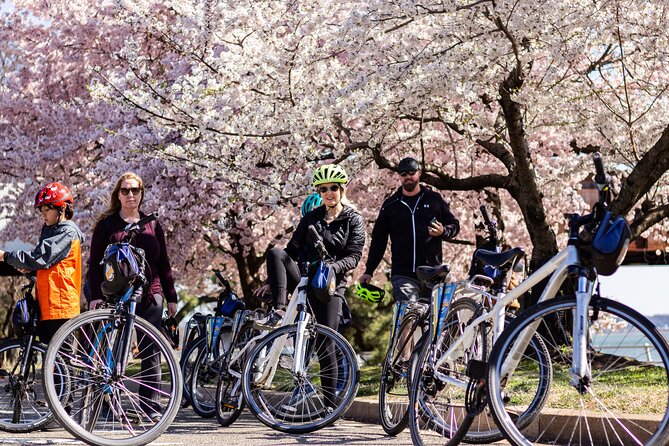
At $65 per person for about 2 hours, you’re paying for three things:
1) a guide who ties sights to stories,
2) the bike (which removes the hassle of rental and sizing),
3) a route that targets the Tidal Basin memorial cluster efficiently.
That can be good value when you only have a short window in DC or you want help navigating festival crowds. But if your goal is a long, fully on-bike experience with lots of freedom to wander, this may feel tighter than you’d expect. The focus is very much the Tidal Basin and nearby memorial belt, not the whole National Mall.
Also: this tour may cancel if weather makes riding unsafe. The operator requires good weather, so if the forecast looks sketchy, don’t wait until the last second.
Stop-by-stop: what you’ll see along the Tidal Basin loop
Japanese Lantern: where the cherry trees began
The tour opens with a quick stop at a Japanese Stone Lantern. It’s tied to the site where the very first cherry trees were planted by First Lady Taft and Viscountess Chinda.
This stop is small but meaningful because it gives you context fast: these trees aren’t just decorative. They’re part of a friendship story between the US and Japan that the National Cherry Blossom Festival continues to celebrate. You’ll also get a visual moment that feels distinct from the bigger memorial backdrops.
A good time to watch for photos: this is early in the route, so crowds are often more manageable than later near the most famous viewpoints.



Franklin Delano Roosevelt Memorial: the Pagoda moment
Next up is the FDR Memorial, where the group goes through a bike-friendly process and you’ll see The Pagoda, described as a gift of peace, sitting along the banks of the Tidal Basin.
This is one of those spots where the design helps you understand why DC cherry blossoms look so cinematic. The waterline and the architecture frame the trees. Even if blossoms are past their peak, you’ll still get that “spring on the rim of a basin” look.
Quick reality check: this is a popular area, so you’ll be moving through crowd pockets. The guide’s job is partly crowd timing—finding moments when your group can look without getting pinned.
Martin Luther King Jr. Memorial: walking the right way
At the MLK Jr. Memorial, the tour follows respectful rules: the guide stays with the bikes and you don’t ride through the memorials. If there’s time, you can walk through the space—often described through the route of the Mountain of Despair to the Stone of Hope.
This stop can feel powerful, even on a short visit. The tour doesn’t position MLK as a quick photo stop only. It’s more of a structured “you’ll walk a little” moment inside the memorial grounds.
One practical tip: when you arrive on foot, keep your belongings secure and move steadily. These are calm interior paths, but crowds still happen around iconic memorials.
National Cherry Blossom Festival stop: official timing and a donation tie-in
During the festival, the tour includes a dedicated festival stop. This part is about taking in the seasonal atmosphere—plus it’s timed to the National Cherry Blossom Festival itself.
There’s also a behind-the-scenes detail that adds credibility: Bike and Roll DC is described as an official tour provider for the festival and donates a portion of ticket sales back to the organization that coordinates the celebration.
How long you’ll be there: about 30 minutes, so it’s enough time to see what’s going on without turning the tour into a long waiting game.
Jefferson Memorial: the classic blossom photo viewpoint
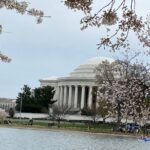
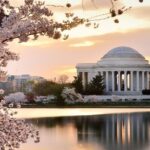
Finally, you reach the Jefferson Memorial area with a stop that includes history and a great view of cherry trees lining the Tidal Basin.
If your main goal is the postcard look—pink and white trees with the memorial silhouette—this is the moment you want your camera ready. Even in non-peak bloom weeks, you’ll still likely find some blooming branches plus the overall “row of trees” effect.
Note the pacing: the stop is shorter than some other memorial moments, around 20 minutes. If you’re the type who likes to linger for multiple angles, I’d treat this as your priority stop and decide in advance how you’ll shoot (wide first, then close).
Old Post Office Pavilion: ending point
Your tour ends back near the finish area at/near the Old Post Office Pavilion. Since the ride ends at the starting meeting point area as well, you’re basically doing a loop that returns you to where you began (so you can keep your day flexible after the tour).
Crowd management: when the ride turns into a bike-walk sandwich
Here’s the honest part: cherry blossoms turn the Tidal Basin area into one of DC’s most crowded pedestrian zones, and that changes everything.
In calmer weeks, you’re more likely to ride between stops and keep a smooth flow. In peak crowds, the experience can shift:
- sidewalks get crowded,
- groups may be forced into tighter navigation,
- and the tour can include more walking segments than you’d expect from the word biking.
Some reviews are blunt about peak timing. The clearest advice I’d give: avoid the densest blossom rush if you want to spend most of the time on the seat. Peak bloom is listed around April 3–6, and that’s when crowds will spike.
Also consider that the group size is capped at 15, which helps—but it’s still a bundle of riders in a pedestrian sea. That’s when your guide’s crowd skills matter. Named guides like Greg H and Dave have been singled out for safety and organization, which is exactly what you want on a day when space gets tight.
Who this tour fits best (and who should rethink it)
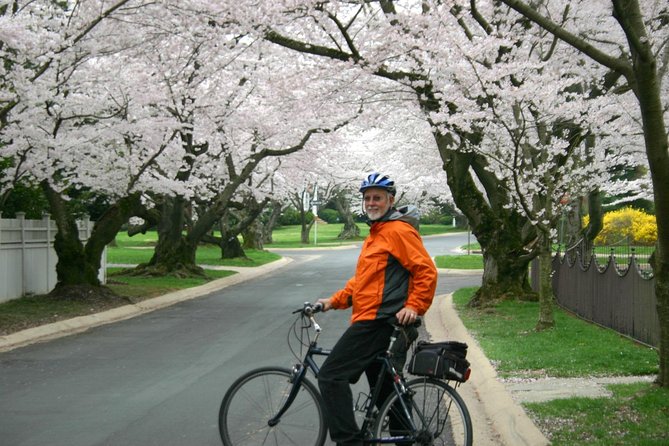
This tour works especially well if you:
- want an easy, structured way to see the Tidal Basin memorial cluster in about two hours,
- like spring photos but don’t want to plan a route,
- and you’re comfortable with a paced experience where you stop often for viewpoints.
It may feel less ideal if you:
- need lots of unbroken biking time,
- hate crowds and prefer quiet paths,
- or expect a more expansive cherry blossom route beyond the Tidal Basin area.
If you’re traveling with kids, the inclusion of helmet and kid-sized gear is a strong plus. Still, confirm in your mind that it can become more walking than biking during busy moments.
If you’re sensitive to bike comfort, take note: one review complains about the seat. Another flagged that some e-bikes didn’t work for their group. This suggests you should be ready for a quick check of your bike before you roll—especially if you’re relying on electric assist.
Guide quality can make or break it
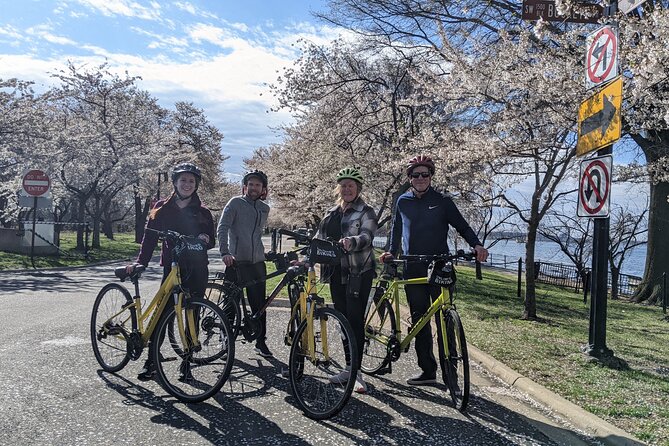
The tour lives and dies by its guide. When the guide is confident, the group stays together, the stops work, and the story lands.
I’ve seen many positive mentions of guides such as Aiden, Wally, Bianca, Greg S, Greg H, and Dave. Common themes include:
- friendly pacing,
- good safety habits,
- and clear explanations at key points.
I’ve also seen complaints tied to slower bike repairs, moments of losing control in crowds, and issues with bike condition. That’s not something you can fully predict, but it’s a reason to go in with flexibility—arrive early, listen carefully at every stop, and don’t assume every bike will feel identical the moment you sit down.
Timing strategy: how to match bloom dates with your comfort level
The National Park Service lists peak bloom around April 3–6. Before or after that, you can still get fabulous visuals, just with different intensity.
My practical strategy:
- If you want the most blossoms: book close to peak, but plan for crowd stress.
- If you want easier movement: book earlier or later within the March 20–April 11 window, and accept that not every tree will be in full bloom.
Also, blossom rush isn’t just about the date—it’s about the hour. Some reviews say mid-morning can be a no-go for bike comfort during the busiest period, so if your schedule allows it, aim for a time that feels less like a stampede.
Quick practical tips that help a lot
- Bring a layer even if the forecast looks mild. Spring days in DC swing.
- Expect some sidewalk sections. Keep your focus on your guide and the group spacing.
- If you’re prone to being cold or tired, consider arriving with a plan for refreshments nearby after the ride—there are lots of places to eat in the area.
- If you’re with kids, decide ahead of time whether your child can handle short walks inside crowded memorial approaches.
Should you book Washington DC Cherry Blossoms By Bike Tour?
Book it if you want a guided, efficient way to see the Tidal Basin and major memorials in about two hours, and you’re okay with stopping often for photos. The tour can be a genuinely fun spring outing—especially when a good guide keeps the group moving safely and the crowds are manageable.
Skip or rethink it if your top priority is a long, uninterrupted ride with minimal pedestrian congestion. In peak cherry blossom crowds, the tour can feel more like careful navigation than cruising. If you’re hoping for a near-car-free biking dream, cherry blossom season will test that wish.
If you do book, choose your timing thoughtfully: aim for a window that matches your tolerance for crowds, and go in expecting a mixed experience of riding plus short bike-walk moments around iconic spots.
FAQ
How long is the bike tour?
The tour lasts about 2 hours.
What is the price per person?
The price is $65.00 per person.
What dates does the tour run?
The tour runs from March 20 to April 11.
Where do I meet and where does the tour end?
The meeting point is 701 D St NW, Washington, DC 20004, and the tour ends back at the meeting point.
Is a helmet provided and required?
Yes. A helmet is mandatory, and it’s provided as part of the tour equipment.
Can kids join, and are child bike attachments available?
Most travelers can participate. For children, toddler trailers and tag-a-longs are available, but you’ll need to purchase a child’s ticket and let the operator know you need an attachment in advance.
What if the weather is bad?
The tour requires good weather and may be canceled if conditions make riding dangerous. If canceled due to poor weather, you’ll be offered a different date or a full refund.
Is the tour in English?
Yes, the tour is offered in English.