REVIEW · WASHINGTON DC
National Archives Skip the Line Tour Semi-Private 6ppl Max
Book on GetYourGuide →Operated by Babylon Tours DC · Bookable on GetYourGuide
Founding papers deserve a calm, human guide. This National Archives skip-the-line tour turns a crowded museum into a clear story you can actually follow. I especially liked the small-group feel with strong Q&A and the way guides (like Meghan, Donna, Maribeth, and Bess) make the documents feel personal, not dusty. One consideration: it is a walking tour and it is not listed as suitable for wheelchair users.
In two hours, you move from the Rotunda’s famous documents to the Public Vaults and on to older legal history at the Rubenstein Gallery. You’ll also see how the nation’s ideals and its failures collided in places like an Emancipation Proclamation display and a Rosa Parks citation. If you come expecting total silence and zero interaction, note that some rooms have restricted speaking rules, so your guide will set the tone before you enter.
In This Review
- Key highlights I’d plan around
- Why a Skip-the-Line Guide Matters at the National Archives
- 2 Hours From the Rotunda to the Public Vaults
- The Rotunda: Declaration and Constitution Under Glass
- Bill of Rights and Federalist Papers with Hamilton Signatures
- Public Vaults: Presidential Letters, Including Washington to Kennedy
- Emancipation Proclamation and a Rosa Parks Citation
- Rubenstein Gallery and the Magna Carta of 1297
- Group Size, Pace, and the Q&A-Friendly Guide Style
- Price and Logistics: Is $111 Worth It?
- What to Bring and How to Prepare for Security
- Who This Tour Fits Best
- Should You Book This National Archives Skip-the-Line Tour?
- FAQ
- How long is the National Archives skip-the-line tour?
- What does skip the line mean here?
- How big is the group for semi-private tours?
- What is included in the tour price?
- Do I need a passport or ID?
- Are hotel pickup and drop-off included?
- Is food or drink provided?
- Can I bring a large bag or luggage?
- Is the tour suitable for wheelchair users?
- What if the National Archives closes or the tour is delayed?
Key highlights I’d plan around

- Skip-the-line entry using a separate entrance so you spend more time inside and less time waiting.
- Rotunda focus on the Declaration of Independence and the Constitution right where you can actually take them in.
- Bill of Rights + Federalist Papers with signature details, including Alexander Hamilton.
- Presidential letters shown in the Public Vaults, including items tied to George Washington and John F. Kennedy.
- Civil rights trail markers, including an Emancipation Proclamation and a Rosa Parks citation.
- Magna Carta of 1297 in the Rubenstein Gallery, connecting US constitutional ideas to older roots.
Why a Skip-the-Line Guide Matters at the National Archives
The National Archives can be wonderfully intense. It is also a place where lines, crowds, and constant foot traffic can distract you from what you came for. Paying for a guide here is less about buying facts and more about buying time and focus.
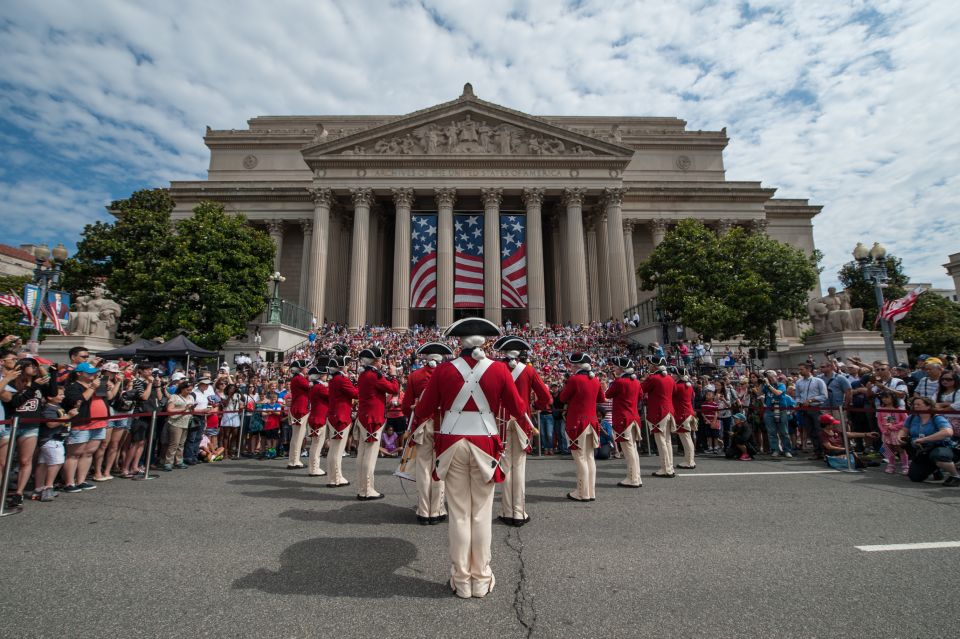
The big practical win is the skip-the-line access through a separate entrance. That matters because the most iconic rooms fill up fast, and good viewing angles don’t last. A second win: you’re not wandering room to room trying to decode what matters most. Your guide maps the visit with a tight route and clear context, so you actually know what you’re looking at.
The tour is 2 hours of walking, and it stays small (semi-private groups are capped at 8 people). That size makes a difference. You get a personal pace, not a whistle-through.
You can also read our reviews of more private tours in Washington Dc



2 Hours From the Rotunda to the Public Vaults
This is a highlights route, built to hit the main rooms in a logical order. You start in the Rotunda, then move through the exhibits and galleries that connect the birth of the US to later struggles and earlier legal foundations.
The through-line is smart: founding documents first, then how the system evolves, gets tested, and gets reinterpreted through time. Expect a mix of historical and political context, plus stories and details you won’t easily pick up from labels alone.
You’ll also hear reminders before entering certain areas where speaking is restricted. That helps the visit stay respectful and keeps your guide from breaking any quiet-room rules mid-flow.
The Rotunda: Declaration and Constitution Under Glass
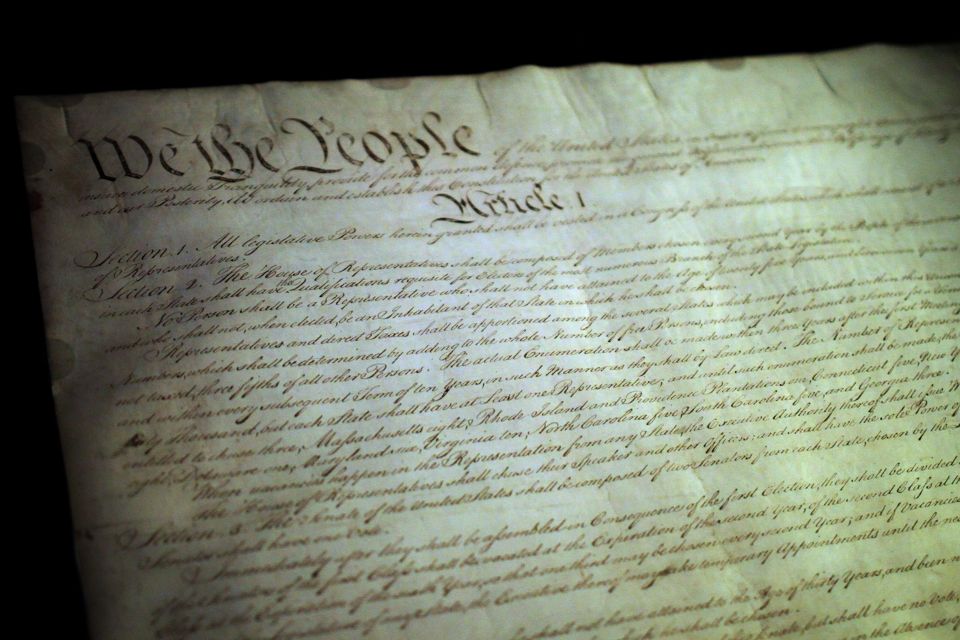
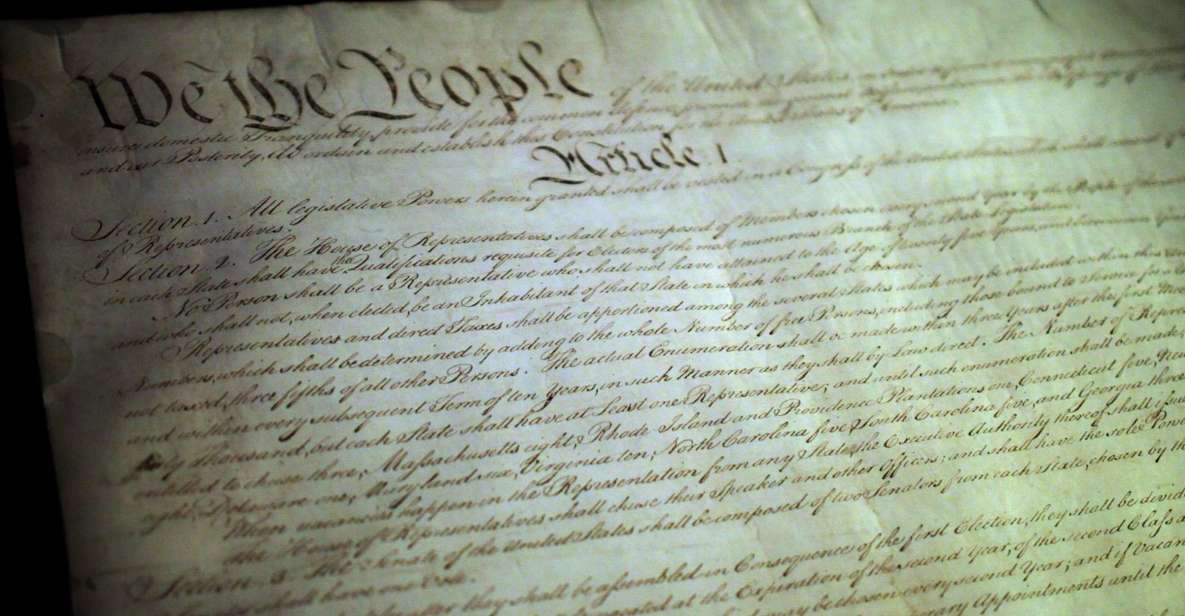
The Rotunda is the headline act for a reason. You’ll stand in front of the Declaration of Independence and the Constitution, and the viewing setup is part of the magic. Your guide helps you notice what matters in the documents themselves and in the bigger moments around them.
What I like about starting here is momentum. You begin with the ideals—then later stops make those ideals feel less like slogans and more like questions the country kept answering (and failing to answer) over and over.
Your guide also sets expectations for how to look at the materials and how not to get lost in the sheer importance of the room. It is a smart move. When you are in front of the real thing, you need orientation fast.
Bill of Rights and Federalist Papers with Hamilton Signatures
Next comes the Bill of Rights and the Federalist Papers—including signature details tied to famous statesmen. Alexander Hamilton’s name is part of what you’ll see here, and it adds a fun layer: you’re not just reading about debates, you’re looking at the people behind the arguments.
This stop is where the tour does real interpretive work. The Bill of Rights isn’t presented as a list of clauses you memorize. It is framed as a political solution to a very specific problem: how power gets checked in theory—and how it gets challenged in reality.
If you’re the type who likes to ask questions, this is a good place for it. Guides on this tour have a track record of encouraging questions and adjusting explanations to the room.
Public Vaults: Presidential Letters, Including Washington to Kennedy
The Public Vaults Exhibits add a different kind of proof. Instead of only constitutional-level documents, you get letters connected to presidents, including items tied to George Washington and John F. Kennedy.
This is valuable because it gives you a more human scale. You see how leaders communicated, how decisions got communicated, and how public policy and private wording lived side by side. It’s also a reminder that history isn’t just speeches and documents in a museum case. It’s paperwork, timing, and persuasion.
One practical note: expect a careful museum feel. Your guide helps you move through without wasting time trying to figure out what is the main story in each display.
You can also read our reviews of more tours and experiences in Washington Dc


Emancipation Proclamation and a Rosa Parks Citation
Then the tour turns sharper. You’ll look at the Emancipation Proclamation, which helped move slavery toward an end in the 19th century. That topic alone can feel heavy, and the value of a guide is how they link it to the longer arc of rights and resistance.
After that, you’ll see a citation issued to civil rights activist Rosa Parks. This is one of those stops that changes how you read the timeline. It shows that civil rights struggles did not end when one law changed. The fight kept going because the country kept finding new ways to block equal treatment.
I also appreciate that the tour doesn’t treat these moments like trivia facts. The stories connect the documents to the lived consequences of policy and prejudice, which is the only honest way to talk about these items.
Rubenstein Gallery and the Magna Carta of 1297
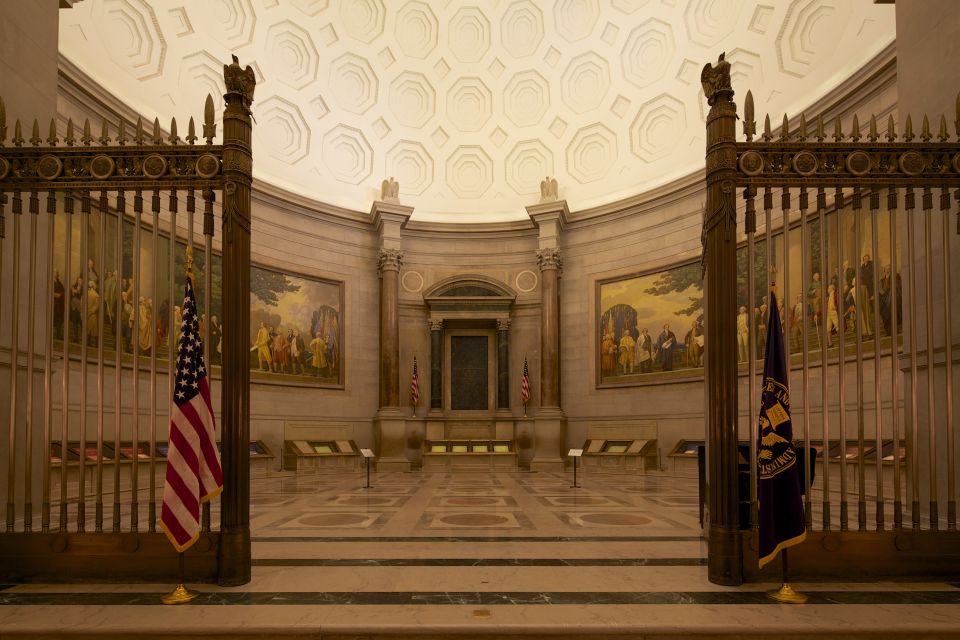
Here’s a delightful surprise for many people: you’ll examine older legal history, including the Magna Carta of 1297, in the Rubenstein Gallery. This stop broadens your lens. You start seeing the idea of constitutional limits as something older than the American Revolution.
For me, this gallery works because it helps you place American documents in a wider legal conversation. You’re not only learning US history. You’re learning how legal thinking travels across centuries.
It is also a nice pacing shift after the more emotional civil rights and emancipation material. Older legal documents can feel abstract until someone explains how the “why” of constitutional rights fits into a long tradition of accountability.
Group Size, Pace, and the Q&A-Friendly Guide Style
This tour hits the sweet spot between private and group touring. You’re in a small group setting with no more than 8 people for semi-private options. That helps your guide do something harder than recite facts: respond to you.
From the tour guides associated with this experience, you’ll notice a style pattern. Guides like Meghan and Donna have a talent for storytelling that builds emotional context. Maribeth is noted for putting what you see into clear historical framing. Bess has led groups quickly into prime viewing in the Rotunda so you can see key moments without extra interruption. Ryan and Brenda are praised for clarity and for answering questions.
You’ll want to come with at least some curiosity, but you don’t need a history degree. The best part is that the tour is built to make the documents make sense even if you only know the highlights from school.
One more practical consideration: your tour lasts 2 hours and covers real ground. Wear shoes you can trust for indoor walking. Also, avoid big bags. Large luggage is not allowed through security.
Price and Logistics: Is $111 Worth It?
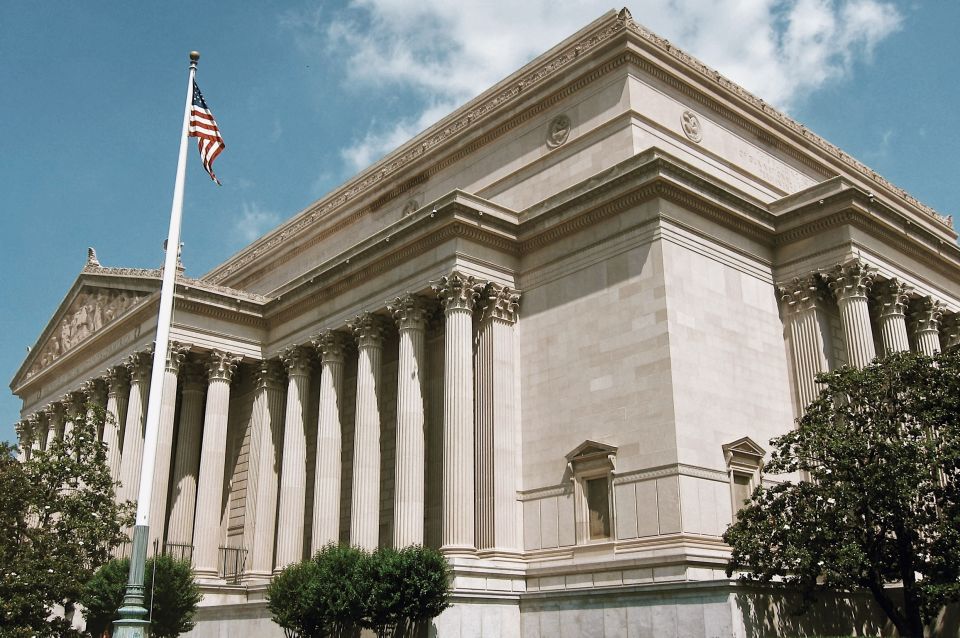
At about $111 per person for 2 hours, this isn’t a bargain café tour price. But it also isn’t just “a person talking at you.” You’re paying for three specific forms of value.
First, skip-the-line entry. In a high-demand museum, that’s time you can’t get back. Second, you get a route through the National Archives that prioritizes the highest-impact documents and exhibits. That alone can save you a lot of confusion if you would otherwise be sorting it out on your own. Third, you’re buying someone’s ability to translate complex political history into something that lands.
If you’re a solo visitor or you hate wasting time guessing which room matters most, the cost starts looking reasonable fast. If you prefer to read at your own speed and you already know the National Archives highlights well, you might decide to tour independently. Still, the guide’s role here is more than interpretation. It is navigation plus context in a tight time window.
What to Bring and How to Prepare for Security
This visit stays grounded in practical requirements.
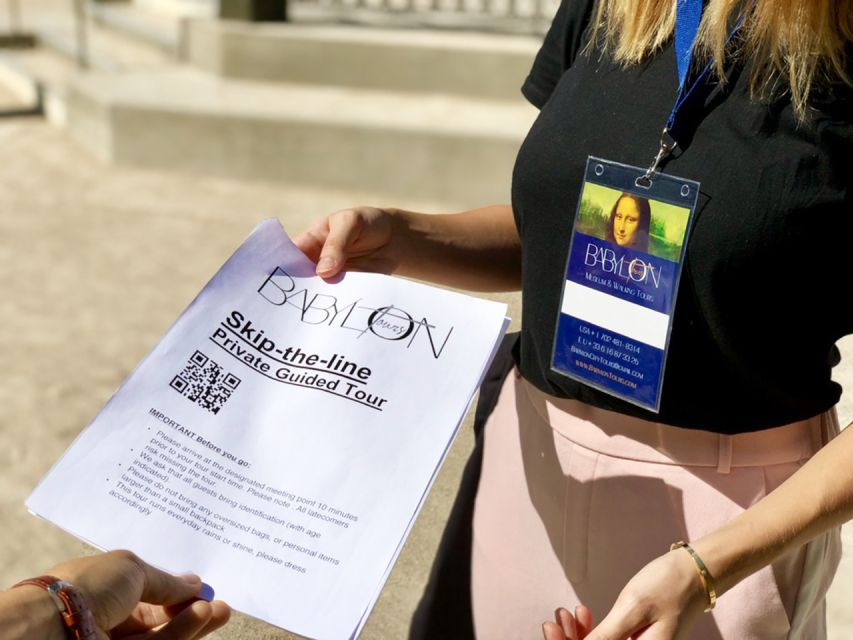
Bring a passport or ID card because you’ll need valid photo identification. Plan on traveling light: no luggage or large bags are allowed through security. A handbag or small thin backpack is fine.
Dress matters more than you’d expect for government buildings and museum rooms. The tour notes that appropriate dress is required for entry into some sites, so keep it simple and respectful.
And remember: some rooms have quiet or restricted speaking rules. Your guide will set expectations before you enter so you don’t accidentally break the rhythm.
Who This Tour Fits Best
This tour is a strong match if you want a guided path through the National Archives that feels human and focused. You’ll enjoy it if you like your history with context: why a document mattered then, and what it meant for people later.
It also suits families. One review specifically called out a great experience with a 10-year-old, which suggests the guides are used to handling mixed ages and keeping explanations clear.
It may not be your best fit if mobility access is a major issue. The tour is listed as not suitable for wheelchair users, so if that’s part of your planning, I’d check options carefully when booking.
Should You Book This National Archives Skip-the-Line Tour?
If you have limited time in Washington, this is an easy yes. The biggest reason is simple: the National Archives is too important to “figure out later.” With skip-the-line entry and a route built around the best-known documents plus the less-famous connective tissue (civil rights items and older legal roots), you get a more satisfying visit in 2 hours than you’re likely to piece together alone.
Book it if:
- you want to see the Declaration of Independence, Constitution, Bill of Rights, Federalist Papers, and Magna Carta of 1297 without playing museum logistics roulette
- you like asking questions and getting answers in real time
- you want the history explained as a story, not a list
Skip it if:
- you want a quiet self-paced museum wander where you never interact with a guide
- your schedule can flex freely and you are comfortable navigating the Archives on your own
If you’re on the fence, think about the one thing that will make or break your day: time spent standing in line versus time spent looking at the real documents. This tour leans hard toward the time you actually care about.
FAQ
How long is the National Archives skip-the-line tour?
It lasts 2 hours and is a walking experience.
What does skip the line mean here?
You enter through a separate entrance for skip-the-line access.
How big is the group for semi-private tours?
Semi-private groups have a maximum of 8 people.
What is included in the tour price?
You get a professional guide and a 2-hour walking tour, with a private or small group format.
Do I need a passport or ID?
Yes. You should bring a passport or ID card and a valid photo ID is required.
Are hotel pickup and drop-off included?
No. Hotel pickup or drop-off is not included.
Is food or drink provided?
No. Food and drink are not included.
Can I bring a large bag or luggage?
No. Luggage or large bags are not permitted. You can bring a handbag or small thin backpack.
Is the tour suitable for wheelchair users?
The tour is listed as not suitable for wheelchair users. If you need wheelchair access, the booking info says to advise when booking, so it’s worth checking options directly.
What if the National Archives closes or the tour is delayed?
The National Archives may be subject to closures without prior warning. If the tour is delayed by more than 1 hour and the local partner cannot provide a refund or discount, you’ll be provided with an appropriate alternative.