REVIEW · WASHINGTON DC
National Archives Skip the Line Guided Tour Semi-Private 6ppl Max
Book on Viator →Operated by Babylon Tours DC · Bookable on Viator
History feels close here. Step into the National Archives with a semi-private guide and go straight to the documents people argue about, quote, and rely on. This tour is built for momentum: you’ll start in the rotunda, then move through the public vault exhibits and end with older legal roots like the Magna Carta.
I especially like the way the tour turns “paper history” into a story you can follow—Declaration of Independence, Constitution, Bill of Rights, Federalist Papers, and more, all tied together in plain language. I also like the small-group feel (maximum 8), which makes it easier to ask questions and actually see the items without getting lost in the crowd. One thing to consider: security rules can still create lines, and the museum has restrictions like no large bags and some areas where speaking is limited.
In This Review
- Key reasons this National Archives tour works
- Price and what you’re really paying for at the National Archives
- Timing, meeting point, and how to keep things smooth
- Security reality check: lines can still happen
- National Archives Rotunda: Declaration and Constitution in their prime viewing moment
- Public Vaults Exhibits: presidential letters and the long arc of rights
- Rubenstein Gallery: Magna Carta and the surprising long reach
- How the guides shape the experience (and names to watch for)
- Can you handle the walking pace and rules?
- Who should book this National Archives skip-the-line tour
- Is the semi-private format worth it?
- Should you book this tour?
- FAQ
- How long is the National Archives skip-the-line guided tour?
- How many people are on this semi-private tour?
- Is admission included?
- Is the tour accessible for wheelchair users?
- What should I bring for security at the National Archives?
- Can I cancel for a full refund?
Key reasons this National Archives tour works

- Small group size (up to 8) keeps the pace human and the Q-and-A possible
- Skip-the-line access helps you see the documents early, before peak crowds fully settle in
- Original documents in multiple galleries: Declaration, Constitution, Bill of Rights, presidential correspondence, and more
- Guides who tell the story for real people, with standout performance from guides like Maribeth, Donna, Meghan, Brenda, Jennifer, Bess, Rebecca, and Richard
- Long-history connections you might not notice solo, like how the Magna Carta influenced later documents
- Family-friendly commentary that can keep kids engaged, not just adults
Price and what you’re really paying for at the National Archives
At about $105.73 per person, this isn’t a cheap add-on. The value is that you’re paying for time and structure: you’re not wandering through the National Archives trying to figure out what matters first. You also get a professional guide for roughly 1.5 to 2 hours, so the visit becomes more than sightseeing.
Another big value point: the tour is designed as a small-group experience with a maximum of eight travelers. That matters here because the building is famous, the documents are crowd magnets, and the best viewing time is often the early window. Even with “skip the line,” note that some lines can still form due to security, but you’re likely to spend more time looking and less time shuffling.
Finally, the National Archives admission is listed as free as part of the experience timing, so you’re not paying admission on top of the tour. If you’re the type who enjoys turning famous names and dates into a clear chain of cause and effect, the guide time pays off quickly.
You can also read our reviews of more guided tours in Washington DC



Timing, meeting point, and how to keep things smooth
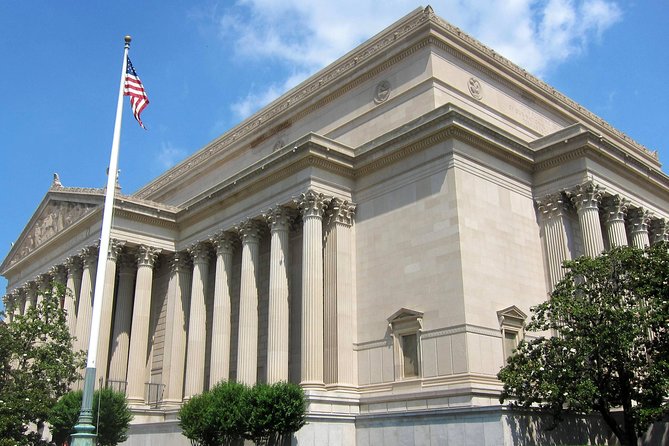
The tour starts at National Archives Museum, 701 Constitution Ave. NW, Washington, DC 20408 and returns to the same meeting point. Because it’s booked about 37 days in advance on average, I’d treat this like a “reserve early” activity—especially if you’re traveling in a busy season.
You’ll want to plan for museum security and rules before you arrive. The museum doesn’t allow large bags or suitcases inside; you can bring handbags or small thin bag packs through security. Dress appropriately for entry into some sites on the tour, and keep in mind the experience runs with moderate physical fitness expectations.
One more practical must-do: you must provide a mobile phone number (including country code). That’s how updates and meeting coordination typically work, and skipping it can cause delays.
Security reality check: lines can still happen
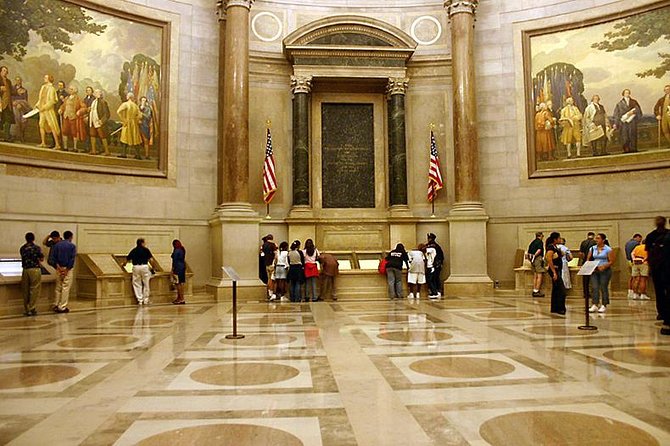
The listing calls it skip the line / no wait access, but it also notes that increased security at many attractions can still create lines. Translation: you should come ready to show up calm and methodical, not furious and sprinting.
The experience also includes moments where speaking may be restricted in certain rooms that require quiet. Your guide will typically brief you before entering those spaces, but it helps to know that the museum experience can include “low voice” pockets. Also, some collections may vary by time of year, so don’t assume every single exhibit item will always be the same on your exact date.
National Archives Rotunda: Declaration and Constitution in their prime viewing moment
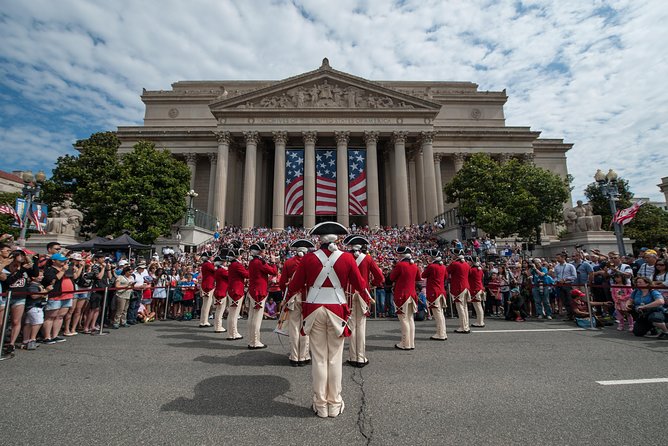
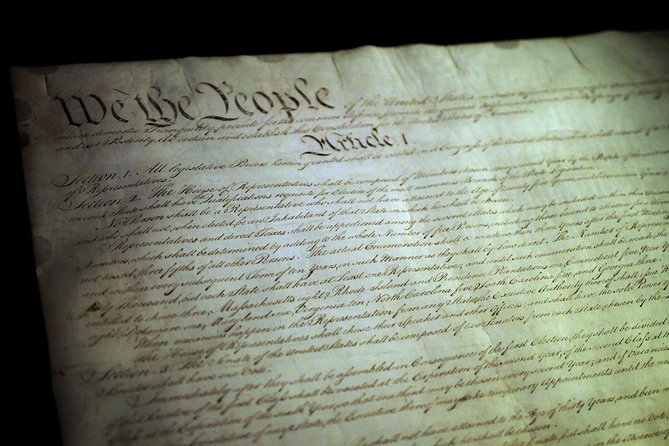
You start in the National Archives Rotunda, where the museum’s neoclassical setting makes the documents feel less like exhibits and more like civic artifacts. This is where you’ll learn about the Declaration of Independence and the Constitution while standing in front of the perfectly preserved originals.
What I like about starting here is that it builds orientation fast. You get context before you move deeper into the galleries, so the later items don’t feel random. The guide’s commentary is key: the tour’s goal is to connect names, signatures, and historical pressure points so you understand why each document exists.
You’ll also focus on documents from the 17th and 18th centuries and see related items such as the Bill of Rights and Federalist Papers. The tour highlights signatures of major statesmen—Alexander Hamilton is explicitly mentioned—so you’re not just reading titles. You’re learning how those people and ideas fit together.
A small-group benefit: with fewer people in front of the cases, you get more time at each point. That can make a big difference when you’re trying to absorb details rather than just take a quick look and move on.
Public Vaults Exhibits: presidential letters and the long arc of rights
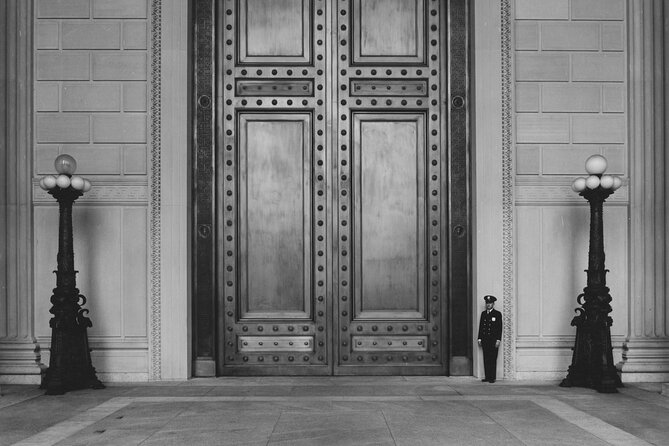
After the rotunda, you move into the Public Vaults Exhibits, where the National Archives stops feeling abstract. Here, you’ll see letters written by presidents, including George Washington and John F. Kennedy, displayed alongside other historically significant papers.
This section is also where the tour handles the country’s harder history directly. The Emancipation Proclamation is part of the narrative, framed in terms of how slavery was addressed in the 19th century. The tour then extends the story later, showing how racial injustice didn’t disappear with one proclamation. A citation linked to Rosa Parks is specifically mentioned, which helps you connect legal change to civil rights momentum.
If you’re a family, this portion can land well because it’s story-driven rather than lecture-heavy. One recurring theme in guide performance is keeping kids involved by asking them questions and slowing down at the right moments. That approach is especially helpful in a place where kids might otherwise drift or tune out.
There’s also a standout pop of human detail: one guide is noted for pointing out a correspondence story involving a letter associated with a 12-year-old Fidel Castro. Even if that exact letter isn’t on display during your dates, the point is consistent: the tour uses correspondence to show how the written word shaped real people long before they were famous.
You can also read our reviews of more private tours in Washington DC






Rubenstein Gallery: Magna Carta and the surprising long reach
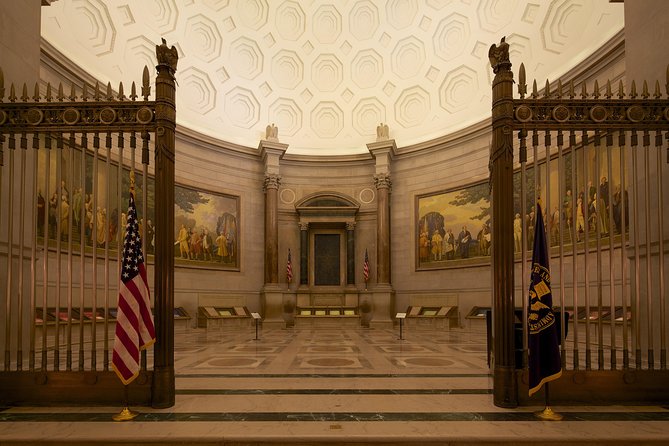
Next comes the Rubenstein Gallery, where you shift from American origins to older legal influence. The tour specifically calls out the Magna Carta of 1297, and that’s a big deal because it connects U.S. documents to earlier ideas about rule of law.
What makes this stop valuable is the way it changes your mental map. If you’ve only ever learned about American documents in isolation, seeing how older European legal traditions influenced later documents helps everything click. You start noticing themes—limits, rights, and accountability—rather than just memorizing names.
It’s also a good breather from the heavier American civic narrative, because the guide can frame the Magna Carta as a foundational thread. In other words, it becomes a bridge: not “random ancient history,” but the origin story of a legal conversation that later echoed across the Atlantic.
How the guides shape the experience (and names to watch for)
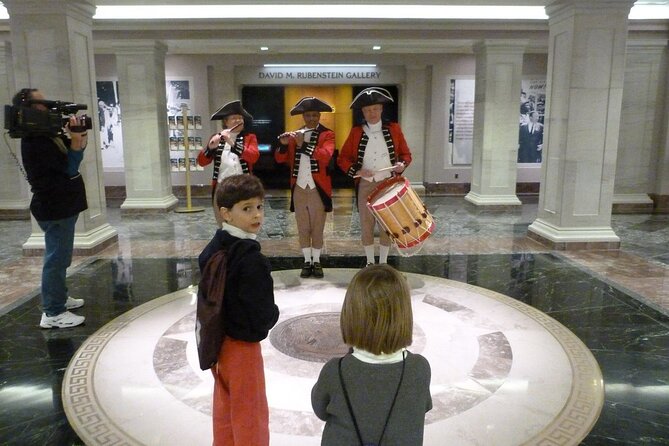
This tour lives or dies on the guide, and the strongest versions of it tend to follow a pattern: clear pacing, strong storytelling, and answers that don’t feel rehearsed. Several guides are repeatedly highlighted for exactly that kind of delivery.
For example, Maribeth is praised for engaging children (including a 9- and 12-year-old) with questions and interactive moments. Donna is noted for making history feel alive and answering questions thoroughly. Meghan gets credit for being entertaining and courteous, while Brenda is described as an incredible historian who made the tour an A+.
You’ll also hear great things about Bess, especially when visiting during significant dates such as the Juneteenth weekend, where the tour included extra time with the original Emancipation Proclamation and an Order No. 3 reference. Rebecca is specifically praised for performance and for nailing history to the point. Richard and Jennifer are also mentioned as exceptional, with Richard bringing history to life and Jennifer keeping the experience fun.
Now, a caution from a less-great experience: one guide was criticized for steering the conversation into modern movies and politics and for being slow to connect commentary to what was directly in front of you. That’s rare, but it points to a practical rule: if you’re hoping for strictly museum-focused explanation, keep your expectations aligned with a guided storytelling format, and don’t assume every guide will match your personal preference.
There’s also a camera note from a disappointing run: the guide didn’t flag that cameras weren’t allowed, even though cameras were worn on neck straps. Since you can’t control what a guide says in the moment, the safest move is to treat camera rules as something you should confirm yourself before you arrive.
Can you handle the walking pace and rules?

This tour isn’t described as a wheelchair-friendly experience, and it states it’s not available for those with walking disabilities or using a wheelchair. That’s worth taking seriously if mobility is a concern.
The fitness level listed is moderate, which usually means you’ll be on your feet while moving through galleries and security-adjacent areas. If you’re the type who gets tired standing in lines or navigating museums quickly, it’s still doable, but plan to pace yourself and wear comfortable shoes.
Also, the security and bag rules are concrete. If you show up with a big bag, you’ll likely run into friction. It’s easier to bring a handbag or small thin bag pack and move on with less stress.
Who should book this National Archives skip-the-line tour
This is a strong fit if you want:
- Small-group history with real time at the documents
- A guided explanation of Declaration, Constitution, Bill of Rights, and Federalist Papers rather than a self-directed scan
- A visit that works for kids and teens, especially if your guide-style includes question prompts and patience
- A more connected view of U.S. rights history, including Emancipation and civil rights references like Rosa Parks
It’s less ideal if you:
- Need wheelchair access or are concerned about the tour’s stated mobility restrictions
- Prefer a fully silent, independent viewing experience with zero commentary
- Get annoyed by the museum security process and can’t tolerate any potential lines even with skip-the-line entry
Is the semi-private format worth it?
Yes, for the right traveler. The semi-private structure (max 8) is doing most of the heavy lifting for this tour’s quality. In a place like the National Archives, where you want time in front of original documents, a crowded group can turn “close viewing” into “passing by glass.”
At the same time, you don’t need to love guided tours to see the upside. If you’re curious about what to look for, or you want context you can’t easily reconstruct from signs alone, a guide is the shortcut.
The tour also includes a 100% satisfaction guarantee with the condition that you contact the provider within 24 hours if your experience doesn’t meet expectations. That’s not a reason to ignore details, but it does add a layer of confidence.
Should you book this tour?
If your priority is seeing the original documents with less wandering and more clarity, I’d book it—especially given how often the experience is rated highly and how many guides are praised for storytelling and engagement. The combination of small group size, professional guidance, and early access to the documents is exactly what makes this kind of attraction enjoyable instead of exhausting.
Book it if you want a structured National Archives visit that explains why the papers matter, connects the old to the new, and gives you time to actually look. Skip it only if you’re set on a silent self-guided browse, have major mobility limits, or you know you strongly dislike interpretive commentary that sometimes includes modern context.
In short: for $105.73, you’re buying time, access, and a guided story that helps the documents land where they should—right in front of you, not as distant trivia.
FAQ
How long is the National Archives skip-the-line guided tour?
It runs about 1.5 to 2 hours.
How many people are on this semi-private tour?
The group is limited to a maximum of 8 travelers.
Is admission included?
The tour notes show Admission Ticket Free with the stop timing.
Is the tour accessible for wheelchair users?
No. The tour states it is not available for those with walking disabilities or using a wheelchair.
What should I bring for security at the National Archives?
The museum rules note no large bags or suitcases inside, only handbags or small thin bag packs through security. Dress rules may apply for some sites.
Can I cancel for a full refund?
Yes. Free cancellation is available if you cancel at least 24 hours in advance. Cancellation cut-off is based on the experience’s local time.