REVIEW · WASHINGTON DC
National Portrait Gallery and American Art Museum Tour: 8ppl Max
Book on Viator →Operated by Babylon Tours DC · Bookable on Viator
Portraits can tell you how a country thinks. This 2.5-hour small-group tour brings the National Portrait Gallery and American Art Museum together, so you’re not just looking at masterpieces—you’re getting the story behind them, led by an expert guide (one guide named Meghan is praised for turning labels into real meaning). You’ll see famous artists like Edward Hopper and David Hockney, plus the National Portrait Gallery’s Civil War-era setting tied to Walt Whitman.
I also like that the group limit keeps the pace human. One possible drawback is that museum security and rules matter: plan for no large bags and possible lines, and note that the museums can occasionally close without much notice.
In This Review
- Key Things That Make This Tour Worth Your Time
- Why Pairing National Portrait Gallery With American Art Works
- Walt Whitman’s Civil War-Era Setting: National Portrait Gallery First Stop
- Portraiture on Purpose: What You’ll Notice Beyond the Names
- The Transition: From Portraits to the American Art Museum Story
- Mary Cassatt to Georgia O’Keeffe: Seeing Change in American Style
- Great Depression Photography and the Obama Portrait: When Politics Becomes Visual
- Edward Hopper and David Hockney: Modern America Through Different Lenses
- Timing, Pacing, and Why 2.5 Hours Feels Just Right
- Getting In Without Chaos: Security, Bags, and Quiet Rules
- Who This Tour Is Best For (and Who Might Feel Limited)
- Price and Value: Is $89.67 Worth It?
- Should You Book This Tour?
- FAQ
- How long is the tour?
- What is the maximum group size?
- What language is the tour offered in?
- Where does the tour start, and what time does it begin?
- Is food or drinks included?
- Do I need to bring a mobile phone number?
- Are admission tickets included?
- What kind of bag can I bring into the museum?
- What if part of the tour needs a quiet or no-speaking rule?
- Can I get a full refund if I cancel?
Key Things That Make This Tour Worth Your Time
- Small group, big focus: max 8 people means the guide can actually explain what you’re seeing.
- Whitman’s hospital story: the National Portrait Gallery building connects directly to wounded soldiers treated by Walt Whitman.
- More than famous names: you’ll move from portraits and photos to Impressionism and beyond, with clear context.
- Great Depression imagery: government-commissioned photographs give you a sharper view of America in tough times.
- A guide who explains the labels: praised for making you understand what’s behind the art, not just what’s on the wall.
- You leave with connections: the tour helps you connect women artists, political portraiture, and modern work into one timeline.
Why Pairing National Portrait Gallery With American Art Works
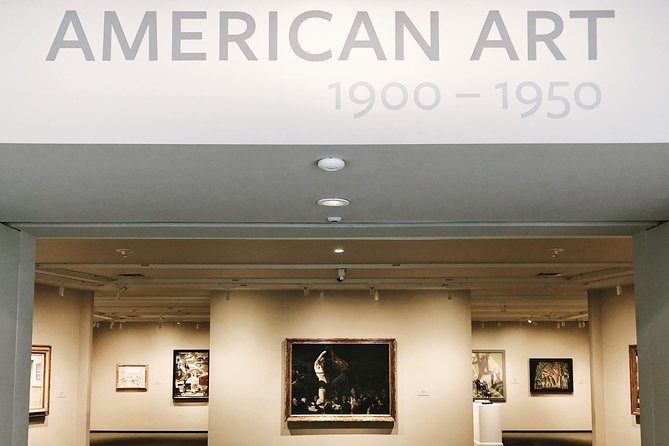
Washington DC can be overwhelming. Museums are everywhere, and it’s easy to spend your day hopping from room to room with no idea what you’re missing. This tour smartly links two nearby anchors—National Portrait Gallery and the American Art Museum—so you get a fuller “how America tells its own story” arc instead of two disconnected visits.
The National Portrait Gallery portion shows you faces and identities: presidents, first ladies, Civil War leaders, and the people who shaped public life. Then the American Art Museum shifts to American creativity itself—painters, photographers, and artists whose styles changed as the country changed. If you’re the type who likes a theme running through your day, you’ll feel that thread here.
And because it’s capped at eight, the guide can slow down at the right moments. That matters most in portrait galleries and photography rooms, where the big payoff comes from details you might otherwise skip.
You can also read our reviews of more museum experiences in Washington DC
Walt Whitman’s Civil War-Era Setting: National Portrait Gallery First Stop
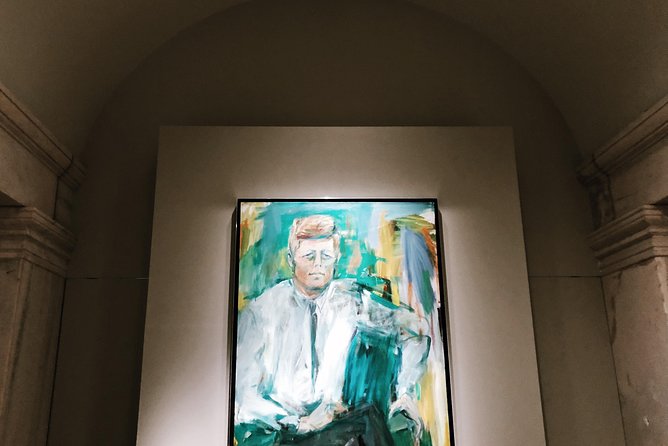
The National Portrait Gallery is housed in a building with an unusual backstory: it was used as a Civil War-era hospital. Walt Whitman treated wounded soldiers there, and that connection isn’t just trivia—it’s part of the building’s identity. When you walk in knowing the place once mattered for survival, the portraits hanging inside start to feel more layered. You’re not only looking at famous faces; you’re standing in a space tied to real human suffering during a defining moment.
This stop is also where the tour’s “America through people” idea really clicks. The portrait collection spans a wide time range and a wide cast: influential leaders, prominent public figures, and more ordinary individuals you’d only find if someone guides you toward them. The result is that you see how Americans have chosen to represent themselves—who gets painted or photographed, and what kind of image the nation wanted to preserve.
Portraiture on Purpose: What You’ll Notice Beyond the Names
In many museums, you can read labels and still feel like you’re missing why something matters. Here, the tour helps you see portraiture as a tool. Portraits can be about power, memory, propaganda, admiration—sometimes all at once.
Expect to spend time with major portrait types, including:
- Presidential portraits and images of the first ladies, which show how political identity gets staged and maintained.
- Civil War figures such as Grant and Sherman, which highlight how art records conflict and leadership in the same breath.
- A wide mix of media, including paintings and photographs, plus 19th-century daguerreotypes.
Daguerreotypes are a big deal because they’re early photography. They look different from anything you’ll take with your phone today, and that changes how you read a face. You’ll likely appreciate the tour’s guidance here, because early photographic techniques can feel unfamiliar unless someone points out what to look for.
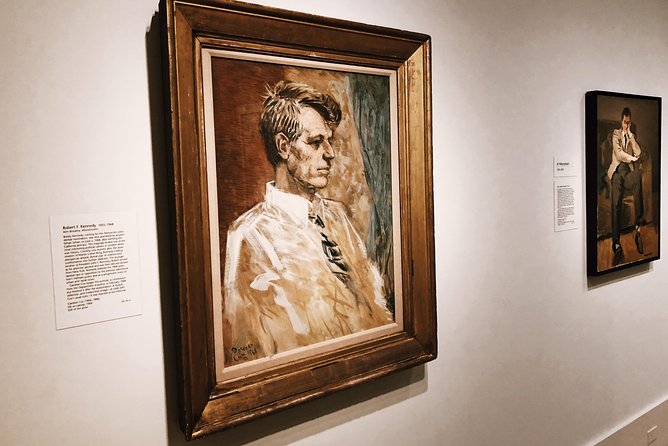
One standout benefit is the way the guide turns descriptive annotations into actual context. A recent standout experience involved Meghan guiding the group and offering insights people wouldn’t get from labels alone—especially around women artists.
The Transition: From Portraits to the American Art Museum Story
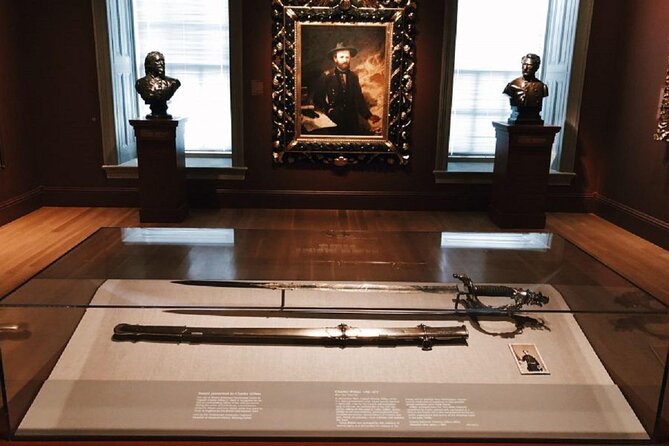
After the Portrait Gallery, the tour moves you into the American Art Museum side of the day—same theme, new medium. This shift matters. Portrait galleries often focus on identity and public history. The American Art Museum adds interpretation: how artists captured everyday life, beauty, politics, and modern change.
The pacing also helps you mentally reset. Instead of forcing your eyes to read face after face all day, you get a variety of art styles and formats—paintings, prints, and photography. That variety is useful if you’re worried about museum burnout.
Mary Cassatt to Georgia O’Keeffe: Seeing Change in American Style
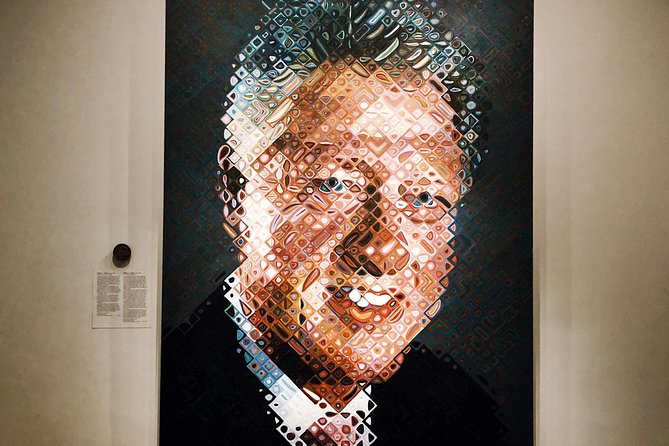
The American Art Museum highlights American artists across time. You’ll get stops connected to recognizable names, and each one helps explain how style evolves alongside social life.
Mary Cassatt represents a key American connection to Impressionism. Her work is tied to light, movement, and everyday scenes. The tour’s value here is simple: it helps you understand why her place in the Impressionist world matters, not just that she’s famous.
Then Georgia O’Keeffe arrives with a very different kind of impact. Her provocative flower imagery (and the way you’re guided to see it) pushes you to notice scale, form, and how American art can use something familiar as a doorway into something bold and new. If you’ve ever looked at O’Keeffe and felt like you needed someone to explain what you’re actually meant to notice, this part is built for you.




Great Depression Photography and the Obama Portrait: When Politics Becomes Visual
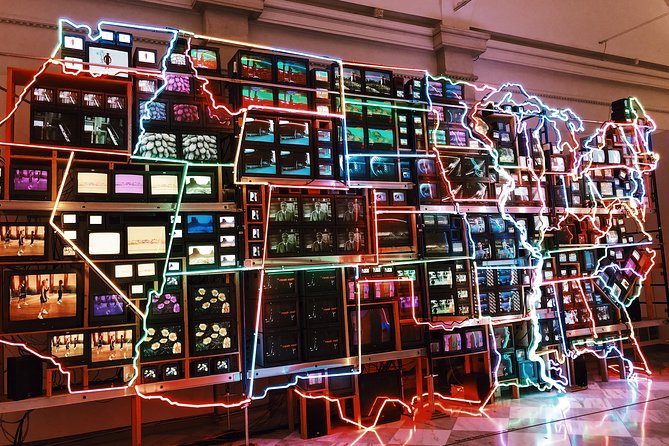
One section worth planning for is the photography focus. During the Great Depression, photographs were commissioned by the government. That means the images weren’t just art in a vacuum—they were part of a public response to crisis. You’ll likely get help connecting what you see on the wall with what the government wanted viewers to understand: hardship, dignity, work, and national identity under pressure.
Then the tour points you to a portrait of former President Obama. Seeing a modern political portrait inside the same broader conversation as older portrait traditions makes the whole theme stronger. It’s a reminder that portraiture is never only about the person—it’s also about the message people want history to remember.
Edward Hopper and David Hockney: Modern America Through Different Lenses
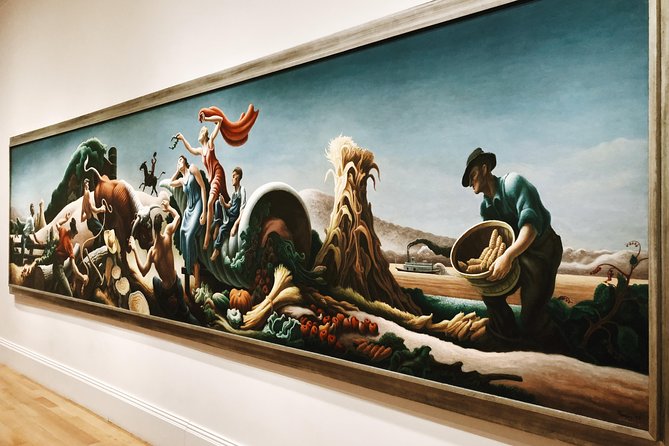
If you love recognizable modern art, this is where the tour starts feeling extra rewarding. You’ll get time with Edward Hopper—often associated with quiet loneliness and urban or suburban stillness—and that tone can shift how you interpret “Americanness.” The guide helps put Hopper in context so it doesn’t feel like a mood with no meaning.
Then David Hockney enters with a different energy. His work can feel brighter and more playful, yet still intensely thoughtful. Again, the tour’s job is to connect style to story, so you understand how a modern artist can still speak to the American narrative.
After Hopper and Hockney, you’ll move toward more experimental and contemporary art. Here’s the fair warning: modern work sometimes feels harder to read at first glance. The good news is that this tour explicitly tackles that problem. You’ll get help to make sense of how the more challenging works fit into America’s evolving story.
Timing, Pacing, and Why 2.5 Hours Feels Just Right
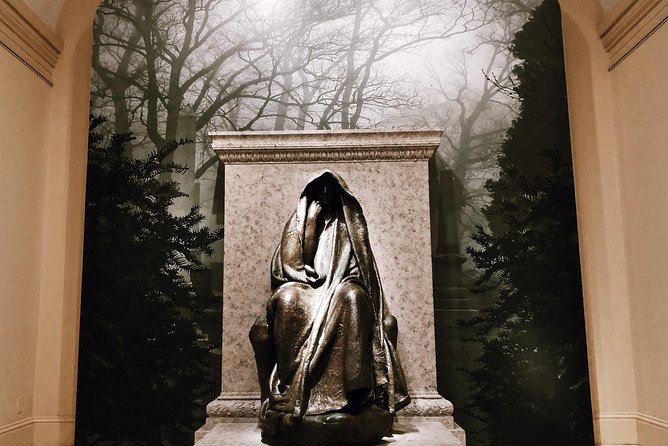
The tour runs about 2 hours 30 minutes. For DC museums, that’s a sweet spot. It’s long enough to cover major anchors and still make time for explanation. It’s short enough that you’re not stuck in your own museum fog.
The start time is 1:30 pm and you’ll end back at the meeting point. Starting mid-day can be helpful if you want a morning for other plans and a guided art afternoon when your brain is awake.
One practical scheduling note: this tour tends to be booked well ahead (on average, around 71 days). If you’re traveling during popular times, you’ll likely want to lock in earlier rather than hoping for last-minute availability.
Getting In Without Chaos: Security, Bags, and Quiet Rules
Museums in DC can have lines, and security can slow you down. The tour doesn’t guarantee you’ll skip every line, and sometimes security adds waiting. That’s normal right now, so I’d plan your day with a little flexibility.
Also pay attention to what you bring. Large bags and suitcases aren’t allowed inside the museum—only handbags or small thin bag packs go through security. If you show up with a backpack the size of a daypack, you may end up stuck dealing with rules before you even start.
Finally, some specific rooms have quiet or restricted right to speak. That doesn’t mean the tour stops; it means the guide will prepare you before you enter those spaces and adjust the way information is shared. It’s worth respecting, and it also makes the experience better if you’re the type who likes a calmer setting for art.
Who This Tour Is Best For (and Who Might Feel Limited)
This tour is a strong match if you:
- Want expert context, not just wall text
- Like portraiture and photography but also want it connected to wider American art
- Prefer a small group where you can hear explanations clearly
- Are excited by famous names like Hopper, Hockney, Cassatt, and O’Keeffe
It’s less ideal if you need maximum freedom to wander solo and stop whenever you want. A guided format means you follow a plan, even if you’ll have moments to look closely.
Physical demands are listed as moderate fitness. That’s a good fit for most people, but you should expect some walking inside and between galleries.
Price and Value: Is $89.67 Worth It?
At $89.67 per person for roughly 2.5 hours, you’re paying for three things: a professional guide, a max-8 group, and an organized art-route through two big museum spaces. The admission ticket is listed as free, so your money goes mostly toward interpretation and time-savings.
In practical terms, the guide matters. If you’ve ever stood in front of a painting and thought, I can read the label, but I still don’t get it, this kind of guided session can change the whole visit. The praised experiences highlight that the guide (including Meghan) explained what people would never notice from annotations alone and gave plenty of time to discuss context. That’s the kind of “value per minute” that makes the price feel more reasonable.
Also, with a 5/5 rating and all recommendations from the available reviews, you’re not just buying access—you’re buying a track record of solid art-history storytelling.
Should You Book This Tour?
Book it if you want a guided way to connect America’s faces and its artists in a single afternoon. The best payoff comes from the combination of:
- a meaningful setting tied to Walt Whitman
- a focused portrait-to-art storyline
- explanations that help you read photography and modern art without getting lost
Skip it or reconsider if you hate any structure and want to roam independently, or if the bag rules and security lines would stress you out.
If you’re visiting Washington DC and you want one experience that gives you context fast—while still letting you really look at art—this is a smart choice.
FAQ
How long is the tour?
It runs for about 2 hours 30 minutes.
What is the maximum group size?
There is a maximum of 8 travelers per tour.
What language is the tour offered in?
The tour is offered in English.
Where does the tour start, and what time does it begin?
It starts at the National Portrait Gallery at 8th St NW & G St NW, Washington, DC 20001, USA, with a start time of 1:30 pm.
Is food or drinks included?
No. Food and drinks are not included.
Do I need to bring a mobile phone number?
Yes. You’re required to provide a mobile phone number (including country code).
Are admission tickets included?
The tour listing indicates Admission Ticket Free.
What kind of bag can I bring into the museum?
No large bags or suitcases are allowed inside. Only handbags or small thin bag packs are allowed through security.
What if part of the tour needs a quiet or no-speaking rule?
Some specific rooms have a very quiet or restricted right to speak. Your guide will explain this before entering those rooms.
Can I get a full refund if I cancel?
Yes. Free cancellation is available up to 24 hours in advance of the experience for a full refund.