REVIEW · WASHINGTON DC
Washington, DC: African American History Tour & Museum Entry
Book on GetYourGuide →Operated by USA GUIDED TOURS · Bookable on GetYourGuide
A 4-hour bus ride can still feel like a history lesson on fast-forward. This guided African American history tour takes you past landmark monuments and lesser-known community sites, then lands you at the Smithsonian National Museum of African American History and Culture with reserved entry.
I especially love how the guide connects famous memorial stops to the people who made change happen, and how the tone mixes serious context with an easy back-and-forth. You’ll also get a comfortable, air-conditioned ride—useful when DC weather is doing its own thing.
My favorite part is the focus on names and places, not just big statues. You’ll hear stories tied to Frederick Douglass, Mary McLeod Bethune, and the Civil War’s African American soldiers while the bus keeps you moving efficiently through DC. One possible drawback: the museum time is self-paced, so you’ll want a quick plan for what you must see first.
In This Review
- Key Stops That Make This Tour Worth It
- Why This DC Bus Tour Fits a Real Vacation Schedule
- Meeting at the U.S. Navy Memorial and Getting Oriented Fast
- Photo Stops at the White House, Then MLK’s World
- Lincoln Memorial to Lincoln Park: People Behind the Monuments
- Howard University and Historic “U” Street: Black Broadway Context
- The African American Civil War Memorial and Museum Stop
- Downtown DC Stops: Freedom Plaza, the White House, MLK Jr. Memorial Area, and NCNW
- Logan Circle and Church-Building Landmarks You Might Miss
- Smithsonian National Museum of African American History and Culture: Timed Entry, Your Pace
- Price and Value: Getting $89 to Work for You
- Who Should Book This Tour (and Who Might Want Something Else)
- Should You Book This African American History Tour in DC?
- FAQ
- How long is the tour?
- What’s included in the price?
- Is food included?
- Where do I meet the guide?
- Where does the tour end?
- Will I get a guided tour inside the museum?
- Is this an official Smithsonian tour?
- What language is the tour guide speaking?
- Can I cancel for a refund?
- Is a private group option available?
Key Stops That Make This Tour Worth It
- Timed Smithsonian admission so you’re not stuck guessing
- MLK Memorial and Lincoln Memorial photo stops tied to the 1963 speech
- Frederick Douglass and Mary McLeod Bethune stops that put faces behind the facts
- Le Droit Park, Shaw, and U Street with context on Black Broadway and community life
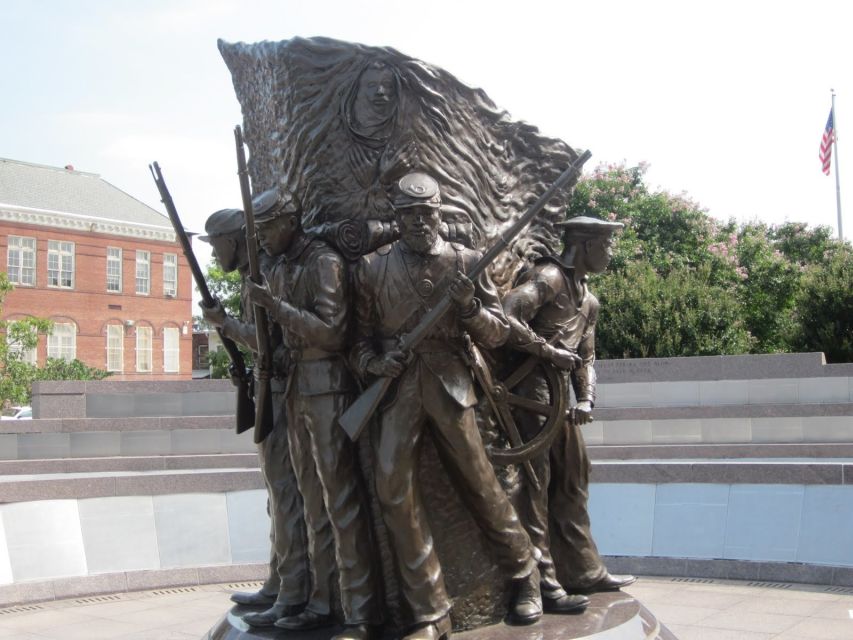
- African American Civil War Memorial and Museum focused on the soldiers’ impact
- Howard University area and downtown landmarks for a full DC-to-museum arc
Why This DC Bus Tour Fits a Real Vacation Schedule
DC is built for walking, but most history tours assume you have a full day of stamina. This one uses a climate-controlled bus to compress a lot of ground into about 4 hours (210 minutes). That matters if you’re juggling museum lines, heat, or kids in the group.
What you get is a guided route with meaningful stops—plus museum time where you control your own pace. It’s a solid value at $89 per person because you’re not just buying a ride; you’re paying for a guide’s perspective and a reserved ticket that removes one common uncertainty: getting into the Smithsonian at the right moment.
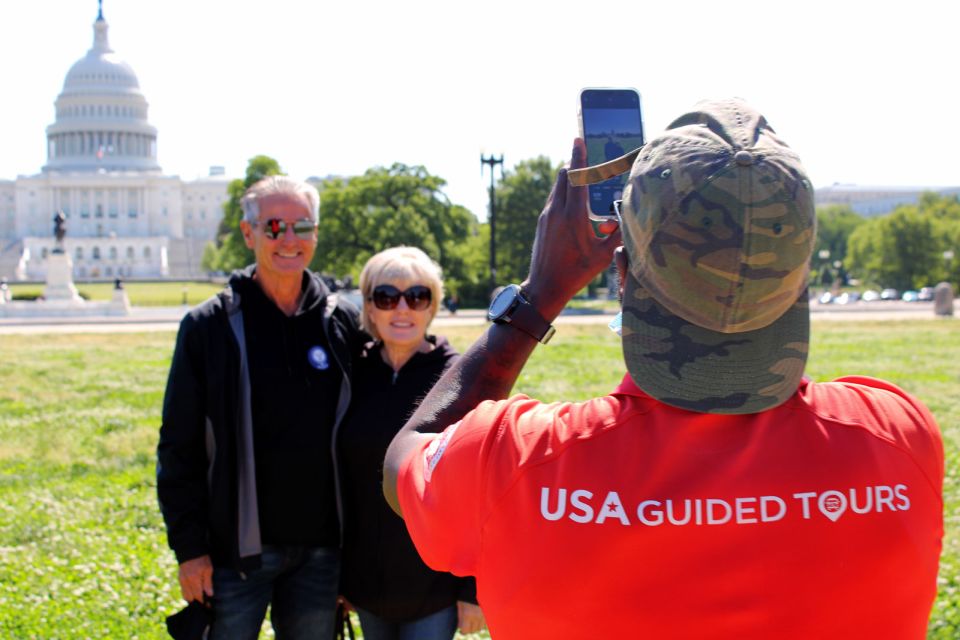
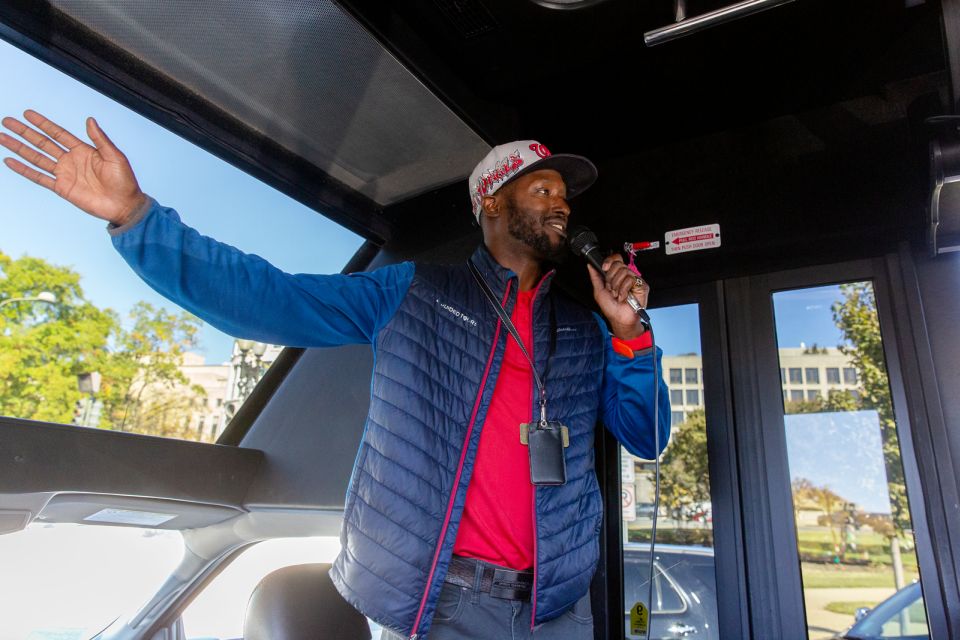
Also, the guide experience is a big deal here. People highlight guides like Dre (and at times Dr. Dre) for clear explanations and a teaching style that keeps everyone engaged, including when the bus is stuck in DC traffic for real. You’ll feel like you’re learning, not being lectured.
You can also read our reviews of more historical tours in Washington Dc


Meeting at the U.S. Navy Memorial and Getting Oriented Fast
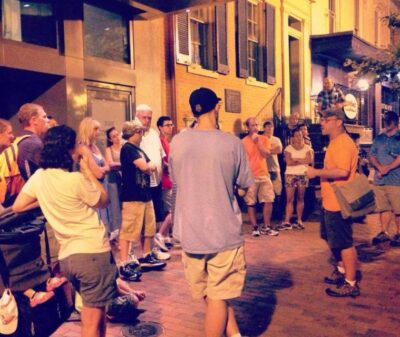
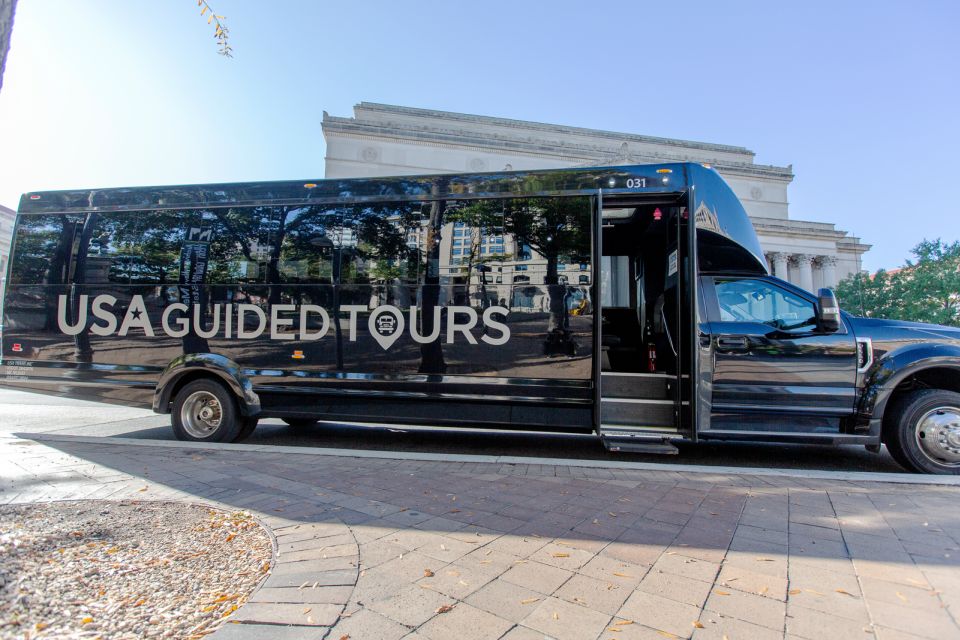
You meet at one of the tour’s U.S. Navy Memorial-area starting points (701 Pennsylvania Avenue NW or 700 Pennsylvania Avenue NW). Once you’re aboard, the guide sets the thread: African American history in Washington, DC as a story you can see in real places—statues, street neighborhoods, church buildings, and memorials.
That early orientation pays off later. When you first see a landmark like the Emancipation Statue area or the Lincoln Memorial from the bus, you’ll already understand what to look for beyond the photo. The best guided tours do this: they give you a map for the mind before they give you a map on a phone.
If you’re sensitive to sound in a vehicle, note that a small number of past guests mentioned the bus microphone being muffled. It’s not a dealbreaker, but it’s smart to sit where you can hear clearly and bring your patience for DC’s road bumps.
Photo Stops at the White House, Then MLK’s World
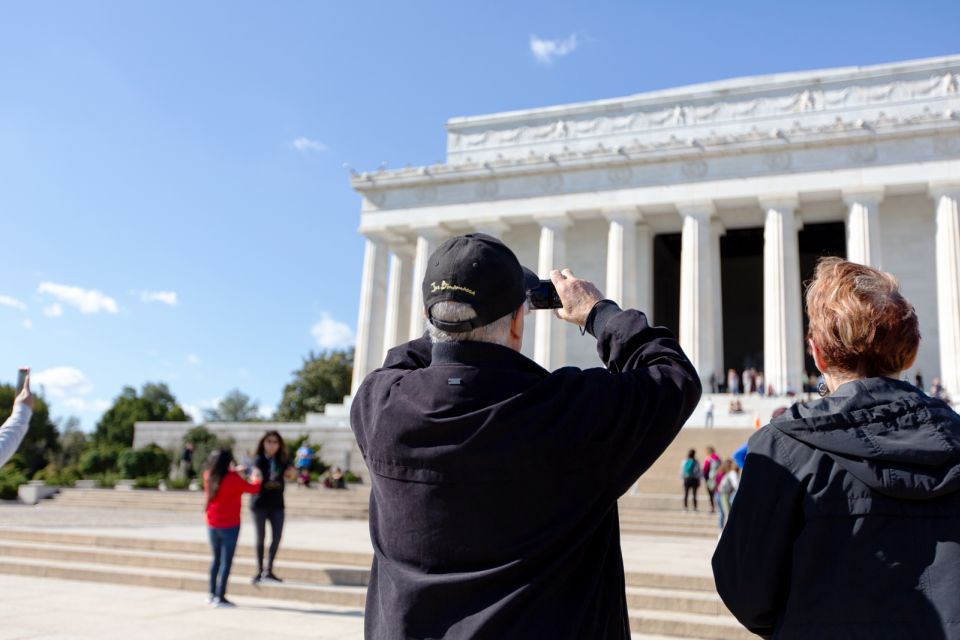
After the initial downtown area orientation, you’ll make photo stops that DC veterans will recognize instantly: the White House, then the Lincoln Memorial. But here’s the point: those landmarks aren’t treated as generic backdrops.
At the Lincoln Memorial, you’ll stop where Martin Luther King Jr. delivered the I Have a Dream speech in 1963 and stand with a reflecting-pond view that helps the story land. Even if you’ve seen these places in documentaries, the on-site framing from a guide can change how the space feels.
Next up is the Martin Luther King Jr. Memorial. From a bus window, you might think it’s just a dramatic sculpture. On this tour, it becomes a listening moment where the guide ties the symbolism to the civil rights struggle—then keeps the narrative moving so the next stop doesn’t feel random.
Lincoln Memorial to Lincoln Park: People Behind the Monuments
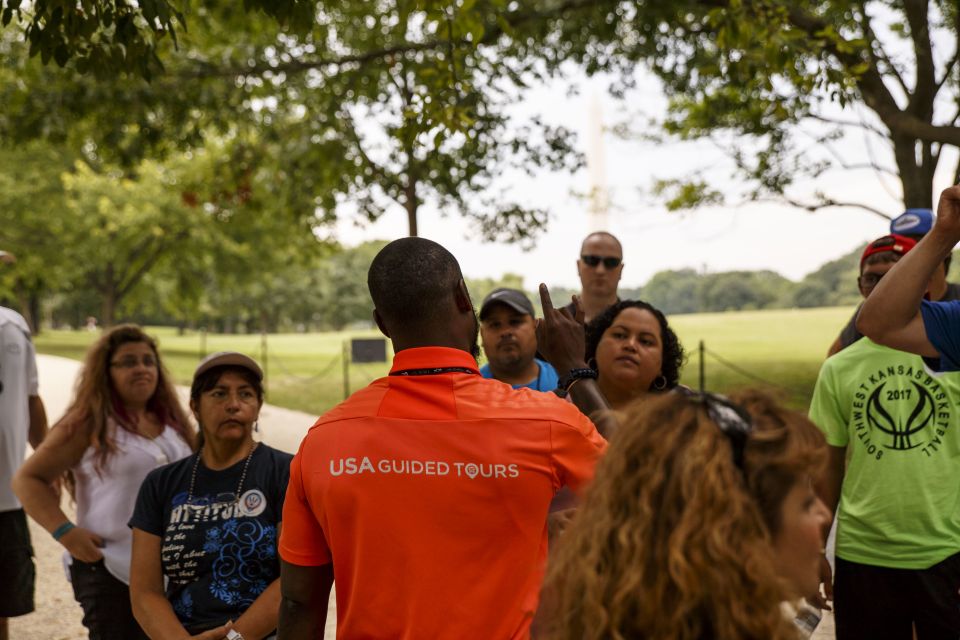
One of the smartest moves on this tour is how it uses the DC monument machine to talk about individuals who made history happen.
You’ll stop at the Lincoln Park, Washington DC area. The guide takes time here to point out the statue of Mary McLeod Bethune—educator, activist, and founder of the National Council of Negro Women. This is the kind of stop I like because it’s specific. You’re not just told to admire; you’re taught who that person was and why the city remembers her.
Right before and around this part of the route, the tour also references the Home of Frederick Douglass, letting you pause outside the place instead of treating Douglass as a name in a school textbook. That outside stop is especially useful if you want your history lessons to have physical anchors—actual walls and blocks where possible.
Then you shift toward Howard University, one of the oldest Black universities in the United States. You’re not just driving past it. The tour builds in a campus stroll time so you can see the space up close while you learn more about the civil rights movement’s momentum and institutions.
Howard University and Historic “U” Street: Black Broadway Context
The tour keeps moving into neighborhoods with deep ties to African American life. You’ll pass through Le Droit Park, Shaw Neighborhood, and Historic U Street—including a stop near the corridor once described as home to one of the largest urban African American communities in the early 1900s.
The guide’s job here is to make the neighborhood feel like more than a line on a map. The phrase you’ll hear is Black Broadway, tied to entertainment legends—past and present. The value is that you see how culture and civic change often feed each other. Music, theater, and community spaces weren’t separate from the movement; they were part of it.
You might find yourself looking at storefronts and street layouts a little differently afterward. That’s a quiet win of good historical guiding: it changes your eyes, not just your notes.
You can also read our reviews of more museum experiences in Washington Dc


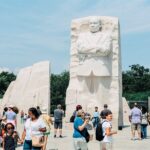



The African American Civil War Memorial and Museum Stop

This is one of the stops that tends to deepen the emotional weight of the tour. You’ll stop outside the African American Civil War Memorial and Museum, and the guide explains how the course of the Civil War was impacted by African American soldiers who fought and perished on the front lines.
Even if you already know the broad outline of the Civil War, this moment tends to shift what you remember. It’s not about distant battles; it’s about consequences, choices, and costs. The guide’s framing turns the memorial into a lesson about agency and sacrifice.
Practical tip: if you’re the type who likes to take your own photos and still hear the guide, hover near the group but don’t get swallowed by a crowd. You’ll want to catch the details the guide points out.
Downtown DC Stops: Freedom Plaza, the White House, MLK Jr. Memorial Area, and NCNW
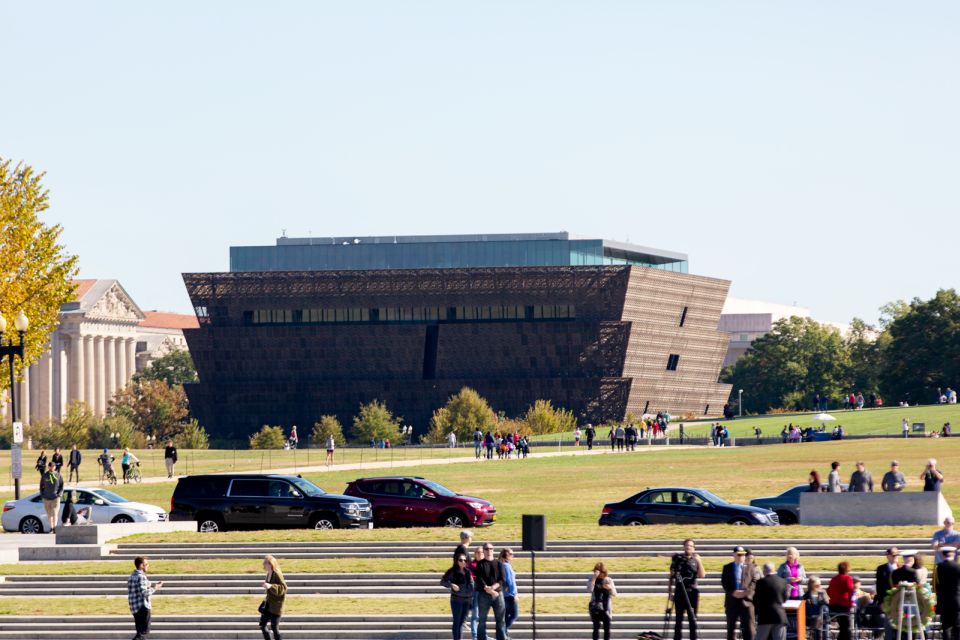
After the Civil War memorial stop, you’ll move back toward downtown DC for a concentrated cluster of major sights. You’ll admire Freedom Plaza on Pennsylvania Avenue, the White House, and the Martin Luther King Jr. Memorial again as part of the downtown sweep.
You’ll also stop around the area of the National Council of Negro Women, where the tour ties organizational leadership to the broader civil rights story. This is one of those moments where the tour feels “DC-specific.” You’re not only seeing famous monuments—you’re seeing the institutional footprints too.
If your DC itinerary is museum-heavy already, this downtown segment works as a breather: quick stops, big visuals, and an interpretive thread that keeps you from feeling like you’re just staring at landmarks.
Logan Circle and Church-Building Landmarks You Might Miss
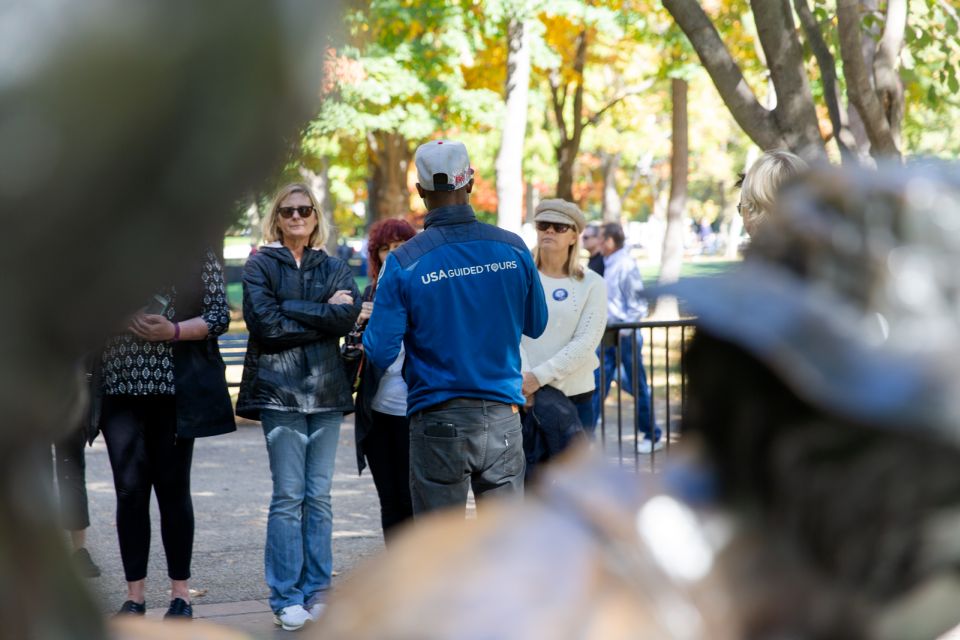
The tour also loops through the Logan Circle historic district, including stops around:
- Metropolitan AME Church
- Mary McLeod Bethune Council house
These aren’t the usual “every visitor takes a selfie here” targets. That’s exactly why they matter. When a tour gives you church architecture and council house context, it broadens your understanding of what civil rights leadership looked like in daily space—where people gathered, organized, taught, and built networks.
This is also where the tour can feel most like a local education. You’re seeing how history lives in active buildings and preserved places, not just in major monuments. If you like your travel with a side of human scale, you’ll appreciate this part.
Smithsonian National Museum of African American History and Culture: Timed Entry, Your Pace
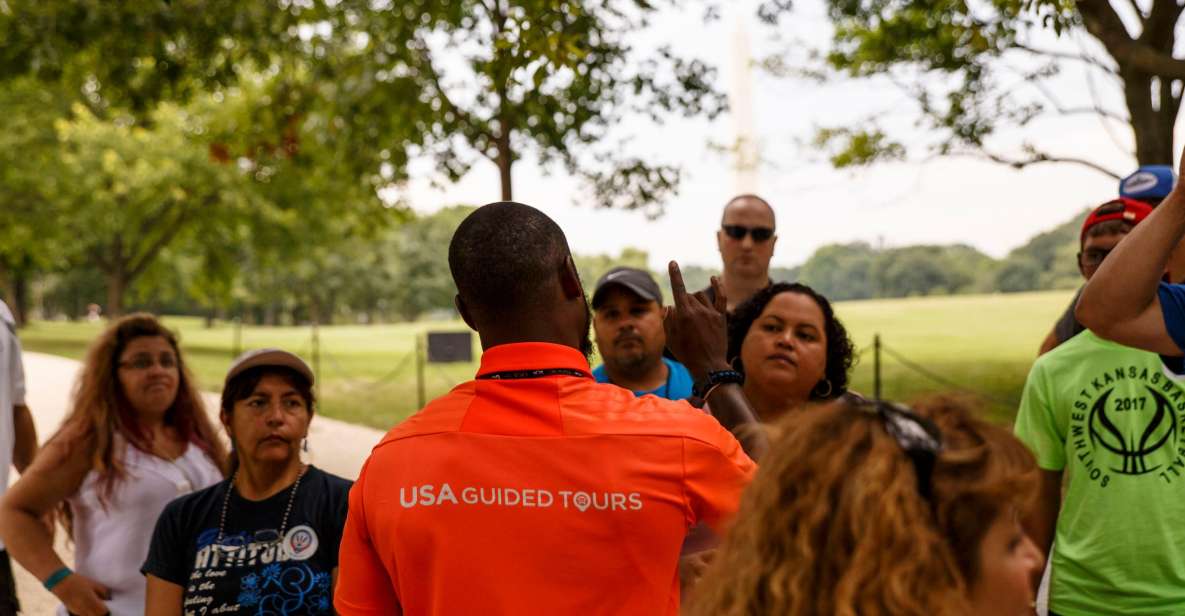
The tour ends at the Smithsonian National Museum of African American History and Culture, with reserved entry. After that, you explore at your own pace.
A practical reality: this is not an official Smithsonian-led tour. What you’re buying is the activity supplier’s guided bus perspective plus timed-entry passes, and then the museum experience is yours to navigate. That’s actually a good thing for many people. You can spend extra time where you personally connect and skip what doesn’t grab you.
Still, plan a little. With museum time limited by the tour’s duration and DC schedules, I recommend you do this before you arrive:
- Pick one or two themes you want first (art, history timeline, cultural exhibits).
- Decide on a “must-see” before walking in so you don’t get lost in decision fatigue.
One small logistical note from prior guests: if you skip certain stops and stay longer in the museum area, the driver may keep you entertained while the group moves. That flexibility can help you get more value from the overall day.
Price and Value: Getting $89 to Work for You
At $89 per person for about 4 hours, the value math is pretty straightforward: you’re paying for a guided bus tour plus a reserved ticket to the Smithsonian museum. If you were to do the museum visit on your own with timed entry, you’d still need transportation and a guide to connect the city’s story together.
Where the cost feels most justified is the middle section: the guided stops that give you context you’d miss if you only arrived at the museum. You’re learning how DC’s landmarks link to people, institutions, and moments in the civil rights struggle.
Where it might feel less justified is if you only care about the museum itself. Some people book this expecting strictly the museum and then realize the DC route is a big part of what they’re purchasing. If that’s you, at least go in with a mindset shift: the museum makes more sense when you’ve already seen the surrounding story.
Also worth noting: the transport experience is highly rated, with many guests giving perfect marks for the bus ride. That’s not just comfort talk; it affects how well you can focus while listening.
Who Should Book This Tour (and Who Might Want Something Else)
This is a great fit if:
- You want a guided DC history route but don’t want to walk the whole day.
- You like learning that ties big events to specific places and named people.
- You’re visiting DC for the first time or you’ve done monuments before and want deeper context.
This might be less ideal if:
- You need a fully guided museum walkthrough with someone directing you room by room. Here, museum time is self-paced.
- You’re very sensitive to cramped seating. A small number of guests noted the vehicle could feel tight, and I’d suggest choosing a spot where you can sit comfortably and hear your guide.
For families, it also seems to work. One group description highlighted that it worked well across ages and kept kids engaged with a professional guide who blended facts with humor.
Should You Book This African American History Tour in DC?
Yes—if you want your DC trip to feel meaningful without turning into an all-day grind. The combination of a guided bus route, major and lesser-known landmarks, and reserved Smithsonian entry makes the day efficient and focused.
I’d book it especially if you care about learning names, not just seeing monuments. If you’re the kind of traveler who likes to connect history to streets and buildings, this tour does that work for you—then gives you room to explore the Smithsonian your way.
If you tell me your travel dates and whether you prefer morning or afternoon plans, I can help you decide how to fit the museum visit into the rest of your DC schedule.
FAQ
How long is the tour?
The tour lasts 210 minutes, about 4 hours.
What’s included in the price?
You get a bus tour, a live English-speaking guide, transportation by air-conditioned bus, and a reserved entry ticket to the Smithsonian National Museum of African American History and Culture.
Is food included?
No. Food and drinks are not included.
Where do I meet the guide?
The meeting point can vary depending on the option booked, including locations around the U.S. Navy Memorial Plaza area (701 Pennsylvania Avenue NW or 700 Pennsylvania Avenue NW).
Where does the tour end?
The tour finishes at the Smithsonian National Museum of African American History and Culture. Drop-off options also include the U.S. Navy Memorial Plaza.
Will I get a guided tour inside the museum?
No. After the bus portion, you explore the museum at your own pace using the reserved entry.
Is this an official Smithsonian tour?
No. The tour is not an official Smithsonian tour, and the guide is independent of the Smithsonian.
What language is the tour guide speaking?
The tour guide provides information in English.
Can I cancel for a refund?
Yes. You can cancel up to 24 hours in advance for a full refund.
Is a private group option available?
Yes. Private group availability is listed as an option.