REVIEW · WASHINGTON DC
Washington DC: Museum of the Bible General Admission
Book on GetYourGuide →Operated by Museum of the Bible · Bookable on GetYourGuide
A ticket to the Museum of the Bible turns a simple visit into a day of stories and objects. I like the early access slot that gets you in before the main crowds, and I also love the way the museum pairs real materials—manuscripts and printed Bibles—with hands-on exhibits and short films. One heads-up: this is priced like a ticketed attraction in a city full of free museums, so plan your time carefully so you feel your money’s worth.
If you want the best day, aim for the 9:00 AM early access (except Sundays). You’ll spend time with highlights like the World of Jesus of Nazareth exhibit, a 12-minute overview film, and a 30-minute Hebrew Bible experience, and you’ll see treasures ranging across cultures and about 3,500 years of history. A possible drawback is that the museum is big—people often realize halfway through they should have scheduled more time.
In This Review
- Key Things I’d Prioritize Before You Go
- Early Access at 9 AM Makes a Big Difference
- What’s on the 7 Floors: Artifacts, Manuscripts, and Interactive Stops
- World of Jesus of Nazareth and the 12-Minute Film
- The 30-Minute Hebrew Bible Experience: Stories You’ll Recognize
- Washington Revelations Flight Simulator Upgrade: Worth It or Skip?
- Timing Your Visit on the National Mall: Plan More Than 3 Hours
- Price and Value: Ticketed Costs in a Free-Museum City
- On-Site Breaks: Cafe Stops and Gift Shopping
- Who This Museum Works For (and Who Should Rethink)
- Should You Book This Museum of the Bible General Admission Ticket?
- FAQ
- What’s included with Washington DC Museum of the Bible general admission?
- Is early access available every day?
- How long should I plan to spend at the museum?
- What are the main included experiences inside the museum?
- Can I upgrade my ticket with the Washington Revelations flight simulator?
- Is food allowed inside?
- Is the museum wheelchair accessible?
- What’s the cancellation policy?
Key Things I’d Prioritize Before You Go
- 9:00 AM early access lets you get your bearings fast, with fewer crowds than the general public.
- World of Jesus of Nazareth is a central exhibit that helps connect artifacts to the stories.
- 7 floors of interactive displays includes short films like the 12-minute Jesus story film and a 30-minute Hebrew Bible experience.
- Dead Sea Scrolls and major translation galleries are often called out by visitors, especially those who like manuscripts and Bible-history details.
- Optional Washington Revelations Flight Simulator adds a multi-sensory, motion-involving ride with a 42-inch height requirement.
- On-site cafe breaks keep you going, but you can’t bring outside food and drinks in.
Early Access at 9 AM Makes a Big Difference
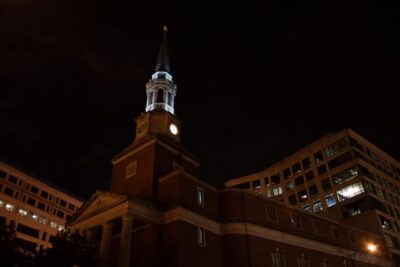
The Museum of the Bible sits just off the National Mall area, so you can treat it like a “real” anchor stop in a day of sightseeing. The smartest move is using the included early access from 9:00 AM, which is offered every day except Sundays. General public access starts at 10:00 AM, so that first hour can feel like having the place to yourself.
Here’s how it works in real life: you go through security, then head to the ticket counter on the left-hand side of the museum lobby. From there, you enter and start at your own pace—no set tour route is required with general admission. I like this freedom because the museum is broad: you can focus on artifacts first, or start with the interactive areas.
Also, don’t underestimate what early access buys you beyond comfort. When you’re walking around galleries full of text, displays, and interactive stations, time is part of the experience. The “quiet hour” helps you actually read what’s in front of you.
You can also read our reviews of more museum experiences in Washington Dc
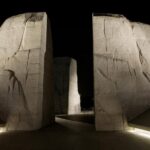


What’s on the 7 Floors: Artifacts, Manuscripts, and Interactive Stops
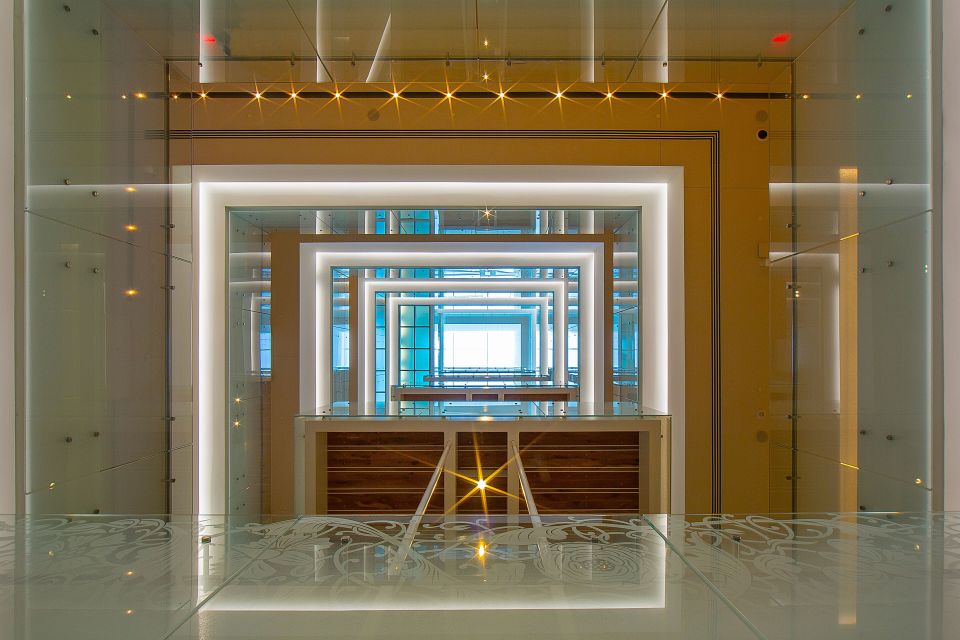
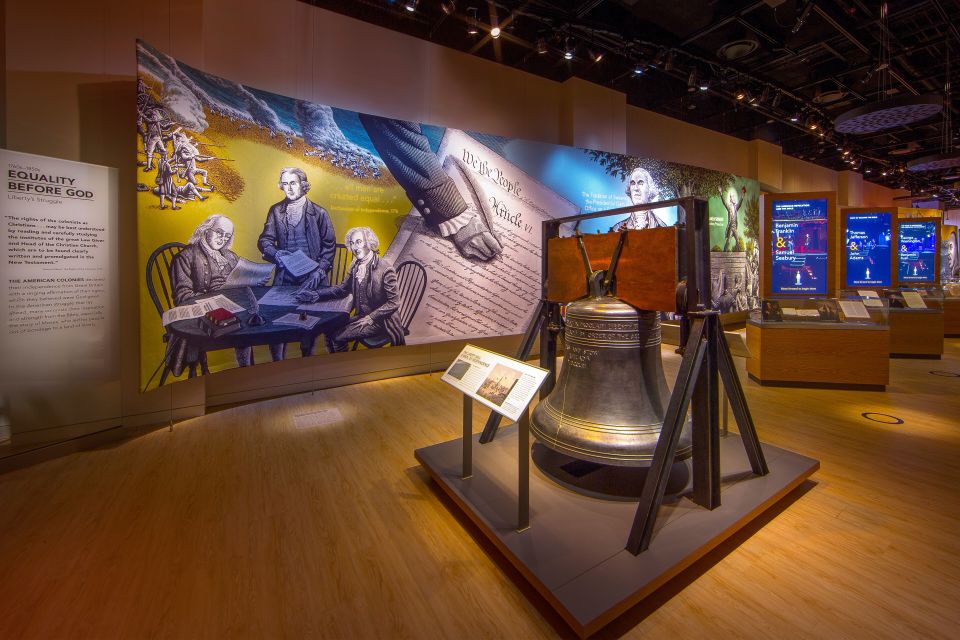
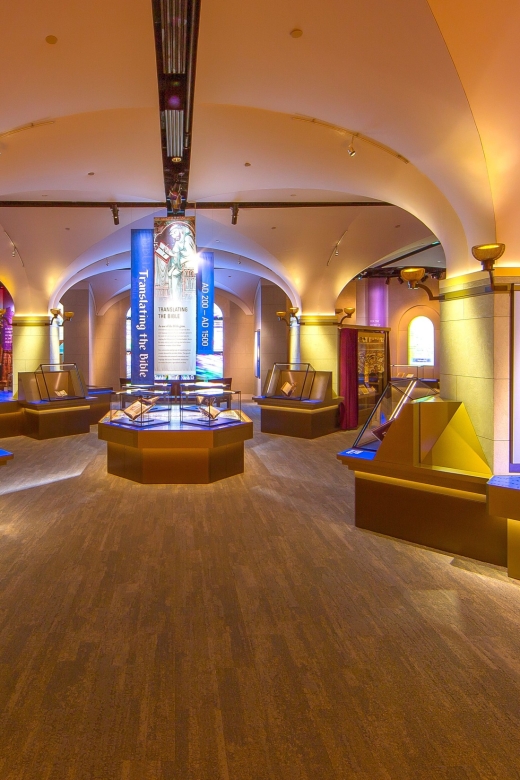
General admission covers access to 7 floors of exhibits. The museum’s core promise is simple: show how the Bible has affected the world, using objects from around the globe and across about 3,500 years. In practice, it’s not only a display of old things—it’s a mix of artifacts, interactive interpretation, and short videos that connect the material to ideas.
A few visitors spotlight moments that fit that pattern:
- The printing press area, which helps explain how Bible texts moved through time and technology.
- A section focused on Bibles being translated into many languages, which turns translation into something you can see and compare.
- Manuscript-style displays, where the “wow” factor isn’t just rarity—it’s scale, craftsmanship, and the sense of human work behind the words.
That combination is why the museum can feel more educational than you’d expect from a first look. You’re not only viewing history; you’re watching how history gets interpreted and reused.
Practical note: because you’re paying for entry and the museum is ticketed, you’ll get the most value if you plan on moving slowly. Even if you don’t read every label, give yourself time for the interactive stations and any film experiences you choose to watch.
World of Jesus of Nazareth and the 12-Minute Film
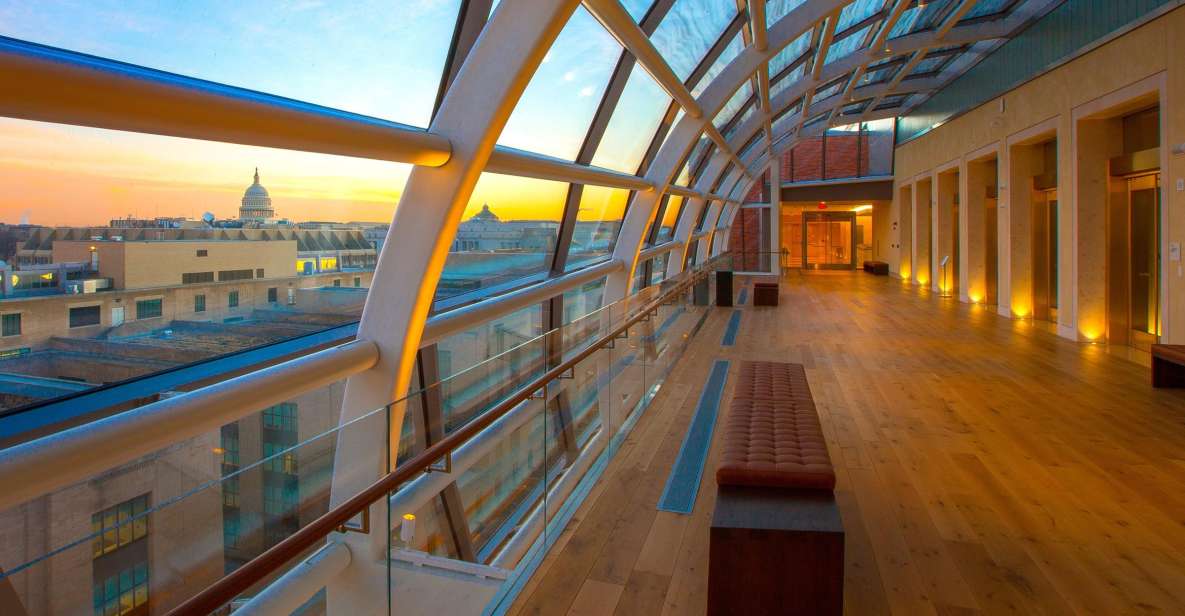
One of the most consistent highlights is the World of Jesus of Nazareth exhibit. It’s a key part of the museum’s approach: it tries to ground major Bible narratives in cultural context and physical presentation.
Right next to the bigger storyline experience is a 12-minute film that focuses on how followers of Jesus grew into a thriving community. This short runtime is important. If you’re visiting with kids, it’s easy to fit the film into your day without feeling like you got stuck in a long theater. If you’re visiting solo or with adults, it works as a good orientation—like a map before you start wandering.
How to get the most out of this part: don’t treat it like background. After the film, head back into nearby galleries with more attention. You’ll start noticing how the museum uses artifacts and text to reinforce what the film describes.
The 30-Minute Hebrew Bible Experience: Stories You’ll Recognize
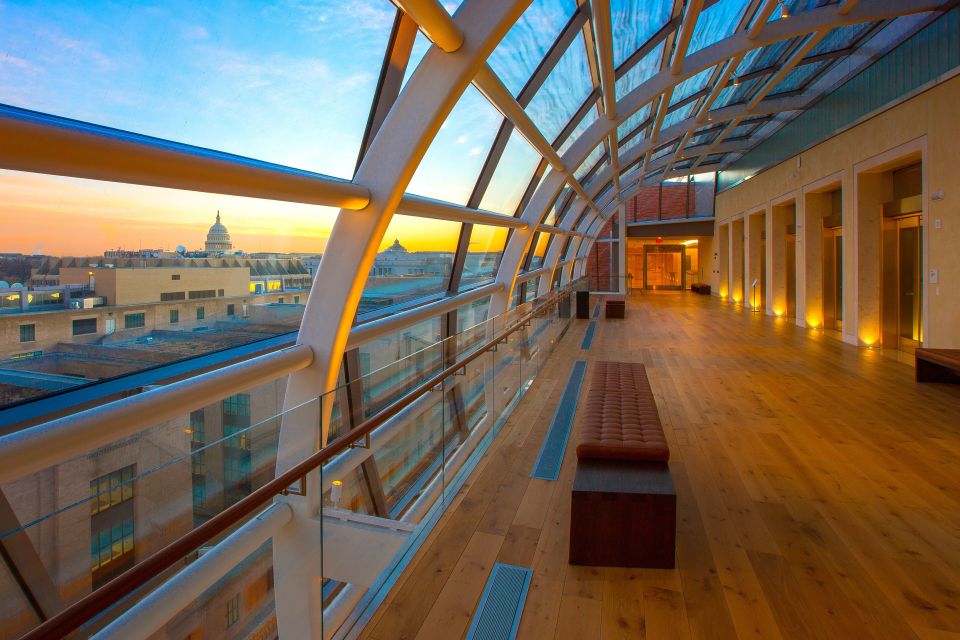
The museum also offers a 30-minute Hebrew Bible experience. It’s designed to be approachable while still pointing out major narratives you already know from the Bible: Noah’s ark, the burning bush, and the Passover.
What I like about including this experience is that it gives you a different angle than a purely Christian-focused tour. Whether you come from a faith tradition or you’re simply curious about history, this room helps you understand the Bible as a collection of stories with deep roots.
If you’re the type who likes to see objects tied to text, this is likely a good stop. Even if you don’t stay through every moment, the format is short enough that you’ll usually walk out feeling like you got the shape of the material.
Washington Revelations Flight Simulator Upgrade: Worth It or Skip?
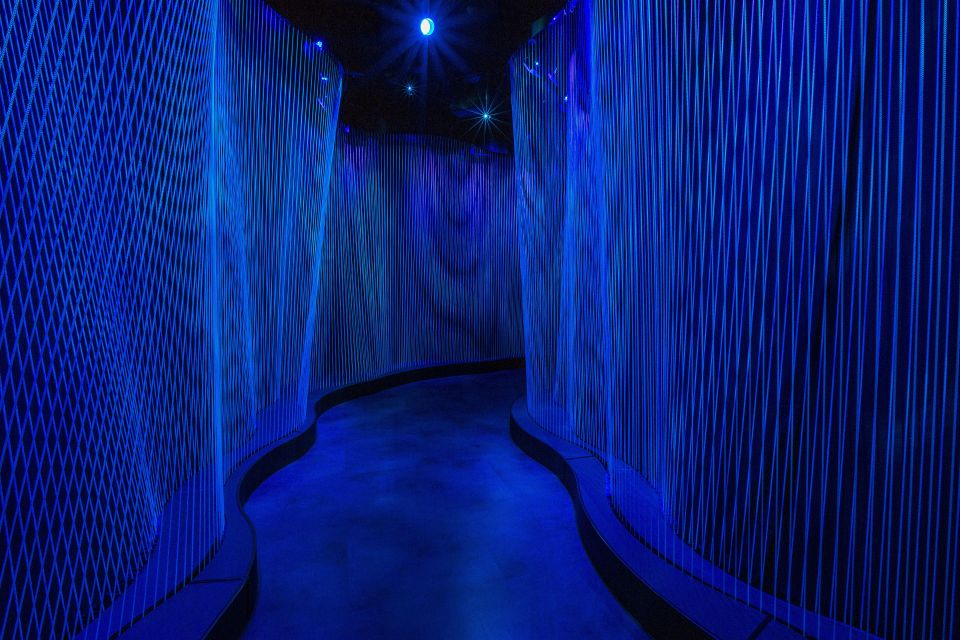
The Washington Revelations add-on is a 6-minute flight simulator option. It’s designed as a multi-sensory video ride where you “fly” past biblical references around Washington, D.C., from the Lincoln Memorial area toward the Library of Congress.
Two practical points decide whether this upgrade is for you:
- Height requirement: you must be at least 42 inches (107 cm) to purchase this option.
- Motion and body considerations: the simulator isn’t suitable if you’re afraid of heights or if you have motion sickness. The guidance also says it’s not suitable for people with back problems or heart problems, and it’s not suitable for pregnant women.
So is it worth it? If you enjoy audio-visual experiences and want a break from reading labels, it’s a good add-on. But if you’re sensitive to motion—or you know you might feel queasy—don’t force it. In that case, keep your time for the exhibits where you can pause and choose your pace.
Also, remember this is only a short ride. You’re not losing half your day, but you may feel like the story ends quickly, so plan your schedule so the rest of the museum still feels like the main event.






Timing Your Visit on the National Mall: Plan More Than 3 Hours
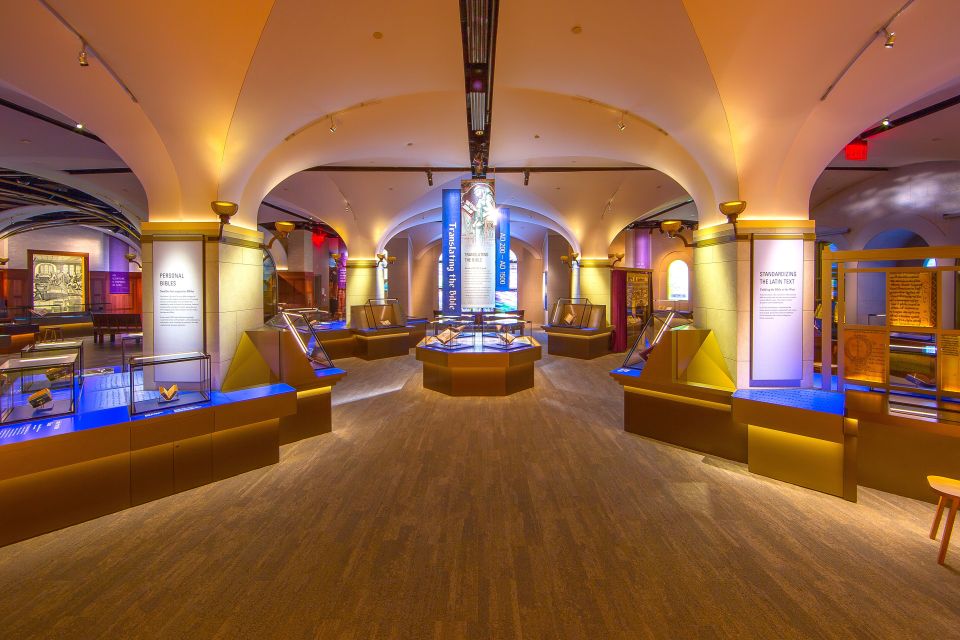
The museum is listed as a 1-day experience, but “one day” can still mean very different things depending on how you visit. Many people end up wishing they scheduled longer because there’s a lot to see across seven floors.
A good planning rule:
- If you want the highlights only, think about several hours.
- If you want to read, compare translations, and actually use the interactive stations, plan a full day.
One common theme from visitors is that they underestimate the size, then rush near the end. Don’t do that. Give yourself time for rest breaks, and build in some wandering time between major exhibits.
What to watch for on the day: some film or show-style elements may not be running during your time window. If you care about a specific feature, check what’s scheduled when you arrive so you’re not mentally locked into a plan that can change.
Price and Value: Ticketed Costs in a Free-Museum City
At $34 per person, this isn’t the cheapest option in Washington, D.C. That matters because the city is full of free museums—so you’re paying for focus and effort: entry, curated interpretation, and indoor exhibits with a lot of interactive components.
Here’s why it can still be good value:
- You’re not just seeing a few rooms. You’re getting 7 floors and multiple structured experiences (like the 12-minute film and 30-minute Hebrew Bible experience).
- A lot of the appeal is how the museum uses objects + explanation rather than only explanation.
- The building itself is part of the experience; visitors often describe it as more expansive than they expected from the outside.
If you’re short on time or you only want one quick stop, this price can feel steep. But if you’re building a “Bible history and influence” day, the ticket usually pencils out because you’re spending most of your day inside one place.
On-Site Breaks: Cafe Stops and Gift Shopping
Food and drink aren’t included, and you also can’t bring outside food and drinks. That means you’ll likely want to use the museum’s on-site cafe for a break. Visitors specifically mention things like a flatbread sandwich as a satisfying mid-day reset.
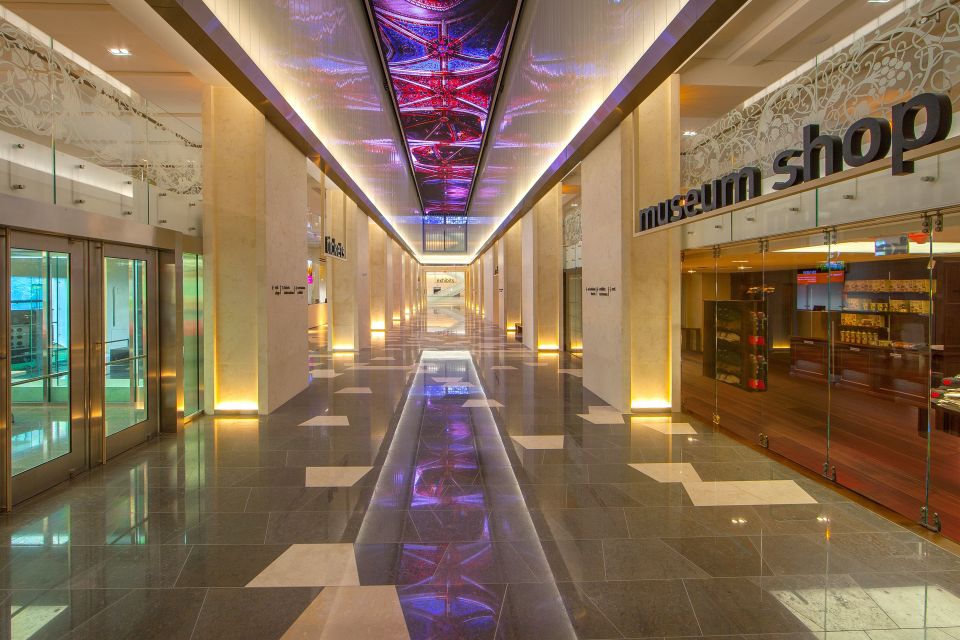
I also like the gift-shopping angle for a practical reason: if you come to DC with family, kids, or older relatives, the museum shop gives you an easy way to bring home something that matches the theme. One visitor even calls out buying gifts for family members who are passionate Christians, which tells you the shop is designed with thoughtful items in mind—not just generic souvenirs.
Plan one cafe stop, not five. If you snack constantly, you’ll lose exhibit time. If you time it well, you’ll keep your energy for the interactive parts.
Who This Museum Works For (and Who Should Rethink)
This museum is well suited for:
- Families and teens who like hands-on exhibits and video components
- People who want Bible history explained through artifacts, not only verses
- Visitors who enjoy translation and publication history, including printing and multilingual Bible presentation
- Anyone curious about how biblical stories spread and shaped cultures over time
That said, the simulator upgrade has clear constraints. And beyond that, the museum can require a lot of walking, standing, and reading. If you have mobility limits, you can still go—wheelchair accessible is listed.
For the Washington Revelations simulator specifically, don’t plan it if you’re dealing with motion sickness, fear of heights, or health limits like back problems or heart problems. If you’re unsure, skip the upgrade and keep your day focused on the exhibits where you fully control your pace.
Should You Book This Museum of the Bible General Admission Ticket?
Book it if you want a structured, ticketed museum day that pairs real artifacts with short films and interactive explanations across multiple floors. I’d especially recommend it if you can use the early access and if you’re interested in manuscripts, translation history, and major Bible narratives presented with context.
Skip or reconsider if your schedule only allows a quick peek, or if you’re very sensitive to motion and you were thinking about adding the flight simulator. The base museum can still be worth it, but the upgrade is optional, and your body comfort should win.
If you can, treat this as a full-day plan rather than a side stop. The museum rewards time spent reading and comparing—rushing usually turns a great museum into a blur.
FAQ
What’s included with Washington DC Museum of the Bible general admission?
Your ticket includes general admission plus early access privileges from 9:00 AM (except Sundays). You can access the museum’s 7 floors of exhibits and included film experiences.
Is early access available every day?
Early access is available every day except Sunday. On Sundays, there is no Early Access, and you would follow regular general public opening hours.
How long should I plan to spend at the museum?
The museum is large and covers seven floors of exhibits. Many visitors end up wanting more time than they first planned, so a full day is a safe target if you want to see a lot.
What are the main included experiences inside the museum?
Included experiences mentioned are a 12-minute film and a 30-minute Hebrew Bible experience. The museum also features the World of Jesus of Nazareth exhibit.
Can I upgrade my ticket with the Washington Revelations flight simulator?
Yes. There’s an optional upgrade for the 6-minute Washington Revelations flight simulator. It requires a minimum height of 42 inches (107 cm).
Is food allowed inside?
Food and drink are listed as not allowed. Food and drink are also listed as not included, so you’ll want to use the museum’s on-site cafe for meals.
Is the museum wheelchair accessible?
Yes, wheelchair accessibility is listed.
What’s the cancellation policy?
There is free cancellation up to 24 hours in advance for a full refund.