REVIEW · WASHINGTON DC
African American History Tour with Museum of African American History Ticket
Book on Viator →Bookable on Viator
DC’s African American story comes alive fast. This half-day, small-group tour strings together major landmarks and local stops, then hands you same-day entry tickets to the National Museum of African American History and Culture. Expect guided storytelling that helps you connect people, politics, and neighborhoods—right where it all happened.
I especially love how the tour blends famous sites with places that explain how culture grew (think LeDroit Park, Howard Theatre area, and the institutions tied to Mary McLeod Bethune). Another big win is the guide’s style—Kenny is mentioned again and again for turning history into memorable stories with humor and clear answers. One possible drawback: there’s walking and some steps, especially around the Frederick Douglass House on the days it’s open.
In This Review
- Key highlights you’ll feel in the moment
- Meeting at US Navy Memorial Plaza and getting your bearings fast
- National Council of Negro Women HQ: Mary McLeod Bethune’s legacy in brick
- Capitol front-row context: Obama’s inauguration spot and the cost of building
- White House stop: African American history inside the story you usually skip
- Constitution Hall to Lincoln Memorial: Marian Anderson’s 1939 breakthrough
- Lincoln Memorial time: the guide ties big events to exact places
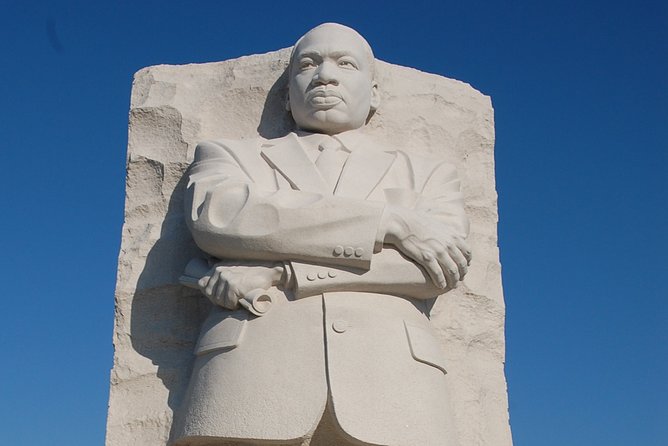
- Martin Luther King, Jr. Memorial: reading 14 quotes, plus the symbolism
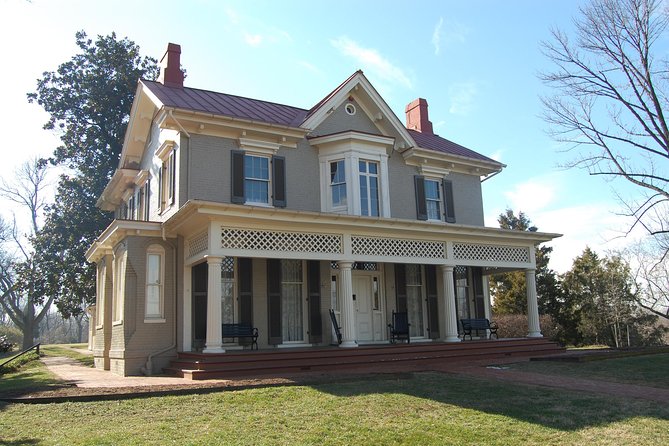
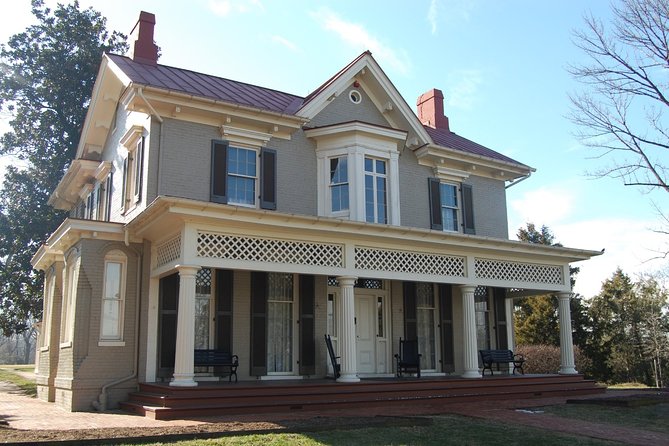
- Frederick Douglass National Historic Site: inside the house on the right days
- African American Civil War Memorial Museum: plaques with names, not just numbers
- LeDroit Park, Dunbar High, and the Howard Theatre: culture grew on these blocks
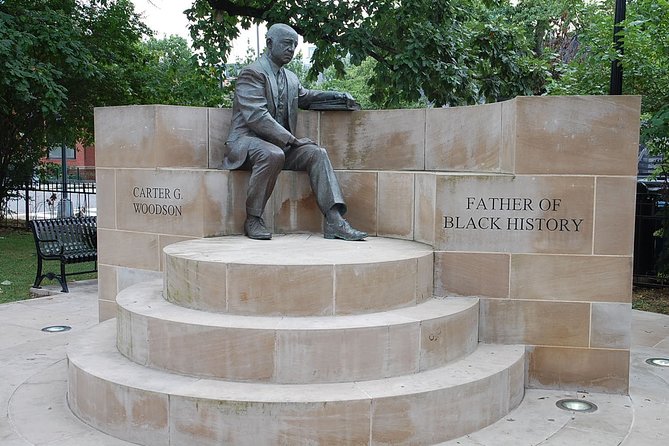
- Drive-bys that matter: Howard University, Carter G. Woodson, and the Bethune home
- Ending at the National Museum: how to use your same-day ticket well
- Price and logistics: why $90 feels fair for what you get
- Who should book this tour?
- Should you book? My take
- FAQ
- What time does the tour start?
- How much does it cost?
- What’s included in the price?
- Do I get into the National Museum at the start, or later?
- Is there a visit inside the Frederick Douglass house?
- What other sites are included?
- Do I need to worry about cancellations or weather?
Key highlights you’ll feel in the moment
- A tight, high-impact route: Capitol to MLK Memorial, plus neighborhood stops, all in about 3.5 hours
- Frederick Douglass House timing matters: you get an inside visit on certain days, otherwise you’ll learn from outside
- Marian Anderson’s Constitution Hall story connects directly to the Lincoln Memorial’s big moments
- Neighborhood history, not just monuments: LeDroit Park’s early integration and Black Broadway era
- Civil War legacy made specific: USCT regiments, plaques, and the Spirit of Freedom statue
- Museum time is built in: you end at the National Museum and can stay until closing
Meeting at US Navy Memorial Plaza and getting your bearings fast
You start at US Navy Memorial Plaza at 701 Pennsylvania Ave NW (near major downtown transit and walking corridors). The tour begins at 9:30am, and with the cap at 21 people, it’s the right size for questions without feeling crowded.
You’ll ride in an air-conditioned vehicle, and you’ll have bottled water. That matters in Washington, especially when the day turns hot or humid. The tour moves in a way that’s designed for momentum—short stops, clear context, then off to the next place.
You can also read our reviews of more tours and experiences in Washington DC

National Council of Negro Women HQ: Mary McLeod Bethune’s legacy in brick
One of the most meaningful stops is the Headquarters of the National Council of Negro Women (NCNW) at 633 Pennsylvania Avenue NW. This is a National Historic Landmark tied directly to Mary McLeod Bethune, who founded the organization in 1935 to promote the rights and welfare of African American women and their families. The NCNW has been headquartered in this building since 1953.
The building itself has a layered backstory. It was constructed in the late 19th century as a commercial office building, then the NCNW purchased it in 1942 with help from a Federal Housing Administration loan. You’ll get a sense that this isn’t just a plaque stop—it’s a real institutional footprint in the heart of the city.
Why it’s valuable: you’re seeing how history doesn’t live only in monuments. It also lives in offices, organizations, and the spaces where leadership gets built and sustained.
Capitol front-row context: Obama’s inauguration spot and the cost of building
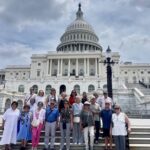
You’ll get time near the U.S. Capitol—including the chance to stand where President Obama’s inauguration took place. That alone is an attention-grabber, but the real point is what the guide connects to it.
You’ll hear stories about how enslaved people helped build the Capitol and the White House. You’ll also get the angle on how Supreme Court decisions made within this national arena affected people of color for decades. In other words, the site isn’t just ceremonial. It’s part of the machinery of law and power.
Practical tip: if you’re planning photos, use the first few minutes efficiently. Stops are timed, and the guide will keep the story moving.
White House stop: African American history inside the story you usually skip
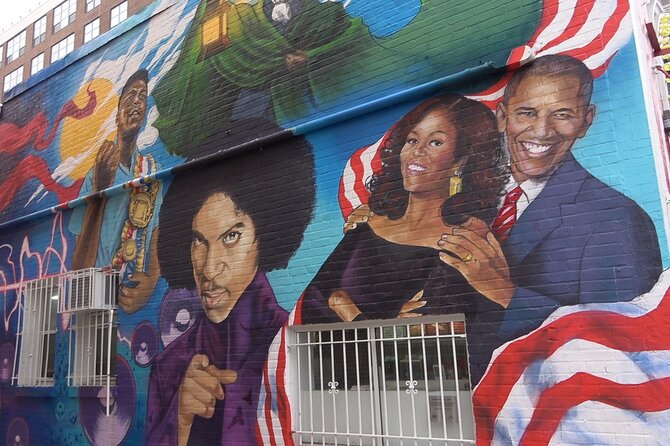
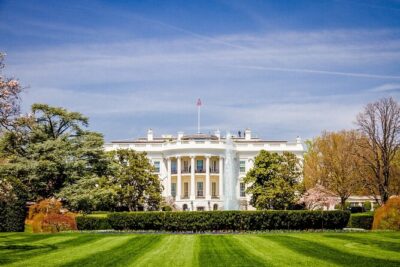
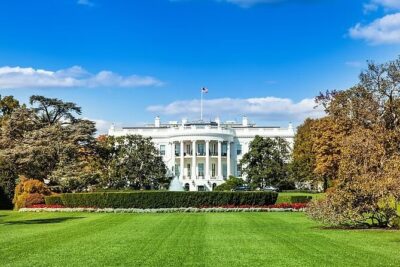
At the White House, your visit is short (about 15 minutes). Admission isn’t included, so think of this as an exterior viewing and storytelling moment rather than a formal visit.
What makes it worthwhile is the way African American involvement is framed—from enslaved workers who built the house to the fact that Barack Obama became the first African American President. You’ll leave with a better sense of what’s been present at the edges of this building’s official story.
Constitution Hall to Lincoln Memorial: Marian Anderson’s 1939 breakthrough
This tour includes a stop tied to a turning point in civil rights-era cultural history: Marian Anderson’s concert connected to Constitution Hall. Anderson was scheduled to perform at Constitution Hall, but the DAR refused her because of her race. That decision sparked a national controversy.
With help from First Lady Eleanor Roosevelt, Anderson performed instead on the steps of the Lincoln Memorial on Easter Sunday, April 9, 1939, in front of about 75,000 people. The guide explains why this mattered beyond music—it became part of the public pressure that forced the country to confront racial discrimination head-on.
You can also read our reviews of more historical tours in Washington DC


Lincoln Memorial time: the guide ties big events to exact places
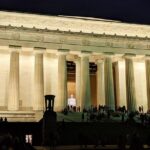
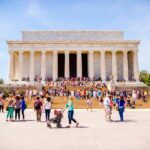
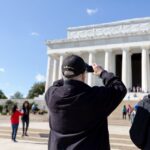
At the Lincoln Memorial, you’ll get about 30 minutes focused on the memorial itself and the African American events tied to it. You’ll hear stories about the March on Washington, the Marian Anderson concert, and Robert Moten giving the dedication speech for the opening of the Lincoln Memorial.
This is where the tour helps you “read” the site. Without the context, you see a monument. With it, you notice the memorial’s role as a stage where civil rights messages became national headlines.
Martin Luther King, Jr. Memorial: reading 14 quotes, plus the symbolism
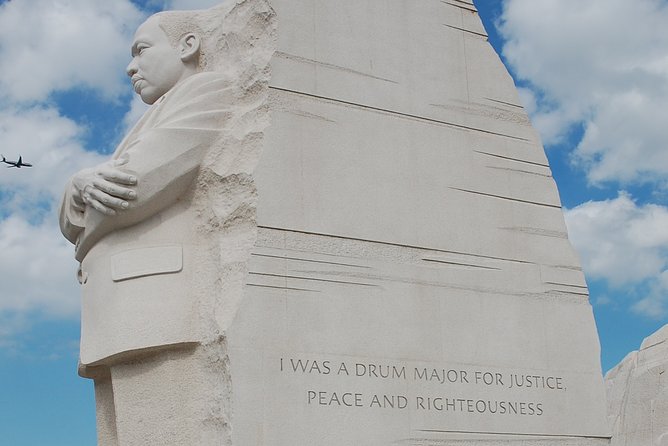
The Martin Luther King, Jr. Memorial stop runs about 15 minutes. You’ll look at the Inscription wall with 14 quotes, plus the design elements that carry emotional weight—the Mountain of Despair and the Stone of Hope. The guide also walks you through interesting facts about how the memorial was made.
This is one of those stops where the setting affects how the words land. It’s not just a photo stop; it’s a chance to slow down long enough to understand what the design is trying to say.
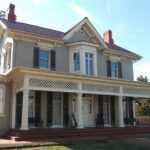
Frederick Douglass National Historic Site: inside the house on the right days
This is a highlight on many schedules—and it’s one place where the day of the week actually changes what you get. The tour includes a walking visit inside the Frederick Douglass house on Tuesday, Wednesday, and Saturday. On other days (as noted in the tour’s own practice), you’ll typically drive past and hear the history instead.
The Frederick Douglass stop runs about 20 minutes, and the experience involves walking and some steps. If stairs are tough for you, plan accordingly and wear shoes you trust.
Why this stop hits: you’re not just hearing about an iconic name—you’re seeing (in a guided format) the physical setting tied to Douglass’s life. The inside access turns the story from abstract to concrete.
African American Civil War Memorial Museum: plaques with names, not just numbers
Another short but powerful stop is the African American Civil War Memorial Museum, with about 10 minutes on-site. You’ll learn about the 209,000 African American troops and sailors who fought in the Civil War.
A standout feature here is that you’ll be able to read plaques listing names of the USCT—United States Colored Troops—across the 166 regiments. You’ll also see the statue called Spirit of Freedom, created by Ed Hamilton.
If you like your history grounded in detail, this is a good match. The focus isn’t just on the fact that people served—it’s on recognizing individuals and unit identity.
LeDroit Park, Dunbar High, and the Howard Theatre: culture grew on these blocks
After the memorials and institutions, the tour shifts toward neighborhood storytelling—places where arts, education, and business shaped everyday life.
You’ll learn about LeDroit Park, known for its cultural and intellectual history and early integration. The neighborhood started with housing for white professors from Howard University, and homes were later sold to both Black and white buyers, helping it become one of the first integrated neighborhoods in Washington.
You’ll also hear about the area’s entertainment identity—often described as Black Broadway—with clubs, theaters, and music venues. You’ll hear names connected to that era, including Mary Church Terrell and Duke Ellington.
You’ll also hear stories linked to Dunbar High School, founded in 1870 as the first public high school for African Americans in the U.S. The guide connects Dunbar to the success of notable figures including Mary McLeod Bethune and poet Paul Laurence Dunbar.
Then there’s the Howard Theatre area. You’ll hear that it opened in 1910 and was one of the first theaters designed and operated by African Americans. In segregation-era Washington, it became a major meeting point for performers and audiences. The tour highlights how it helped shape African American music and culture, including a long list of famous performers such as Duke Ellington, Billie Holiday, Ella Fitzgerald, and Marvin Gaye. You’ll also hear about its role in the “Chitlin’ Circuit” shows for comedians and performers.
Drive-bys that matter: Howard University, Carter G. Woodson, and the Bethune home
Not every stop is a walk. Some are drive-pasts, but they’re chosen for meaning.
You’ll drive past Howard University (founded 1867), including that it has 13 schools. The tour mentions well-known Howard graduates such as Thurgood Marshall, Elijah Cummings, Taraji Henson, and Toni Morrison.
You’ll also drive past the Carter G. Woodson House, tied to the “Father of Black History,” credited with creating Black History Month. Even if you’re only seeing the exterior from the road, the context changes how you view the place.
And there’s the Mary McLeod Bethune Council House. The tour notes that Bethune bought the house in 1943; the design is described as Second French Empire style. The guide says there can be a stop and house tour on Thursday–Saturday time permitting, and this timing also connects to whether you visit the Douglass House inside on your day.
Ending at the National Museum: how to use your same-day ticket well
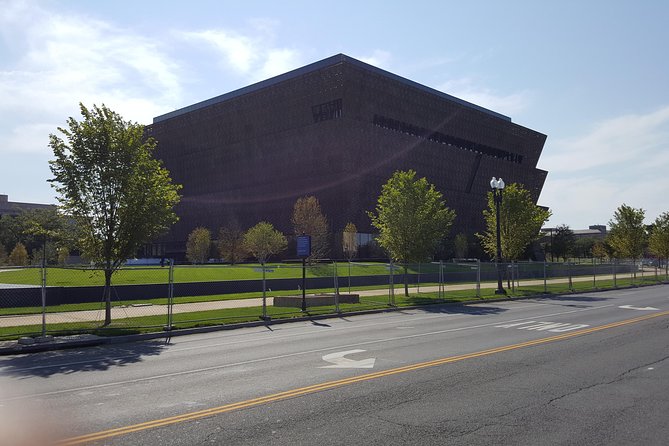
The tour ends at the National Museum of African American History and Culture. At the end of the roughly 3 hour 30 minute experience, you’ll be given same-day museum tickets. Once you enter, the tour ends, but you can stay in the museum until 5:30 when it closes.
The key practical point: you must take the tour to receive the ticket, so don’t treat the museum as a separate add-on you’ll do later. Plan your day so you can enjoy the museum time without rushing.
One good strategy: start on the lower level. That’s advice echoed by visitors who loved getting oriented before moving up. If you’re the type who likes to follow themes, this works well because it helps you build context before you hit the more intense exhibits.
Price and logistics: why $90 feels fair for what you get
At $90 per person, it’s not a cheap morning. But you are buying a full guided day half-block without needing to plan routes, parking, or timed tickets.
What you get for the price:
- A small-group guided route across the National Mall and beyond
- Transport in an air-conditioned vehicle plus bottled water
- Admission access to the African American Civil War Memorial Museum and other free stops along the way
- A museum ticket to the National Museum of African American History and Culture, valid same day
Also, the value is in the pacing. The itinerary is structured so you’re not stuck on one site for hours. You get a lot of places, but each stop is explained well enough that it doesn’t feel like a bus tour.
Who should book this tour?
This works especially well if you:
- want a first-time DC day that still goes deeper than the standard monuments-only loop
- care about African American history as lived culture, not just major speeches
- like to ask questions in a small group setting
- plan to spend time at the museum afterward (because the ticket comes from the tour)
It’s also a good pick for families, since the guide style is described as fun and story-driven, and the pacing leaves room for photos.
If you have mobility limits, the inside Frederick Douglass visit can include steps. On those days, consider adjusting expectations or asking in advance what walking looks like for your group.
Should you book? My take
Yes—book it if you want DC history with context and continuity. The route connects big national symbols to local institutions, entertainment venues, and education—so the story doesn’t feel like it jumps around. The guide style (often Kenny, praised for humor and clear answers) is the glue that turns a list of stops into a coherent day.
I’d only hesitate if you strongly dislike walking and stairs or if you’re flexible about visiting the museum later. Otherwise, this is a smart way to get more meaning out of the National Mall and beyond, then finish with museum time you control.
FAQ
What time does the tour start?
The tour starts at 9:30am and runs for about 3 hours 30 minutes (approx.).
How much does it cost?
It’s $90 per person.
What’s included in the price?
You get tickets to the National Museum of African American History and Culture, bottled water, and transport in an air-conditioned vehicle.
Do I get into the National Museum at the start, or later?
You receive the same-day museum tickets at the end of the tour, after arriving at the museum. You then have time to stay until 5:30.
Is there a visit inside the Frederick Douglass house?
On Tuesday, Wednesday, and Saturday, the tour includes a walking tour inside the Frederick Douglass house. On other days, the tour may drive past and share the history without the inside visit.
What other sites are included?
You’ll visit or learn from stops such as the U.S. Capitol, Lincoln Memorial, Martin Luther King, Jr. Memorial, the African American Civil War Memorial Museum, plus driving past or stopping near places like Howard University, Carter G. Woodson’s House, and the Mary McLeod Bethune Council House (time permitting).
Do I need to worry about cancellations or weather?
The tour requires good weather and can be canceled due to poor weather (with an offer of a different date or a full refund). Free cancellation is available up to 24 hours in advance for a full refund.