REVIEW · WASHINGTON DC
Washington DC: Best of Capitol Hill Guided Bike Tour
Book on GetYourGuide →Operated by Unlimited Biking Washington DC · Bookable on GetYourGuide
Two hours, three branches, one bike ride. You get Capitol Hill civics on two wheels, with quick picture moments at big landmarks and a smooth ride along Pennsylvania Avenue toward White House views. I like how the stops are timed for photos without turning it into a marathon, and I like the way the guide ties the buildings to the people and decisions that happen inside. The main catch: the ride can feel hectic around the start, and you’ll need to stay alert through busy intersections and uphill stretches.
I also appreciate the human side of this tour. The guides are often described as lively with strong historical context, and names like Greg H, Sam, and Colin pop up in rider feedback for being flexible, humorous, and tuned into questions on the move. When roads are closed or traffic shifts, a guide who adapts matters a lot for keeping your ride feeling fun instead of frustrating.
Before you book, think about two practical limits. The tour is not set up for pregnant women and it has a weight limit of 280 lbs (127 kg), plus you must be able to ride on your own (unless you’re using approved attachments). It also includes some uphill routes, with an electric-bike upgrade option if you want to make the climbs easier.
In This Review
- Key highlights that make this tour worth your time
- Price and what you’re really buying for $55
- Meeting at 801 D Street NW: quick-start logistics that set the tone
- Capitol Hill from multiple angles: Capitol, Supreme Court, and Library of Congress
- National Archives and FBI HQ stories: the civics part you’ll remember
- White House views through Lafayette Square: Pennsylvania Avenue with training wheels
- Memorial time: Eisenhower, World War II areas, Grant, and Washington Monument angles
- Uphill reality and electric bikes: how to choose the right effort
- How long stops really feel: photo stops vs. long wandering
- Who this tour suits best (and who should skip it)
- Should you book this Capitol Hill guided bike tour?
- FAQ
- How long is the Washington DC Best of Capitol Hill Guided Bike Tour?
- Where does the tour start?
- What is included in the price?
- Do I need to be able to ride a bike?
- Can I upgrade to an electric bike?
- What ID or payment do I need to bring?
- Is the tour suitable for everyone?
- Is there an age requirement?
- What happens if I cancel?
Key highlights that make this tour worth your time
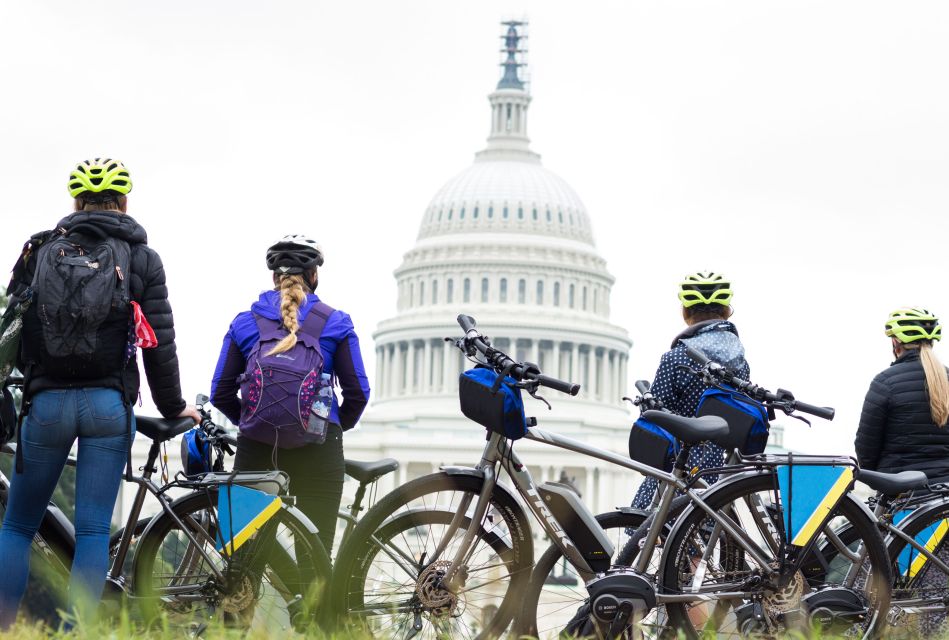
- Three branches of government in one loop: Executive, Legislative, and Judiciary, explained on the road
- Photo-first stops at the Capitol Building area, Supreme Court, and Library of Congress
- White House views without walking for them: you’ll ride down Pennsylvania Avenue with protected bike-lane access
- Memorial hits: the new Dwight D. Eisenhower Memorial plus World War II Memorial areas and big-picture monuments like the Washington Monument
- Real-world civics stories around the National Archives and FBI Headquarters area
- Electric-bike option for uphill comfort, if you’re choosing the easier route
Price and what you’re really buying for $55
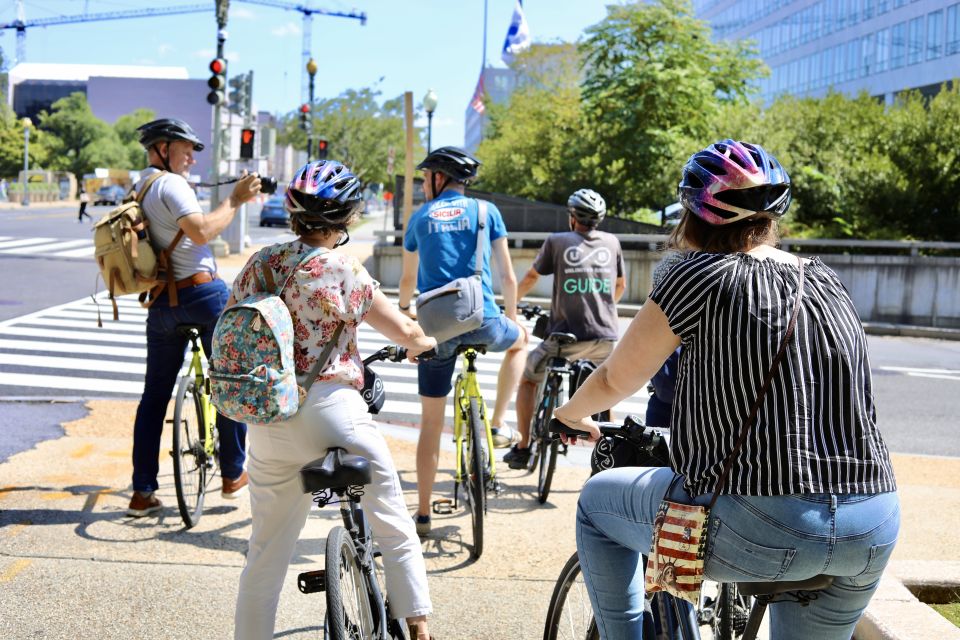
At $55 per person for a 2-hour guided bike tour, you’re paying for three things at once: transportation, a professional guide, and a tight way to see many “top DC” sites without spending your day in taxis or walking between them. Bike tours are usually good value when the route is doing heavy lifting, and this one is clearly designed for that.
You get the bicycle, a mandatory helmet, bike bags, and the guide. That matters because it removes the usual DC friction: finding a bike, hauling gear, and then trying to figure out where to look first. For a first-time visitor, that’s not small.
Is it cheap? Not exactly. But it often feels like a smart spend if you want a guided “greatest hits” sweep with photo stops and history tied to the actual buildings. If you prefer slow, unstructured wandering, or you want to linger at museums or monuments for a long time, you may end up wanting more time than this tour provides.
You can also read our reviews of more cycling tours in Washington Dc



Meeting at 801 D Street NW: quick-start logistics that set the tone
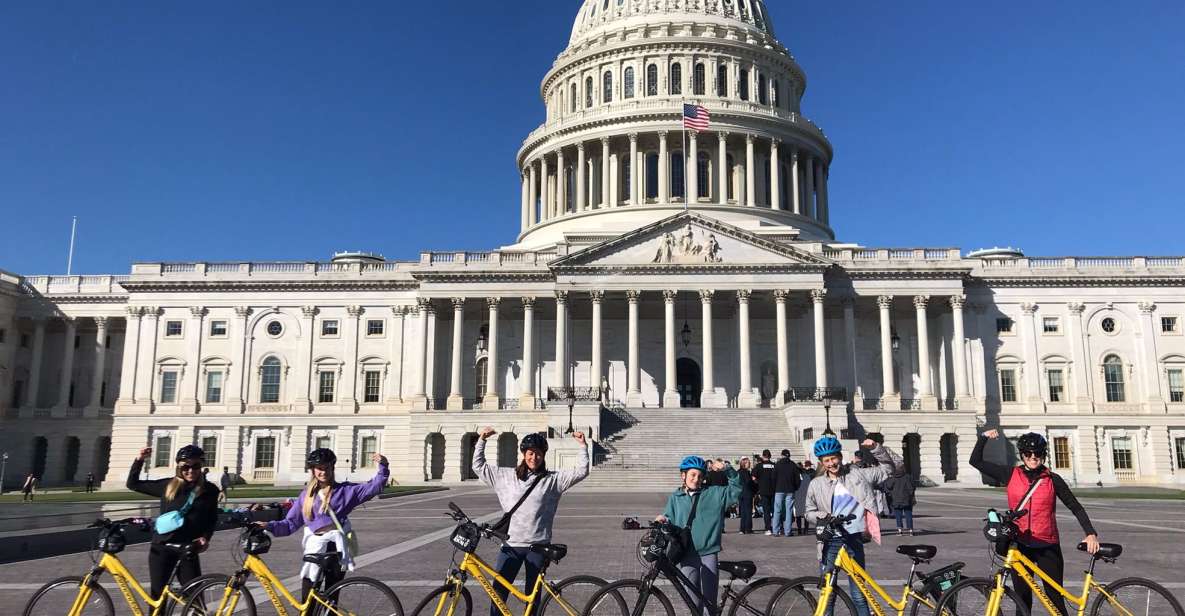
You meet at 801 D Street NW, right by the US Navy Memorial Plaza. The included gear is meant to get you rolling fast: helmets are mandatory, and you’ll get a bicycle plus bike bags for your personal items.
Here’s the practical reality: a few riders have described the start as somewhat hectic, especially during bike handouts. That doesn’t mean the tour is “bad,” but it does mean you should arrive a bit early, keep your documents ready, and expect a busy moment before you’re rolling.
Bring what the operator requests:
- A passport or government ID
- A credit card
- You may need an ID retained as a deposit for rentals, with the credit card kept on file for security of the bikes
You also need to be comfortable riding independently. If you’re not, this tour won’t adjust for your comfort level. One more safety-related note from rider feedback: group pacing at lights can be tricky, so staying calm, watching for the guide, and not forcing risky moves across intersections is key to keeping your ride enjoyable.
Capitol Hill from multiple angles: Capitol, Supreme Court, and Library of Congress
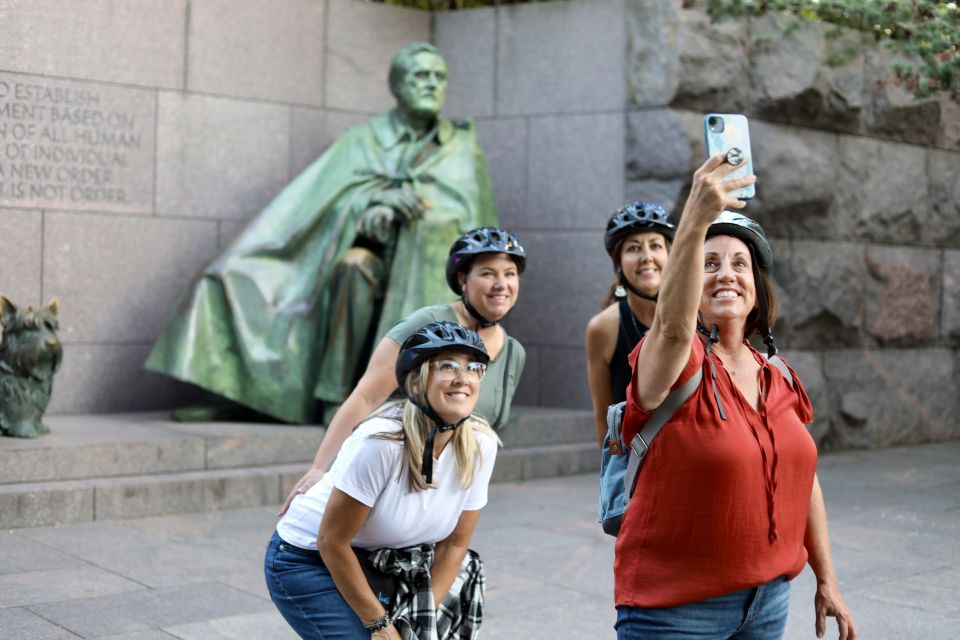
This is the “legislative” backbone of the tour, and it’s where the route earns its name. You start in the Capitol Hill area and head toward photo stops that put you at angles most people miss when they just view these buildings from one postcard spot.
You’ll get a guided look around the Capitol Building area with a dedicated photo stop and time for narration. Then the tour moves to the Supreme Court of the United States, where you’re set up for a proper picture in front of that grand facade. The guide’s job here is to make the building feel less like an icon and more like a workplace that shapes national decisions.
Next is a short stop at the Library of Congress. Even with limited time, the value is in the guide’s context: you learn what the building represents and why it matters to the country’s information and legal culture.
What I like about this structure is that it prevents the usual DC problem: you see the big names, but you don’t know what you’re looking at. Here, the order helps you connect the buildings to how government actually works.
National Archives and FBI HQ stories: the civics part you’ll remember
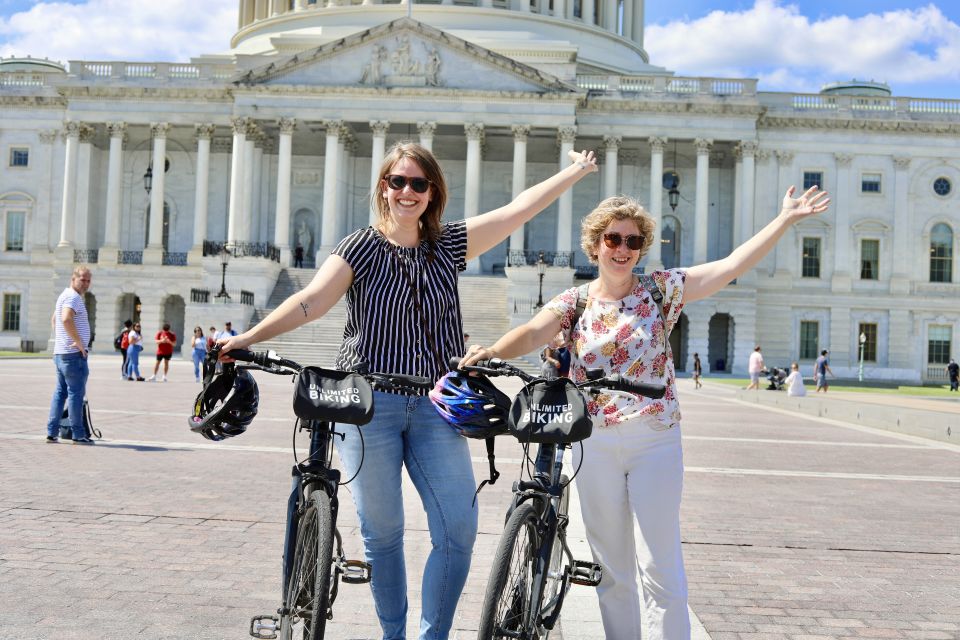
After the Capitol area, you shift into the “what happens behind the headlines” zone. You’ll stop around the U.S. National Archives area, with guide commentary that connects documents, government processes, and the institutions tied to security and enforcement.
Even if you already know DC basics, this section tends to stick because it ties facts to places you can point at later. It’s the difference between memorizing a list of landmarks and understanding why those landmarks sit where they do.
This is also where your bike time feels efficient. The tour doesn’t try to turn DC into a classroom, but it does give you short bursts of explanation right when you’re at the right corner, which is when the information is easiest to absorb.
White House views through Lafayette Square: Pennsylvania Avenue with training wheels
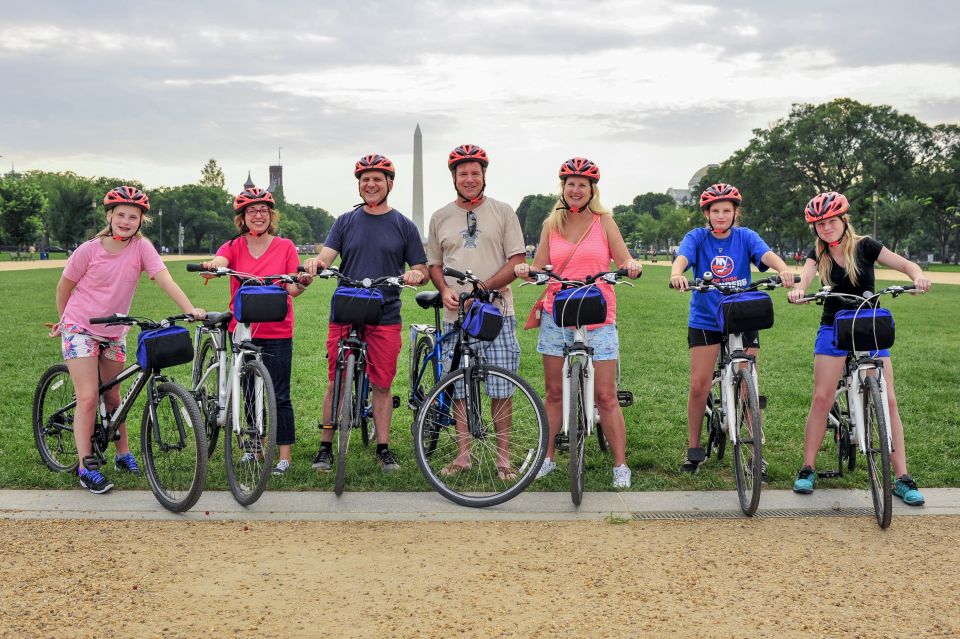
Riding into the White House area is where the tour gets cinematic. You’ll reach the White House with a photo stop and get views that are harder to achieve without walking and crossing busy streets.
A major value here is the plan to ride down Pennsylvania Avenue with protected bike-lane access all the way toward the White House area. That matters because the avenue is famous for a reason, but it can be stressful for pedestrians and cars. On bike, you’re positioned closer to the action without being stuck in the middle of traffic problems.
You also pass by Blair House, which is one of those places most visitors don’t notice until someone points it out. Even a quick stop helps you understand how close political operations sit to public view.
One thing to keep in mind: some riders reported moments where the group got stretched out at red lights and pacing felt uneven. My advice is simple: focus on your own safety and skill level, keep your eyes up at intersections, and don’t treat this like a race to stay glued to the pack.
You can also read our reviews of more guided tours in Washington Dc





Memorial time: Eisenhower, World War II areas, Grant, and Washington Monument angles
The “big monument payoff” arrives in the second half. You’re set up to see the new Dwight D. Eisenhower Memorial, plus World War II Memorials. These are the kinds of stops that can take a long time on foot, so getting them in as part of a guided bike loop is a win.
You’ll also be looking at major photo moments like the Washington Monument and the Ulysses S. Grant Memorial, plus other scenic stops along the way. Even if you’re not spending lots of time standing still, your photo opportunities here are strategically placed to give you recognizable angles.
The goal isn’t to make you a historian. It’s to make you oriented. After this tour, you’ll know where things are and how they connect, so your later museum visit or evening walk makes more sense.
Uphill reality and electric bikes: how to choose the right effort
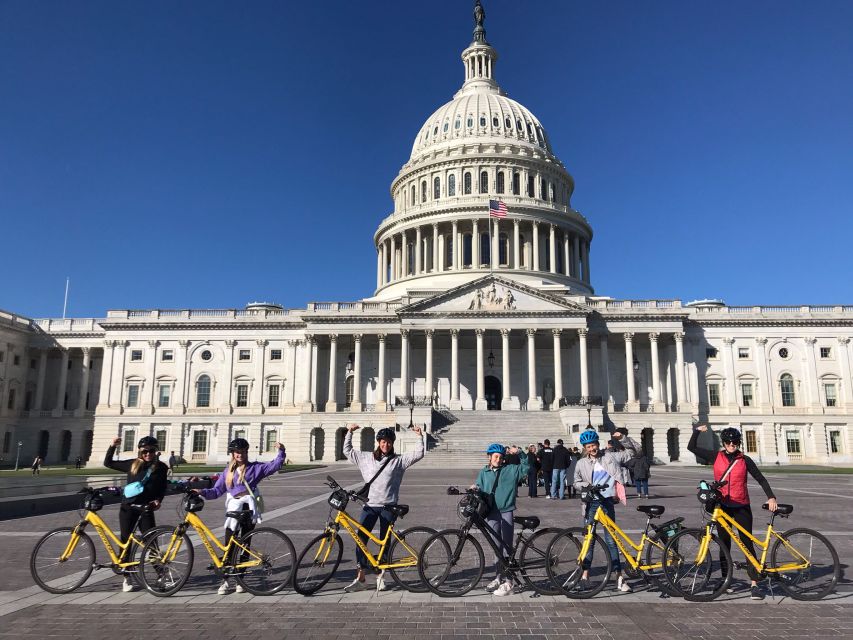
This tour includes uphill routes. That’s not a dealbreaker, but it’s a reason to think about your ride style before you show up.
There’s an electric-bike upgrade option if you want an easier ride. Some riders have praised how the setup can help with climbs, while others have cautioned that electric bikes can feel faster than expected, making the ride feel more like speed than sightseeing. Both points matter.
So here’s what I’d do if I were booking for myself:
- If you want a relaxed pace and fewer sweat breaks, choose the electric option.
- If you’re comfortable on hills, a regular bike can be more “hands-on” and may match your comfort level better.
- Either way, pay attention when you start pedaling, because the moment you’re moving fast is also when you need the most focus around intersections and traffic.
Also note the experience can be affected by weather. One rider described very chilly, windy conditions and said it disrupted the rest of their day afterward. DC weather can flip quickly, so bring gloves if it’s cool, and consider a layer you can zip on during your ride.
How long stops really feel: photo stops vs. long wandering
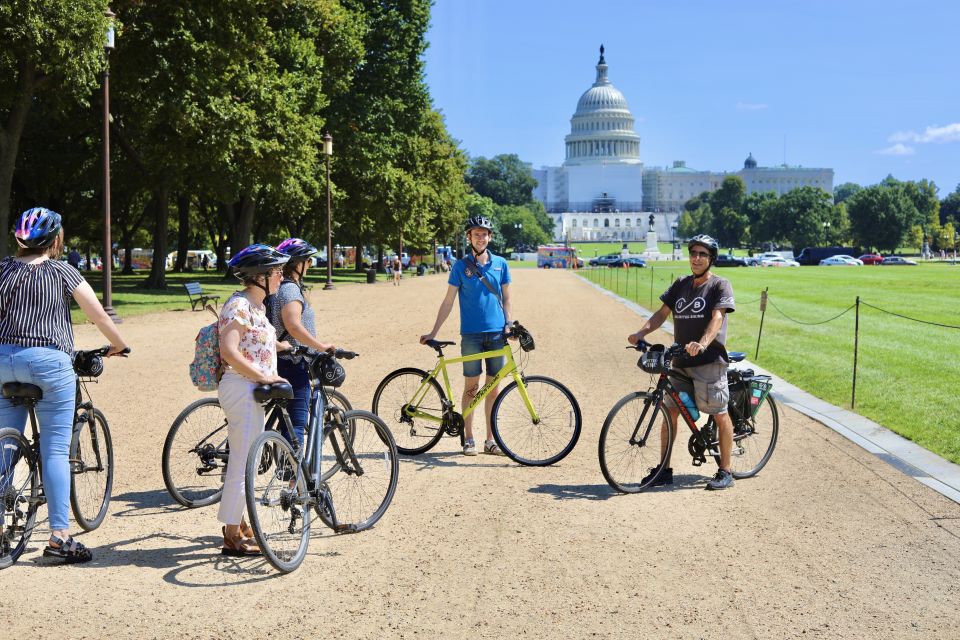
The tour is built around short, guided photo stops. You’ll get time for guided commentary and pictures at several “signature” spots, including the Capitol Hill area, Supreme Court, Library of Congress, National Archives, White House, Blair House, and Washington Monument.
The advantage is that you see a lot in 2 hours. The trade-off is you’re not lingering. If you’re the type who wants to spend 30 to 45 minutes reading plaques or sitting with one monument for a long time, this may leave you wanting more.
That said, the stops are the right length for most people doing DC for the first time or trying to fit a productive activity into a tight schedule. If that’s you, this tour is basically built for your day plan.
Who this tour suits best (and who should skip it)
This is a good fit if you:
- Want a guided sweep of Capitol Hill and major DC highlights in 2 hours
- Prefer pictures and short history bursts over museum-style pacing
- Ride a bike comfortably and want a structured route with a real guide
- Like the idea of riding Pennsylvania Avenue toward the White House instead of walking it
It’s not a fit if you:
- Can’t ride a bicycle on your own
- Are pregnant
- Are over 280 lbs (127 kg)
- Are expecting a slow, deep, sit-down experience at every site
Families with kids can work depending on how the operator handles child attachments, but children still need the right booking setup. If you’re traveling with a minor, confirm the adult presence rules before you commit.
Should you book this Capitol Hill guided bike tour?
I’d book it if you want the classic DC “power map” in a single morning or afternoon: Capitol Hill landmarks, the three branches of government, and the White House approach, all with a guide who keeps the story moving.
I’d think twice if you hate busy logistics at the start, you’re worried about uphill riding, or you’re the kind of visitor who expects long monument time. In those cases, a slower walking tour or a self-guided plan might match your style better.
If you do book, go in prepared: arrive early with your ID and credit card ready, bring layers for wind and cold, and choose your bike type based on comfort rather than pride. Do that, and you’ll likely get exactly what this tour is designed for: a fun, efficient DC orientation you can build on for the rest of your trip.
FAQ
How long is the Washington DC Best of Capitol Hill Guided Bike Tour?
It lasts 2 hours.
Where does the tour start?
The meeting point is 801 D Street NW, Washington DC 20004, by the US Navy Memorial Plaza.
What is included in the price?
You get a bicycle, a mandatory helmet, bike bags, and a professional guide.
Do I need to be able to ride a bike?
Yes. All guests must be able to ride a bicycle on their own (unless they’re on attachments).
Can I upgrade to an electric bike?
The tour notes that you can upgrade to an electric bike to make uphill routes easier.
What ID or payment do I need to bring?
Bring a passport or ID card, and a credit card. The operator may retain your government-issued ID as a deposit for rentals and keep your credit card on file for bike security.
Is the tour suitable for everyone?
No. It is not suitable for pregnant women, and there is a weight limit of 280 lbs (127 kg).
Is there an age requirement?
No one under age 18 will be given a bike without an adult over 18 present.
What happens if I cancel?
Free cancellation is available up to 24 hours in advance for a full refund.