REVIEW · WASHINGTON DC
DC: Historic Embassy Row & Dupont Circle (2 Hr Walking Tour)
Book on GetYourGuide →Operated by Visit DC Tours · Bookable on GetYourGuide
Dupont Circle to Embassy Row is DC’s best walk back in time. In just 2 hours, you get a guided thread through mansions, embassies, and power stories that explain why this corner of Washington looks the way it does. I especially like how the tour ties the architecture to the people who shaped it, so you’re not just staring at buildings.
I also like the photo-and-story mix—your guide stops often enough that you can actually frame shots, not just shuffle along. A possible drawback: the tour is focused on photo stops and brief guided moments, and if you’re hoping for lots of indoor access, keep expectations realistic since entry into embassies/residences is not guaranteed.
In This Review
- Key Highlights You’ll Feel on the Walk
- Why Dupont Circle and Embassy Row Works So Well on Foot
- Starting at Dupont Circle Fountain (and getting your bearings fast)
- Cosmos Club: a private institution with a very public presence
- Walsh-McLean House and the look of “Millionaire’s Row”
- Embassy Row on Massachusetts Avenue: what diplomacy feels like from the sidewalk
- Sheridan Circle and Kalorama streets: the quieter rhythm before Woodrow Wilson House
- The Spanish Steps: a pause that changes the mood
- Woodrow Wilson House: brief guided time, long emotional payoff
- Photo strategy and pacing on a 2-hour walk
- Price and value: is $39 a fair deal for 2 hours?
- Guides matter: Dan and Eli as examples of the storytelling vibe
- Who should book this tour, and who might skip it
- Should You Book This Embassy Row and Dupont Circle Tour?
- FAQ
- How long is the DC Historic Embassy Row & Dupont Circle tour?
- Where does the tour start?
- When does the tour end?
- What’s the price?
- Is this tour a small group?
- Will you enter embassies during the tour?
- What language is the tour guide?
- Is the Woodrow Wilson House included?
- What isn’t included in the ticket price?
Key Highlights You’ll Feel on the Walk
- Dupont Circle Fountain as the perfect starting landmark, designed by Daniel Chester French and Henry Bacon
- Cosmos Club exterior photo time with a clear explanation of its role since 1878
- Gilded Age “Millionaire’s Row” mansions, with multiple architectural styles pointed out as you walk
- Massachusetts Avenue diplomacy with a look at dozens of embassies and ambassador residences from the sidewalk
- Woodrow Wilson House with a short guided stop and period details
- Spanish Steps as a calm, picturesque pause modeled after the famous Roman stairs
Why Dupont Circle and Embassy Row Works So Well on Foot

If you only have a small slice of time in Washington DC, this walking tour is a smart way to see a lot of the city’s most visually impressive addresses. Dupont Circle and Embassy Row sit in that sweet spot where politics, money, and design all rubbed elbows—sometimes quietly, sometimes not.
You’ll learn what makes the area feel “old Washington” without needing a long museum day. The guide connects the dots: how the Gilded Age crowd built showpieces, how diplomatic missions took root along Massachusetts Avenue, and how certain pockets of the neighborhood stayed more private and club-like.
You can also read our reviews of more walking tours in Washington Dc



Starting at Dupont Circle Fountain (and getting your bearings fast)
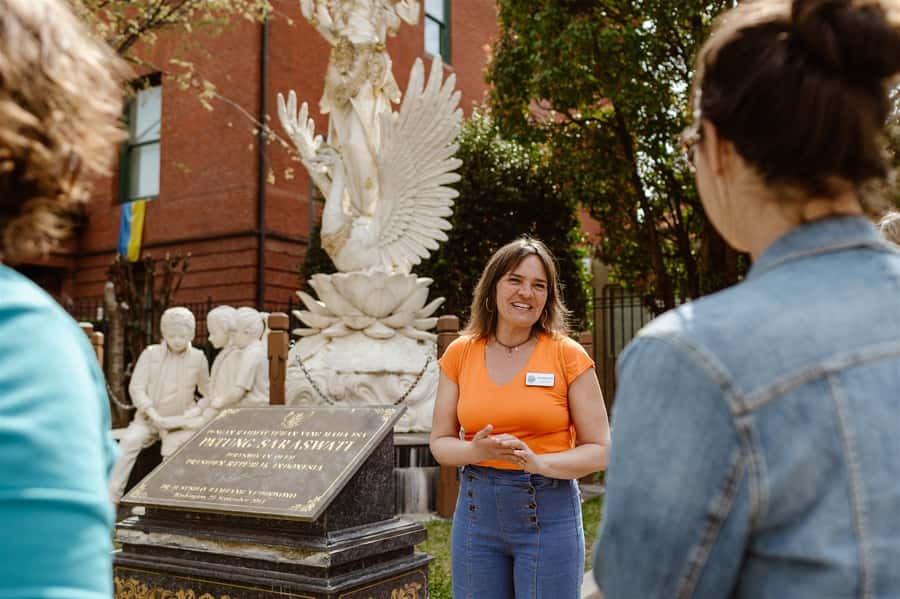
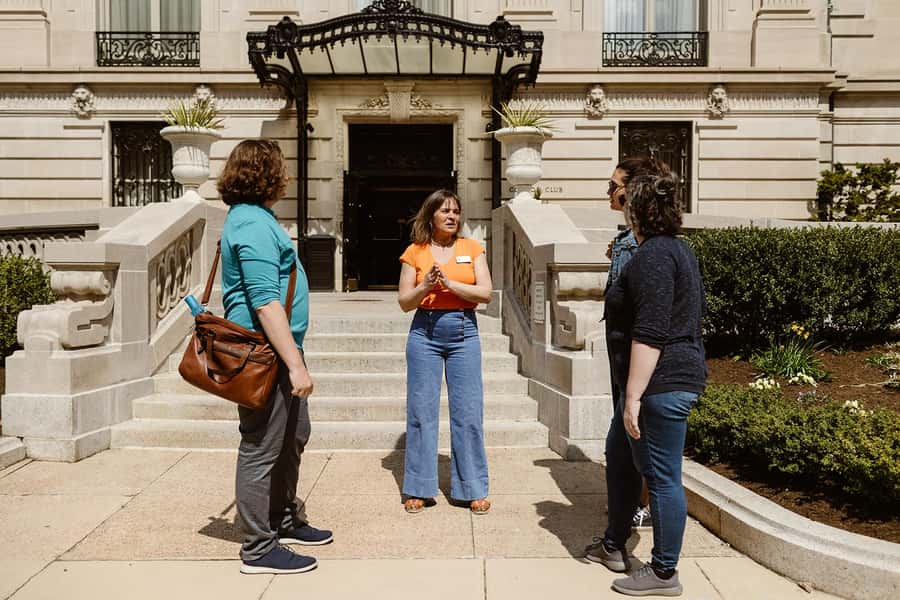
The tour starts at the fountain in the middle of Dupont Circle. You’ll meet at the center, and the guide is easy to spot—look for someone in an orange top. The fountain itself is more than a backdrop: it was designed in 1921 by sculptors Daniel Chester French and Henry Bacon, and it quickly gives you a clear sense of orientation.
You begin with a short guided moment and then move into photo stops. That pacing matters. In a 2-hour tour, the best guides help you understand what you’re seeing before you start taking pictures, so your photos match the story you just heard.
Practical tip: if you want the best photos, bring a lens-friendly setup and be ready to pause when the guide does. This tour is built for stopping, not for power-walking.
Cosmos Club: a private institution with a very public presence
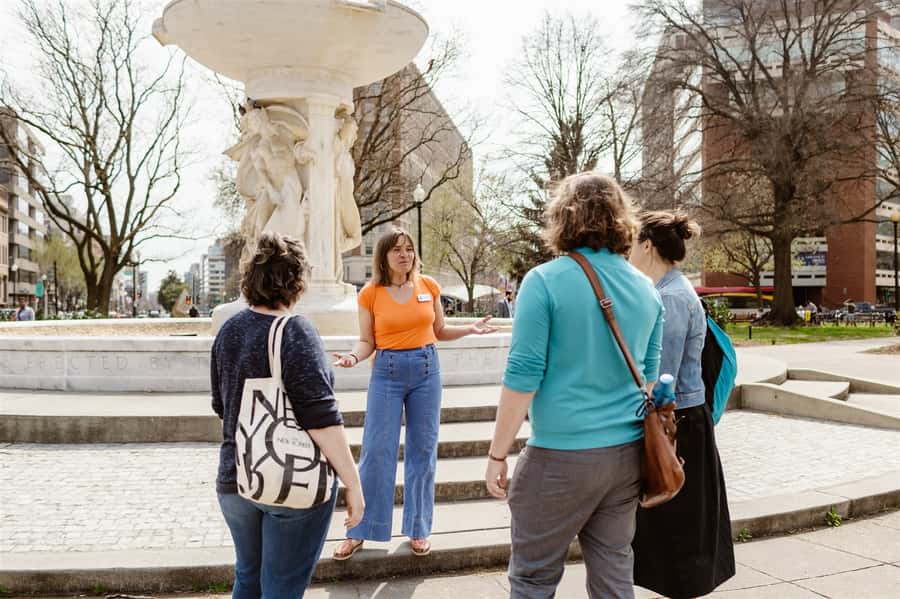
One of the first big “wow” stops is the Cosmos Club area. You’ll get a photo stop here, and the guide explains what the club represents—an influential private club dating back to 1878.
Even if you don’t go inside (the tour doesn’t promise entry), you still get a good feel for the club’s vibe. It’s the kind of building where you can sense the intent: formal, composed, and designed to signal membership and standing. The guide also frames it as a gathering place for intellectuals, dignitaries, and people connected to the arts and sciences.
I like stops like this because they don’t just show architecture—they show how social structures shaped Washington. In other cities, you can “miss” that layer. Here, the building helps you read the culture.
Walsh-McLean House and the look of “Millionaire’s Row”
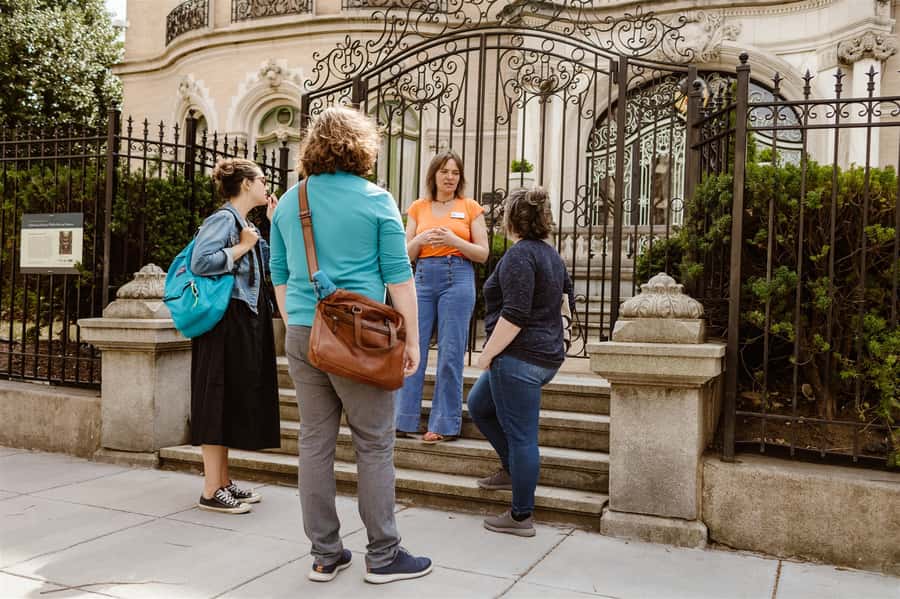
As you walk along Embassy Row, you start spotting the consistent theme: these are not modest homes. This stretch is tied to the idea of the Gilded Age’s Millionaire’s Row, when wealthy Americans built massive statements in Washington DC.
A specific stop on the route is the Walsh-McLean House, and it’s the kind of place where you see why styles vary so much. The tour points out different architectural looks—Beaux-Arts and Italian Renaissance Revival are specifically mentioned—so you can compare what you’re seeing instead of treating every mansion like a single blur.
Here’s what I think makes this section valuable: the guide doesn’t treat the buildings like trophies. Instead, you learn how personal whims, power, and scandal shaped how these addresses evolved. That’s what turns “nice houses” into real context.
Embassy Row on Massachusetts Avenue: what diplomacy feels like from the sidewalk

Massachusetts Avenue is where the tour’s “diplomatic Washington” energy really takes over. You’re walking past dozens of embassies and ambassador residences, with more than 20 diplomatic buildings noted during the experience.
A key thing to know: the tour is designed for viewing from the outside. You do not enter embassies, and indoor access is not guaranteed. That said, the tour also notes that on occasion, visitors may be invited into an embassy or residence. I’d treat that as a bonus, not the plan.
During the Embassy Row stretch, you’ll also get a guided component and more photo stops, which helps you slow down and actually read what’s in front of you—flags, facades, and the mix of formal and residential details that show how diplomatic spaces work.
The best part is how the guide uses the exterior view to explain culture. Embassies aren’t only offices. The tour description highlights that they host events celebrating national heritage and traditions. Even when you’re outside, you’re learning what these places do beyond politics.
You can also read our reviews of more historical tours in Washington Dc





Sheridan Circle and Kalorama streets: the quieter rhythm before Woodrow Wilson House
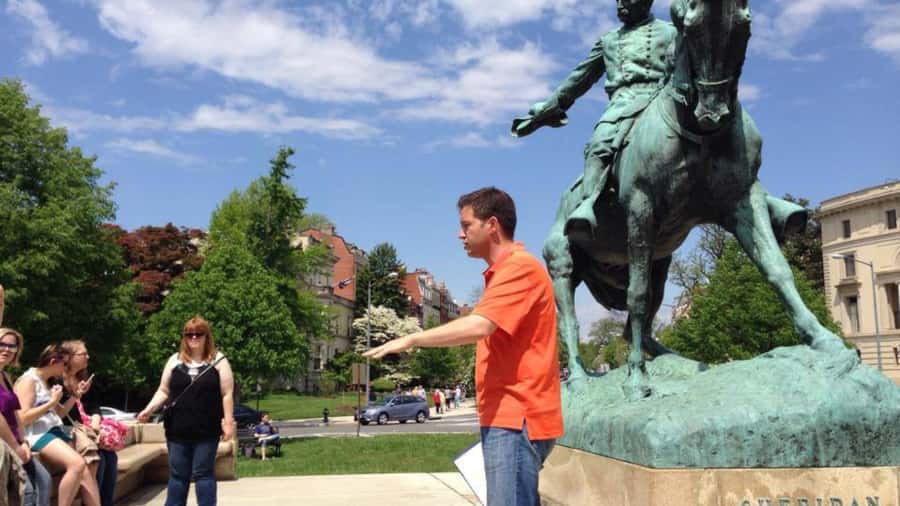
After the main Embassy Row stretch, the tour continues toward Sheridan Circle. This matters because it changes the walking feel. Embassy Row is architectural spectacle; Sheridan Circle and the surrounding area help you reset your attention and see the neighborhood transitions more clearly.
Then you head through the Kalorama neighborhood streets. This is where the tour gives you the sense that Washington isn’t one uniform “show.” You get calmer streets and a slower visual tempo, which makes the final historic stop land better.
The Spanish Steps: a pause that changes the mood
One standout detail included in the tour description is the Spanish Steps. It’s described as a quiet, picturesque escape from city bustle, modeled after the famous steps in Rome.
I love a stop like this because it’s not just architecture—it gives you a break from the larger “big buildings” theme. You can rest your legs, frame a softer shot, and let the tour breathe. If your day in DC includes lots of monuments, this kind of small, local-feeling moment is a welcome shift.
Woodrow Wilson House: brief guided time, long emotional payoff
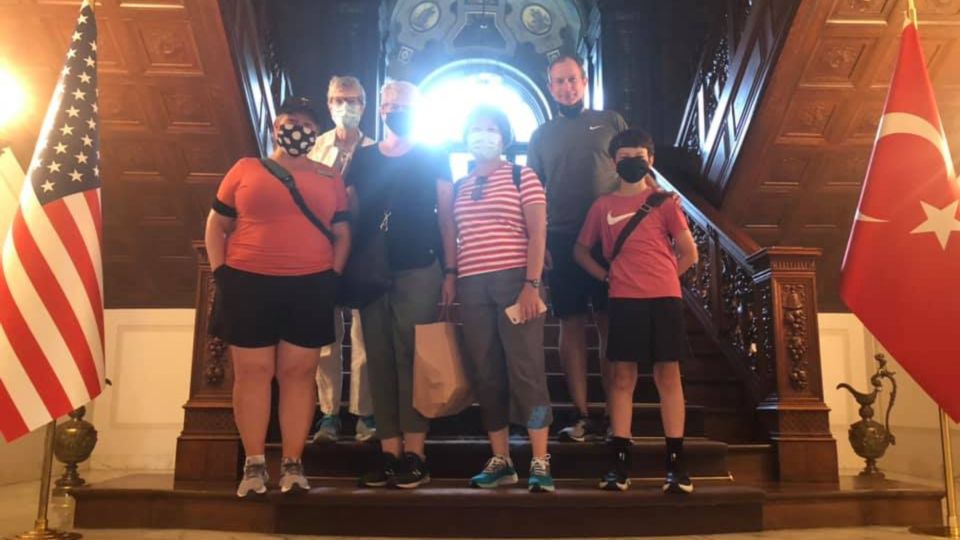
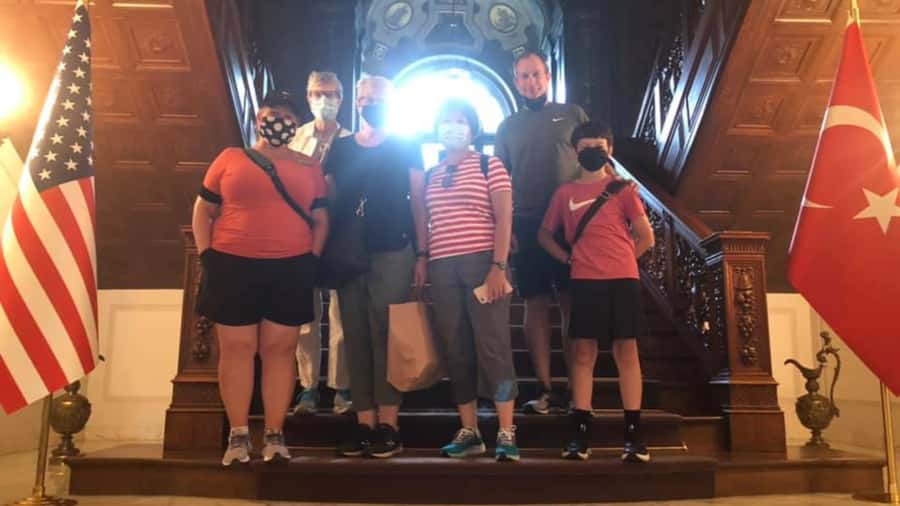
The tour’s final major landmark is the Woodrow Wilson House. You’ll visit it with a short guided tour (about 10 minutes), which may feel brief, but it’s timed so you stay energized rather than exhausted.
This is a “time capsule” type stop. The tour description emphasizes that the house is preserved with period furnishings, personal artifacts, and educational displays tied to Wilson’s presidency and legacy.
Even if you already know Wilson’s name, walking through a preserved home gives you a more grounded sense of what presidential life meant at the time. And because the tour just spent time with Gilded Age mansions and diplomatic addresses, the transition is interesting: the neighborhood moves from wealth displays and embassy power to presidential legacy inside a home setting.
Photo strategy and pacing on a 2-hour walk
This is a short tour, and the format supports that. You’ll have an initial guided stretch, then plenty of photo stops, then another guided moment during the Embassy Row portion, plus the Woodrow Wilson House guided time.
That means you should show up ready to pause. If you’re the type who takes quick snapshots only, this tour may still work—but you’ll get more out of it if you treat the stops like mini lessons. I also like that the experience calls out “best photo ops” of 20th century historic mansions. That’s basically a reminder that the tour is built for views you’ll want to keep.
If you bring a camera (or just your phone), consider stepping to the side when the guide asks. A small reposition often makes the difference between a flat facade photo and a shot with depth.
Price and value: is $39 a fair deal for 2 hours?
At $39 per person for a 2-hour small group walking tour, the value depends on what you want from DC.
If your goal is exterior architecture, neighborhood context, and guided storytelling connecting mansions and diplomacy, this price looks reasonable. You’ll cover a meaningful loop: Dupont Circle, Embassy Row, Sheridan Circle, Kalorama streets, and a guided visit to the Woodrow Wilson House.
If your goal is lots of indoor time and guaranteed access to embassies, then you may feel shorted. The tour doesn’t promise that, and it notes that embassy/residence entry is only on occasion. One thing I’d watch for is your own patience for photo stops versus inside access. This tour leans photo stop heavy.
So my advice is simple: treat this as a walking tour of what you can see and understand from the street, with an excellent short history stop at the end.
Guides matter: Dan and Eli as examples of the storytelling vibe
The experience lists a licensed tour guide, and names tied to past groups include Dan and Eli. Both have been associated with strong delivery and good rapport, and that’s important here because the architecture is only half the experience. The stories—diplomatic scandals, millionaires’ whims, and how power shaped buildings—are what give the walk its “stay with me” feeling.
If you want the tour to be more than scenery, look for a guide who makes the details feel connected. When it clicks, this walk turns into a mini course in how Washington grew.
Who should book this tour, and who might skip it
Book it if you:
- Want a structured way to see Dupont Circle and Embassy Row without a car
- Love architecture explanations tied to real people and real power
- Prefer a short, guided walk with multiple photo moments
- Want a guided visit to the Woodrow Wilson House without turning it into an all-day plan
Consider skipping or pairing it with something else if you:
- Need lots of indoor access as the main goal (embassy entry is not guaranteed)
- Get frustrated with photo stops that don’t lead to rooms and museums
This tour hits best when you’re happy to learn from the street view and wrap up with a single, focused historic house visit.
Should You Book This Embassy Row and Dupont Circle Tour?
Yes, if you’re choosing a “best use of time” walking experience in DC. At $39 for a 2-hour format, you’re paying for guided context, photo-ready landmarks, and a short guided stop at the Woodrow Wilson House—without the expectation that embassies will turn into open doors for everyone.
If you’re hoping for guaranteed interior visits, adjust your expectations before you buy. But if you want to understand why Embassy Row looks like it does, and you like stories with buildings as the cast, this tour is an easy yes.
FAQ
How long is the DC Historic Embassy Row & Dupont Circle tour?
It’s a 2-hour guided walking tour.
Where does the tour start?
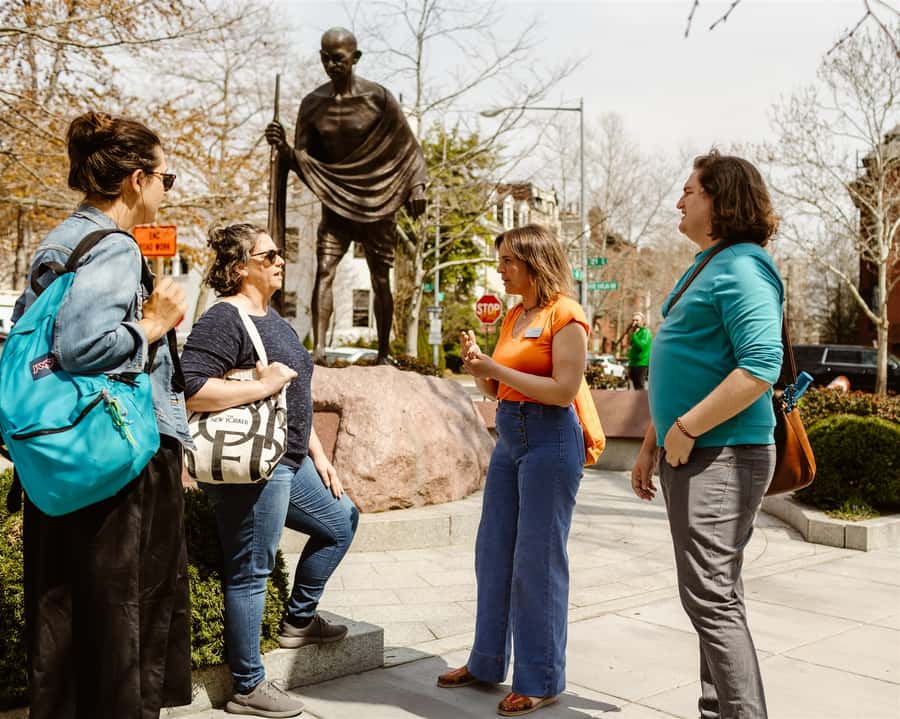
You meet at the fountain in the center of Dupont Circle, and you should look for your guide in orange.
When does the tour end?
The tour finishes back at Dupont Circle North Metro Station.
What’s the price?
The price is $39 per person.
Is this tour a small group?
Yes, it’s described as a 2-hour small group walking tour.
Will you enter embassies during the tour?
No. The tour states that you do not enter embassies, though on occasion visitors may be invited into an embassy or residence (not guaranteed).
What language is the tour guide?
The tour is in English.
Is the Woodrow Wilson House included?
Yes. You’ll visit the Woodrow Wilson House with a guided stop (about 10 minutes).
What isn’t included in the ticket price?
Gratuity is not included.