
REVIEW · WASHINGTON DC
Curated Tour – National Gallery of Art with French Art Historian
Book on Viator →Operated by Art with Tosca · Bookable on Viator
This is a museum visit with a brain attached. With a French art historian guide, you get a focused walk through the National Gallery of Art, built around the people behind the paintings. I love the small-group format and the way Tosca turns famous names into real stories.
The tour is also strong on context. You’ll see major works and learn how styles shift across centuries, from Renaissance portraiture to later movements. One possible drawback: the museum is big, so if you’re the type who wants total freedom to wander at your own pace, this structured 2 hours 30 minutes may feel a bit guided.
Because the group stays tight, you’ll get more back-and-forth instead of just listening while people file past art. If you like learning with purpose, this is a smart way to start (or improve) your National Gallery visit—without the endless aimless pacing.
In This Review
- Key highlights you’ll feel right away
- Why this National Gallery tour works better than wandering
- Meet Tosca: the French art historian lens you get
- The paintings and stories: what you’ll cover in 2.5 hours
- What makes the museum history angle useful
- Small-group touring: what changes when it’s capped at 6–8
- Timing and what to expect during the walk-through
- Logistics that matter: where to meet and how to get there
- Value check: admission included, but plan for gratuities
- Who this tour suits (and who might skip it)
- Should you book this National Gallery of Art tour with Tosca?
- FAQ
- How long is the National Gallery tour?
- What language is the tour offered in?
- How big is the group?
- Where does the tour meet?
- What’s included in the price?
- Is transportation included?
- What if it’s canceled due to weather?
- Is the tour refundable if you cancel?
Key highlights you’ll feel right away
- Tosca’s art-history storytelling makes famous painters understandable, not just famous names
- Small-group size (limited to 6, with a semi-private cap of 8) keeps the tour personal
- Masterpieces across centuries connect Renaissance, Baroque, and Impressionist styles in one loop
- Admission is included, so you’re paying for interpretation, not just entry
- You get practical focus options, especially if you share what styles you love (like Italian Renaissance)
Why this National Gallery tour works better than wandering
Washington DC’s National Gallery of Art is gorgeous, but it can also be a time-sink. You walk in, you spot a few highlights, and then you keep drifting—because the museum offers too many paths to choose from. This tour gives you a line to follow.
Instead of treating the collection like a checklist, you get a guided arc: how European art changed, and why. That matters because once you understand what artists were trying to do—composition, light, realism, symbolism—you notice far more on your own. The paintings don’t feel random after that.
I also like the pacing. In 2 hours 30 minutes, you don’t just get tossed into a long lecture. You get a guided museum experience that still leaves you with a sense of momentum—like you’re building your own understanding as you walk.
You can also read our reviews of more museum experiences in Washington DC



Meet Tosca: the French art historian lens you get
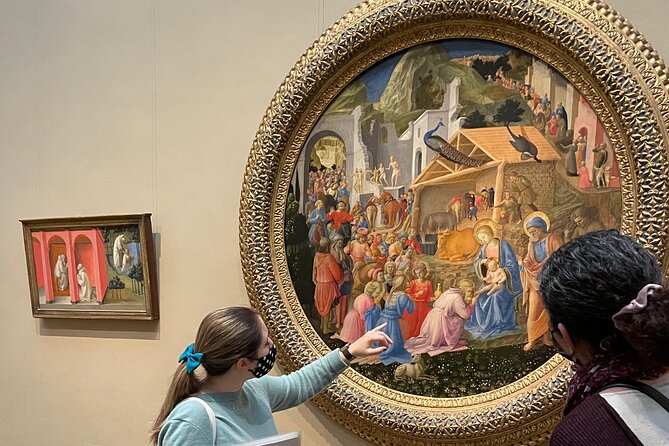
Your guide is Tosca, an art historian with a background rooted in European art. The tour description highlights that she has studied and lived between Paris, Italy, and London, which is useful because the stories you’ll hear aren’t generic. You’re getting the kind of perspective that connects art to geography and culture.
Tosca’s strength is turning “big names” into “human artists with careers.” You hear about the lives behind the work, and you connect that to the art itself. It’s the difference between seeing a painting and understanding why that painting looks the way it does.
This guide style comes through in the way the tour builds around your interests. If you like a particular era—Italian Renaissance, for example—you can use that to steer the conversation. That’s exactly the sort of flexibility that makes a small-group tour feel worth it, even if you’ve visited museums before.
The paintings and stories: what you’ll cover in 2.5 hours
This tour focuses on one main stop: the National Gallery of Art, with a curated path through masterpieces. You can expect a mix of famous works and art-history context, with stops that move across time so you can see changes in style.
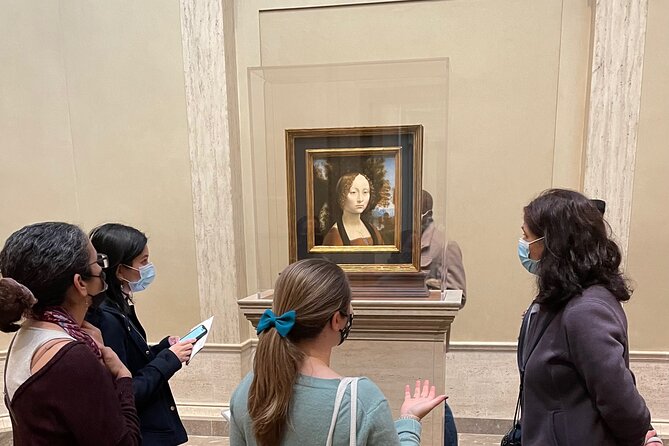
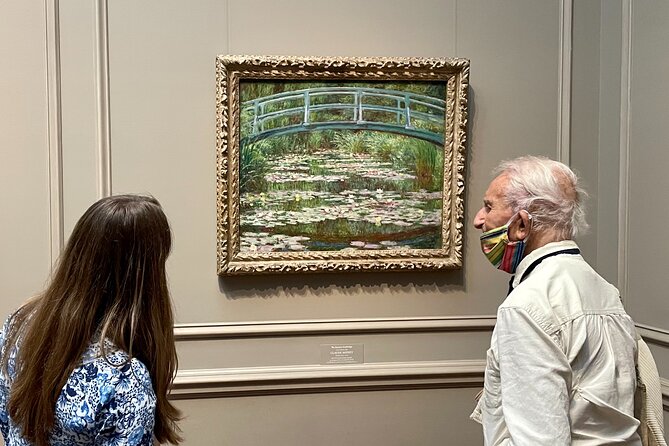
A few specific works that are called out include Portrait of Ginevra de’ Benci by Leonardo da Vinci and Claude Monet’s Japanese Footbridge. Those aren’t just famous titles—you’ll learn how the guide uses them as stepping stones.
Here’s the core idea behind the flow:
- You start with Renaissance portraiture and the kind of precision that made artists like da Vinci so influential. Portrait of Ginevra de’ Benci becomes a tool for understanding craft and intention, not just a pretty face.
- Then the tour carries that forward into later European art. With a work like Monet’s Japanese Footbridge, you’re not only looking at brushwork—you’re seeing how the art shifts toward different interests: atmosphere, perception, and modern visual life.
In between, you’ll get familiar with other major names mentioned as part of the tour’s art-history range, including Raphael, Rubens, Rembrandt, Monet, and Degas. Even if those names are already on your “I’ve heard of them” list, you’ll get the sense of what makes each artist different—so the next time you see one of their works, you’ll recognize why it matters.
What makes the museum history angle useful
The tour also frames the museum itself—its history and the presence of major masterpieces—so the visit feels anchored. That’s a practical advantage. When you know how to position what you’re seeing, the museum stops being a maze and starts being a story you can follow.
Small-group touring: what changes when it’s capped at 6–8
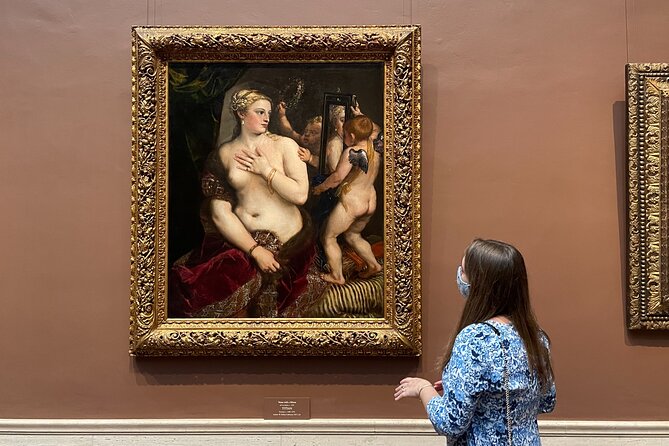
This is where the tour feels genuinely different from standard large group options. The description is clear that the experience is limited to a maximum of six people for a more in-depth visit. It’s also described as semi-private, with a cap of 8 guests maximum.
Either way, the effect is the same: you’re not fighting the crowd for attention. You can ask questions. You can get explanations tailored to what you’re looking at. And because the tour isn’t jammed with people, the guide can slow down when something needs extra context.
That’s also why the guide can build a better narrative. In a crowded group, the tour usually becomes a rush from one label to the next. Here, the conversation can stay connected to the art instead of turning into logistics.
Practical tip: if you have a personal interest—Italian Renaissance is a great example—say it at the start. With this size of group, there’s more chance your interests will actually shape what you notice.






Timing and what to expect during the walk-through
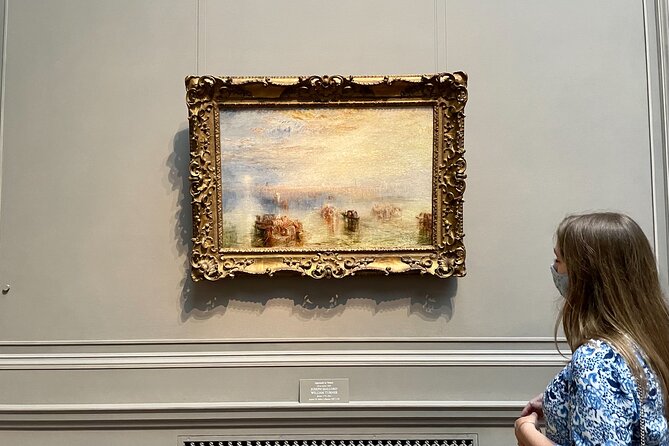
The tour lasts about 2 hours 30 minutes, and it starts and ends back at the same meeting point. That means you’re not spending half a day commuting between places. You’re spending that time inside the museum with a clear purpose.
You should expect a guided sequence rather than open-ended browsing. The guide leads you to key works, and you learn their context along the way. The best way to get your money’s worth is to treat it like a learning route: stay with the group, listen for the connections between artists, and don’t be afraid to ask for clarification.
Also, because admission is included, you won’t need to stop and manage separate ticket steps for entry. The tour is designed as one clean package: entrance, guiding, and interpretation.
Logistics that matter: where to meet and how to get there
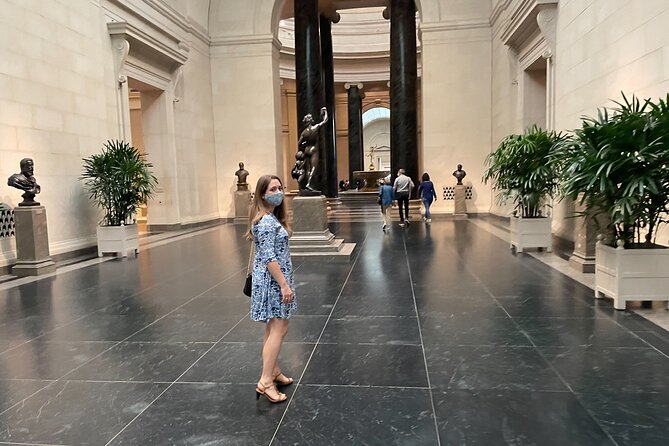
You meet at the National Gallery of Art, Constitution Ave. NW, Washington, DC 20565. Since the tour ends back at the meeting point, you can plan your next activity nearby without worrying about getting stranded across town.
Transportation-wise, the tour suggests using Uber, taxi, or Metro. If you take Metro, the recommendation is to get off at Archives. The meeting point is described as near public transportation, which is helpful because DC traffic and parking can be unpredictable.
Because a mobile ticket is included, have your phone accessible when you arrive. It’s a small thing, but it keeps your start smooth.
One timing note: the tour is weather-dependent, even though it’s a museum. If conditions are poor, the operator may cancel and offer a different date or a full refund. I’d keep an eye on the day-of message.
Value check: admission included, but plan for gratuities
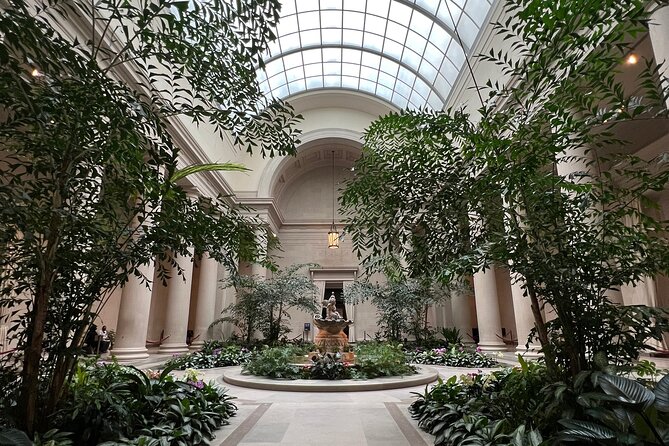
Let’s talk value without guessing numbers. This tour includes entrance to the museum, which is a big deal because you’re not paying separately just to get in. You’re also getting a professional guided tour led by an art historian, with a semi-private group size.
So what you’re really buying is interpretation: how to look at the works, not just the works themselves. That’s why the guide matters so much. When someone can connect the life of the artist and the visual choices in the painting, the whole visit clicks.
Two other value notes:
- Group discounts are mentioned, which can help if you’re booking with friends or family.
- Gratuities aren’t included, and they’re optional. If the tour hits the mark for you—as it often does with Tosca—budget a bit for tipping.
If you’re trying to decide whether a guided option is worth it, use this rule of thumb: if you enjoy museums most when you know what you’re seeing, a guided art-history tour like this is usually a win.
Who this tour suits (and who might skip it)
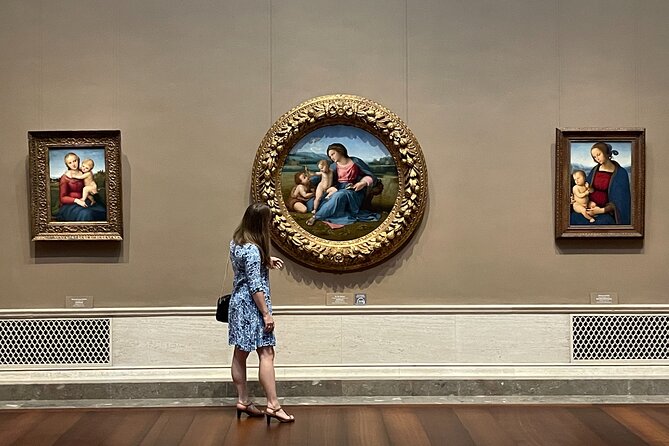
This tour is a great fit if you:
- are a first-time visitor to the National Gallery of Art and want a smart introduction
- want deeper perspective without needing to read a ton of museum material on your own
- like European art history and want the stories behind major names and styles
- enjoy being guided through a museum with a small group
It may be less ideal if you:
- prefer total freedom to wander for long stretches
- don’t want a structured plan for where to go next
- get impatient when you have to stay together as a group for a set amount of time
But even if you’ve been to the museum before, you’ll still likely enjoy this format. The payoff is not just seeing the art again—it’s seeing it with a clearer framework.
Should you book this National Gallery of Art tour with Tosca?
If you want a National Gallery visit that feels purposeful, book it. The best reason is simple: you’re not just getting access to the museum—you’re getting an art-history guide who connects major masterpieces to the people and ideas behind them.
I’d especially recommend it if you’re the type who likes context. Tosca’s storytelling approach, the strong focus on European art history, and the small-group size are exactly the combo that turns a museum into an education you’ll remember.
If you tell her what you’re most interested in—like Italian Renaissance—you’re likely to get a richer experience than a one-size-fits-all tour. For a first visit, or for anyone who wants to see more than labels, this is a very solid choice.
FAQ
How long is the National Gallery tour?
It runs for about 2 hours 30 minutes.
What language is the tour offered in?
The tour is offered in English.
How big is the group?
It’s described as limited to a maximum of 6 people, and also as semi-private with no more than 8 guests maximum.
Where does the tour meet?
The meeting point is at the National Gallery of Art, Constitution Ave. NW, Washington, DC 20565, USA.
What’s included in the price?
Entrance to the museum is included, along with a semi-private museum tour led by an art historian.
Is transportation included?
No. The tour recommends using Uber, taxi, or Metro, and suggests getting off at Archives.
What if it’s canceled due to weather?
If it’s canceled because of poor weather, you’ll be offered a different date or a full refund.
Is the tour refundable if you cancel?
This experience is non-refundable and cannot be changed for any reason.