
REVIEW · WASHINGTON DC
Smithsonian National Museum of Natural History Guided Tour
Book on GetYourGuide →Operated by UTG EXPERIENCE LIMITED · Bookable on GetYourGuide
One guide, and the museum stops feeling huge. This Smithsonian National Museum of Natural History tour turns 145 million specimens into a clear route, with a live guide steering you straight to the good stuff. I love how it cuts through the chaos, and I also love that your guide adds context so you don’t just look—you understand. The only real drawback to consider is that the pace can feel quick, and you may not hit every interactive exhibit you want.
The biggest win is the guided highlights approach. People praise guides like Nur and DC for turning the museum into an easy walk with stories that make the displays click, and that’s exactly what you’re paying for. If you want to linger forever or ask a long list of questions at a slow rhythm, this 2-hour format may feel a bit tight.
If you like smart time-saving in a world-class museum, this tour is a solid choice. It’s also great for families who need help keeping kids engaged during a big indoor day in Washington.
In This Review
- Key Points I’d Book For
- Smithsonian Natural History in Two Hours: What the Guide Actually Does
- Meeting at the Stairs and Getting Inside Without Losing Time
- The 145 Million Specimens Factor: How Highlights Work
- Dinosaurs, Gems, and Mummies: Stops You’ll Likely Want Most
- Human Artifacts and Early Tools: The Detail That Changes the Visit
- Interactive Educational Exhibits: When the Guide Helps (and When It Might Not)
- Price and Value: Paying $75 for a Guide, Not Entry
- Guides Make the Difference: Nur, DC, and Maurice in the Mix
- Pace, Hearing, and Interaction: The One Thing to Watch
- Who This Tour Suits Best (and Who Might Skip It)
- Should You Book This Smithsonian Natural History Guided Tour?
- FAQ
- How long is the Smithsonian National History guided tour?
- Where do I meet the guide?
- How much does the tour cost?
- Is museum entrance included?
- What’s included in the price?
- What is not included?
- What language is the live guide?
- Is the tour wheelchair accessible?
- Can I cancel and get a refund?
Key Points I’d Book For
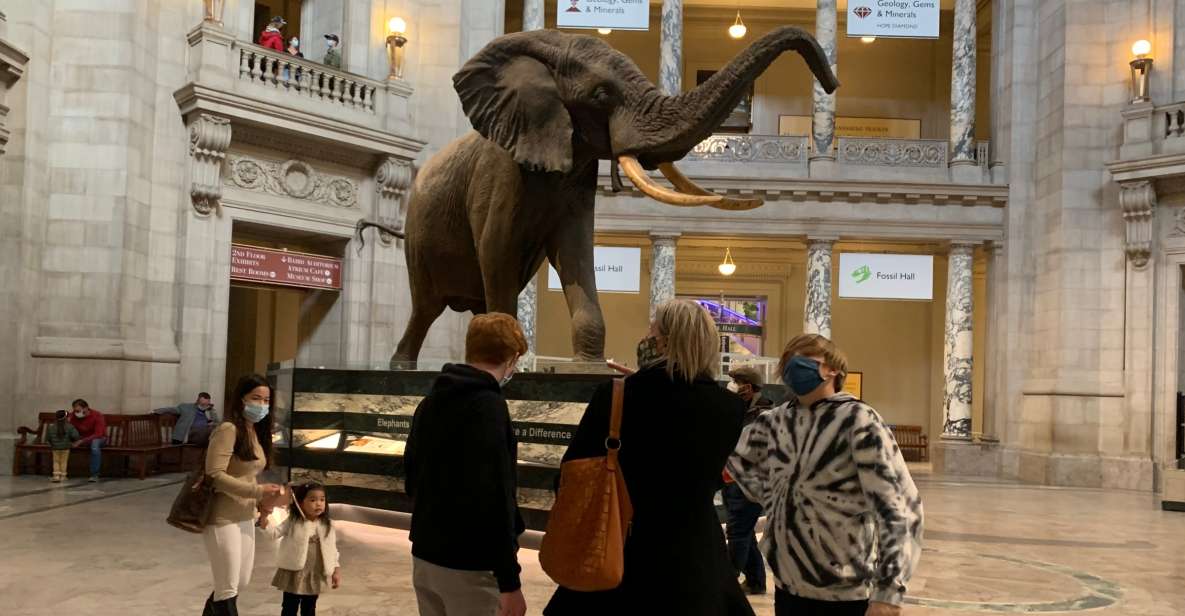
- A guide-built route that helps you get oriented fast instead of wandering for hours
- Dinosaurs, gemstones, and mummies in a tightly planned 2-hour hit list
- Stories from the guide that make the same objects feel more meaningful
- Big museum coverage in limited time, so you see more than you would solo
- Family-friendly energy, with guides known for keeping younger visitors interested
Smithsonian Natural History in Two Hours: What the Guide Actually Does
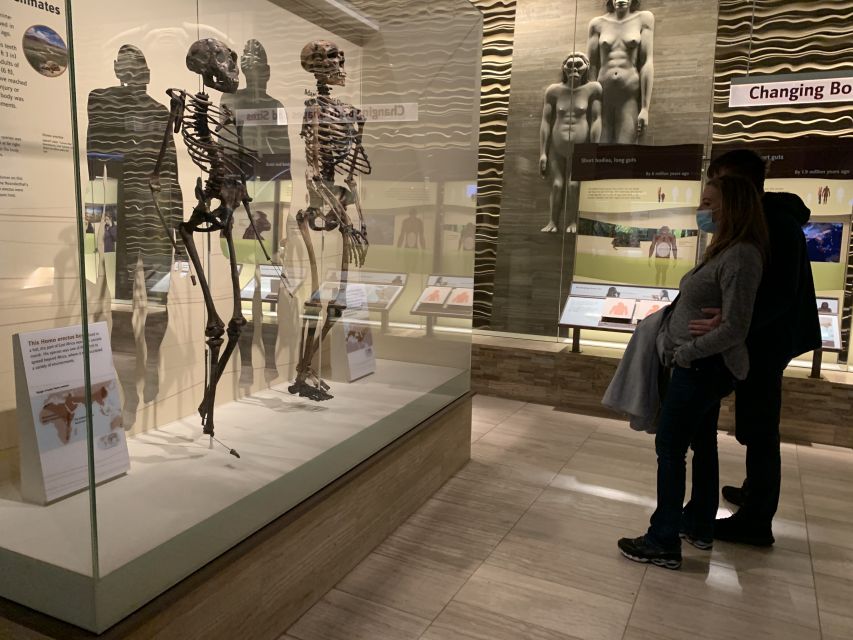
This tour is basically a “greatest hits” plan for one of the biggest museums in the U.S. The Smithsonian National Museum of Natural History is packed with everything from fossil bones to ancient artifacts, and without help it’s easy to bounce between rooms without a real strategy. With a guide, you get a path that prioritizes the displays most people come for.
The price—$75 per person for two hours—makes sense when you think about what you’re buying: time and interpretation. Museum entry is free, so your money goes to someone who knows where the highlights are and how to explain them in a way that sticks.
You can also read our reviews of more guided tours in Washington Dc



Meeting at the Stairs and Getting Inside Without Losing Time
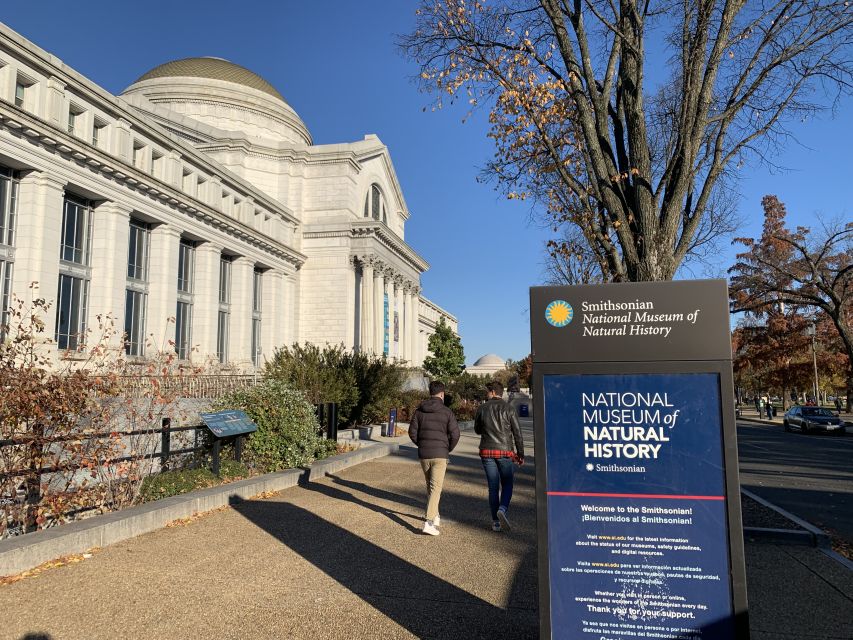
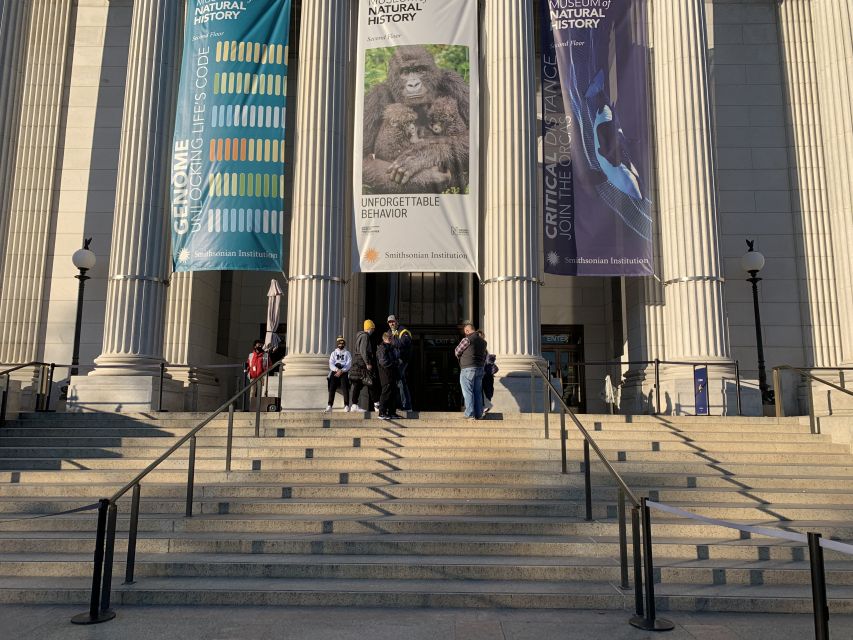
Your tour starts outside the museum. You meet your guide at the bottom of the stairs outside the Smithsonian National Museum of Natural History. That matters more than it sounds, because once you’re inside, the building layout can be a maze of halls and cross-connections.
The tour includes entrance to the museum, but it’s helpful to know the museum itself has free general admission. Translation: you’re not paying for entry. You’re paying for a guide to steer you to the best exhibits without wasting energy figuring out what to see first.
The 145 Million Specimens Factor: How Highlights Work
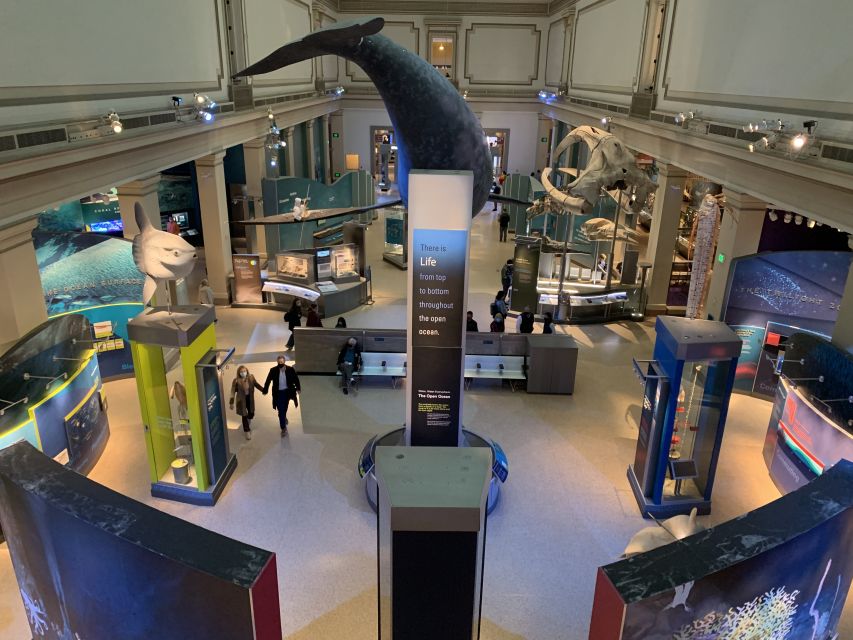
The headline number—over 145 million specimens—isn’t just trivia. It’s a warning label. If you try to “see it all,” you’ll burn time on the most convenient rooms instead of the most important displays.
A good highlight tour solves that problem with a simple method: it chooses a small set of stops and builds a route around them. You’re not asked to read every label or study every case. Instead, your guide points out what’s there, why it matters, and how the pieces connect to bigger themes like evolution, geology, and human history.
That’s why the guide-led format is such a win. Even short, two-hour museum visits get much more satisfying when someone gives you context on the first few rooms. Then you start recognizing patterns—how the museum organizes its ideas—while you walk.
Dinosaurs, Gems, and Mummies: Stops You’ll Likely Want Most
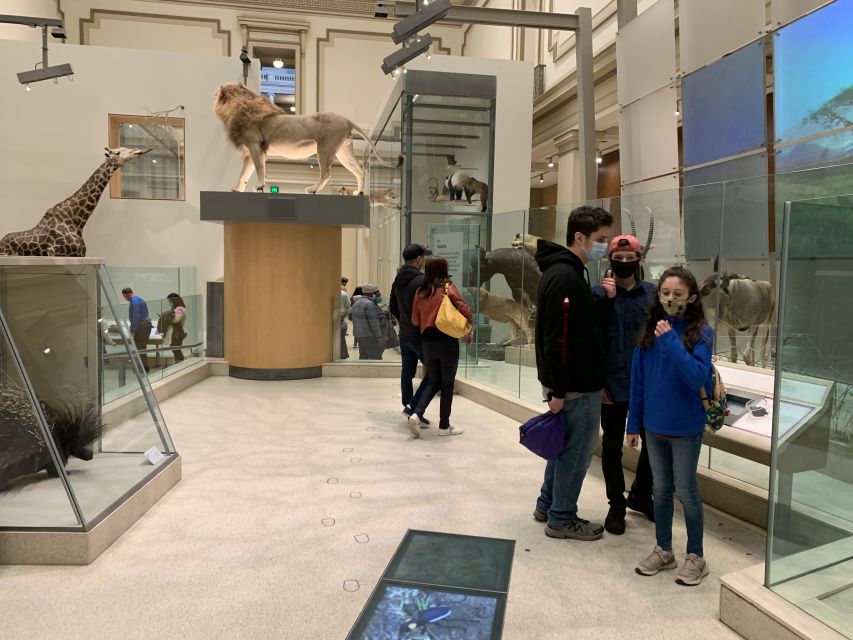
This is the part most people picture when they book natural history. Expect to spend real time on the displays you can’t really replicate anywhere else: dinosaur remains, dazzling mineral and gemstone displays, and ancient mummies.
Dinosaur bones work well in a guided format because they’re visual on the spot. You see the size and form immediately. The guide’s job is to help you interpret what you’re looking at—how the bones fit together, how paleontology thinks about ancient life, and how these exhibits reflect major discoveries.
Gemstones and unusual mineral displays also benefit from a guide. The museum experience becomes less about staring and more about understanding. A guide can point you toward the displays that best show how natural materials form, and what makes certain specimens so unusual.
Mummies are a similar story. You can read labels on your own, but a guide helps you frame the exhibit—what people historically believed, how the specimens are studied, and why these artifacts belong in a natural history museum rather than only a history collection.
Human Artifacts and Early Tools: The Detail That Changes the Visit
One of the smartest parts of this tour is that it’s not only about fossils and dinosaurs. The route includes human artifacts, early tools, and other evidence of how people lived long before writing.
You’ll see examples of tools used by early humans. That kind of stop is extra valuable because it shifts your mindset. Instead of treating the museum as a theme park of extinct animals, you start connecting natural history to human history and human ingenuity.
These sections also tend to create the best “aha” moments. Even people who think they know what’s inside quickly realize the museum makes space for people and culture as part of the natural world’s timeline. With a guide, those connections come out clearly instead of getting lost in a wall of text.
You can also read our reviews of more historical tours in Washington Dc





Interactive Educational Exhibits: When the Guide Helps (and When It Might Not)
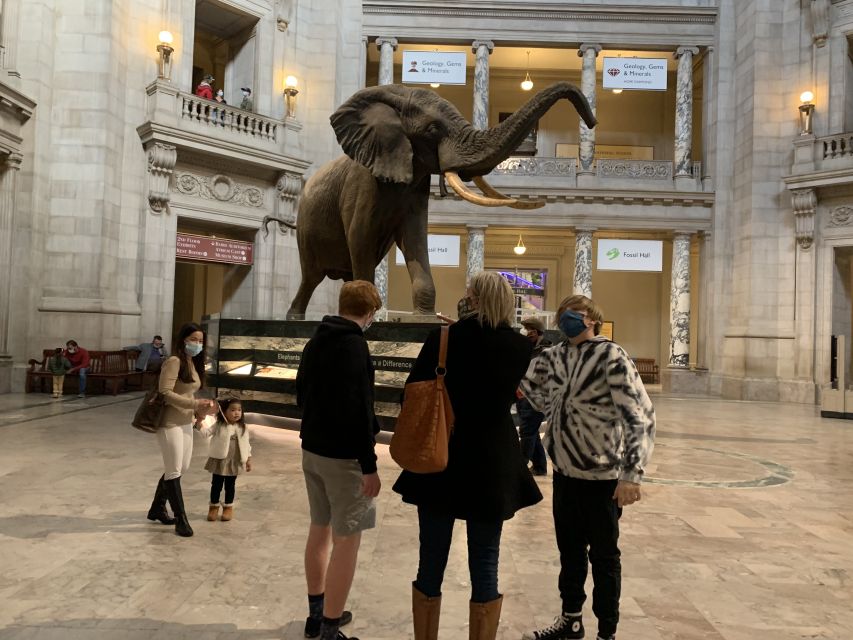
The tour is described as including the chance to interact with fascinating educational exhibits. That’s one reason a guided route can be more than just a fast walk—it can help you reach the hands-on elements that are easiest to miss.
Still, one practical consideration: a two-hour tour only has so much room. Some people felt they wished for more interaction, and a few mentioned that the guide moved quickly or that hearing was sometimes a challenge. If you’re the type who needs time to experiment at every interactive station, this might not satisfy you fully in one go.
My advice is simple: treat the guided tour as the spark, not the whole firework show. Plan to spend a bit of extra time after the tour on anything that catches your interest. That way you get the benefit of the guide’s route and still get your hands-on moments where you want them.
Price and Value: Paying $75 for a Guide, Not Entry
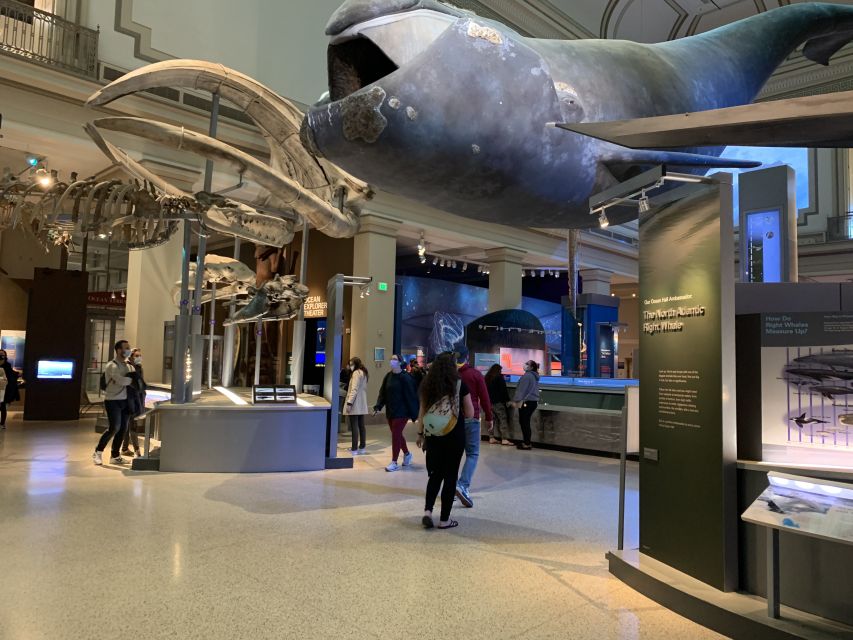
Let’s talk about the money honestly. The tour costs $75 per person and runs for two hours. Museum admission is free, and that’s a key part of the value equation.
So what are you paying for?
- A guide who knows the museum layout, so you don’t wander
- Interpretation, meaning the exhibits make more sense
- Time efficiency, meaning you can cover multiple major categories in a short visit
If you’re visiting during a busy season or you’re limited on time in Washington, that efficiency becomes more valuable. Two hours guided is often the difference between seeing a few rooms and getting a coherent “museum overview” that you can build on later.
If you love museums but hate group pacing, you may not love the price. You’re paying to be moved. But if you’re okay with a structured route, it’s a reasonable way to make a huge museum feel approachable.
Guides Make the Difference: Nur, DC, and Maurice in the Mix
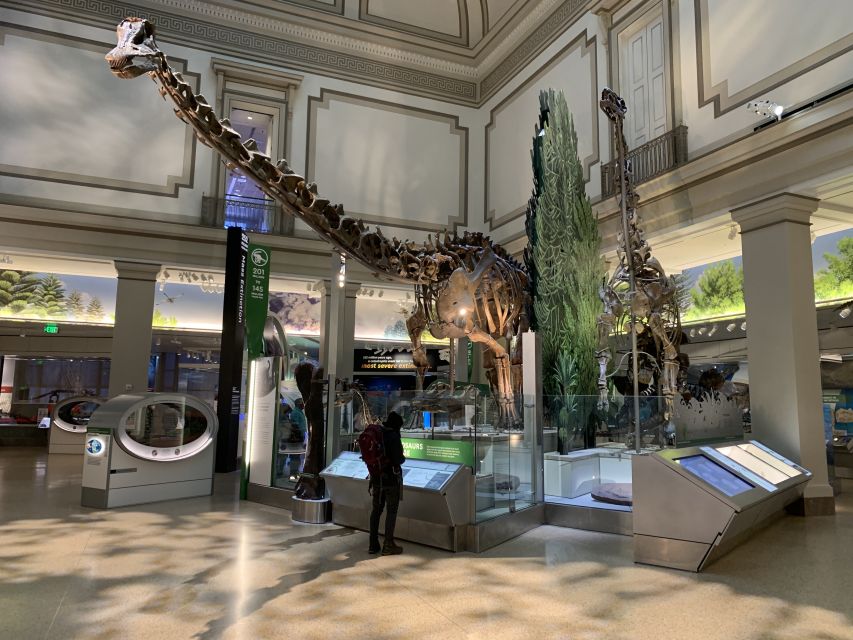
A highlight in the reviews is the quality of the guides. Multiple guides were praised for being friendly, entertaining, and full of museum enthusiasm. Nur shows up again and again in the feedback, with people calling out deep knowledge and contagious excitement. DC also received strong praise for being knowledgeable, interesting, and helpful in pointing out what you might otherwise miss.
Maurice was noted as very nice, and at least one reviewer felt there wasn’t as much interaction as they’d experienced on previous tours. That’s not a dealbreaker, but it’s a reminder that the experience can vary depending on who you get and how your group responds.
The practical takeaway: this tour is guide-driven. The guide style matters. If you like someone who talks with energy and can answer questions, the odds are good you’ll have a fun, memorable two hours.
Pace, Hearing, and Interaction: The One Thing to Watch
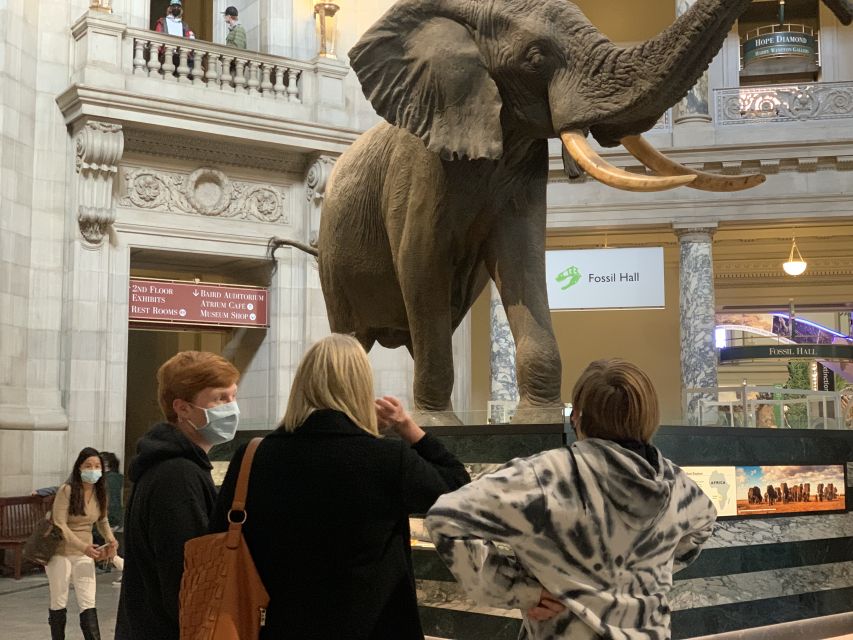
A couple reviews flagged issues that are worth taking seriously before you book. One person said the guide moved a bit quickly and was sometimes hard to hear. Another mentioned less interaction than on previous tours.
So here’s how to plan around that:
- If you’re sensitive to hearing, aim for a spot where you can clearly face the guide.
- If you hate rushing, consider what you want most: a checklist of major highlights or a slower, more interactive museum visit.
- If you’re traveling with kids, remember that many guides are good at keeping children engaged. That said, kids still need breaks, so don’t cram your whole day around this one tour.
The good news is that the same reviews that mention pacing also emphasize that the guides still covered a lot of ground in the two hours.
Who This Tour Suits Best (and Who Might Skip It)
This Smithsonian guided tour is best for you if:
- You only have a couple hours at the museum and want the highlights
- You like museum learning through stories, not just labels
- You want someone to help you choose what to see first
- You’re visiting as a couple or family and want a structured plan
You might skip it if:
- You prefer total freedom and don’t want a timed route
- You want lots of hands-on time across many interactive stations
- You plan to spend the whole day at the museum and want to set your own pace
There’s also a smart hybrid option: do this guided highlight tour, then return on your own for deeper exploration. That’s a great way to get the overview now and the details later.
Should You Book This Smithsonian Natural History Guided Tour?
Book it if you’re aiming for a high-value use of limited time. The museum is enormous, and your ticket isn’t really paying for entry—it’s paying for someone to help you make sense of the exhibits and see the big moments efficiently. If you like learning while you walk, and you appreciate a guide who can point out what you’d otherwise miss, this is a very practical way to experience the Smithsonian National Museum of Natural History.
If you want a slow museum day with lots of interaction, you might feel slightly constrained. In that case, you can still visit the museum for free and explore on your own—but you’ll miss the guided “what matters most” route that people consistently praise.
FAQ
How long is the Smithsonian National History guided tour?
The tour lasts 2 hours.
Where do I meet the guide?
Meet your guide at the bottom of the stairs outside the Smithsonian National Museum of Natural History.
How much does the tour cost?
It costs $75 per person.
Is museum entrance included?
Yes. The tour includes entrance to the museum, and the museum’s general admission is free.
What’s included in the price?
Included are the 2-hour guided tour and museum entrance.
What is not included?
The tour does not include hotel pickup and drop-off and does not include food or drinks.
What language is the live guide?
The live tour guide is English.
Is the tour wheelchair accessible?
Yes, it is wheelchair accessible.
Can I cancel and get a refund?
Yes. There is free cancellation up to 24 hours in advance for a full refund.