
REVIEW · WASHINGTON DC
Washington DC: Arlington Nat. Cemetery Ticket & Tram Tour
Book on GetYourGuide →Operated by Historic Tours of America** - Wash. DC · Bookable on GetYourGuide
Arlington hits fast, even before the first stop. This hop-on tram tour helps you get your bearings in a giant, emotional place, with a smooth non-stop loop and clear on-board narration. I especially like the big three stops that most people come for: the JFK Gravesite, the Tomb of the Unknown Soldier, and Arlington House. One thing to keep in mind: depending on the day and conditions, you may still face some uneven walking and waiting for the next tram.
The cemetery is also bigger and more layered than most first-time visitors expect. This tour’s structure keeps you moving without turning it into a sprint, and it lets you control how long you linger at each highlight. My only caution is simple: guide delivery can vary—some narrators run very fast—so if you’re sensitive to pace, plan to ask yourself whether you’d rather hop off and slow down.
In This Review
- Key points worth clocking before you go
- Entering Arlington the right way: Welcome Center, trolley, and quick rules
- Why this tram tour works: a 45-minute loop in a place that can swallow time
- Stop-by-stop: the highlight sequence and what to watch for
- JFK Gravesite: the emotion hits early
- Coast Guard Memorial and the Arlington Cemetery pass-bys: useful context, quick looks
- Tomb of the Unknown Soldier: where timing becomes part of the show
- Arlington House (Robert E. Lee Memorial): views, scale, and the Civil War-era layers
- Ord & Weitzel Drive and the “overview” effect: how you use the loop later
- Guide quality and narration pace: how to get the most out of on-board storytelling
- Price and value: is $21 really enough time?
- What to bring (and what will slow you down)
- The guard changes: plan your timing like you mean it
- Who this tour is best for (and who should think twice)
- Should you book this Arlington tram tour?
- FAQ
- Where do I meet for the Arlington National Cemetery tram tour?
- How long is the tour and how does hop-on hop-off work?
- What ID do I need to enter Arlington National Cemetery?
- When does the guard change at the Tomb of the Unknown Soldier?
- What should I bring and what is not allowed?
- Is the tour refundable if my plans change?
Key points worth clocking before you go

- 45-minute overview loop: a great way to understand the layout before you decide where to spend extra time.
- Hop-on hop-off flexibility: you can linger at the Tomb and Arlington House, then catch the next tram back.
- Tomb guard schedule matters: the guard changes hourly on the hour (Oct 1–Mar 31), and every half hour (Apr 1–Sep 30).
- ID rules are strict: Arlington requires a 100% ID check with no exceptions for entry.
- Photo-stop format: several stops are quick pass-bys, so bring your patience for short viewing moments.
Entering Arlington the right way: Welcome Center, trolley, and quick rules
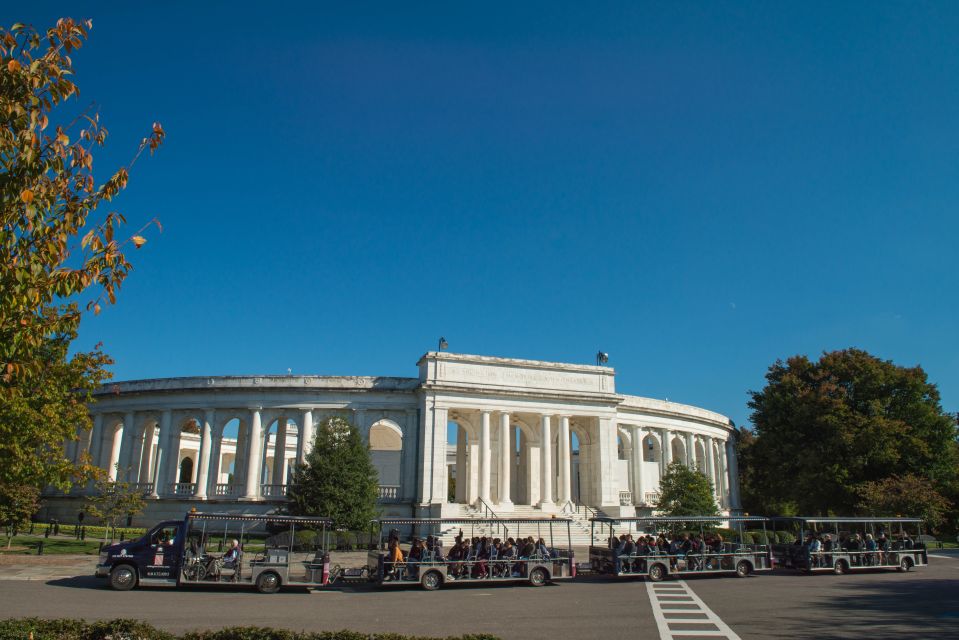
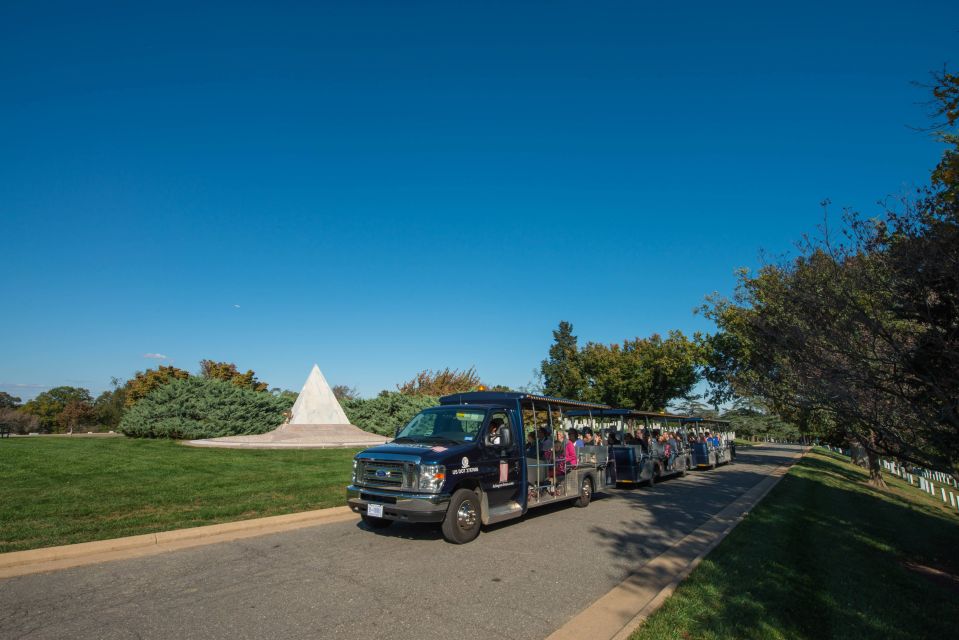
Your day starts at the Arlington National Cemetery Welcome Center, where you look for the blue trolley with a yellow roof. This matters because Arlington isn’t small, and getting into the right spot saves time right away. Plan on security too: your bags go through a metal detector before you enter the grounds.
You’ll also want to take the ID requirement seriously. Arlington National Cemetery requires a 100% ID check with no exceptions. US guests must use a state or government issued picture ID; foreign guests must present a passport. If you’re visiting with a school ID, the only accepted option mentioned is for US visitors aged 16–17 using a valid school ID.
What I like here is that the process is predictable. What I don’t like (just being honest) is that it can feel strict and stressful if you show up with the wrong document or forget something at your lodging. So double-check your wallet and travel documents before you leave.
You can also read our reviews of more tours and experiences in Washington Dc



Why this tram tour works: a 45-minute loop in a place that can swallow time
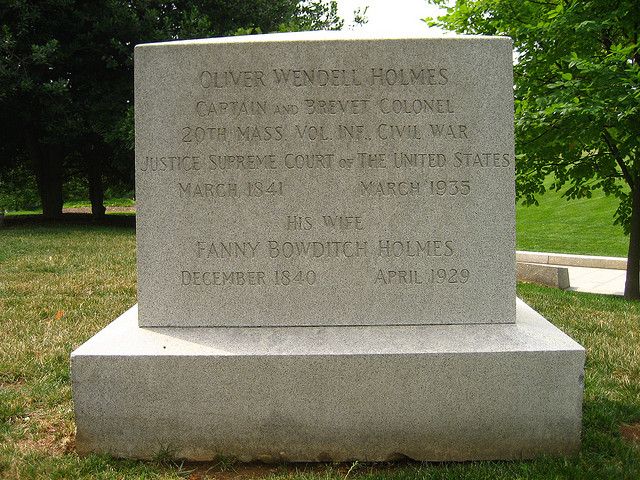
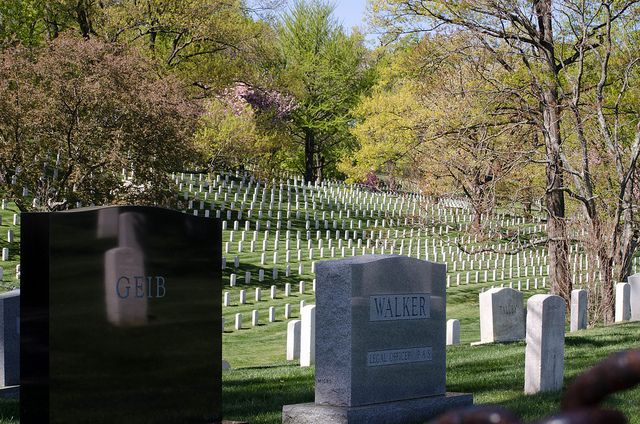
Arlington can take over your whole day if you let it. The cemetery covers more than 600 acres, and it holds the final resting place of over 400,000 active duty service members, veterans, and their families. Add in the emotional weight of each section, and it’s easy to burn hours without realizing it.
This tour is built around a non-stop ~45-minute loop that gives you a high-level map of the highlights. In practice, that means you’re not guessing where the big sites are. You get a guided orientation first, then you can decide where you want to slow down and look longer.
The hop-on hop-off format also helps your feet. Reviews highlight that this is a smarter move than trying to power-walk all hills and long distances. People who need to limit walking (including those who mention scooter support) often appreciate the ability to get from one key moment to the next without turning it into a cardio test.
The one drawback to expect: several stops are designed as photo stops or pass-bys. That’s not a flaw; it’s the trade-off that makes the loop work. If you want long, quiet time at every single site, you’ll likely want to hop off and take your time at only your top priorities.
Stop-by-stop: the highlight sequence and what to watch for
This tour strings together a set of unforgettable stops, starting from the Welcome Center and moving through the core areas most visitors want to see.
JFK Gravesite: the emotion hits early
Your first major highlight is the JFK Gravesite, with a photo stop and a pass-by element. This is one of the moments where timing and pacing matter. People note there can be an uphill stretch, and if you’re not used to walking on uneven ground, you’ll feel it more than you might expect.
My practical advice: if JFK is your must-see, don’t treat the stop like a quick photo and move on. Even a short visit here can change the tone of your whole day. If you’re sensitive to walking distance, this is the spot where planning your effort pays off.
Coast Guard Memorial and the Arlington Cemetery pass-bys: useful context, quick looks
Next come the Coast Guard Memorial and an Arlington National Cemetery photo stop/pass-by section. These parts can feel brief, but they do two things well:
1) They add context beyond the headline names.
2) They help you understand how different honors sit within the larger cemetery layout.
If you like structure, these quick stops act like signposts. If you hate rushed moments, just know you’ll likely want to pause longer only at the stops that matter most to you.






Tomb of the Unknown Soldier: where timing becomes part of the show
The Tomb of the Unknown Soldier is the emotional centerpiece for a lot of visitors. You’ll get a pass-by and photo stop around this area, but the bigger point is the guard schedule. The guard changes:
- every hour, on the hour from October 1 to March 31
- every half hour from April 1 to September 30
That means if you time it wrong, you might miss the moment. The good news: with the hop-on hop-off flow, you can often wait for the next tram cycle if your schedule allows.
Also, keep your expectations grounded. This is not a museum stop where you take your time reading everything. It’s a solemn, controlled ritual. Approach it like you would a ceremony: quieter, slower, and ready to stand for a bit.
Arlington House (Robert E. Lee Memorial): views, scale, and the Civil War-era layers
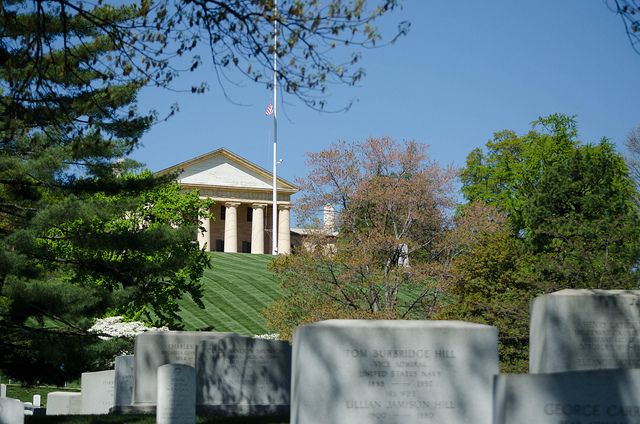
Arlington House, the Robert E. Lee Memorial, is where the landscape starts to tell a bigger story than the names and dates. The property has a deep backstory: it was once the estate of George Washington’s adopted son, George Washington Parke Custis. Later, the grounds became part of the Custis family home and were associated with Mary Anna Randolph Custis and her husband Robert E. Lee.
That history matters here because Arlington wasn’t created overnight as a cemetery. During the Civil War era, the grounds served multiple roles, including as a camp and headquarters for Federal Troops. After abolition, it also became a safe haven for enslaved people transitioning to freedom. In other words, the “cemetery only” story doesn’t explain the whole site.
This tour’s Arlington House stop is set up as another photo stop/pass-by moment. If you want a longer look, you’ll need to hop off and spend more time. My advice: if you care about views of Washington, this is often where you’ll start appreciating the sheer scale. You can also connect the history with what you see around you—buildings, roads, and the way the grounds open up.
Ord & Weitzel Drive and the “overview” effect: how you use the loop later
After Arlington House, the route heads along Ord & Weitzel Drive, another pass-by/photo area, before bringing you back toward the Welcome Center.
This part of the tour is surprisingly useful because it completes the overview loop. Once you’ve seen JFK, the Tomb, and Arlington House, the roads and sightlines start making sense. That helps you if you decide to stay on-site longer on your own afterward—or if you’re simply trying to understand where everything sits in relation to everything else.
One small practical note: road closures happen. Some people describe days with route changes that can affect timing and waiting. If your schedule is tight, build in extra buffer.
Guide quality and narration pace: how to get the most out of on-board storytelling
The tour runs in English and includes on-board narration, which is a big part of the value. Still, narration speed can vary. Some people mention certain guides spoke too fast, especially when English was not their first language. Others praise guides for sharing meaningful context and even personal-style details that made the site feel human.
The names that show up in comments include guide standouts like Ann, Doc, Dave, Tyrone, Chris, and drivers such as Carl. Even if you don’t know who you’ll get that day, you can use this as a planning cue: good narration can turn a short stop into a memory you carry for weeks.
My tip: if the pace feels rushed, hop off during a less critical pass-by and slow down. The hop-on format is there for a reason. Also, bring a notepad mindset—even if you don’t write anything down, treat the narration like a map. The more you follow the relationships between the sites, the more meaningful the “overview loop” becomes.
Price and value: is $21 really enough time?
At $21 per person, this tour is easy to justify if you want the highlights without grinding through hills all day. The key is time efficiency. You’re getting:
- a guided ~45-minute loop
- narration
- access to the major headline locations (with several pass-by and photo-stop moments)
- hop-on hop-off flexibility across 7 stops
For many visitors, the “value” isn’t just the sights—it’s the reduction in decision fatigue. When you arrive at Arlington, you’re faced with hundreds of thousands of graves and multiple areas. This tour gives you a guided starting point and helps you avoid wandering into the wrong zone for your priorities.
Could it feel short if you want long, lingering reading? Yes. Several people note they wish they had more time at each stop. The flip side is that the loop is designed to fit real schedules. If you want a quick, meaningful orientation with the option to stay longer at your favorites, this price-to-time ratio works.
What to bring (and what will slow you down)
Here’s what to bring, based on the requirements:
- Passport or ID card
- Plan for metal detector screening for bags
And what not to bring:
- Pets (service animals only)
- No smoking
- No luggage or large bags
- No alcohol or drugs
Two practical habits that reduce friction:
- Wear shoes you can stand in. Arlington surfaces and slopes can be unforgiving even when you’re not walking far.
- If you’re traveling with only a small bag, you’ll usually save time. Big bags get complicated fast.
Some visitors also shared a check-in shortcut for e-tickets—going directly to the outdoor podium area with a blue umbrella instead of lingering in lines. That’s not a guarantee every day, but it’s a smart “if it’s available, use it” idea.
The guard changes: plan your timing like you mean it
The guard change is one of the main reasons people treat this stop as more than a photo stop. Since the schedule depends on the season (hourly vs every half hour), your best move is to avoid arriving with zero time margin.
If you land in the wrong window, don’t panic. Use the hop-on hop-off approach. Wait for the next tram rather than rushing and losing your chance to see it properly.
Who this tour is best for (and who should think twice)
This is a strong fit for you if:
- you want the major highlights without planning a complicated self-guided route
- you’re short on time but still want the heavy hitters: JFK, the Tomb, Arlington House
- you prefer a guided narrative to help the scale and history make sense quickly
This might be less ideal if:
- you want long stays at every single area
- you’re hoping for a slow, museum-style experience at each stop
- you have very limited mobility and cannot handle any standing or uneven ground at all (the tram helps, but the stop zones still require some movement)
Should you book this Arlington tram tour?
If you’re trying to see Arlington in a way that’s respectful, efficient, and not physically exhausting, I’d book it. $21 is a fair price for a guided orientation that hits the big moments and gives you control through hop-on hop-off timing.
My decision rule for you: if you care about seeing JFK Gravesite, the Tomb of the Unknown Soldier, and Arlington House, and you want a manageable 45-minute loop with the chance to linger, this is a smart use of time. If your plan is to spend the whole day reading every marker, you might still want it—but treat it as your first step, not your entire visit.
FAQ
Where do I meet for the Arlington National Cemetery tram tour?
Meet at Arlington National Cemetery Welcome Center. Look for the blue trolley with a yellow roof.
How long is the tour and how does hop-on hop-off work?
The tour is approximately 45 minutes and includes 7 stops with a hop-on hop-off style. You can get off at stops and catch the next tram when it comes by.
What ID do I need to enter Arlington National Cemetery?
Arlington requires a 100% ID check with no exceptions. US guests must show a state or government issued picture ID (US visitors 16 and 17 may use a valid school ID). Foreign guests must show a passport.
When does the guard change at the Tomb of the Unknown Soldier?
The guard changes hourly on the hour from October 1 to March 31, and every half hour from April 1 to September 30.
What should I bring and what is not allowed?
Bring passport or ID. Not allowed include pets, smoking, luggage or large bags, and alcohol or drugs. Only service animals (such as seeing-eye dogs) are allowed on board the trolleys.
Is the tour refundable if my plans change?
Yes. The activity offers free cancellation up to 24 hours in advance for a full refund.