REVIEW · WASHINGTON DC
DC: Capitol Hill and Library of Congress Tour with Tickets
Book on GetYourGuide →Operated by Visit DC Tours · Bookable on GetYourGuide
Capitol Hill feels like a living textbook. On this guided Capitol Hill and Library of Congress tour, you get the big picture of how the legislative and judicial branches connect, and you’ll see the stunning Library of Congress Main Hall and Reading Room up close. I also love the included US Capitol entry with a docent-led interior add-on, because it turns a great photo stop into real context. One thing to plan for: you’ll wait through federal security lines and there are stairs along the way.
If your timing is tight in DC, this is one of the smartest ways to pack in the icons without doing it all solo. The tour I’d chase is the one led by top guides like Ingeborg, Trevor, Katherine, or Brooke—because the best versions don’t just point; they explain how the buildings reflect the system. Just note that while you’ll get a full understanding of the Supreme Court, the tour does not enter the halls of justice.
In This Review
- Key highlights worth planning around
- The value: one ticket that ties together DC’s power buildings
- Where the tour starts on Constitution Ave
- The Library of Congress: where architecture meets the nation’s memory
- “Treasures” and the rotating nature of what you’ll see
- Real artifacts you can’t fake
- Thomas Jefferson Library stop: quick photo time with context
- US Capitol exterior and the Burning of Washington story
- Get your best angle before you get pulled inside
- Supreme Court: you understand it even without courtroom access
- Capitol Visitor Center: the Freedom model and photo-friendly final stop
- The included docent-led Red Coat US Capitol interior: what you’ll actually do
- Guide quality is the difference-maker here
- Timing, security, and your best strategy
- Who this tour is for (and who should look elsewhere)
- Should you book it?
- FAQ
- How long is the Capitol Hill and Library of Congress tour?
- What’s included with the US Capitol entry?
- Does the tour enter the Supreme Court halls of justice?
- What can I see inside the Library of Congress?
- What famous items are highlighted at the Library of Congress?
- Where do I meet the guide?
- Is the tour suitable for wheelchair users?
Key highlights worth planning around
- Supreme Court context without the courtroom entry, so you still understand what happens there
- Library of Congress access to Main Hall and Reading Room, plus the chance to see the newest exhibit area labeled Treasures
- Capitol photo strategy, with a guide-led moment to grab the full building before the final Visitor Center stop
- Docent-led Red Coat US Capitol interior time included after the walking tour (separate docent)
- Big-ticket artifacts like an original Gutenberg Bible and handwritten Gettysburg Address draft
- Guide power for “smooth transitions,” including fixing ticket timing when schedules get weird
The value: one ticket that ties together DC’s power buildings
At $75 per person for about 3 hours, this tour isn’t just about “seeing landmarks.” It’s about connecting the dots between institutions that visitors often treat like separate stops: the US Capitol (legislative), the Supreme Court (judicial), and the Library of Congress (national knowledge hub).
You’re paying for two things that are hard to replicate on your own. First, you get a guided route that keeps you oriented and moving through the complex logically—so the time doesn’t dissolve into wandering. Second, you’re buying into reserved access and guided entry where it matters, including the Library of Congress and US Capitol entry with docent-led interior time after.
If you’re the kind of traveler who likes to understand what you’re looking at, this kind of structured tour tends to feel worth it quickly. If you only want quick photos and don’t care about how government works, you may find it more structured than you’d like.
You can also read our reviews of more tours and experiences in Washington Dc



Where the tour starts on Constitution Ave
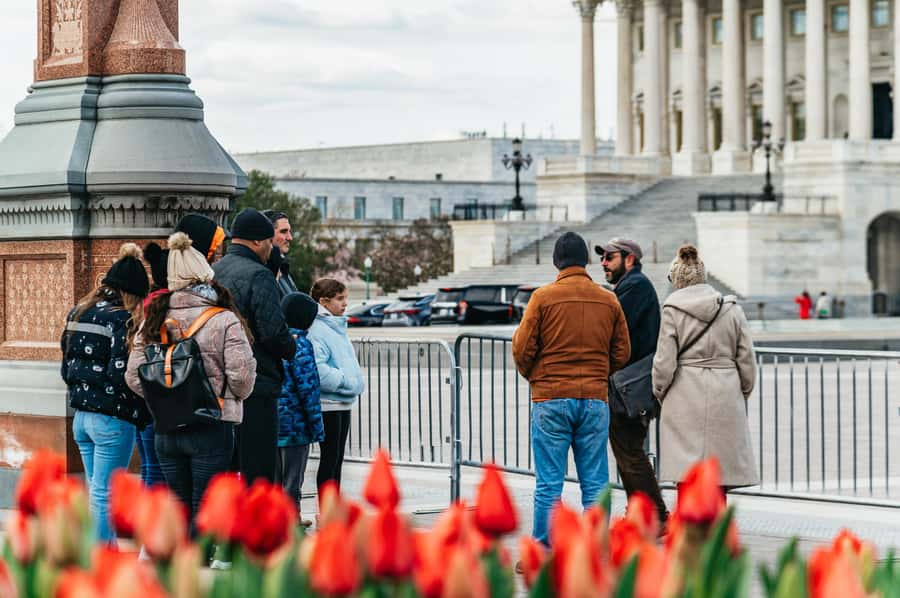
The meeting point is at the corner of 1st St NE and Constitution Ave NE, outside the Reserve Officers Association building—on the sidewalk. It’s a private building, so you don’t go in. Apple Maps may send you half a block away, but Google Maps is typically accurate.
The day before, you’ll be texted tour guide info. If that message doesn’t arrive, it often means the provided number won’t work—so you’ll want to contact the provider directly for the correct guide details.
Plan to arrive early. Once the tour starts, communication with late guests isn’t handled after a short window (about 15 minutes), and late arrivals won’t be accommodated. It’s one of those federal-space realities: timing matters.
The Library of Congress: where architecture meets the nation’s memory
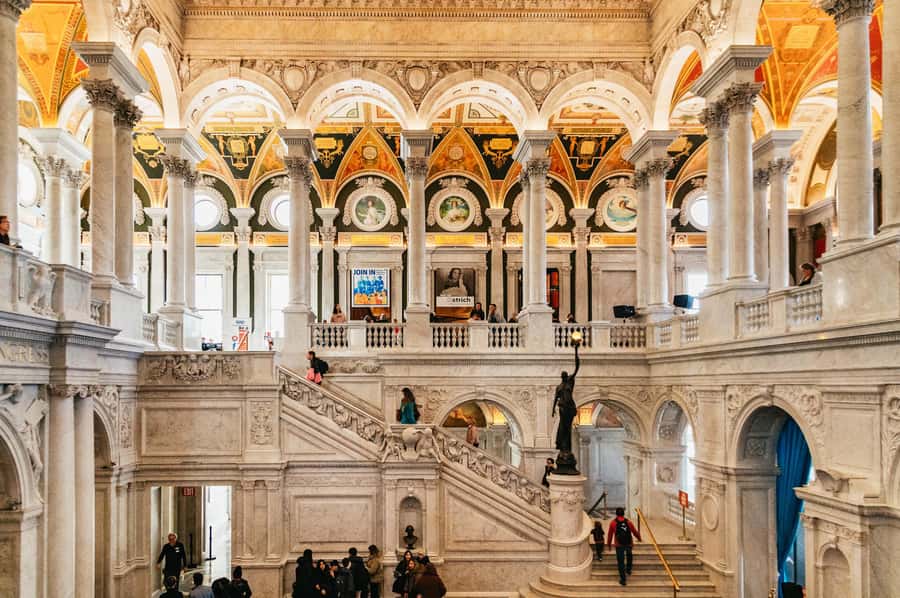
The Library of Congress stop is the heart of the experience for many people, and it’s easy to see why. You’re not just viewing a building—you’re getting guided access to the Main Hall and the Reading Room, with enough structure that you know where to look and why it matters.
Main Hall and Reading Room give you that classic “wow” moment: grand scale, ornate details, and the sense that this place was designed to be more than storage. The tour also points you toward exhibits and collections you might miss if you just showed up on your own.
“Treasures” and the rotating nature of what you’ll see
You’ll have some time to explore the newest exhibit area labeled Treasures. Also, the Library’s displays can rotate—so the exact featured items may shift over time. In practice, that means your guide’s context becomes even more valuable, since they can explain what you’re seeing in the moment and what the display represents.
Real artifacts you can’t fake
This tour highlights specific, high-profile items inside the Library’s collections. Among the most memorable are:
- An original Gutenberg Bible
- Thomas Jefferson’s literary pursuits, including his original library collection
- A draft of the Gettysburg Address handwritten by Abraham Lincoln
- Original handwritten lyrics for The Sound of Music
- Maya Lin’s original drawings for the Vietnam Veterans Memorial
- Artwork by Stan Lee and Steven Ditko for the Spider-Man comic
- President James Madison’s crystal flute—the one that Lizzo got to play
Even if you’re not a museum person, seeing these names and objects in a single place changes how you think about the Library of Congress. It’s not just books—it’s national storytelling in paper, art, and handwriting.






Thomas Jefferson Library stop: quick photo time with context
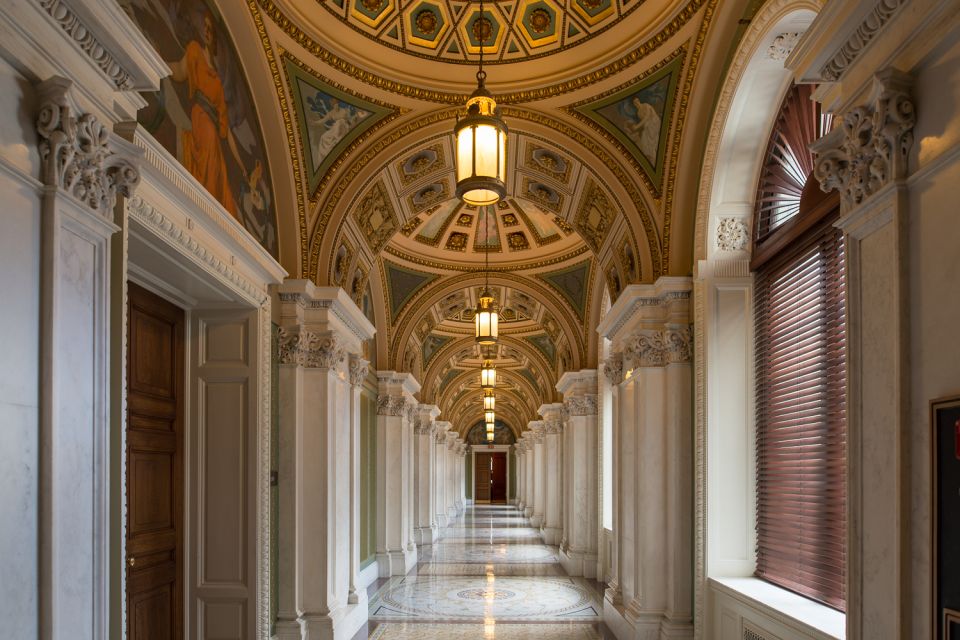
Between Library of Congress areas, there’s a stop at the Thomas Jefferson Library of Congress Building that includes a photo moment plus time to visit. This is one of the quieter segments, but it matters because it breaks up the flow and gives your eyes time to reset after the indoor “big wow.”
This is also where your guide’s narrative can connect Jefferson to the idea of national collecting—how individuals shaped the country’s intellectual identity, not just its laws.
US Capitol exterior and the Burning of Washington story
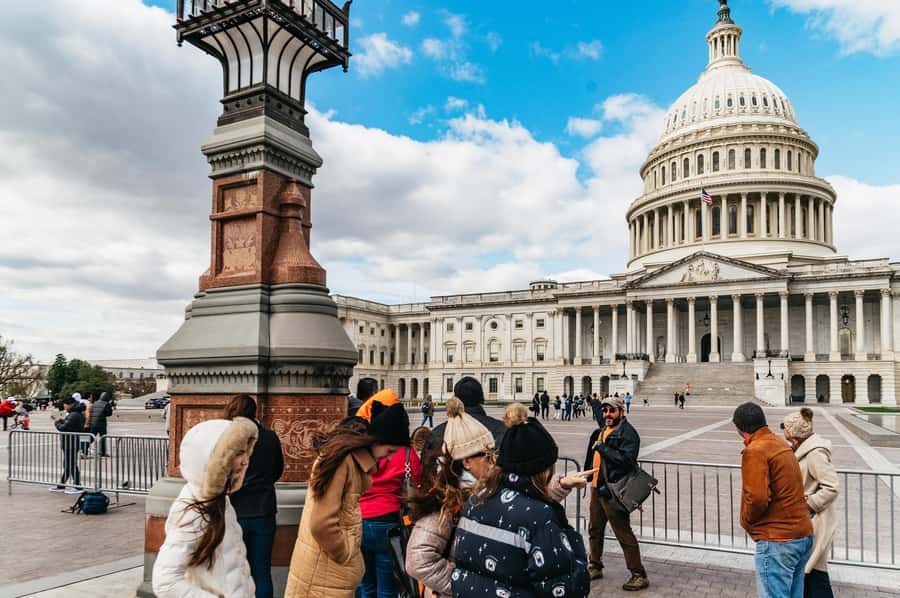
The US Capitol is the place where many visitors take their photos and then move on. Here, you’re doing it in the right order: you’re taught what to look for on the outside, including the neoclassical design cues and the survival stories tied to the building.
A key theme: what survived the Burning of Washington. Your guide also explains the Statue of Freedom and how it was placed at the top of the dome during the American Civil War. Hearing the story while you’re standing there changes the building’s tone from “pretty” into “historical evidence.”
Get your best angle before you get pulled inside
There’s a planned moment to get a full-building photo before the tour continues to the US Capitol Visitor Center. If photography matters to you, don’t treat this like a casual break. The Capitol is a complicated shape, and your guide is effectively helping you set up the shot before angles close off with the next security and entry steps.
Supreme Court: you understand it even without courtroom access

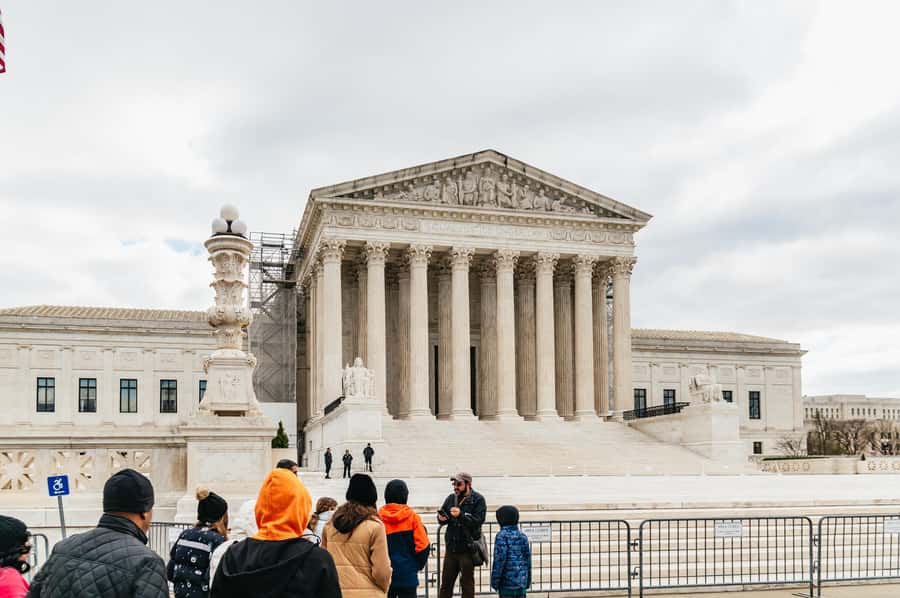
The Supreme Court stop is impressive, but you should go in with the right expectations. The tour is designed to give you a strong understanding of how the Supreme Court works, but it does not enter the halls of justice.
What you do get is the explanation that connects the institution to the system you see in the Capitol. And you’ll get the kind of architectural and art-focused look that helps the building feel less abstract.
If you’re hoping for courtroom visuals, this may feel like a letdown. But if you want to understand what the Supreme Court actually does—how it functions, why it matters, and how it sits alongside the legislative branch—you’ll likely feel satisfied. One review note I agree with: some of the commentary can be more interesting than the lack of inside space, so the overall “learning per minute” can still land well.
Capitol Visitor Center: the Freedom model and photo-friendly final stop
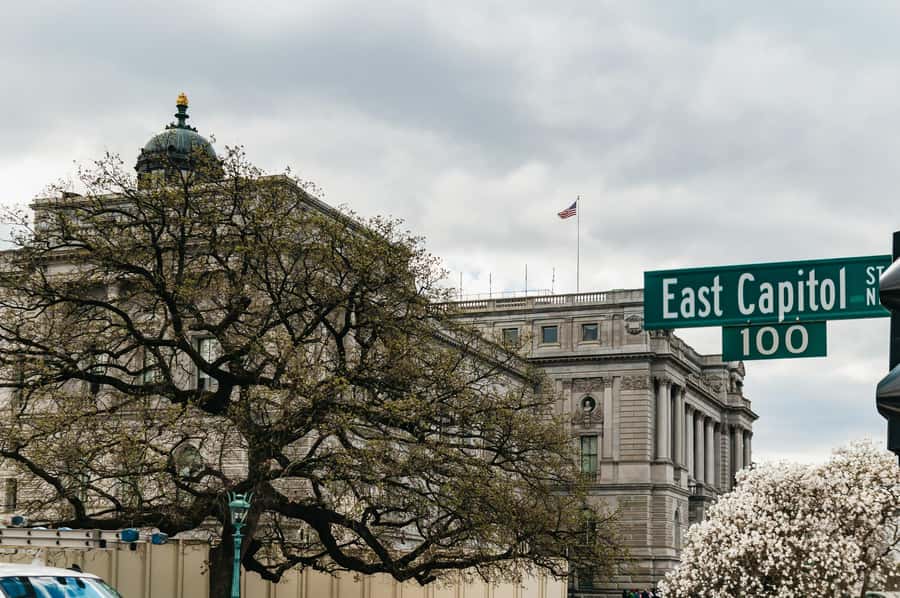
Near the end of the walking portion, the tour reaches the US Capitol Visitor Center. This stop gives you a few things at once:
- More photo opportunities
- A guided component in the Visitor Center
- A focused look at key objects tied to the Capitol’s symbolism
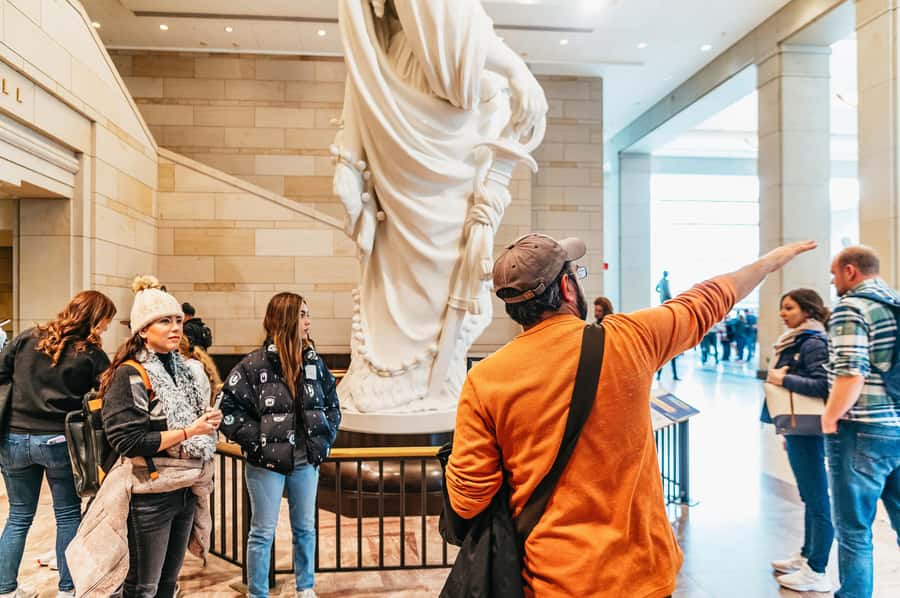
One highlight is the original plaster model of Freedom, shown alongside select statues from the National Statuary Collection. It’s a helpful way to understand the dome and statue symbolism as physical design, not just a distant point on the skyline.
This is also where you’ll transition into the separate docent-led interior experience.
The included docent-led Red Coat US Capitol interior: what you’ll actually do
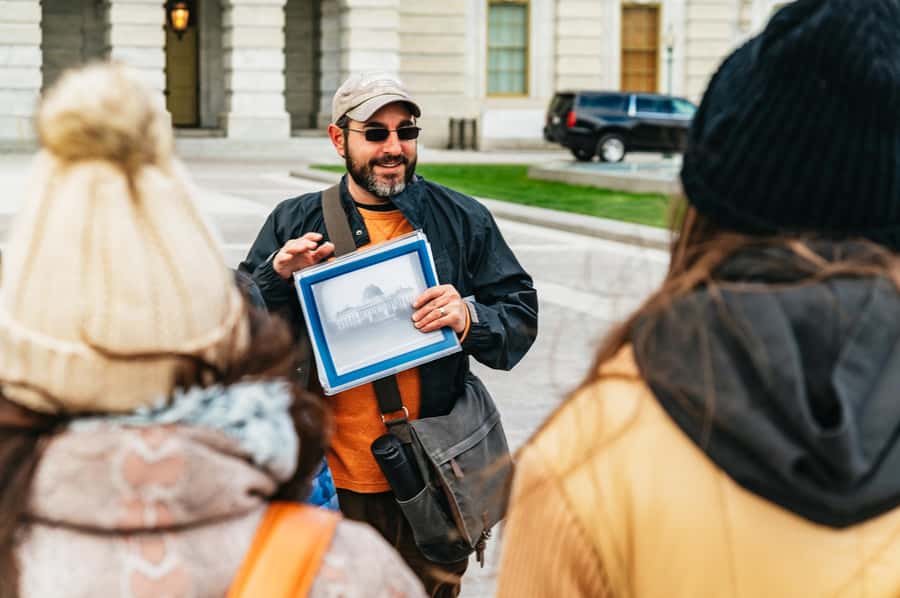
After the walking tour segment ends at the Visitor Center area (roughly 2.5 hours after the start), you receive entry/tickets for the docent-led Capitol interior tour. That interior add-on is handled by a separate docent, and it typically takes about 45–50 minutes.
This is the part that turns your tour from sightseeing into inside-the-process experience. You’re set up to see:
- The Crypt
- The Rotunda
- The Old House
So even though you’ll spend most of the time outdoors or in the Library, the interior time gives you a tangible sense of what “government spaces” feel like.
One practical heads-up: the interior focus is on those major public spaces, so you may not see every room you might imagine, like meeting rooms.
Guide quality is the difference-maker here
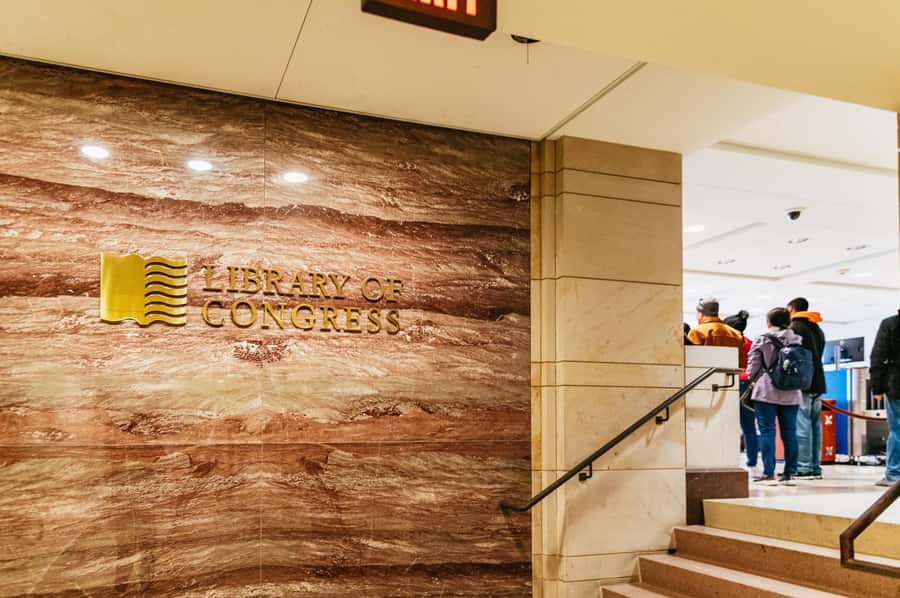
A lot of DC tours tell you where to stand. The best versions also tell you what it means and keep the energy moving.
Ingeborg, Trevor, Katherine, Brooke, and Eli are names that pop up for a reason: they tend to combine clear explanations with an efficient pace, which matters when you’re dealing with security lines and timed entry. Guides like Katherine are also the kind of problem-solvers who handle the real world—when schedules change, they work to protect your ticket experience.
Also, guides often bring extra value through details, like pointing out specific displays in the Library (for example, the Gettysburg Address display being rotated out in favor of Lincoln’s Inauguration Speech). That kind of live interpretation helps you get more meaning from what’s actually on the walls that day.
Timing, security, and your best strategy
This tour includes stairs and requires passing through security to enter federal buildings. Even though you may not need to show ID for the tour itself, federal security is strict about what you can bring. You should expect:
- Waiting in line to get through security
- A ban on items like weapons or sharp objects
- No food and drinks
- No sprays or aerosols
- Strict restrictions on liquids, food, sharp objects, or suitcases when entering federal buildings
So my advice is simple: pack light. If you want coffee or snacks, plan for it around the tour outside the buildings. Wear shoes you’re comfortable walking in, and accept that stairs are part of the experience.
The total experience time can grow if you choose the Capitol interior add-on. If you do both the walking tour and the docent-led Capitol tour, expect about 3.5 hours total.
Who this tour is for (and who should look elsewhere)
This is a strong fit for:
- First-time DC visitors who want a guided, coherent understanding of government buildings
- People who care about stories behind architecture, not just photos
- Families and mixed-age groups (the pacing and guide structure can keep kids engaged)
- Travelers who want reserved access to the Library and a guided Capitol interior experience
It’s less ideal if:
- You’re wheelchair-dependent (the tour is not suitable for wheelchair users and includes stairs)
- You only want the Supreme Court interior (the tour does not enter the halls of justice)
- You dislike timed, security-based entry logistics
Should you book it?
Yes—if you want value in the form of context, this is one of the better uses of a half-day in Washington DC. For $75, you’re not just buying a route; you’re getting reserved access to major institutions plus docent-led interior time in the US Capitol. The guide makes a real difference, and the Library of Congress portion alone is often worth the planning.
Book it especially if you like tours that explain how the system works while you stand in front of the real artifacts and spaces. Just go in with the expectations set: Supreme Court halls of justice aren’t part of this, and you’ll earn your access the hard way—through security lines and a bit of walking.
FAQ
How long is the Capitol Hill and Library of Congress tour?
The walking tour is listed at about 3 hours. The US Capitol docent-led interior tour afterward adds about 45–50 minutes if you choose to do both.
What’s included with the US Capitol entry?
You receive an entry ticket to the US Capitol, plus a docent-led interior tour. It’s a separate docent from your walking tour guide, and it covers the Crypt, Rotunda, and Old House.
Does the tour enter the Supreme Court halls of justice?
No. The tour does not enter the halls of justice, but you’ll learn how the judicial branch works.
What can I see inside the Library of Congress?
You’ll have reserved entry and a guided tour through the Main Hall and Reading Room, plus time to explore the newest exhibit area labeled Treasures.
What famous items are highlighted at the Library of Congress?
The tour specifically mentions an original Gutenberg Bible, Jefferson-related collections, a handwritten Gettysburg Address draft, The Sound of Music lyrics, Maya Lin drawings for the Vietnam Veterans Memorial, Spider-Man comic art by Stan Lee and Steven Ditko, and Madison’s crystal flute.
Where do I meet the guide?
Meet at the corner of 1st St NE and Constitution Ave NE, on the sidewalk outside the Reserve Officers Association building (do not enter). Google Maps is accurate.
Is the tour suitable for wheelchair users?
No. It is not suitable for wheelchair users, and the tour includes some stairs.