
REVIEW · WASHINGTON DC
Washington DC Monuments self-guided walking tour & scavenger hunt
Book on Viator →Operated by Tourist Scavenger Hunt · Bookable on Viator
DC monuments are easier to enjoy when you’re on a mission. This self-guided walking tour and scavenger hunt turns the west side of the National Mall into a phone-based puzzle route, with 20+ challenges and a handful of film-location moments to look for as you go. You get history and architecture along the way, but in a format that feels more like play than a lecture.
I especially like that the route covers the big emotional stops—Lincoln and the major war memorials—without forcing you into a rigid group schedule. I also like the value: it’s $44.85 per group (up to 6), so you’re not paying per person for the “guided” part. One thing to consider: the game lives on your phone, and you need a working internet connection. If you hate reading prompts on-screen or want lots of back-and-forth human interaction, this may feel more like quiet self-study than a traditional tour.
In This Review
- Key highlights you’ll actually use
- How this self-guided monument hunt works (and what it rewards)
- Price and walking pace: $44.85 for up to 6
- Start at the Ellipse Visitor Pavilion: your navigation anchor
- Ellipse to the White House area: opening clues and big landmarks
- War memorial stretch: Vietnam to the Korean War (where the clues get real)
- From Lincoln and Jefferson to the World War II Memorial and Washington Monument
- The movie-location bonus: why it’s more fun than it sounds
- Phone-only learning: the best strategy for different groups
- When to go: timing that matches the experience
- Who should book this monuments scavenger hunt
- Should you book this Washington DC monuments game?
- FAQ
- How long is the Washington DC monuments self-guided walking tour and scavenger hunt?
- How much does it cost?
- Where does the tour start and end?
- Does this experience require Wi-Fi?
- What is included in the scavenger hunt?
- Is the activity offered in English?
Key highlights you’ll actually use

- Phone scavenger hunt on your schedule: pause, speed up, or regroup without anyone herding you.
- West National Mall focus: Ellipse down to the White House area, then on through major memorials to the Washington Monument.
- 20+ challenges: you’ll keep your eyes moving instead of drifting through monumental “more of the same.”
- Movie-location moments: you’ll spot four film sites connected to popular movies.
- Built for groups and families: it’s designed for adventurous travelers, families, and groups up to six.
How this self-guided monument hunt works (and what it rewards)
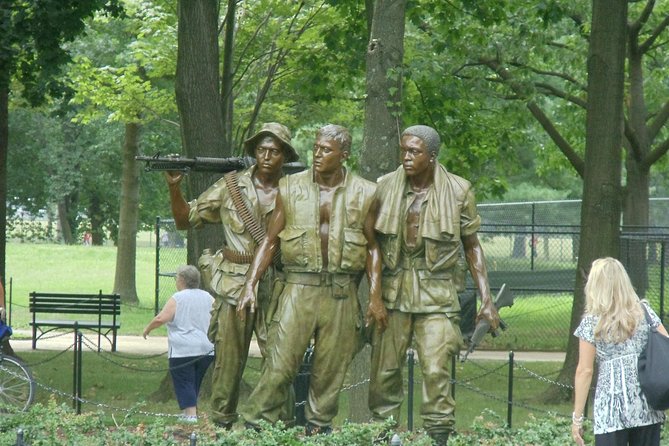
This is not a live guide walking backward while talking fast. Instead, you start at the Ellipse Visitor Pavilion and follow a set walking path along the west National Mall. At each stop, the experience prompts you to solve challenges using your mobile phone, turning sightseeing into problem-solving.
That structure changes the way you look. Monuments can blur together when you’re just reading placards. With a scavenger hunt, you’re paying attention on purpose: you slow down for clues, you look for specific details, and you end up noticing stuff you’d otherwise zip past. The payoff is that you leave with a stronger mental map of DC’s layout—where everything is in relation to each other—because you physically walked the connections.
The other practical advantage is flexibility. This activity is private, meaning only your group participates. So you can go at a pace that fits your crew, whether that means slower stops for kids, a steady march for adults, or a split-and-conquer approach (one person checks the clue while others scout the angles).
You can also read our reviews of more walking tours in Washington DC



Price and walking pace: $44.85 for up to 6
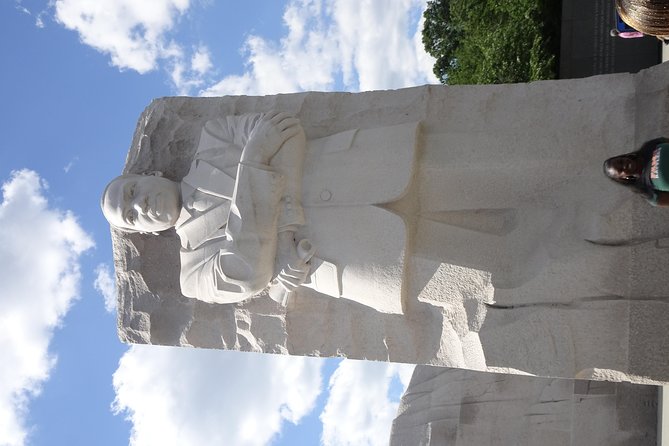
At $44.85 per group (up to 6), the pricing is mostly about sharing the cost. If you fill the group size, the per-person cost becomes low enough that you can treat it like a low-stress way to add structure to a big sightseeing day.
Duration is about 3 hours, which is long enough to feel like you accomplished something, but short enough that you’re not committing your whole day. The catch is distance and foot comfort. You’ll be walking a good chunk of the National Mall west corridor, plus you’ll naturally add steps while searching for clues. Comfortable shoes matter here more than usual.
If you’re comparing this to a classic guided tour, think of it like this: you’re trading a live narrator for interactive guidance through your phone. Some people prefer hearing someone explain everything. Others prefer learning by looking. This format leans toward the second group.
Start at the Ellipse Visitor Pavilion: your navigation anchor
Your walk starts at the Ellipse Visitor Pavilion, at 15th and E St NW, Washington, DC 20500. Ending is simple: the activity ends back at the meeting point. That round-trip setup helps you plan a transit-friendly day because you’re not stuck with a random drop-off location.
Before you begin, plan for one key requirement: internet access is required to complete the activity. The hunt uses your mobile phone, so you’ll want data coverage or a reliable way to get online. The tour itself doesn’t include Wi-Fi, so don’t assume you’ll coast through on spotty signals.
Also, you’ll want to charge your phone. Not because the tour is high-tech wizardry, but because a scavenger hunt is the kind of thing that makes you pull your phone out repeatedly. If your battery drops fast in daylight walking, bring a backup battery.
Ellipse to the White House area: opening clues and big landmarks
The first stretch takes you from the Ellipse and then through the White House area. This is where you’ll get oriented fast and solve your first challenge in the most central-feeling part of the route.
Why this works well: the Ellipse area is visually open, which makes clues easier to read and find. It also helps you build a sense of scale right away, before the route starts threading through memorials and museums.
You’ll then move through additional stops that add variety beyond the postcard icons:
- Constitution Hall
- Art Museum of the Americas
- Constitution Gardens
This segment is a nice palate cleanser between major “must-see” landmarks. It’s also a good place for groups to settle into the rhythm of the hunt—your phone becomes the guide, and you start scanning instead of strolling.
A practical tip: if your group likes photos, this is where you’ll want to grab them early. Later on, you’ll be busy with the hunt prompts and war memorial spacing, and you’ll likely focus less on posing and more on finding the right answers.
War memorial stretch: Vietnam to the Korean War (where the clues get real)
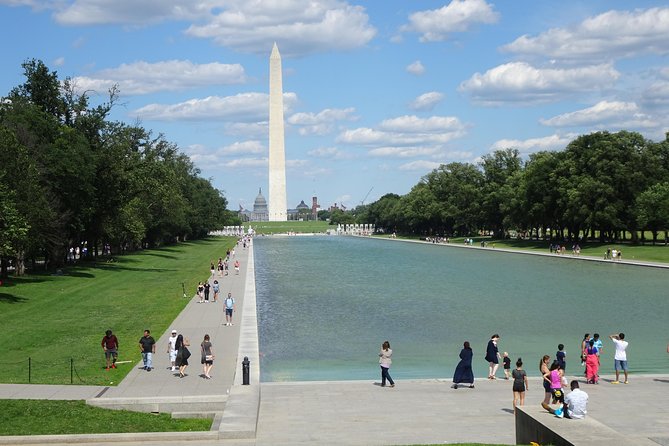
After the Constitution area, the route leans into memorials with strong historical weight. You’ll reach:
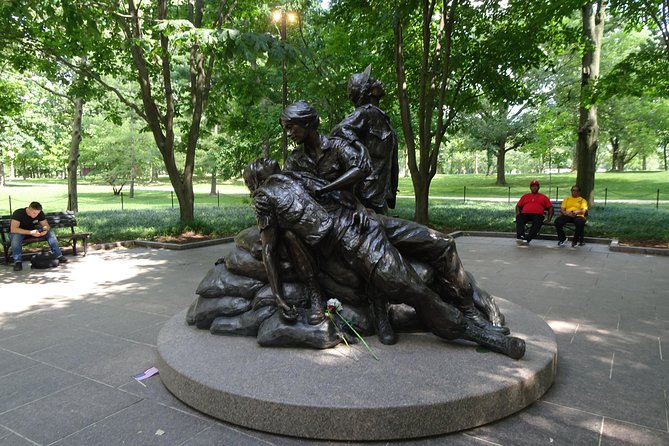
- Vietnam Women’s Memorial
- Vietnam Veterans Memorial
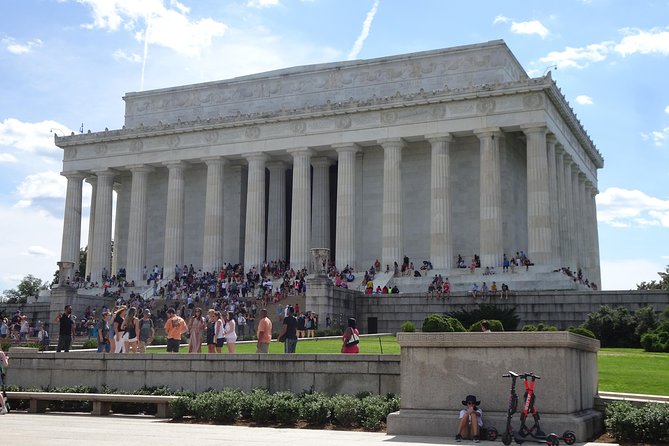
- Lincoln Memorial
- Korean War Veterans Memorial
- Jefferson Memorial
- National World War II Memorial
This is the part of the walk where the scavenger hunt format really earns its keep. Memorials can feel heavy and separate when you’re simply passing through. With challenges driving you to look closely, you engage with each stop instead of treating them like background scenery.
That said, there’s one real consideration: the clues can be challenging. Some people report that the questions require more effort than expected, and at least one group found the experience less engaging after a few early clues. If you’re traveling with kids, or if your group includes people who want lighter, quicker answers, set expectations before you start. Make it a team job, not a solo quiz.
Also, keep an eye on the scoring. A few groups reported glitches where correct answers showed as wrong. It didn’t derail the experience for everyone, but it’s worth knowing so you don’t feel personally attacked by a phone screen. When this happens, slow down and double-check what the clue is asking for before you move on.
You can also read our reviews of more guided tours in Washington DC






From Lincoln and Jefferson to the World War II Memorial and Washington Monument

The second half of the route keeps escalating the emotional and visual stakes. The hunt carries you through the Lincoln Memorial area, then over to the Korean War Veterans Memorial, and into the Jefferson Memorial. After that, the National World War II Memorial brings the walk to another major scale moment, before you finish at the Washington Monument.
Ending at the Washington Monument is a satisfying choice. It’s a high-energy finish, and it gives your group a clear final target instead of drifting into a “we saw some memorials” kind of conclusion. The walking also forms a natural arc: you begin with orientation and landmark framing, then transition into focused stops, and finish with a landmark you can point to and say, we did it.
If you’re the kind of traveler who likes seeing the city’s layout, this ending helps your brain. You walk the west National Mall axis and end on the monument that anchors the skyline.
The movie-location bonus: why it’s more fun than it sounds
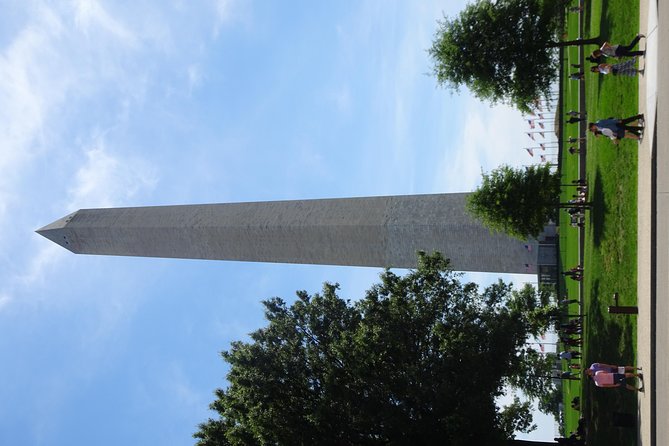
This hunt includes four film locations tied to popular movies. You’re not just touring monuments; you’re also hunting for moments that show up in film scenes.
Even if you don’t care about movie trivia, this feature is useful because it changes your attention again. You might find yourself looking at angles and framing—basically the way a filmmaker would—rather than just reading facts off a sign. That’s a smart way to make the walk feel different from a standard sightseeing day.
It’s also a great “group voice” feature. If one person in your crew loves movies, they’ll light up. If nobody cares, you still get the built-in incentive to keep moving and solving clues.
Phone-only learning: the best strategy for different groups
This is an education experience, but it’s delivered through your phone. That’s a deal-breaker for some people, not because the information is bad, but because the interaction style is different than a guide-led tour.
Here’s how to make it work for you:
- If you like structure: take the hunt seriously and treat clues as mini research missions.
- If you like chatting: use the clues as conversation starters instead of letting everyone stare at the screen alone.
- If you’re with kids: assign roles like clue reader and lookout, and keep moving even if a question is tricky.
One more thought: if you dislike reading on screens while walking, you may feel like you’re constantly squinting. A compromise is to solve quickly when you can, and then step aside for a longer look at a monument or museum area. Keep the hunt moving so you don’t lose momentum.
When to go: timing that matches the experience
The activity runs daily from early morning into the evening (hours vary by date range), which means you can choose a time that suits your walking comfort. If you’re planning around weather, the experience can be a better fit when the day is comfortable for a long walk.
Groups who enjoyed it most suggested going in spring or fall. That makes sense here because you’ll be outside for about three hours, and you’ll want to stay comfortable enough to focus on clue-solving rather than just surviving the heat or cold.
If you’re trying to beat crowds, aim for an earlier start within the operating hours. You’ll still be walking, but the National Mall tends to feel easier to navigate earlier in the day.
Who should book this monuments scavenger hunt
This is best for people who:
- Want a sightseeing day with built-in structure
- Like activities where you can set your own pace
- Enjoy history and architecture, but prefer learning through noticing details
- Travel as a group of up to six and want good value
It’s also a strong match for families, especially if you have kids who can handle the phone-based clue format. At the same time, it’s wise to know your group’s learning style. If you need a conversational guide to keep you engaged, you may not love the phone-first approach. If you don’t mind reading prompts and solving challenges, you’ll likely have a much better time.
Should you book this Washington DC monuments game?
Book it if you want your day on the National Mall to feel like an activity, not a checklist. The combo of 20+ challenges, a route that hits major monuments, and the bonus of four movie locations is a smart way to make a classic DC walk feel fresh.
Skip it—or at least think twice—if you know you hate phone-based learning, or if your group gets frustrated with quiz-style questions and occasional app quirks. The experience can be educational, but it’s still a game, and some people want more human guidance.
If you’re in the sweet spot—comfortable walking, curious about monuments, and willing to work with a scavenger hunt format—this one is a high-value way to see DC’s west-side highlights in about three hours.
FAQ
How long is the Washington DC monuments self-guided walking tour and scavenger hunt?
It lasts about 3 hours.
How much does it cost?
It costs $44.85 per group, up to 6 people.
Where does the tour start and end?
It starts at the Ellipse Visitor Pavilion (15th and E St NW, Washington, DC 20500) and ends back at the same meeting point.
Does this experience require Wi-Fi?
Yes. Internet access is required to complete the activity, and Wi-Fi is not included.
What is included in the scavenger hunt?
You get 20+ challenges, a historical and architectural self-guided walking tour, the scavenger hunt on your mobile phone, and four film locations from popular movies.
Is the activity offered in English?
Yes, the experience is offered in English.