REVIEW · WASHINGTON DC
Natural History Museum & American History Museum
Book on GetYourGuide →Operated by Babylon Tours DC · Bookable on GetYourGuide
Two museums, one smooth route, and a lot of famous objects. You’ll move through Washington’s Smithsonian icons with an expert guide, hitting headline artifacts in both the Natural History and American History Museums. It’s a smart way to see more in less time, without wandering aimlessly through giant halls.
I especially love how the guide connects the wow-factor with context: the Hope Diamond and the strange stories around it land better when someone explains what you’re actually looking at. I also really enjoyed the Natural History side—Henry the elephant greeting you up front, then Fossil Hall looming overhead with mastodon, T-Rex, and Diplodocus. One possible drawback: you’ll want to travel light, because large bags and suitcases aren’t allowed inside.
If you’re the type who likes your museums fast, focused, and guided, this is a great match. But if you hate rules—quiet rooms, restricted speaking in some areas, or dress expectations for certain spots—plan to follow along so the day stays smooth.
In This Review
- Key highlights worth planning for
- Why this Natural History + American History combo is such good value
- Getting started right: the Madison Drive meeting point and fast entry
- National Museum of Natural History highlights: Henry the elephant, Fossil Hall, and world-famous objects
- Henry’s welcome and the museum’s “stones, bones, and bugs” pull
- Fossil Hall with prehistoric giants overhead
- The Hope Diamond and the art of museum storytelling
- Real mummies up close
- The pace reset between museums: why a break matters in DC
- Museum of American History highlights: Ruby Slippers, First Ladies, and Lincoln’s Top Hat
- Dorothy’s Ruby Slippers: pop culture with real museum weight
- First Ladies exhibit: learning who shaped the spotlight
- Lincoln’s Top Hat: one object, many meanings
- Star-Spangled Banner story and the turning point of the War of 1812
- Greensboro Lunch Counter: seeing struggle take many forms
- How the museum fills out the story: cars, trains, kitchens, politics
- The guide factor: why Brenda and Donna level up the whole day
- What $166 per person really buys you
- Practical tips so you don’t waste time inside
- Who should book this tour, and who might not love it
- Should you book this Natural History and American History combo tour?
- FAQ
- How long is the tour?
- Where do I meet the guide?
- Are tickets included, and do I skip the ticket line?
- How big is the group?
- What should I bring, and what’s not allowed?
- Does the tour include the Hope Diamond, Dorothy’s Ruby Slippers, and Lincoln’s Top Hat?
- Is food included?
- Is this tour wheelchair-friendly?
- Can I cancel and get a refund?
Key highlights worth planning for
- Two 2-hour museum highlight tours in one combo day, totaling about 5.5 hours
- Skip the ticket line so you spend more time looking, less time waiting
- Natural History “greatest hits” like Henry the elephant, real mummies, and Fossil Hall giants
- American History headline artifacts including Dorothy’s Ruby Slippers and Lincoln’s Top Hat
- Big moments of American identity from the Star-Spangled Banner story to the Greensboro Lunch Counter
- Small-group feel (max 8 people) with an expert guide who makes details click, like Brenda and Donna
Why this Natural History + American History combo is such good value
The Smithsonian in DC is big on purpose—and that can be a problem if you only have one day. This combo tour solves that by pairing two museums that people usually try to do separately. Instead of choosing between world-famous objects, you get highlights from both collections with a guide who helps you prioritize.
You’re paying $166 per person for more than “entry.” What you’re really buying is time-saving direction: you get a structured, guided 5.5-hour experience, two dedicated highlight blocks, and someone to keep you moving through the right rooms at the right pace. If you’ve ever stood in a Smithsonian lobby thinking, OK, where do I even start, you’ll appreciate having a plan.
Also, the vibe is practical. This isn’t about racing. It’s about seeing the major sights—then understanding why they matter. That’s the difference between collecting photos and actually enjoying the day.
You can also read our reviews of more historical tours in Washington Dc

Getting started right: the Madison Drive meeting point and fast entry
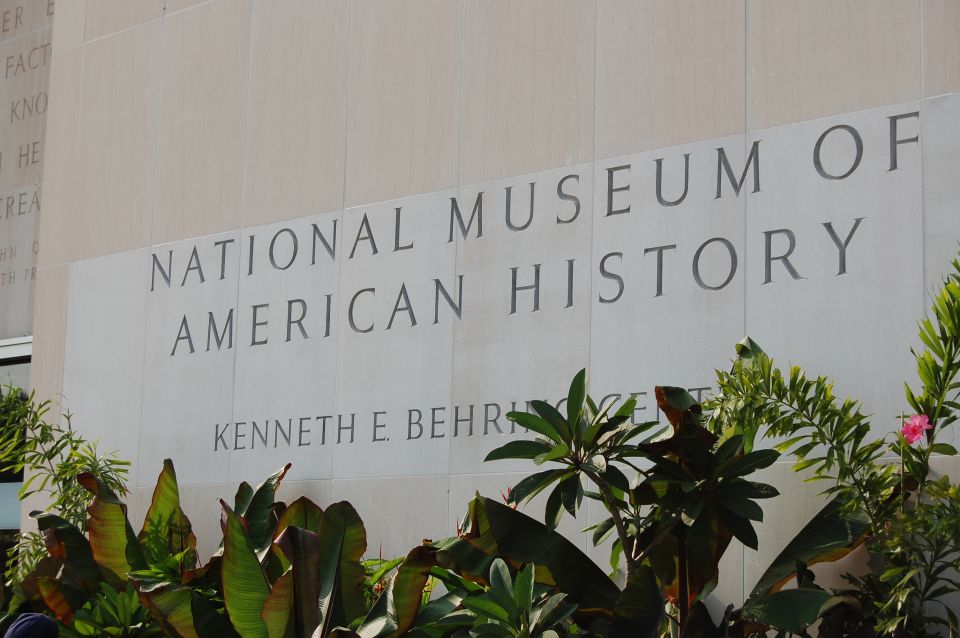
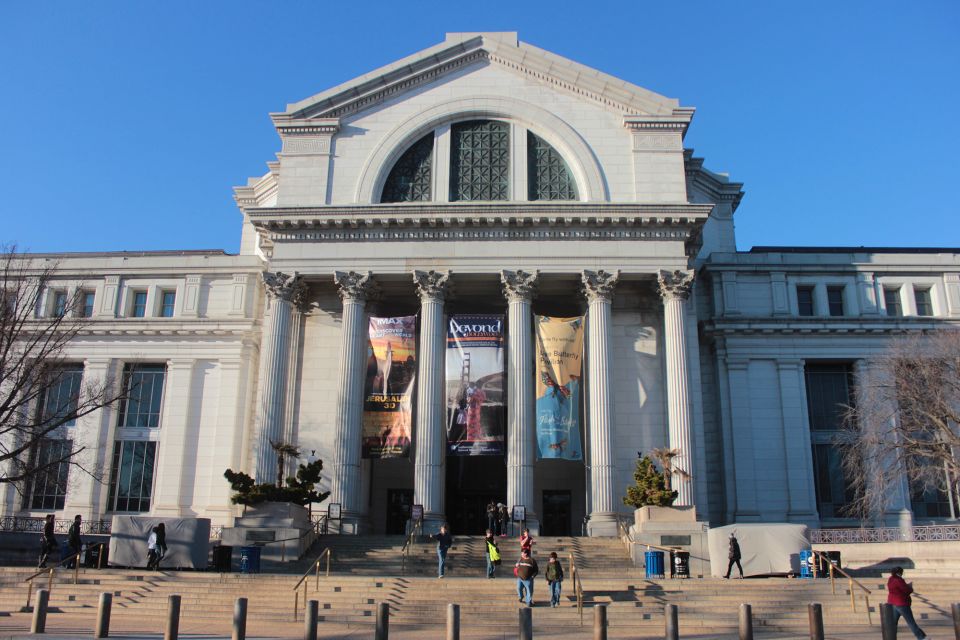
You’ll meet your guide on the large stairs at the Museum of Natural History’s Madison Drive NW entrance, facing the National Mall lawn. That’s useful because it gives you a clear visual anchor—no need to hunt around inside.
Before you head in, take note of the rules that can slow people down: only handbags or small thin bag packs are allowed through security. Leave luggage and large bags at your lodging. Bring a passport or ID card, since that’s required for the experience.
Dress matters, too. Some sites on the tour require appropriate clothing, and you may hear about quiet or restricted-speaking rules for certain rooms. It sounds minor, but it changes the tone of the visit—so I like going in knowing it’s a guided, respectful museum day, not a free-for-all photo spree.
National Museum of Natural History highlights: Henry the elephant, Fossil Hall, and world-famous objects
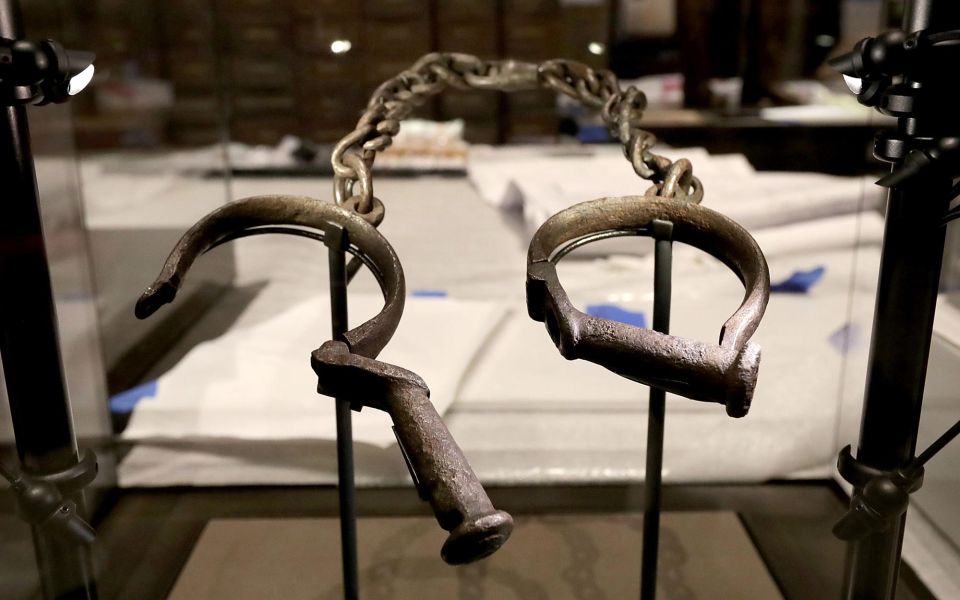
The day starts where you can’t miss it: the Natural History Museum. You’ll have about two hours focused on highlights, guided so you don’t get stuck bouncing between random exhibits.
Henry’s welcome and the museum’s “stones, bones, and bugs” pull
One of the best openings is the museum’s huge presence right up front, including the large taxidermied elephant named Henry. It’s a classic Smithsonian moment—big, immediate, and kind of hard to explain until you see it. The guide helps you read these displays instead of just staring.
You’ll also get the sense that the museum is built to make natural science feel approachable. You’ll move through exhibits that mix minerals, living things, and deep time—so your brain gets both the wonder and the structure.
Fossil Hall with prehistoric giants overhead
Fossil Hall is the part where it clicks for most people. The tour spotlights it for a reason: you don’t just see fossils; you get surrounded by the scale of them. Mastodon, T-Rex, and Diplodocus loom over you, and the guide’s job is to connect the objects to the story of how we know what we know.
If you’re traveling with kids, this is also where attention usually holds. It’s the kind of room where even adults forget to check their watch.
You can also read our reviews of more museum experiences in Washington Dc





The Hope Diamond and the art of museum storytelling
Then comes the Hope Diamond, one of the most famous jewels in the world. What makes it special on a guided tour is not just the object—it’s the explanation around it. The tour frames it as a (supposedly) cursed gem, but it also helps you understand how a showpiece like this fits into the bigger museum collection.
This is the type of exhibit where people either rush or get distracted. With a guide, you slow down at the right moments and don’t miss the details that make it more than celebrity jewelry.
Real mummies up close
You’ll also get to come face-to-face with real mummies during the Natural History highlights. That’s a heavy topic, but it’s handled as part of the museum’s teaching mission. The guide can help you look in a respectful way—focused on history and preservation rather than shock value.
The pace reset between museums: why a break matters in DC
After the Natural History highlight block, the tour includes time to recharge before heading to the Museum of American History. I like this pacing because Smithsonian days can turn into decision fatigue fast. Without a planned switch, you can end up moving so quickly that everything starts to feel the same.
During this reset, you’re basically giving your body a pause and giving your brain a chance to shift gears: natural science first, then human stories and American identity.
No food is included, so plan to grab a snack or water on your own if you need it. (And if you want to keep the day smooth, don’t rely on the last minute to fix your energy level.)
Museum of American History highlights: Ruby Slippers, First Ladies, and Lincoln’s Top Hat
The American History Museum portion also runs about two hours, again focused on must-sees. This is where the tour gets emotional, and where the objects feel personal because they connect to people and choices—not just artifacts.
Dorothy’s Ruby Slippers: pop culture with real museum weight
You’ll see Dorothy’s Ruby Slippers, famous on screen and equally famous in museum conversation. On a guided tour, the value is that you don’t treat them like a costume display. You see how they became cultural symbols—and how the museum places them in a larger story about American media and imagination.
The guide’s framing makes the exhibit easier to remember later, especially if you know the movie already.
First Ladies exhibit: learning who shaped the spotlight
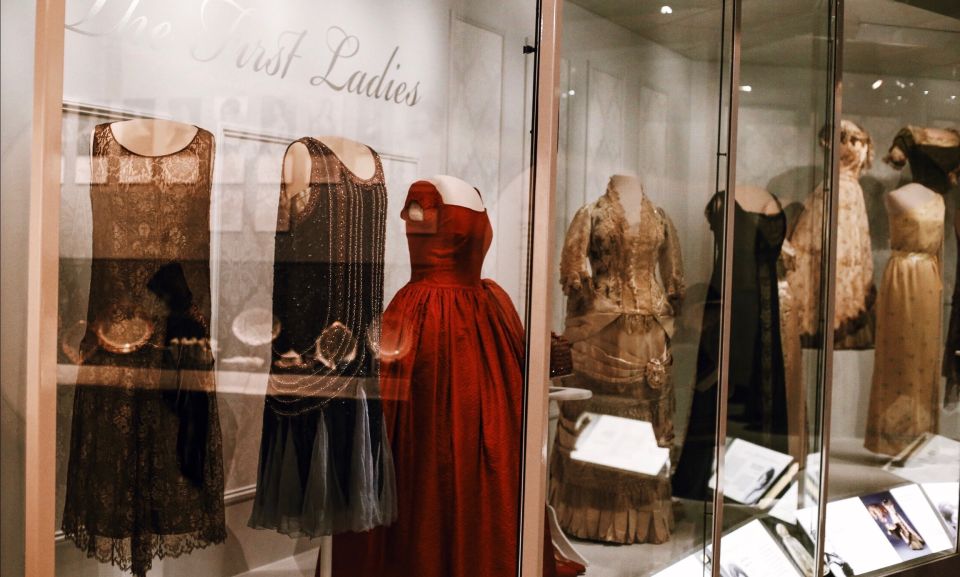
Next up is the First Ladies exhibit, described as the most visited exhibit in Smithsonian history. That’s a big claim, but it hints at what you’ll feel in the room: this is a people-and-politics story, not just a display of formal portraits and timelines.
The guide helps you connect themes—identity, public roles, and changing expectations—and it makes the exhibit easier to process in a short visit.
Lincoln’s Top Hat: one object, many meanings
You’ll also admire Lincoln’s Top Hat. The fun part here is that it’s an object you can’t really imagine until you see it. The guide helps you understand why museums preserve items like this, and how an everyday-seeming item becomes a symbol once it enters the public story.
Star-Spangled Banner story and the turning point of the War of 1812
Then there’s one of the most important “American identity” stops: the Star-Spangled Banner that flew over Ft. McHenry. The tour connects it to dawn’s early light and the turning point of the War of 1812, then links it to the song inspiring the Nation’s Anthem in the 1930s. Whether you know the history already or you’re learning it fresh, having a guide tie those moments together helps you remember the sequence.
Greensboro Lunch Counter: seeing struggle take many forms
The tour also points you to the Greensboro Lunch Counter, a reminder that battles have taken many forms. This isn’t presented as an isolated exhibit. It’s part of a broader theme of American struggle, identity, and culture.
If you like museums that respect the topic and still keep momentum, this stop does that job well.
How the museum fills out the story: cars, trains, kitchens, politics
Finally, the guided highlight route also includes a sweep of everyday life and society—cars, trains, kitchens, military uniforms, political ephemera, and Hollywood memorabilia. That variety matters because it prevents “history fatigue.” You leave feeling like you saw multiple sides of American life, not only the headline moments.
The guide factor: why Brenda and Donna level up the whole day
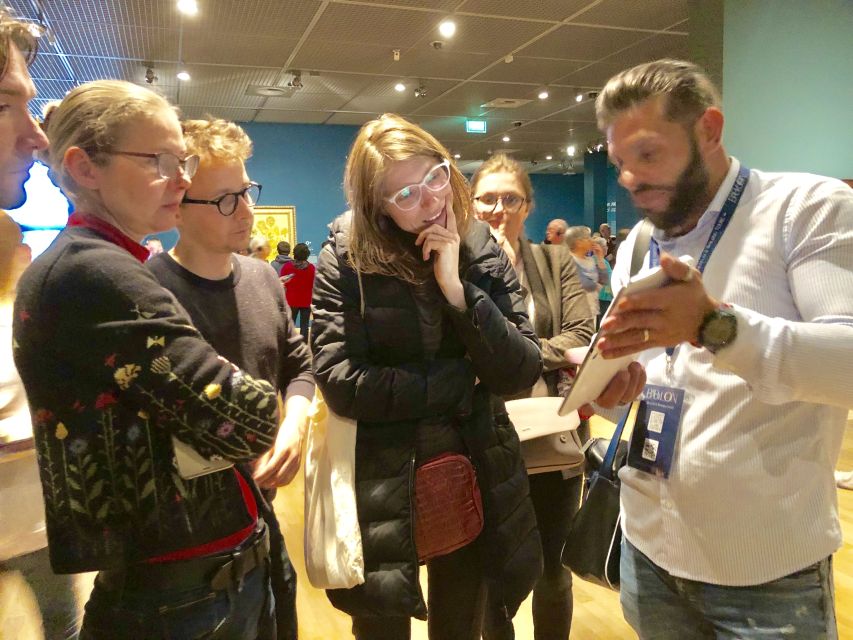
Here’s the best part: the experience lives or dies by the guide. And the guides for this tour have a strong track record—Brenda gets praised for being excellent, and Donna is described as incredible because she explains everything clearly.
That means you’re not stuck with a guide who just points and moves on. You’re getting someone who can answer the in-between questions—what you’re seeing, why it’s there, and how the different objects connect.
It also helps that the tour is set up for small groups—max 8 people—so you can ask questions and still keep the flow. For me, that small-group feel is where the Smithsonian becomes fun again instead of overwhelming.
What $166 per person really buys you
Let’s talk value plainly. $166 per person is not a bargain-basement ticket. But for DC, this kind of combo is often worth it when you factor in three things:
First, you’re getting two guided highlight tours in two major museums. That’s time you don’t have to plan or guess through.
Second, you get skip the ticket line, which can matter in popular Smithsonian hotspots.
Third, the tour is structured for a half-day format. That’s valuable if you’re visiting DC on a tight schedule and want to hit the biggest hits without sacrificing the rest of your day.
If you’re the type who loves independent exploring, you might decide to do the museums on your own. But if your priority is efficiency plus context, the guided combo offers solid return for the money.
Practical tips so you don’t waste time inside
You’ll get the best day if you plan around the rules and the crowd flow.
- Pack light: no large bags or suitcases; stick to a small allowed bag.
- Bring valid photo ID (passport or ID card).
- Expect brief rule reminders for quiet or restricted-speaking rooms.
- Wear comfortable shoes. The museums are big, and you’ll be walking between key areas.
- If you have strong preferences—like focusing on one exhibit style—tell your guide early. With a small group, you’re more likely to get guidance.
Also, highlights can vary. So if a specific room is a must for you, it’s worth asking your guide on the spot what to prioritize.
Who should book this tour, and who might not love it
This tour is a great fit if you:
- Want the most famous Natural History and American History objects without spending days researching
- Like guided context, not just standalone artifacts
- Prefer small groups over big bus tours
- Want a half-day Smithsonian plan that’s realistic for families and first-timers
It’s less ideal if you:
- Need wheelchair-specific arrangements (the info says wheelchair tours are available by request only, but it’s also marked not suitable for wheelchair users—so confirm carefully before booking)
- Plan to bring large luggage (it’s not allowed)
- Hate any museum restrictions around dress or speaking
Should you book this Natural History and American History combo tour?
I’d book it if you want a focused Smithsonian day with momentum. The object lineup is strong—Hope Diamond, mummies, Fossil Hall dinosaurs, Dorothy’s Ruby Slippers, Lincoln’s Top Hat, and key American identity exhibits like the First Ladies display and the Star-Spangled Banner story. Add a guide who can explain it clearly—like Brenda or Donna—and you get a visit that feels earned, not just collected.
If you’re on the fence, ask yourself this: do you want to spend your DC time wandering and deciding, or do you want a plan that guides you to the right rooms with a clear storyline? If you want the latter, this combo tour is an easy yes.
FAQ
How long is the tour?
The total duration is about 5.5 hours, with starting times that vary based on availability.
Where do I meet the guide?
Meet your guide on the large stairs at the Madison Drive NW entrance of the Natural History Museum, facing the lawn of the National Mall.
Are tickets included, and do I skip the ticket line?
The tour is designed so you skip the ticket line. Ticket details are handled as part of the experience, and the tour includes the guided museum access for the highlight route.
How big is the group?
The tour is private or semi-private with a maximum of 8 people on each tour.
What should I bring, and what’s not allowed?
Bring a passport or ID card. Large bags or luggage are not allowed inside the museums—only handbags or small thin bag packs are allowed through security.
Does the tour include the Hope Diamond, Dorothy’s Ruby Slippers, and Lincoln’s Top Hat?
Yes. Those specific highlights are included in the tour’s museum highlights.
Is food included?
No. Food and drinks are not included.
Is this tour wheelchair-friendly?
Wheelchair tours are listed as available by request only, but the activity is also marked as not suitable for wheelchair users. If you need wheelchair support, confirm your exact situation with the provider before booking.
Can I cancel and get a refund?
Yes. You can cancel up to 24 hours in advance for a full refund.