REVIEW · WASHINGTON DC
DC National Archives + National Portrait Gallery – Exclusive Tour
Book on Viator →Operated by Babylon Tours DC · Bookable on Viator
A Constitution you can see in person changes things. This exclusive Washington DC tour links the National Archives with the Smithsonian’s National Portrait Gallery, so you get America’s big ideas and the people who shaped them in one smooth day. I especially like that you’re guided through the documents and then into the portraits with a plan that keeps the pace humane and the context clear.
I love two things most: skip-the-line entry to the National Archives, and the National Portrait Gallery experience that goes beyond looking at faces on walls. You also get a rare peek into how art is cared for, including a chance to look inside conservation labs at the Lunder Conservation Center.
One possible drawback: security rules are real. You’ll want to travel light because large bags and suitcases aren’t allowed inside the museums, and that can affect what you bring and how fast you move through checkpoints.
In This Review
- Key highlights you should care about
- How the Archives + Portrait Gallery pairing saves your time
- Start at the National Archives: where your morning momentum starts
- The Rotunda moment: handwritten Charters of Freedom
- A quiet note on museum rules
- The Magna Carta angle: citizenship through earlier ideas
- The National Portrait Gallery: leaders as art, not just names
- What you’ll see: portraits in multiple formats
- A small “expect” reality
- Lunch break and pacing: why 5.5 hours feels doable
- Your guide’s role: stories, patience, and answers
- Value check: what you get for $166.15
- Practical tips that will make the day smoother
- Should you book this exclusive DC tour?
- FAQ
- How long is the tour?
- When does the tour start and where do I meet?
- Where does the tour end?
- Is this tour private?
- Is skip-the-line entry included for the National Archives?
- Is admission included?
- What language is the tour offered in?
- Is transportation between the two locations included?
- Are hotel pickup and drop-off included?
Key highlights you should care about
- Skip-the-line at the National Archives so your time goes to the Rotunda and the documents, not the queue
- Charters of Freedom in the Rotunda, including the original handwritten founding documents
- A 1297 copy of the Magna Carta in the Rubenstein Gallery, tied directly to ideas of citizenship
- Presidential Portrait Gallery plus portraits in painting, sculpture, and video form
- Kogod Courtyard break in the middle of the museum flow so you can actually reset
- A look into the Lunder Conservation Center labs, where conservation work brings art and history back to life
How the Archives + Portrait Gallery pairing saves your time
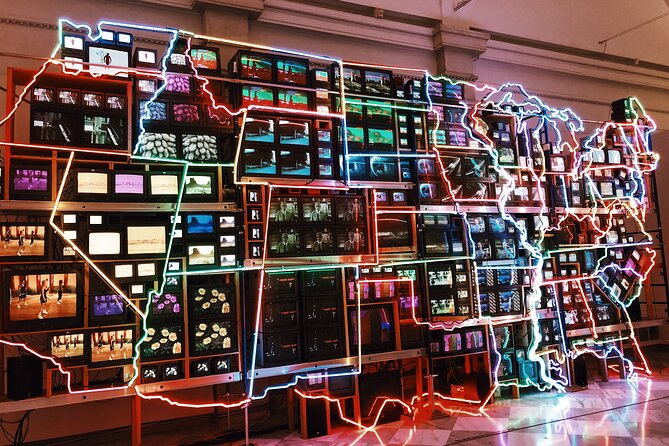
Washington DC can eat your hours fast. Between transit, lines, and the sheer number of must-sees, you can end up “checking boxes” instead of learning anything. This tour solves that by pairing two Smithsonian-adjacent experiences that naturally talk to each other: founding documents at the National Archives, then the leaders and icons featured through portraiture.
I like the structure because it gives you two different lenses on the same story. At the Archives, the focus is on primary sources—handwritten texts tied to the political reality of the moment. At the Portrait Gallery, the focus shifts to how Americans have chosen to remember people through art, media, and conservation choices. That mix is what makes the day feel cohesive instead of scattered.
Also, you’re not wandering alone. This is a private format where your guide works exclusively with your group. That matters in museums, because the right explanation can turn a room you’d pass quickly into the room you remember later.
You can also read our reviews of more museum experiences in Washington DC
Start at the National Archives: where your morning momentum starts
The tour begins at the National Archives Museum at 701 Constitution Ave. NW with a 10:00 am start. Starting here is smart because the National Archives is both a high-demand stop and a place where you’ll want calm attention. With skip-the-line access, you can usually get positioned sooner for the Rotunda and the early exhibits that set the tone.
Before you go in, plan for practical museum security. The tour notes say no large bags or suitcases are allowed inside—only handbags or small thin bag packs through security. So if you usually carry a big daypack, consider traveling lighter than you think you need. It’s not just for convenience; it’s about reducing friction once you arrive.
You’ll also want your phone ready. The tour requires you to provide a mobile phone number (with country code), which helps the operator coordinate your day if anything changes. In a city where schedules can shift, that small detail helps you keep confidence.
The Rotunda moment: handwritten Charters of Freedom
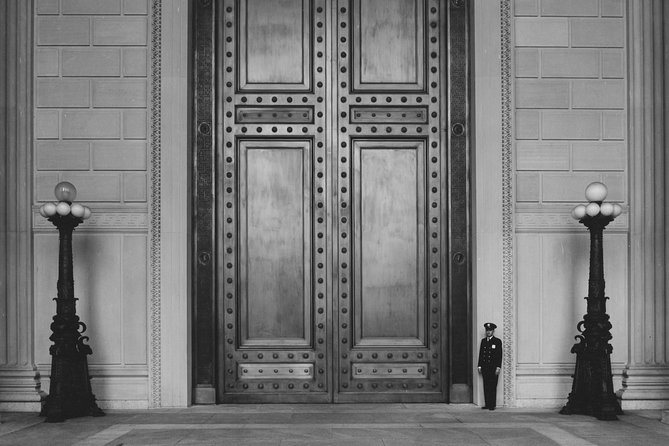
Your National Archives time is built around the most famous room and the documents that make it unforgettable. After skip-the-line entry, you start with the Rotunda and the Charters of Freedom—the original handwritten founding documents. Seeing documents this close changes your sense of scale. You’re not reading history as a textbook idea; you’re looking at ink, lines, and the careful reality of what was written and preserved.
What makes this portion especially valuable is that your guide connects the documents to the circumstances that surrounded them. You’re not just told what the documents are. You’re guided through why they mattered at the time, and how those choices shaped the structure of the United States.
The tour also includes surrounding context inside the museum. You’ll be in areas with documents and paintings that add nuance to the founding period. That helps if you usually feel confused by dates. It’s easier to remember the story when the setting feels like it belongs to the moment, not to a later summary.
A quiet note on museum rules
Some rooms within the museums have rules about speaking quietly or keeping discussion restricted. Your guide will brief you before you enter those spaces. That’s actually a good thing. It keeps the experience respectful and helps you hear the explanation without everyone talking over each other.
The Magna Carta angle: citizenship through earlier ideas
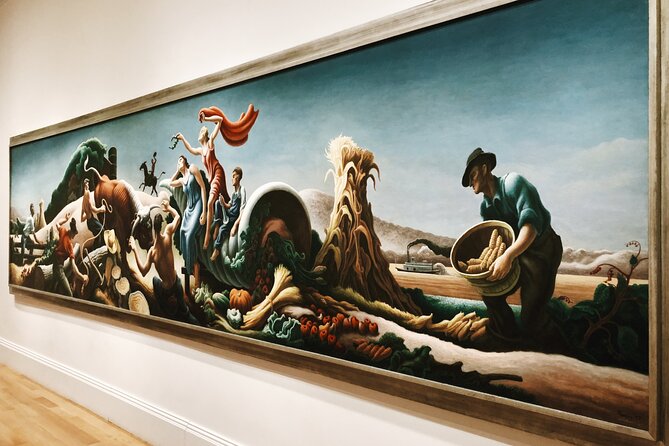
After the Rotunda focus, you move into the Rubenstein Gallery, where the tour goes one step further with the Magna Carta. Specifically, you’ll see a 1297 copy. This isn’t just a trivia stop. It’s used to frame philosophical roots behind citizenship and rights—then tie those concepts to later American language and documents.
What I find useful about this approach is that it helps you understand citizenship as something argued for, defined, and expanded over time. The tour connects the ideas behind the Magna Carta and then to the American principles often summarized by the idea that all people have unalienable rights. The point isn’t to force a perfect line of one document to another. It’s to show that the US story has earlier political thinking feeding into it.
If you’re the kind of person who loves the “why” behind political wording, this part can be a highlight. It turns a museum visit into a structured argument you can actually follow.


The National Portrait Gallery: leaders as art, not just names
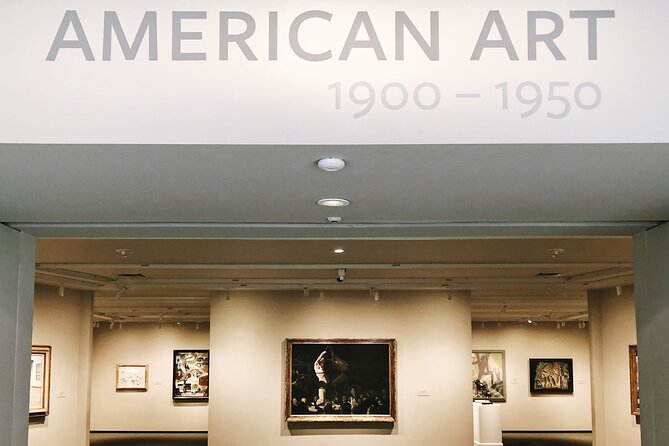
After a break to think and grab a bite, you head to the Smithsonian National Portrait Gallery within a connected exhibition setup that also links to Smithsonian American Art. One of the tour’s best points is that you don’t just sprint room-to-room. You stroll through spaces where the galleries flow between collections, so the day feels like one museum, not two separate errands.
You also get time in a place that makes downtown DC museum touring more pleasant: the Kogod Courtyard. When you’re in a building full of biographies and symbols, a courtyard pause helps your brain catch up. It’s also a practical reset point if you’re traveling with someone who needs a less intense moment between exhibits.
What you’ll see: portraits in multiple formats
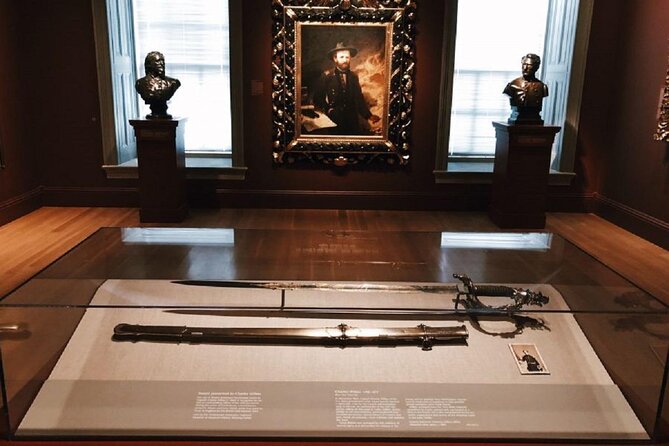
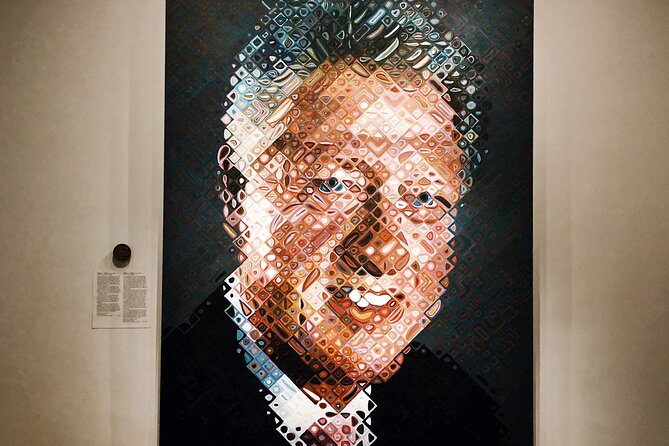
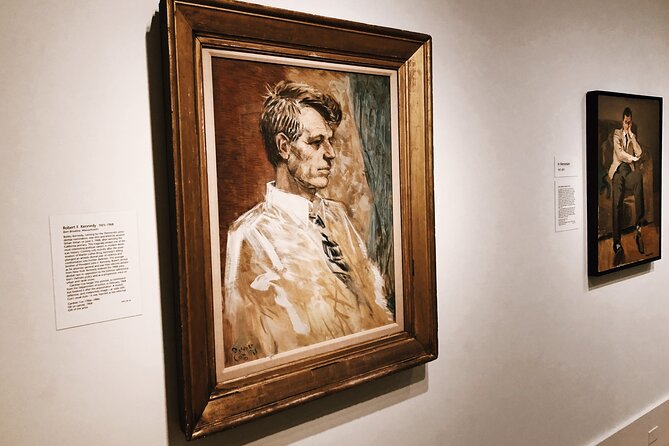
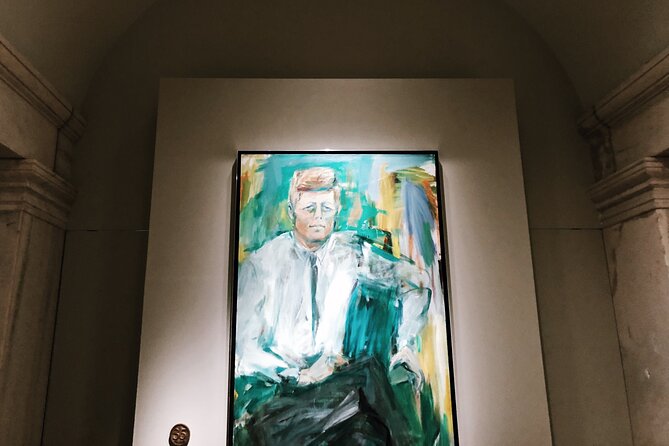
The guide brings you to the Presidential Portrait Gallery, where you’ll see how the Smithsonian has framed presidential imagery across time. From there, you shift beyond the obvious faces and explore portraits in painting, sculpture, and video form. That matters, because modern portraiture doesn’t always look like a traditional painting. You’ll likely notice how different media changes the mood and message.
The tour also points you toward the Luce Center of the American Art side, which is where conservation and behind-the-scenes craft can show up. You’ll get a chance to peek inside the labs of the Lunder Conservation Center. Even if you don’t consider yourself an art nerd, this part is often the most surprising. Conservation reminds you that history doesn’t stay intact by accident—it’s maintained by skilled work.
A small “expect” reality
The Portrait Gallery and related spaces are popular. Even on guided tours, lines and access can vary by room and security measures. The tour notes say some rooms may form lines despite skip-the-line style access at the Archives. So don’t plan on moving instantly through every doorway. Instead, use the guide’s timing to focus on the best rooms first.
Lunch break and pacing: why 5.5 hours feels doable
The full experience runs about 5 hours 30 minutes, including a lunch break. That length is a sweet spot in DC. You get enough time to experience two major institutions without turning the day into a blur of standing in line and rushing photos.
The lunch break is built in right after the Portrait Gallery start. That means you get a chance to eat and reset before your second major museum phase at the Archives. It’s a smart way to manage energy, especially because museums require more walking than most people expect, and you’ll be doing it under bright indoor lighting most of the day.
The tour is described as rain or shine. In practical terms, that means you shouldn’t build a backup plan around weather changes. Still, if you’re carrying a lot of gear, rain can make bag rules more annoying. Traveling light makes the entire day easier.
Your guide’s role: stories, patience, and answers
This tour lives or dies by the guiding. The reviews put a clear emphasis on that. One guide, Brenda, is praised for being able to answer questions and tell interesting stories. Another guide, Donna, is singled out for knowing the buildings well and pacing through exhibits at the right speed.
You should care about pace in museums. If you’re too fast, you miss context. If you’re too slow, you run out of energy and stop reading. A good guide does what a self-guided visit often can’t: they decide what to explain deeply and what to summarize, based on how the room feels and what you need to see next.
Because this is a private tour with your group only, you can also ask questions without fighting for attention. In places like the Rotunda and quiet-restriction rooms, that can make the experience feel calmer and more personal.
Value check: what you get for $166.15
At $166.15 per person for about 5.5 hours, you’re paying for three main things: time with a guide, skip-the-line entry at the National Archives, and admission coverage on the Portrait Gallery side. The tour also includes private transportation between locations if necessary, which matters when you’re moving between big DC sites.
Here’s how I think about the value. If you go on your own, you still pay for transportation, you still have to plan your route, and you still face the reality that the National Archives can be hard to time perfectly. When you add a guide to the mix, the payoff becomes clarity—specific context for the Charters of Freedom, the Magna Carta framing, and how portraiture shapes memory in the Smithsonian collections.
Admission isn’t uniform across both stops in the way you’d expect. The National Portrait Gallery portion explicitly includes admission ticket coverage, while the National Archives Museum portion is described as ticket free. So you’re not just buying general entry. You’re buying a structured experience: guide-led navigation, skip-the-line at the Archives, and targeted viewing.
If you’re short on time in DC or you want your visit to feel intentional rather than accidental, this price can make sense fast. If you’re traveling with lots of flexibility and you don’t care much about context, you might spend less going solo. But you’ll likely spend more time figuring out what matters once you’re already inside.
Practical tips that will make the day smoother
A good tour should make you feel less stressed, not more. Here are the practical details that matter for this one:
- Bring a mobile phone number with country code. It’s required for coordination.
- Travel light for museum security. No large bags or suitcases inside; expect handbag or small thin bag pack rules.
- Dress appropriately for entry. The tour notes say some sites require appropriate dress, so don’t assume any outfit works.
- Expect occasional closures. Museums can close sometimes without warning. If opening is delayed more than 1 hour from the tour start time, the operator says it will provide an alternative. Refunds or discounts aren’t offered in those cases.
- Lines can still form. Even with skip-the-line access at the Archives, security and room rules can create waits in specific spaces.
- Moderate physical fitness helps. You should be comfortable with walking around museum floors and between stops.
Also, the tour uses a mobile ticket, which is convenient but means you’ll want your phone charged. In DC, power banks are a small investment that prevents a big headache.
Should you book this exclusive DC tour?
If you want an efficient day that gives real context—founding documents paired with the way Americans remember leaders through art—this tour is a strong choice. I’d book it if you like clear explanations, want skip-the-line peace of mind at the National Archives, and would enjoy a guided look at portraiture that includes both famous galleries and conservation behind the scenes.
I’d think twice if you’re extremely budget-sensitive and plan to wander on your own no matter what. Also, if bag rules and museum security stress you out, plan to travel with less.
Overall, the best reason to book is simple: the tour is built to help you understand what you’re seeing, not just stand in front of it.
FAQ
How long is the tour?
It runs for about 5 hours 30 minutes, including a lunch break.
When does the tour start and where do I meet?
The start time is 10:00 am. You meet at the National Archives Museum, 701 Constitution Ave. NW, Washington, DC 20408.
Where does the tour end?
The tour ends at the National Portrait Gallery area, at 8th St NW & G St NW, Washington, DC 20001.
Is this tour private?
Yes. It is described as a private tour/activity, with only your group participating.
Is skip-the-line entry included for the National Archives?
Yes. Skip-the-line entry to the National Archives is included.
Is admission included?
For the National Portrait Gallery stop, admission ticket is included. The National Archives Museum stop is described as free.
What language is the tour offered in?
The tour is offered in English.
Is transportation between the two locations included?
Private transportation between tour locations is included if necessary.
Are hotel pickup and drop-off included?
No. Hotel pickup or drop-off is not included. The tour notes recommend using Uber or taxi.