REVIEW · WASHINGTON DC
Private Tour of Museum of African American History and Culture
Book on Viator →Operated by KB Tours · Bookable on Viator
A museum this important deserves more than a quick scan. This private walk through the National Museum of African American History and Culture (NMAAHC) keeps you focused with clear audio and a guided route through the exhibits that matter most.
I especially liked the way the tour uses headphones with a wireless microphone, so you can actually hear the story even in a public museum setting. You’ll also get a tight walkthrough of the museum’s early-to-civil-rights arc, so you’re not wandering for hours trying to guess what to see first.
One thing to consider: the time is short. In practice, this tour covers the early floors and key galleries, so you may still want to plan extra time afterward if you want to slow down and go deeper on your own.
In This Review
- Quick hits from this private NMAAHC tour
- A 2-hour private walk through NMAAHC’s core galleries
- Audio that keeps you in the story: wireless mic and headphones
- Stop 1 at NMAAHC: Slavery and Freedom first
- Era of Segregation and Jim Crow: what to watch for
- Past civil rights and beyond: using the route to pace your visit
- What makes it private: pacing, questions, and less museum stress
- Value for $300: what you really get for the money
- Before you go: timing, what to pair it with, and how to get the most
- Should you book this private NMAAHC tour?
- FAQ
- How long is the private tour?
- How much does it cost?
- Is it private or shared?
- What museum is included?
- Is admission included in the price?
- Is lunch included?
- What language is the tour offered in?
- Where do we meet?
- Does the tour use headphones?
- What is the cancellation policy?
- Are service animals allowed?
Quick hits from this private NMAAHC tour
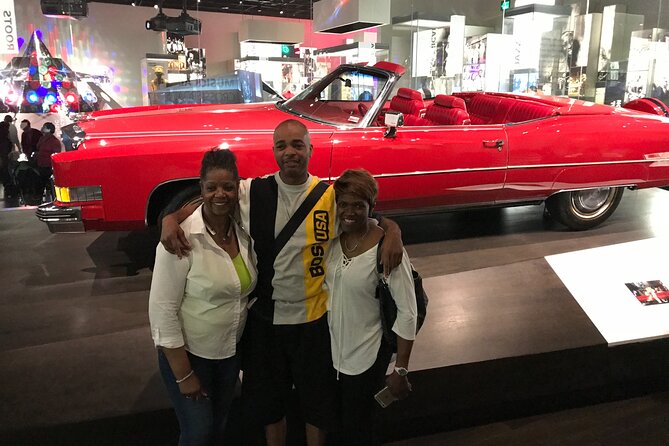
- Wireless mic and headphones for clear guidance in a busy museum
- A focused route through major galleries, including Slavery and Freedom
- Era of Segregation and Jim Crow context explained in plain language
- A guide-led layout walkthrough, so you know where you are and what to prioritize
- Private group up to 7, with room to ask questions and set the pace
A 2-hour private walk through NMAAHC’s core galleries
This is a private tour built for people who want meaning, not just steps. You’ll spend about 2 hours moving through the museum at a guided pace, and the goal is clear: help you understand the big story before you start interpreting the details on your own.
NMAAHC is enormous in scope, and a self-guided visit can be overwhelming. This tour helps you avoid that feeling by giving you a route that starts with the earliest chapters and moves forward through major turning points, including segregation and the civil rights era.
Because it’s private, you’re not stuck with a one-size-fits-all tempo. If your group wants to pause for a question or linger on a particular room, you can usually do that without worrying about holding up strangers.
You can also read our reviews of more private tours in Washington DC



Audio that keeps you in the story: wireless mic and headphones
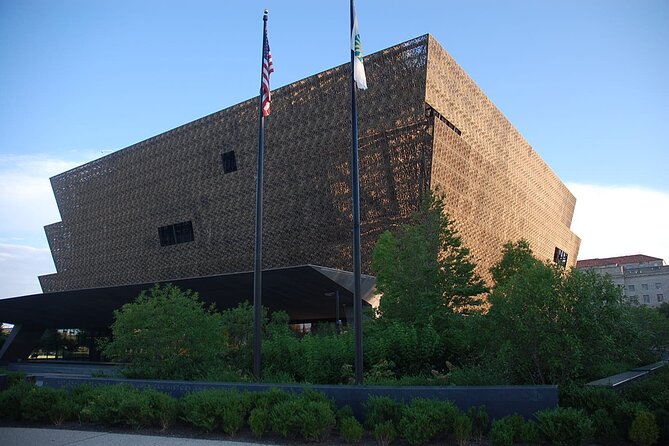
Museums are loud in the annoying way—footsteps, people talking, the constant background noise you can’t control. Here, the guide uses headphones connected to a wireless microphone, so the narration stays crisp and understandable.
That matters because the museum’s themes ask for attention. When you can hear your guide clearly, you’re more likely to follow the connections: why certain artifacts are grouped, what shifts from one era to the next, and what the museum is trying to help you grasp as you move forward.
It also changes how you experience the space. You’re not straining to hear or constantly asking people in your group to repeat themselves. The audio setup helps the tour feel more like a guided conversation than a noisy walking lecture.
Stop 1 at NMAAHC: Slavery and Freedom first
The tour’s main focus begins with the Slavery and Freedom exhibit. Starting here isn’t random—it sets the frame for everything else. You’ll see how early oppression is paired with agency and endurance, and how the museum organizes lessons so you understand both suffering and resistance.
What I like about this opening is the tone. You’re not just absorbing dates; you’re getting a guided sense of what to look for and how to think about the themes. That makes later rooms easier, because you already have a mental map of the story’s direction.
This part also does a good job of turning a museum into a guided sequence. Instead of asking you to remember what you saw five minutes ago, the guide keeps pointing you toward the big transitions—what changes, what persists, and what meaning people can pull from those contrasts.
Era of Segregation and Jim Crow: what to watch for
From there, the tour moves into the Era of Segregation gallery, where Jim Crow laws and their effects are front and center. This is where the museum can feel heavy, but the tour helps you stay oriented. You’ll get context that makes the layout make sense, and you’ll understand why certain items are shown together.
A strong guided explanation helps you avoid two common problems on your first visit. One is skipping past the details because the topic is hard. The other is getting stuck in the details without understanding the broader point.
In this tour format, the guide keeps the balance. You get enough direction to know what the exhibit is emphasizing, but not so much that the museum becomes background noise. The best moments here are the ones where someone connects the room you’re standing in to the next chapter you’re about to see.
Guides like Kenny have a knack for doing this in a grounded way—helping you make sense of the museum’s layout and scope so you feel less lost. That kind of “you can follow along” guidance is a big reason this tour scores well.
Past civil rights and beyond: using the route to pace your visit
The tour doesn’t end at one exhibit theme and call it a day. It pushes the story beyond segregation, through the civil rights movement and onward. That matters because NMAAHC isn’t just about one era—it’s about continuity, change, and legacy.
At the same time, you’re still working within a two-hour window. So the tour is designed more like a master key than a full lock combination. It gives you the museum’s structure and highlights what’s important, then you can return to the sections that hit you hardest.
One practical benefit from guides is the layout help. The museum is so large that being able to retrace your steps later can be a lifesaver. If you start with a route that shows you the key areas—often covering the museum’s first three floors—you’ll find it much easier to go back and see what you want at your own speed.
You can also read our reviews of more historical tours in Washington DC





What makes it private: pacing, questions, and less museum stress
With a private group, the tour works differently than a standard group tour. Your guide can respond to your group’s pace, and you can spend more time where your curiosity pulls you.
This is also where the wireless audio setup really pays off. In a bigger group, you might feel like you’re constantly catching up. In a private setting, the narration stays personal and direct, which makes it easier to ask a question or request clarification.
Another underrated benefit: private tours help you avoid the mental overhead of coordinating everyone’s priorities. Your group’s decisions are aligned from the start: you’re seeing the core galleries in the right order, rather than each person trying to guide the group based on their own guesses.
If your group includes mixed interests—some people want big context, others want specific details—this format helps blend those needs into one shared visit.
Value for $300: what you really get for the money
The price is $300 per group, for up to 7 people, and the museum admission is included. On paper, that can feel like a lot until you compare it to what you’d pay for a guided experience plus the time you save from trying to plan the “must-see” route yourself.
For a group of four or five, it can become a very reasonable way to buy clarity. Instead of spending hours sorting out what to prioritize in a large museum, you purchase a guided framework in about two hours.
For solo travelers, it’s still a good deal if you truly want a guided explanation rather than a self-guided wandering session. But if you’re the type who loves reading wall labels at length with no narration, you might find the value depends on how much guidance you’ll actually use.
This tour is best for people who want the museum’s key story line explained clearly—especially if it’s your first visit to NMAAHC.
Before you go: timing, what to pair it with, and how to get the most
Plan your day with the reality that this tour is a strong guided orientation, not a full replacement for a longer museum visit. After the tour, you’ll likely want time to revisit the exhibits that stayed with you. So leave room in your schedule for an extra hour or two if you can.
Also note one simple logistical detail: lunch is not included. The easiest approach is to eat before you meet or keep something light on hand nearby. You don’t want to feel rushed while you’re standing in exhibits that ask for focus.
The meeting point is at 1400 Constitution Ave. NW, Washington, DC 20560, and the tour ends back at the meeting point. That makes it easy to plug into the rest of your day without needing to track a complicated drop-off.
And if your group relies on transit, this tour is near public transportation, which helps you avoid a big headache on a busy day in Washington, DC.
Should you book this private NMAAHC tour?
Book it if you want a guided route that makes a large museum feel manageable and meaningful. You’ll get an expert walkthrough of major chapters—from Slavery and Freedom to Segregation/Jim Crow and beyond—with clear audio support through wireless microphone headphones.
Skip it only if you’re certain you prefer self-guided visits with zero narration, or if you know you won’t have time to return on your own afterward. This tour gives you direction; it doesn’t try to replace the slower, longer look that some exhibits deserve.
FAQ
How long is the private tour?
It lasts about 2 hours.
How much does it cost?
The price is $300.00 per group, for up to 7 people.
Is it private or shared?
It’s private. Only your group participates.
What museum is included?
The tour is of the National Museum of African American History and Culture.
Is admission included in the price?
Yes. Admission Ticket Included is part of the tour.
Is lunch included?
No. Lunch is not included.
What language is the tour offered in?
The tour is offered in English.
Where do we meet?
Start at National Museum of African American History and Culture, 1400 Constitution Ave. NW, Washington, DC 20560, USA.
Does the tour use headphones?
Yes. The tour description includes headphones connected to a wireless microphone.
What is the cancellation policy?
You can cancel for a full refund if you cancel up to 24 hours in advance of the experience start time. If you cancel less than 24 hours before, the amount paid is not refunded.
Are service animals allowed?
Yes. Service animals are allowed.