REVIEW · WASHINGTON DC
DC Masterpieces: National Gallery & Portrait Gallery Tour
Book on GetYourGuide →Operated by Unscripted Tours · Bookable on GetYourGuide
Three hours, and you see the best art. This DC Masterpieces tour takes you through the National Gallery of Art fast, with standout chances like the only Leonardo da Vinci painting in the Americas plus major works by Degas, Monet, Van Gogh, and more.
I also like how the route is built for real people who don’t want museum brain-fog: one part Renaissance and Impressionism, one part modern art in the I.M. Pei building, then a final stop for portraits and the art of American identity. One possible drawback: the pace is designed to cover highlights, so if you love slow looking for long stretches, you may wish you had more time.
In This Review
- Key Things You’ll Notice on This Tour
- Three Hours of DC Art Without the Museum Maze
- Finding Your Group Near 7th and D Streets (Then Getting Ready to Walk)
- National Gallery of Art West Wing: Da Vinci, Degas Dancers, and the Big Impressionists
- I.M. Pei’s East Wing: Picasso, Dali, and Warhol in a Modern Space
- Old Patent Office Finale: Presidents, Currency Portraits, and American Identity
- What the Guide Adds: Stories, Techniques, and the Claudia Factor
- Walking Pace in 3 Hours: How to Get the Most Without Getting Tired
- Price and Value: Is $79 Worth It for a 3-Hour Art Tour?
- Who Should Book This Tour (and Who Might Want a Different Plan)
- Should You Book This DC Masterpieces Tour?
- FAQ
- How long is the DC Masterpieces tour?
- What is the price per person?
- Where does the tour start?
- Which museums are included?
- How long is the guided portion at each museum?
- Is this a small group tour?
- Is the tour wheelchair accessible?
- Is flash photography allowed?
- Are backpacks or large bags permitted inside exhibition rooms?
- Is food included?
Key Things You’ll Notice on This Tour
- A tight highlight route that saves you from getting stuck in the huge National Gallery collections
- Da Vinci in the Americas, plus major names across Renaissance, Impressionism, and modern art
- A modern-art stop inside I.M. Pei’s architecture, not just a list of artists
- Presidents and American identity in the Old Patent Office setting where Lincoln’s second inaugural ball happened
- A guide who adds context, including behind-the-scenes stories and techniques that don’t fit on a wall label
Three Hours of DC Art Without the Museum Maze
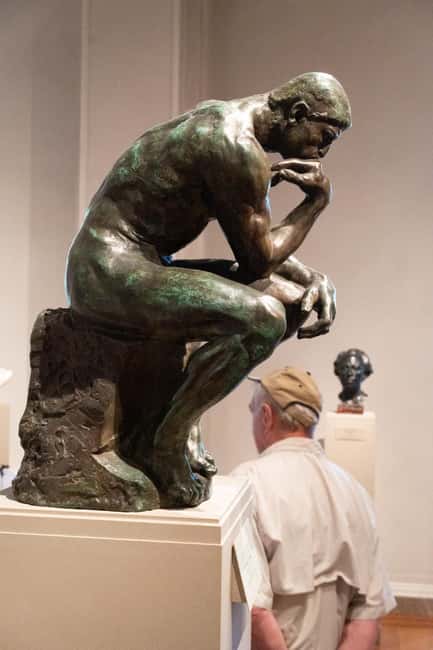
Washington D.C. can be overwhelming in the best way. Too many museums, too many rooms, and too many times when you stare at a painting and think, now what. This tour works because it’s built like a storyline. You move in a logical order, the guide points you toward the pieces that carry the most weight, and you get just enough context to understand what you’re seeing.
The value isn’t just the art list. It’s the time-saving focus. The National Gallery of Art alone has over 85,000 works, so trying to see the “best of” on your own can turn into a guessing game. Here, you follow an efficient path designed to maximize impact without exhausting you.
You’ll also be in a small group (limited to 6). That matters. You get more back-and-forth, and you’re less likely to end up stuck at the edge while the guide concentrates on the people in front.
You can also read our reviews of more museum experiences in Washington Dc

Finding Your Group Near 7th and D Streets (Then Getting Ready to Walk)
The tour starts at 400 7th St NW, near the corner of 7th and D Streets. Look for the signs for Unscripted Tours in front of the storefront. If you’re arriving from downtown, give yourself extra minutes to locate the meeting point, then settle in.
Bring comfortable shoes. This is a “you’re on your feet” kind of afternoon. Museums are cool, but your body still needs a plan, especially if the rooms get crowded and you’re shifting between wings and galleries.
A couple of practical rules affect how you pack:
- Flash photography is not allowed inside the museums.
- Backpacks and large bags aren’t permitted inside the exhibition rooms.
So keep your bag small. If you’re carrying anything bulky, plan to store it outside the exhibition areas.
National Gallery of Art West Wing: Da Vinci, Degas Dancers, and the Big Impressionists
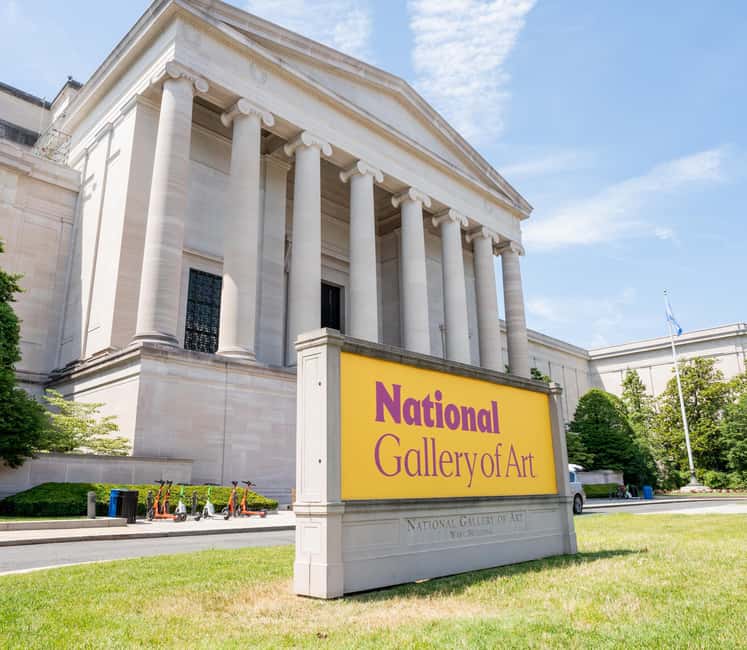
You spend about 1.5 hours in the National Gallery of Art, West Wing. This is where the tour starts strong—like opening a greatest-hits album, but with explanations that help you actually hear the differences.
Here’s what you should expect from this first leg:
- Renaissance energy and the age of Impressionism
- Direct stops at the heavy hitters rather than random wandering
- A guided walkthrough of major names, plus the “why this matters” behind them
The headline moment is the chance to see the only Leonardo da Vinci painting in the Americas. That alone is a reason many people book. But what I like is that the guide doesn’t treat it like a trivia trophy. You get context for how you should look at the work and what features to pay attention to.
From there, the tour moves into other standout masters. You’ll also get a chance to see:
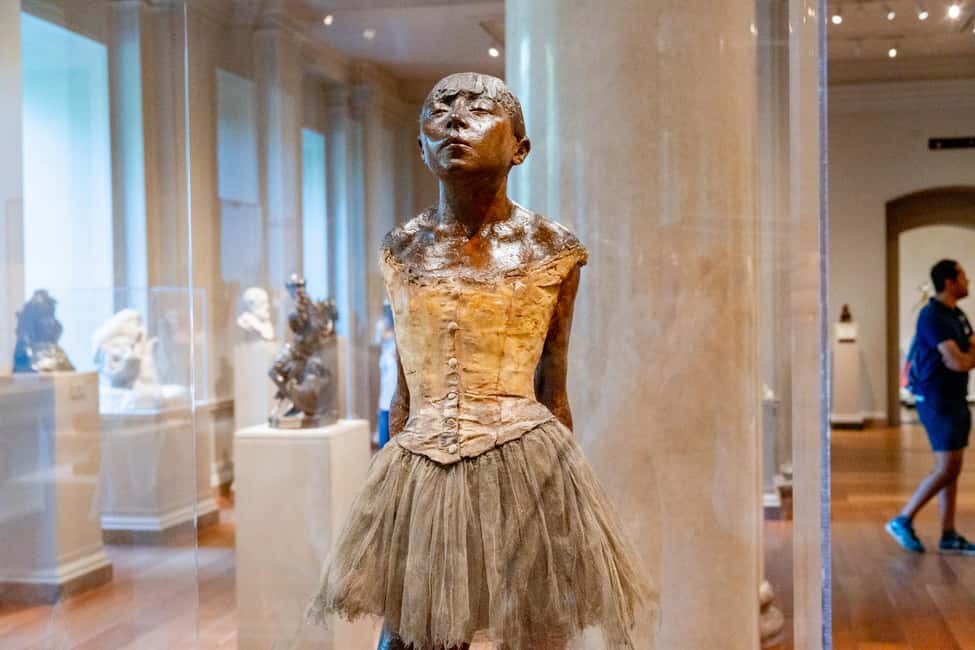
- Degas, including the delicate dancers
- Monet and Van Gogh, with their bold approach to color and atmosphere
- Raphael, showing the kind of control that made Renaissance painters famous
The key benefit here is contrast. If you’ve never trained your eyes to notice technique, the guide helps you see it without making you feel dumb. You come away understanding what makes each artist’s style recognizable, not just which artist is on the label.
One thing to keep in mind: the West Wing experience is packed with famous names. That’s great, but it also means you’ll want to focus. If you get distracted by hallways or by reading every sign in the room, you can slow the pace for yourself.
I.M. Pei’s East Wing: Picasso, Dali, and Warhol in a Modern Space
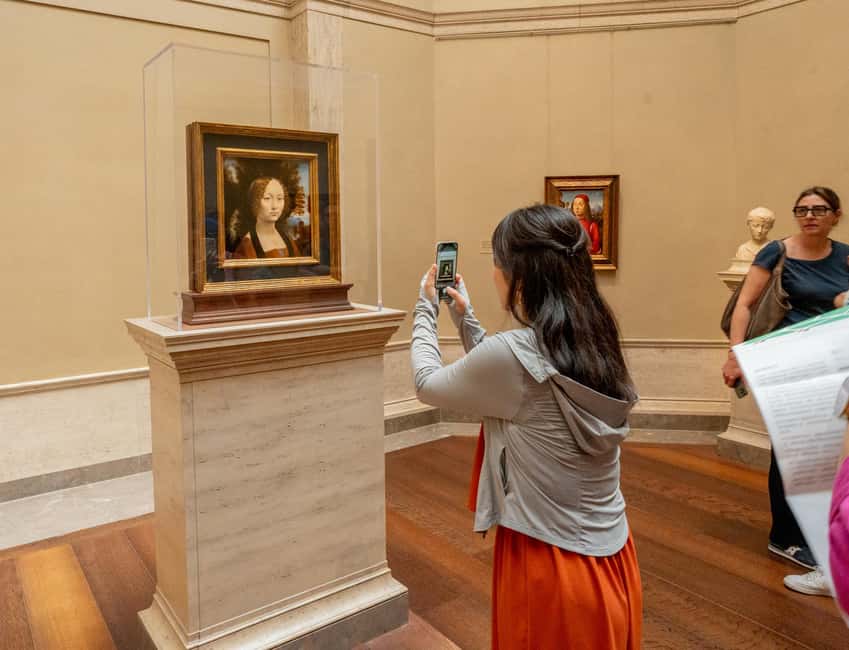
After the West Wing, you shift to the East Wing, an architectural marvel designed by I.M. Pei. This change in building style isn’t just a backdrop. It affects how the modern works land, because you’re moving from one visual language to another—light, lines, and space changing how your eyes behave.
In this part, the tour turns its attention to modern art, with guided time focused on major artists and styles:
- Picasso
- Salvador Dali
- Andy Warhol
The practical value is that you’re not expected to “get it” alone. Modern art can be intimidating if you feel like you’re missing the rules. With a good guide, you learn how to look at composition, symbolism, and technique in ways you can use immediately on other pieces too.
Also, you’ll likely notice the pacing is still efficient. Forty-five minutes may sound short, but it’s enough time to experience a range of styles when the stops are carefully selected.
If you’re the type who loves modern art but hates when tours get too academic, this stop is a good match. The goal here is clarity, not a graduate seminar.
Old Patent Office Finale: Presidents, Currency Portraits, and American Identity
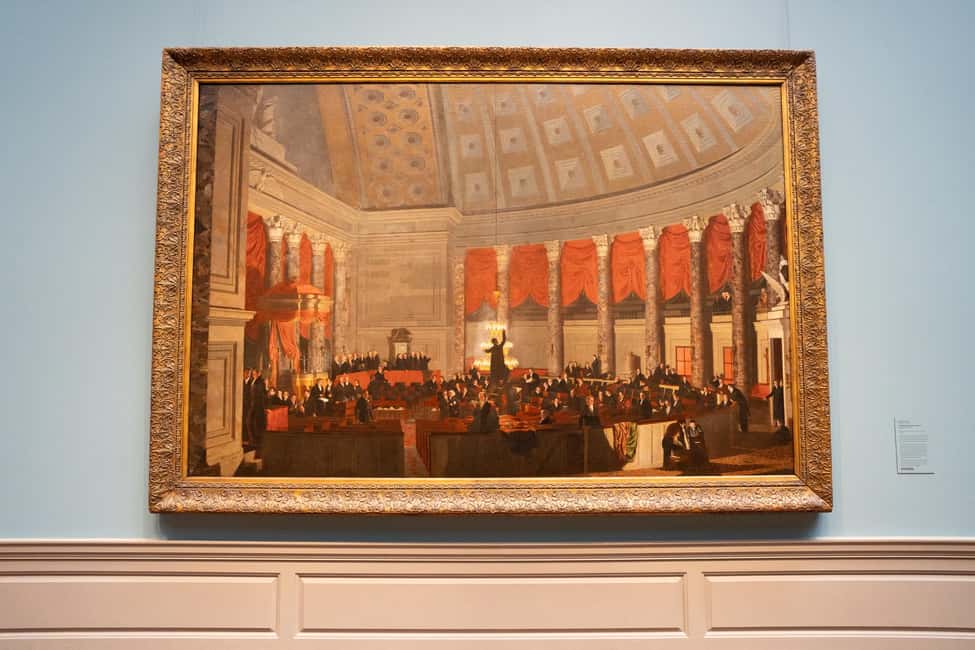
The tour wraps up in the Old Patent Office Building, a historic site that hosted Abraham Lincoln’s second inaugural ball. That setting changes the tone of the final stretch. You’re not just moving from one painting room to another—you’re stepping into a place that connects art to national moments.
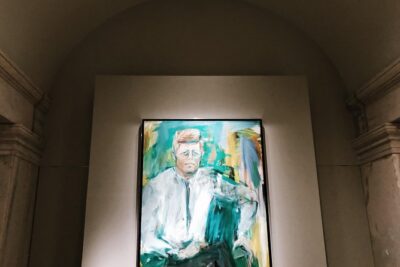
You spend guided time at the National Portrait Gallery and the Smithsonian American Art Museum in this finale area. You’ll focus on the “America’s Presidents” exhibit and see the leaders who shaped the nation through portraiture.
This is also where the tour ties art to daily life. The highlights include Presidential portraits and portraits found on currency, so you can compare what you see on bills with how artists choose to represent faces, authority, and character.
Why this ending works: it helps you step back from technique and theme. In the last part of the tour, you’re looking at identity—how America has presented itself through images across time. Even if you don’t consider yourself a portrait person, the guided focus helps you notice patterns: how portraits communicate power, how style shifts across eras, and how artists frame the meaning of leadership.
A small caution: portraits can feel similar if you zoom through. Slow down just a bit here. The paintings have a purpose, and the tour’s value increases when you let yourself actually compare.






What the Guide Adds: Stories, Techniques, and the Claudia Factor
The included element that consistently makes tours work is the guide. This one comes with insight into the stories behind each masterpiece, and that’s the difference between passively looking and actually understanding.
I’m especially drawn to how the guide frames the art as human. You get practical explanations about techniques and the kind of behind-the-scenes stories that you usually won’t find on a plaque. It’s the stuff that turns a famous painting into a scene you can picture.
One review highlights a guide named Claudia—described as friendly and full of knowledge. That matches the core promise of the tour: a guide who can make big art feel approachable.
Even if you’re a casual art fan, you’ll get value because the guide doesn’t assume you already know the lingo. And if you’re more serious, you get enough detail to keep you engaged without drowning you.
Walking Pace in 3 Hours: How to Get the Most Without Getting Tired
This tour is designed for time efficiency. That’s the point. You’ll see a lot, and you’ll see it in a sensible order. But it’s not designed for slow wandering or deep solo studying.
Here’s how to make the best of the pace:
- Choose a few “focus paintings” per stop so you don’t feel like you’re rushing everything.
- Give yourself permission to move quickly through the room, then pause longer when the guide calls out what matters.
- Wear shoes that won’t punish you after an hour. Museums involve repeated short walks and standing time.
If you arrive with the attitude of collecting impressions and letting the guide connect the dots, you’ll enjoy this format. If you like to stare for 20 minutes at one painting, you might end up feeling like you’re constantly being guided along.
Price and Value: Is $79 Worth It for a 3-Hour Art Tour?
At $79 per person for about 3 hours, the price is fair when you consider what you’re buying: expert guidance, a small group, and a route that prioritizes the most significant pieces across multiple museums.
If you were to do this on your own, you’d still spend time. You’d spend time figuring out where to go, what order makes sense, and which works deserve your best attention. You might also miss context that changes how a piece “clicks.”
This tour helps you avoid that. The included guide time is the key value driver. It’s not just a ticket and a map—it’s the stories behind the masterpieces and the stop-by-stop explanation that makes famous works more than names.
The other value factor is the time crunch. You’re not spending half a day chasing your own itinerary. You’re getting a planned route that covers major categories: Renaissance/Impressionism, modern art in the East Wing, then American identity through portraits.
Who Should Book This Tour (and Who Might Want a Different Plan)
This is a great fit if you:
- Want a focused National Gallery of Art experience without getting lost in the size
- Like learning the stories behind famous paintings
- Have limited time in D.C. and still want a high-impact art afternoon
- Prefer a small group (up to 6) with more direct guide attention
It may be less ideal if you:
- Want to linger in front of a single work for a long time
- Prefer unstructured museum time where you control every pause
- Don’t enjoy walking in museums or fast pacing between rooms
One good strategy: if you book this tour, plan a lighter second visit afterward. Use the tour to learn how the museum “thinks,” then go back later for deeper looking on what you liked most.
Should You Book This DC Masterpieces Tour?
I’d book it if your goal is smart coverage: the best stops, explained well, in a small group, without burning your afternoon on decision-making. The standout moments—like the only Da Vinci painting in the Americas and the modern art contrast in I.M. Pei’s East Wing—make the tour feel efficient rather than rushed.
Skip it only if your idea of a museum day is hours of quiet solo staring. Otherwise, this works like a guided course in what to see first and how to look when you get there.
FAQ
How long is the DC Masterpieces tour?
The tour duration is 3 hours.
What is the price per person?
The price is $79 per person.
Where does the tour start?
The meeting point is at 400 7th St NW, near the corner of 7th and D Streets, with Unscripted Tours signs in front of the storefront.
Which museums are included?
You visit the National Gallery of Art (West Wing and East Wing), then the National Portrait Gallery and the Smithsonian American Art Museum.
How long is the guided portion at each museum?
The guided tour is 1.5 hours at the National Gallery of Art and 45 minutes at the National Portrait Gallery area, with an additional 45 minutes at the Smithsonian American Art Museum.
Is this a small group tour?
Yes. It is limited to 6 participants.
Is the tour wheelchair accessible?
Yes, it is wheelchair accessible.
Is flash photography allowed?
No. Flash photography is not allowed inside the museums.
Are backpacks or large bags permitted inside exhibition rooms?
No. Backpacks and large bags are not permitted inside the exhibition rooms.
Is food included?
No. Food and drinks are not included.