REVIEW · WASHINGTON DC
Smithsonian Natural History + American History – Exclusive Tour
Book on Viator →Operated by Babylon Tours DC · Bookable on Viator
Most days, DC museums win by sheer size.
This small-group Smithsonian combo turns two of the biggest stops into one smooth plan, so you actually see the famous objects without spending hours hunting. I especially love how the day is built around real crowd-pleasers like the Hope Diamond and the Star-Spangled Banner, plus big-thrill specimens like Henry the elephant and the fossil hall giants.
My second favorite thing is the human factor: you get a guide focused on moving your group through two massive museums and connecting the dots with plain-English stories (from guides like Stephen Mead, Brenda, and Donna). One drawback to consider: if you want very kid-led, highly tailored pacing, you’ll need to clearly set expectations up front, since a few groups note guides can steer toward museum context over pure kid preference.
In This Review
- Key Things You Should Know Before You Go
- A Smithsonian Best-of Day Without the Maze
- Natural History Museum: Henry the Elephant and Dinosaur Power
- American History Museum: Star-Spangled Moments and Big Cultural Icons
- The Guide Factor: Small-Group Energy That Saves Your Day
- Time on Your Side: How the 5.5 Hours Feels Actually Planned
- Price and Value: What $166.15 Buys You
- Getting There: Meeting Point, Bags, Dress, and Lines
- Closures and Delays: How Contingencies Are Handled
- Who This Tour Suits Best
- Should You Book This Smithsonian Natural History + American History Tour?
- FAQ
- What does the tour cover?
- How long is the Smithsonian Natural History + American History tour?
- Is museum admission included in the tour price?
- Do I need transportation from my hotel?
- Where do I meet the guide and where does the tour end?
- What time does the tour start?
- Is the tour wheelchair friendly?
- What should I know about bags and security?
- Can I cancel for a full refund?
Key Things You Should Know Before You Go
- Two Smithsonian museums in one day: Natural History first, American History second.
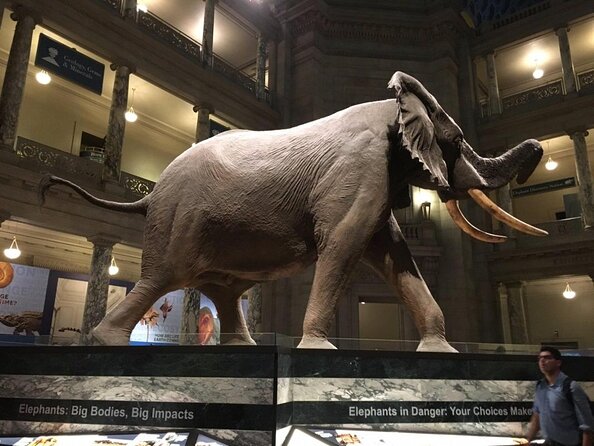
- Highlights that are actually worth the time: Henry the elephant, Fossil Hall dinosaurs, Dorothy’s slippers, First Ladies, and the Star-Spangled Banner.
- Small group size in practice (some tours run with very few people inside each museum).
- Free museum admission while you pay for the guided experience.
- Security and bag rules matter: no large bags or suitcases inside the museums.
- Your mobile phone number is required for confirmation and day-of coordination.
A Smithsonian Best-of Day Without the Maze
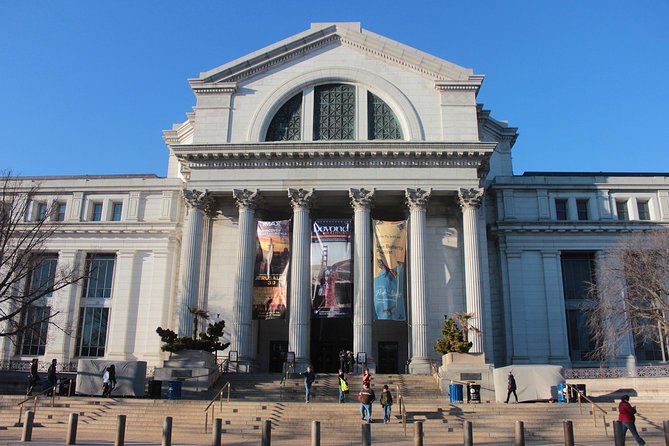
The Smithsonian museums are free, which is great—until you realize how fast you can lose an entire day inside them. This tour is designed for the opposite problem: you get a plan for what matters, plus a guide who helps you find it fast.
You start at the Natural History museum and work your way to the American History museum later. That order matters because Natural History sets a playful, visual tone right away, and American History then picks up the storytelling thread with identity, politics, and culture. If it’s your first time in DC, or you’re only here for a short window, the combo format is a practical way to make your time count.
You can also read our reviews of more historical tours in Washington DC


Natural History Museum: Henry the Elephant and Dinosaur Power
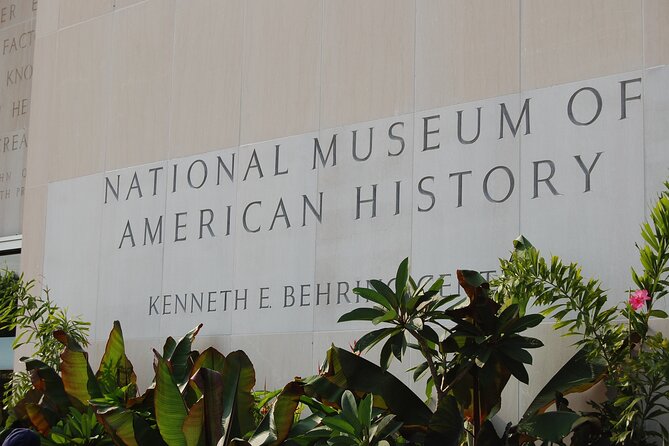
Your morning begins at the Smithsonian National Museum of Natural History, one of the most famous science museums in the world. The big win here is that you’re not wandering randomly. You’re led toward the icons and the spaces that people talk about for a reason.
You’ll start with the welcome moment featuring Henry, the large taxidermied elephant. It sounds like a detail, but it’s actually a smart way to break the ice. It gets your eyes pointed in the right direction immediately, so the museum doesn’t feel like one huge blur.
Next comes Fossil Hall, where the scale changes your brain. You’ll see towering prehistoric giants like Mastodon, T-Rex, and Diplodocus. This is the kind of room where a guide can save you time by directing your attention to the fossils, the layout cues, and what you should look for first.
And yes, there’s also the famous gem: the Hope Diamond. The tour frames it as a legendary object tied to myths and public fascination, and that matters because it’s not just about viewing a diamond. It’s about understanding why certain artifacts become cultural magnets—long after the science facts are learned.
What to watch for: Natural History museums are busy and enormous. Even with a guide, security lines and occasional room rules can slow things down, and the tour notes that museum closures can happen without prior warning.
American History Museum: Star-Spangled Moments and Big Cultural Icons
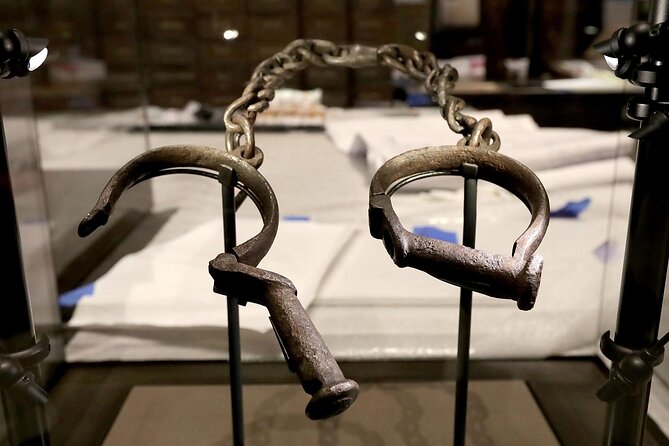
After the break, you head to the National Museum of American History, where the vibe shifts from fossils and gems to people, turning points, and everyday American life. The big advantage here is that the guide ties objects to the stories behind them, instead of treating the museum like a checklist.
You’ll get to see Dorothy’s ruby slippers, which are almost famous on their own in pop culture. Then you move into the First Ladies exhibit, highlighted here as the most visited exhibit in the history of the Smithsonian. That’s a strong clue that it’s not just historical artifacts—you’ll likely find themes about leadership, image, and public life.
The Star-Spangled Banner is a highlight for many reasons, and this tour explains its significance in a clear way. You’ll connect the object to the War of 1812 turning point, tied to Fort McHenry, and you’ll hear how it inspired the anthem later on in the 1930s. This is a smart use of time: seeing the flag without context can feel like another object. Seeing it with the story turns it into a moment.
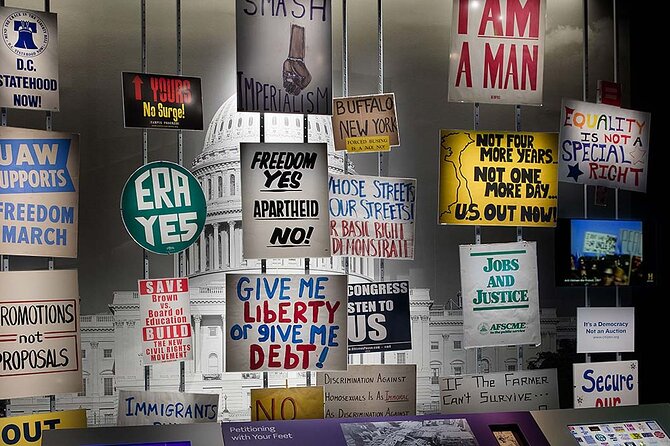
You’ll also get a look at items spanning multiple eras and themes, including the Greensboro Lunch Counter, which represents how battles for rights and identity have taken many forms. If you care about how modern America got made—politically and socially—this is where the tour earns its keep.
Possible trade-off to keep in mind: American History museums can pull you toward essays on politics and context. If your group wants only pop-culture flash, you may need to ask your guide to spend more time on the artifacts tied to Hollywood memorabilia and everyday life items.
The Guide Factor: Small-Group Energy That Saves Your Day
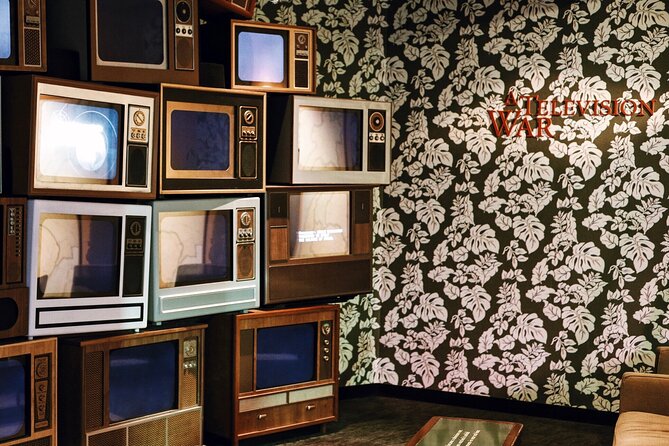
What really makes this tour work is the guide’s job: keep you moving through two huge museums while still making the time feel worth it. In the feedback from past tours, names that come up include Stephen Mead, Brenda, Donna, Rebecca, Megan, Meghan Hanson, and Richard Robinson.
You can feel the difference between a guide who talks and a guide who directs. Groups describe guides helping them avoid getting lost in the maze of exhibits and prioritizing what’s important. That’s the practical value: instead of spending your energy figuring out where to go next, you spend it looking, listening, and learning.
Small groups also change how the day feels inside the museums. One reason people recommended this so strongly is that there’s more attention when you stop. You can ask questions, and the guide can keep the pace realistic rather than rushing everyone through.
A note on “exclusive” vs semi-private: The tour description says tour guide exclusivity does not apply if you choose the SAVE! BOOK SEMI-PRIVATE option. If “I want a guide for just my group” is your priority, double-check the exact option you booked.
Time on Your Side: How the 5.5 Hours Feels Actually Planned
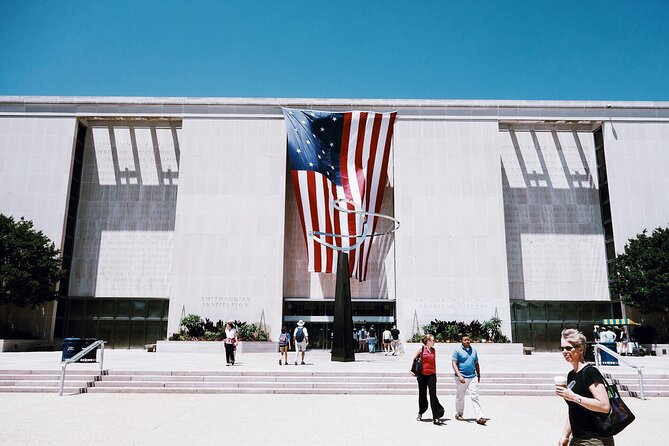
The tour runs about 5.5 hours, including the lunch break. That timing is the core logic of the experience. Two museums, several high-demand objects, and still enough structure to stay relaxed.
The Natural History portion is about 2 hours 30 minutes. Then you take a recharge break before heading to the American History museum for another 2 hours 30 minutes. In practice, this is enough time to see highlights without sprinting through everything.
Here’s the practical reality: Smithsonian museums can include quiet or restricted areas where speaking is limited. The tour notes that the guide will explain those rules before you enter specific spaces. That’s helpful because it keeps you from accidentally breaking museum flow once you’re inside.






Price and Value: What $166.15 Buys You
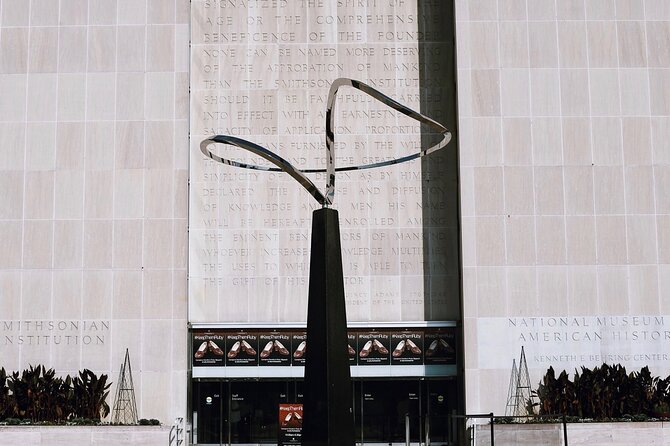
At $166.15 per person, you’re not paying for museum tickets. Smithsonian museum admission is free, and the tour is structured around guided access to the important objects and rooms.
So what are you really paying for?
- Time-saving navigation through two enormous museums
- A guide focused on highlights, not random wandering
- Small-group dynamics, which often mean better attention and easier pacing
- A guided story thread, connecting objects like the Hope Diamond to broader themes and then carrying that approach into American cultural history
If you’re the type who can build your own museum day, you might compare this cost against the price of private transportation and the time it takes to route yourself. But for many visitors, the value is simpler: you pay so you don’t lose a half-day to indecision and lines.
Also, your time starts at 10:00 am, and your tour ends at the American History museum area. That matters because your day’s logistics are wrapped up without you needing to build multiple plans.
Getting There: Meeting Point, Bags, Dress, and Lines
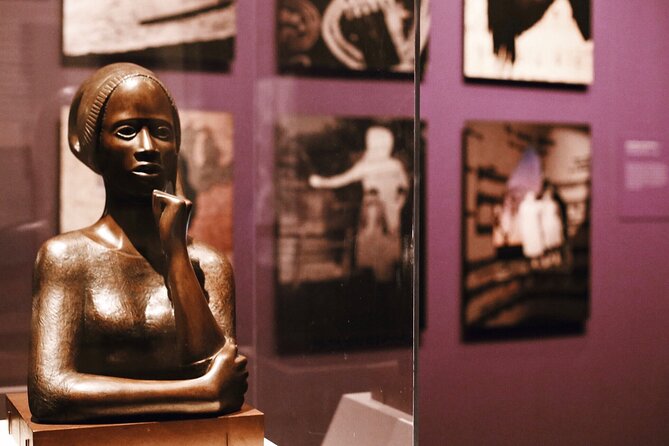
Your start point is 1010 Madison Dr NW, Washington, DC 20004, and your tour ends at 1300 Constitution Ave. NW, Washington, DC 20560. The tour does not include hotel pickup or drop-off, so plan to get yourself there using taxi or rideshare.
Bring a mobile phone number (with country code) as requested, since confirmation and coordination rely on it. That’s one of those small details that can otherwise turn into a stress point on travel days.
Inside the museums, security rules apply. The tour specifically notes that no large bags or suitcases are allowed, only handbags or small thin bag packs. Dress rules also apply for some sites, so wear something you can comfortably move in, and keep your bag situation simple.
And even with the best planning, some areas may have lines. The tour notes that some attractions can have Skip the Line or No Wait access, but lines may still form depending on security conditions.
Closures and Delays: How Contingencies Are Handled
In DC, occasional museum closures can happen without much warning, and this tour includes a stated plan for that. If a delayed museum opening is more than 1 hour from the tour start time, the operator says they will provide an appropriate alternative. In those cases, refunds or discounts aren’t available.
This is one of the reasons I like to frame this as a “use your time smartly” tour rather than a guarantee of one exact room forever. If you’re flexible and you want the overall Smithsonian highlight experience, that contingency plan can be reassuring.
Who This Tour Suits Best
This is a strong fit if:
- It’s your first time in DC and you want the top hits without losing a day.
- You want an organized route through two major Smithsonian museums.
- You’re traveling with kids or teens and you want a guide to keep things moving, not just your device and your legs.
- You want help with pacing and navigation, especially in museums this large.
The tour notes a moderate physical fitness level. Also, it says the tour is wheelchair friendly, though that does not apply if you choose the SAVE! BOOK SEMI-PRIVATE option.
If you prefer to wander slowly and read every label cover-to-cover, you might still love DIY. But if you have limited time and you want the museum icons with context, this is built for that.
Should You Book This Smithsonian Natural History + American History Tour?
Yes—if your goal is high-impact museum time with a guide steering the day. This tour earns its reputation because it prioritizes the objects people actually remember: Henry and the Fossil Hall giants, the Hope Diamond, Dorothy’s slippers, the First Ladies exhibit, and the Star-Spangled Banner with its War of 1812 story.
I’d book it especially if:
- You’re short on time in DC.
- You don’t want to guess your route through two enormous museums.
- You value small-group attention and clearer explanations than you’ll get on your own.
If you want a perfectly kid-tailored experience or you know you’ll get bored by heavier historical context, contact the operator or make your priorities clear early so your guide can pace the day the way your family needs. Either way, you’ll walk away with a much more connected understanding of what these Smithsonian collections mean.
FAQ
What does the tour cover?
You’ll visit both the Smithsonian National Museum of Natural History and the National Museum of American History during one guided day, with time allocated to see major highlights in each museum.
How long is the Smithsonian Natural History + American History tour?
The duration is about 5 hours 30 minutes, including the lunch break.
Is museum admission included in the tour price?
Museum admission is listed as free, so you’re paying for the guided experience rather than museum entry tickets.
Do I need transportation from my hotel?
Hotel pickup and drop-off are not included. You’ll need to get yourself to the meeting point, and taxi or rideshare are recommended.
Where do I meet the guide and where does the tour end?
Meet at 1010 Madison Dr NW, Washington, DC 20004. The tour ends at the Smithsonian National Museum of American History at 1300 Constitution Ave. NW, Washington, DC 20560.
What time does the tour start?
The start time is 10:00 am.
Is the tour wheelchair friendly?
Wheelchair friendly is listed as included, but it does not apply if you choose the SAVE! BOOK SEMI-PRIVATE option.
What should I know about bags and security?
The tour notes that no large bags or suitcases are allowed inside the museums, only handbags or small thin bag packs, due to security rules.
Can I cancel for a full refund?
Yes. You can cancel up to 24 hours in advance for a full refund. If you cancel less than 24 hours before the start time, the amount paid is not refunded.