REVIEW · WASHINGTON DC
National Archives + American History Museum Exclusive Guided Tour
Book on Viator →Operated by Babylon Tours DC · Bookable on Viator
Graves, documents, and pop culture in one day. If you like your American history with big objects and bigger meaning, this private guided tour connects Arlington National Cemetery to the National Archives and the Smithsonian’s American History Museum. You’ll spend your morning on hallowed ground, then shift to famous artifacts that shaped how the U.S. tells its own story.
Two things I really like: first, the guide helps you move with purpose—so you see more than you’d manage solo in limited time. Second, you get the star items fast, including the original Charters of Freedom in the National Archives Rotunda and Dorothy’s ruby-red slippers from The Wizard of Oz at the Smithsonian.
One thing to consider: this is a moderate-activity day with required security rules and a key accessibility limitation, so it’s not a fit if you need wheelchair access or very limited walking.
In This Review
- Key Things to Know Before You Go
- Linking Arlington to the National Archives: Why this day works
- Arlington National Cemetery: famous graves and the Tomb of the Unknown Soldier
- Small heads-up on the meeting point
- Lunch break: how to keep your afternoon smooth
- National Archives Rotunda and Rubenstein Gallery: the Charters of Freedom and the Magna Carta
- The Magna Carta twist in the Rubenstein Gallery
- Security and bags: don’t bring a suitcase
- Smithsonian American History Museum: flags, First Ladies, and Dorothy’s ruby slippers
- First Ladies exhibit and the emotional power of symbols
- Nearby artifacts: George Washington’s sword and more
- How a private guide changes your day (and why it’s worth $166.15)
- Minimum two people per booking
- Practical logistics: what can trip you up in DC security and timing
- Price and fit: who should book this, and who should skip it
- Should you book this tour?
- FAQ
- What sites and museums are included?
- How long is the tour, and what time does it start?
- Where do I meet the guide?
- Is lunch included in the price?
- Is museum admission included?
- Does the tour offer any skip-the-line advantage?
- Is this tour private?
- Do I need to provide any phone information?
- Can I cancel for a full refund?
Key Things to Know Before You Go

- Private guide, exclusive group: It’s only your party on this tour, with a guide who can tailor the pace to your interests.
- Arlington National Cemetery morning: You’ll cover famous burials and memorial sites plus the Tomb of the Unknown Soldier.
- National Archives Rotunda plus Magna Carta: Expect the Charters of Freedom and a 1297 copy of the Magna Carta in the Rubenstein Gallery.
- Museum highlights in smart order: The guide focuses on the fastest routes so you can cover top exhibits in about 2.5 hours.
- Judy Garland’s Wizard of Oz slippers: A pop-culture artifact that really works alongside the serious history.
- Lunch is on you: You’ll get a break to eat, but it’s not included in the price.
Linking Arlington to the National Archives: Why this day works

This tour stitches together three versions of history: personal (people and graves), political (founding documents), and cultural (symbols and storytelling). In Washington DC, that connection matters. One minute you’re standing at a memorial; the next you’re staring at documents that explain why people became citizens in the first place.
You also get a useful rhythm. You’re not bouncing around randomly. The structure—cemetery first, then the museums—keeps the emotional tone steady and lets the guide frame what you’re looking at.
You can also read our reviews of more guided tours in Washington DC



Arlington National Cemetery: famous graves and the Tomb of the Unknown Soldier
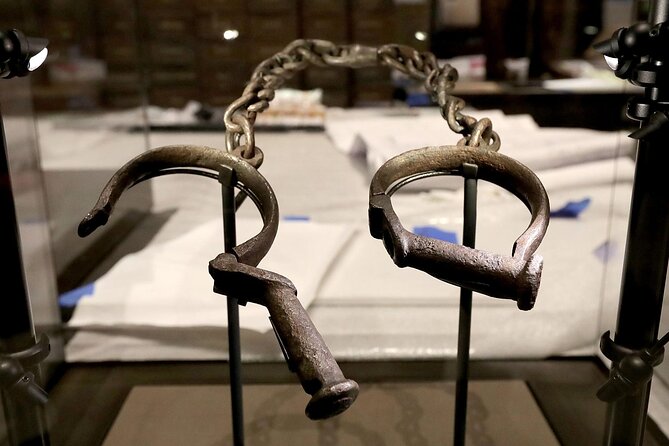
Your guide meets you at the start point shown in your booking details, then begins with Arlington National Cemetery. The plan is a guided walk that hits historically important locations and well-known names, plus memorial areas tied to soldiers from the American Civil War.
Expect stops that include major figures such as John F. and Jacqueline Kennedy, Robert McNamara, and Thurgood Marshall. You’ll also visit the Tomb of the Unknown Soldier and get a glimpse of Arlington House, the former home of Robert E. Lee.
A practical tip: plan to arrive a little early. This tour is run on time, and you’ll want to be settled before the guide starts. Also, since this is a walking-based visit with moderate physical fitness required, wear shoes that work for uneven paths and long outdoor stretches.
Small heads-up on the meeting point
The tour instructions include both an Arlington start (meeting by the gates at the cemetery) and a listed meeting address at the National Archives Research Center. The best move: read your confirmation carefully and follow the exact meet-up instructions you receive.
Lunch break: how to keep your afternoon smooth
After your time in Arlington, the tour builds in a break to eat lunch. Lunch is own expense, so you’ll choose a spot based on what you like and what’s nearby. The key here is timing. The schedule then moves you by private vehicle over to the Smithsonian area.
If you’re the type who likes to snack lightly and keep moving, that’s helpful. If you prefer a longer sit-down lunch, try to pick something quick so you don’t feel rushed when it’s time to enter museums with security checks.
National Archives Rotunda and Rubenstein Gallery: the Charters of Freedom and the Magna Carta
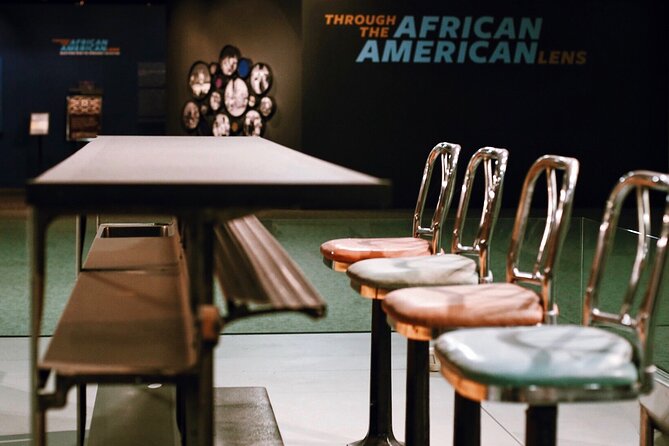
Next comes the National Archives Museum, and this is where the day’s “why the U.S. exists” story becomes very concrete. Your guide leads you through the highlights, starting with the original handwritten Charters of Freedom in the Rotunda.
This portion isn’t just about seeing famous paper. It’s about context: the guide explains the extraordinary circumstances behind the founding era, and that helps the exhibits make more sense than a quick self-guided loop.
You can also read our reviews of more historical tours in Washington DC





The Magna Carta twist in the Rubenstein Gallery
You also visit the Rubenstein Gallery, where you can view a 1297 copy of the Magna Carta. That’s a smart addition because it shifts the focus from American beginnings to older ideas of rights, rules, and governance.
The guide also nudges you toward a big question: what citizenship means, and how the criteria for who belongs has changed over time. You’ll hear the concept compared back to the founding declaration that asserted all men are created equal—then follow how real-world inclusion has shifted across U.S. history.
Security and bags: don’t bring a suitcase
For the National Archives and Smithsonian stops, security rules matter. There’s no room for large bags or suitcases. You’ll want a handbag or small thin bag pack for museum entry. If you show up with a heavy bag, you’ll waste time and lose the benefit of going early in the day.
Smithsonian American History Museum: flags, First Ladies, and Dorothy’s ruby slippers
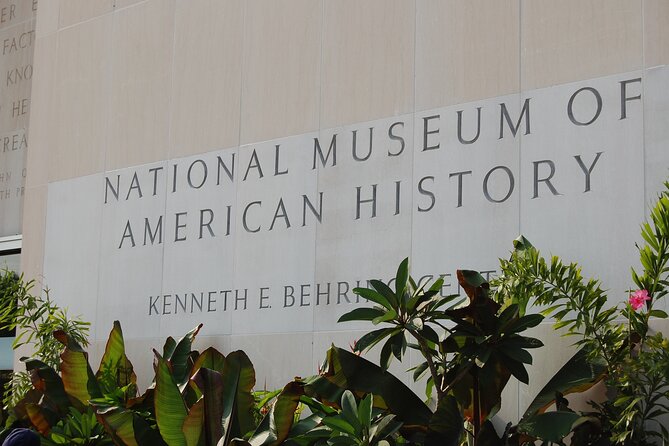
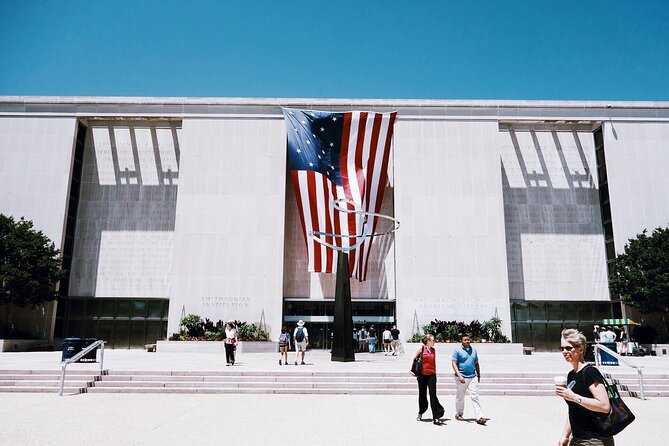
After lunch, you head to the Smithsonian National Museum of American History. This museum is famous for mixing serious historical objects with everyday cultural ones, and the guide uses that to keep the story moving.
You’ll cover core exhibits that trace the rise of the United States through objects—like the original flag that flew over Fort McHenry and inspired the poem adapted into the National Anthem. There’s also a focus on how Hollywood helped shape American identity, which is a reminder that U.S. history isn’t only laws and battles. It’s also images people grow up with.
First Ladies exhibit and the emotional power of symbols
A standout section is the First Ladies exhibit, which the tour highlights as one of the Smithsonian’s most visited experiences. The guide connects the artifacts to the concept of the U.S.—not just who wore what, but why these figures and objects became public touchstones.
And yes, you’ll get to see Dorothy’s ruby-red slippers from The Wizard of Oz, worn by actress Judy Garland. Even if you’re not a film buff, it lands because it’s so recognizable. It also works as a counterweight to the heavier documents, reminding you that national identity shows up in pop culture too.
Nearby artifacts: George Washington’s sword and more
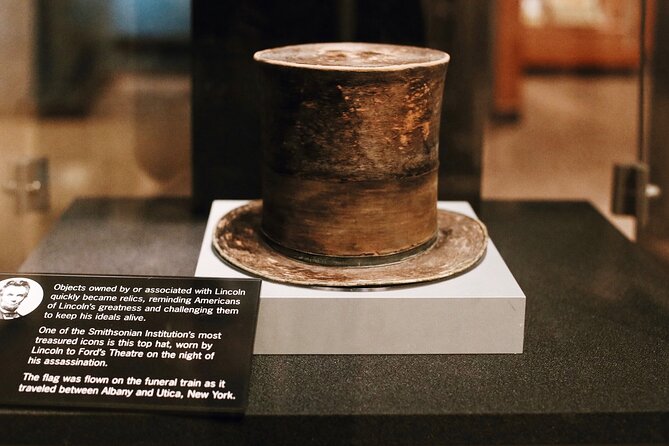
The tour also points you toward other major items housed at the Smithsonian, including George Washington’s sword. You’ll also spot key exhibit context tying items together—like the way Dorothy’s slippers are presented alongside a hat associated with Lincoln’s moment at Ford’s Theatre.
How a private guide changes your day (and why it’s worth $166.15)
At $166.15 per person, this isn’t a budget activity. But the value isn’t just “somebody speaks at you.” It’s that you pay for time, pacing, and access to interpretation.
For one, the guide knows the faster ways around the Smithsonian so you don’t lose your visit to wandering. For another, you get private transportation between tour locations if needed, which matters because Washington DC can feel spread out when you’re moving with a schedule.
Also, the tour asks you to list special interests at booking for your private tour. That’s the difference between listening and learning. If you care more about founding documents, you’ll want the guide to spend extra time on those sections. If you’re more into military history or cultural artifacts, you’ll want that emphasis too.
I’ve also picked up from guide examples on this tour that some guides run the experience with a clear, detailed style—like Annemarie, who’s described as kind and thorough while showing the two museums’ highlights. Another guide example, Brenda, is noted for being flexible, including adding a stop when time allowed. That doesn’t mean every day works the same way, but it does suggest the guides aim to keep the experience lively and not overly rigid.
Minimum two people per booking
One more value factor: there’s a minimum of two people per booking. If you’re traveling solo, this may not be the right fit unless you’re pairing up with someone else. If you have a friend or family member who’s also into history, it’s easier to justify the cost.
Practical logistics: what can trip you up in DC security and timing
This tour runs rain or shine, so you’ll want layers. The bigger day-killer isn’t weather—it’s security, bag rules, and pacing.
A few things to plan around:
- Dress matters for entry at some sites. Wear something you’re comfortable moving in, and expect you may need to adjust quickly if a location is stricter than you expected.
- Expect security lines. Even with time-saving access at the National Archives, DC security can still slow you down at popular entrances.
- Some rooms inside the Smithsonian have quiet or restricted speaking rules. The guide will tell you before you enter those areas, so listen for the instruction and adjust your volume.
There’s also a real-world issue in DC: occasional closures happen. The tour notes that museum openings can shift. If the delay is more than an hour from tour start time, they provide an alternative, but they don’t promise refunds or discounts in those cases. That’s not a reason not to book—it’s just a reason to travel with a little flexibility.
Price and fit: who should book this, and who should skip it
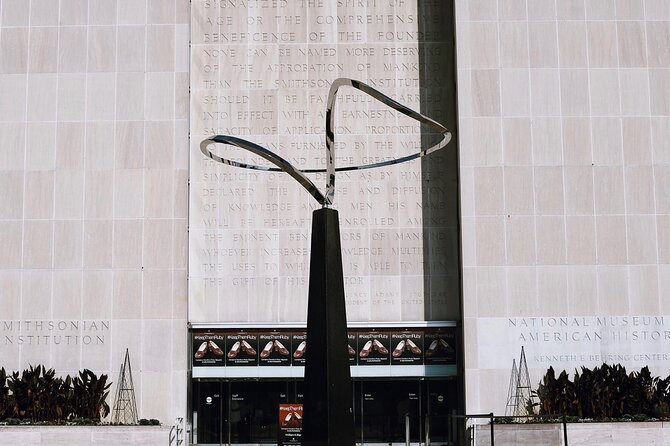
This tour is best for history lovers who want a guided structure and enjoy seeing “the famous stuff” with context. If you like Arlington’s human stories, the National Archives’ founding documents, and the Smithsonian’s combination of politics and pop culture, the pacing will click.
It also fits well if you’re tight on time. The total duration is about 5.5 hours, and you’ll be covering major sites. In DC, that’s a lot to do on your own without spending most of your day in lines and transit.
You might want to think twice if you:
- Need wheelchair access (the tour is not available for wheelchair users, and it’s not listed for walking disabilities).
- Prefer a fully unscheduled day where you can stay in one room for an hour without interruption.
- Want lunch fully included (it’s not; you’ll pay for it).
Should you book this tour?
I’d book it if you want a guided day that hits three big DC anchors—Arlington National Cemetery, the National Archives, and the Smithsonian American History Museum—and you value having someone help you move and interpret rather than just look.
Skip it if you’re sensitive to walking time or need accessibility accommodations not supported by this tour. Also, double-check the meeting point instructions in your confirmation, since the start details in the tour information can appear to point to two different locations.
If you’re a first-time DC visitor who wants the “this is what the U.S. means” version of American history, this is a strong use of a half day.
FAQ
What sites and museums are included?
The tour includes Arlington National Cemetery, the National Archives Museum, and the Smithsonian National Museum of American History.
How long is the tour, and what time does it start?
The tour lasts about 5.5 hours and starts at 10:00 am.
Where do I meet the guide?
Your meeting point is listed as the National Archives Research Center at 700 Pennsylvania Ave NW, Washington, DC. The tour description also mentions meeting at the welcome center by the gates of Arlington National Cemetery, so check your confirmation for the exact start location.
Is lunch included in the price?
No. You’ll take a lunch break, and lunch is at your own expense.
Is museum admission included?
Museum admission tickets are listed as free for both the National Archives Museum and the National Museum of American History.
Does the tour offer any skip-the-line advantage?
Yes. The National Archives Museum portion is described as a way to skip-the-line and save time.
Is this tour private?
Yes. It’s a private tour/activity, and only your group participates. The guide is exclusively for you (with the note that this does not apply if you choose a semi-private option).
Do I need to provide any phone information?
Yes. You’re required to provide a mobile phone number (including country code).
Can I cancel for a full refund?
Yes. You can cancel for a full refund if you cancel at least 24 hours before the experience’s start time.