REVIEW · WASHINGTON DC
Washington DC: National Gallery of Art – Guided Museum Tour
Book on GetYourGuide →Operated by Babylon Tours DC · Bookable on GetYourGuide
One room, centuries of art, and a guide who makes it click. This National Gallery of Art highlights tour is built around big names and clear storytelling, with time for technique and museum history. I especially like the small-group feel (up to 8 people) and the chance to see headline works in a way that’s more than just looking at labels.
Two things I really like: you’ll hit major Renaissance and Impressionist stops in one efficient walk, and the guide adds the human side—stories, scandals, and how each artist made the work. One drawback to weigh: like any major collection tour, some featured pieces may not be on view if they’re on loan or being restored, so your exact lineup can shift.
In This Review
- Key highlights to expect on this 2.5-hour walk
- Why a guided highlights sweep beats wandering the National Gallery
- Getting started at the museum: security, bags, and ID
- The guide makes the difference: stories, technique, and museum history
- Stop-by-stop: Renaissance stars like Ginevra, Raphael, and Titian
- American icon time: Gilbert Stuart’s George Washington
- French masters: Degas and the small details you’ll start noticing
- Van Gogh and Monet: Impressionism with a human explanation
- If you’re planning around what’s on view
- How the museum’s scale affects your experience
- Group size, comfort, and what $86 buys you
- Timing and movement: how the tour stays efficient
- Gallery rules you should know before you get annoyed
- Who this tour is best for (and who might pass)
- Should you book this National Gallery of Art highlights tour?
- FAQ
- How long is the National Gallery of Art guided tour?
- How much does the tour cost?
- Is this tour a small group or private option?
- What’s included in the price?
- What’s not included?
- Do I need ID?
- Is luggage allowed inside?
- Are wheelchair-friendly tours available?
- What if the museum is closed or delayed?
- Is cancellation free?
Key highlights to expect on this 2.5-hour walk

- A tight highlights route through Renaissance, French Impressionism, and American masters without aimless wandering
- Gilbert Stuart’s George Washington portrait, plus other must-sees anchored to the era you’re in
- The rare da Vinci connection: Ginevra de’ Benci, described as the only Leonardo painting in the USA
- Impressionist hits such as Van Gogh’s Self Portrait and Monet’s Woman with a Parasol
- A guide who uses more than facts, including techniques and behind-the-scenes stories
- A small group cap of 8, with private options if you want it quieter
Why a guided highlights sweep beats wandering the National Gallery

The National Gallery of Art can feel huge fast, even when you’re excited. A highlights tour is the smarter move because it gives you a route and, just as important, context while you’re still standing in front of the painting.
What makes this one work is the balance. You get the famous names—Renaissance masters, French Impressionists, and American greats—but the guide ties them to how the museum itself evolved, from a nearly empty building to a world-class institution in under 100 years. That museum “why” makes the art feel less random and more like a plan.
You can also read our reviews of more guided tours in Washington Dc



Getting started at the museum: security, bags, and ID

Before you even reach the first gallery, you’ll want to be ready for museum-style security. You’ll bring a passport or valid ID as the tour instructions require it, and luggage or large bags aren’t allowed.
Plan on traveling light. Only handbags or small thin bag packs are allowed through security, so if you’re used to bringing a tote plus a camera bag, you’ll likely need to rethink what you carry. The better your setup, the less time you lose to shuffling bags before you can get into the art.
The guide makes the difference: stories, technique, and museum history

This tour isn’t just a “point and read” experience. Your English-speaking local guide is there to be an expert on the museum and to explain the stories behind the works—plus the techniques used to make them. That’s the part that usually separates a decent museum visit from a memorable one.
You’ll also hear how the museum changed quickly over time—how it went from not much to something world-famous in less than a century. And because the guide is walking you through the collection rather than dropping you into one room, you get better at noticing details like brushwork, composition choices, and period style differences.
One thing I appreciate from guide feedback is that some guides (for example, one named Rebecca) have used an iPad to add extra context at the artwork itself. You don’t have to hunt for information on your phone; the explanation comes right where you can see the evidence.
Stop-by-stop: Renaissance stars like Ginevra, Raphael, and Titian
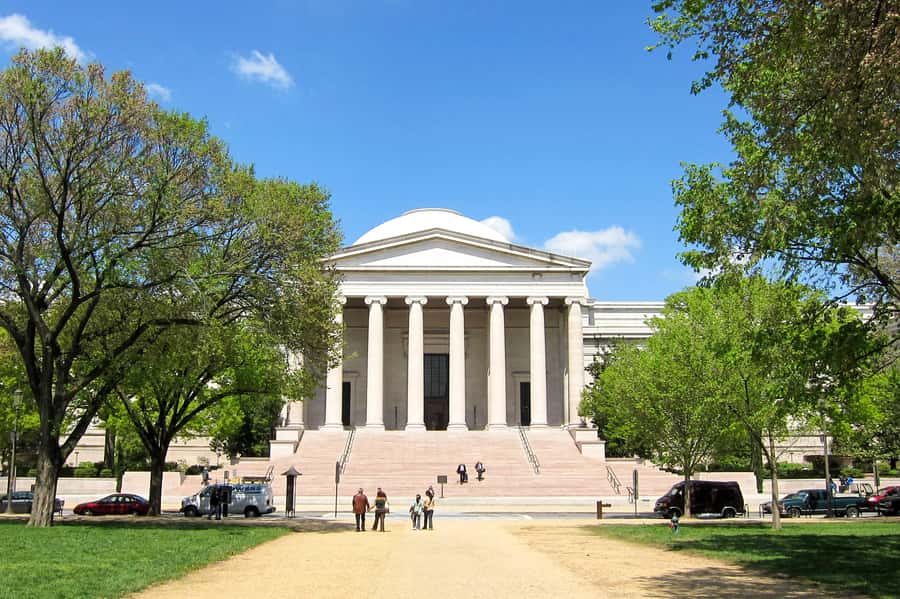
This is a highlights tour, but it still respects time. You’ll move through major anchors from the Renaissance, where the big question isn’t just who painted it—it’s how the painting fits into the era’s thinking about realism, light, and ideal form.
One of the tour’s headline paintings is Ginevra de’ Benci by Leonardo da Vinci. The description you’ll hear is that it’s the only Leonardo painting in the USA. Standing in front of it, the guide can help you connect what you’re seeing to why Leonardo is so central: the way the figure and background relationships feel carefully engineered.
Another Renaissance stop you may see is The Alba Madonna by Raphael. Raphael’s works tend to reward you when you know what to look for—how the composition leads your eye, and how the painting’s calm structure supports the subject.
You may also encounter Venus with a Mirror by Titian. This gives you a nice contrast within the Renaissance section: you can compare Titian’s style and sensibility with the approaches you just heard about from Leonardo and Raphael. Even without being an art-history nerd, you’ll leave with a clearer sense of how Renaissance painting isn’t one single look—it’s multiple voices.
American icon time: Gilbert Stuart’s George Washington
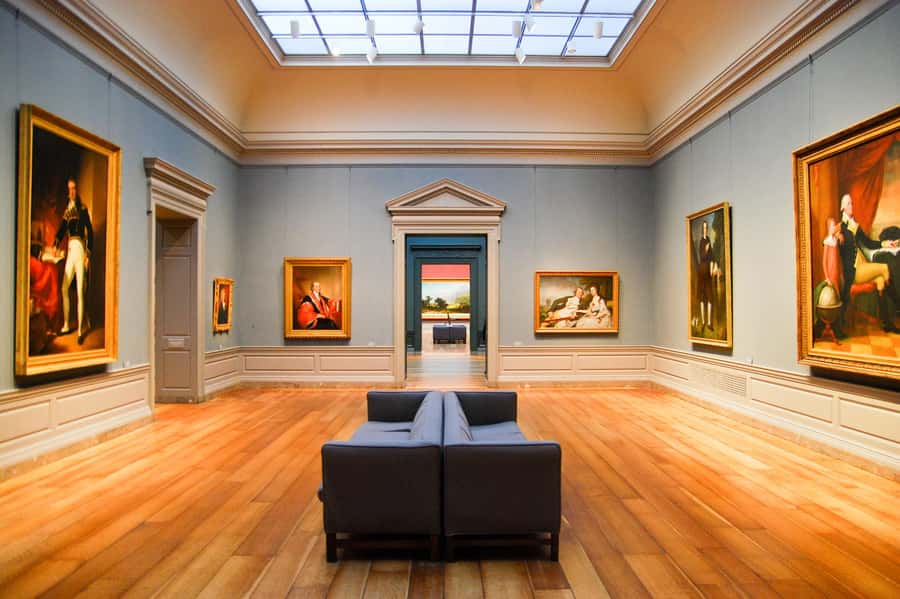
Then the tour pivots to American pride. The famous portrait of George Washington by Gilbert Stuart is one of the most recognizable works in the route. The reason this stop matters is that it anchors the story of the museum and the collection’s breadth. You’re not just traveling through Europe’s art history; you’re also seeing how American identity shows up in a major international collection.
What I like here is the way a good guide can turn a familiar face into something you understand. Instead of treating Washington as a “poster image,” you’ll hear about what’s going on in the painting—why it looks the way it does and what the work communicates in its own time.
You can also read our reviews of more museum experiences in Washington Dc






French masters: Degas and the small details you’ll start noticing

The route also includes a major Degas work: Little Dancer. This is the kind of painting (and subject) where the techniques and choices can be easy to miss if you’re just skimming.
The guide helps you focus on the small things that matter—how the artist shaped the feeling of the figure and how the work fits into its time. If you’ve ever walked out of a museum thinking you understood the “big picture” but not the specifics, this is the part that usually fixes that.
Van Gogh and Monet: Impressionism with a human explanation
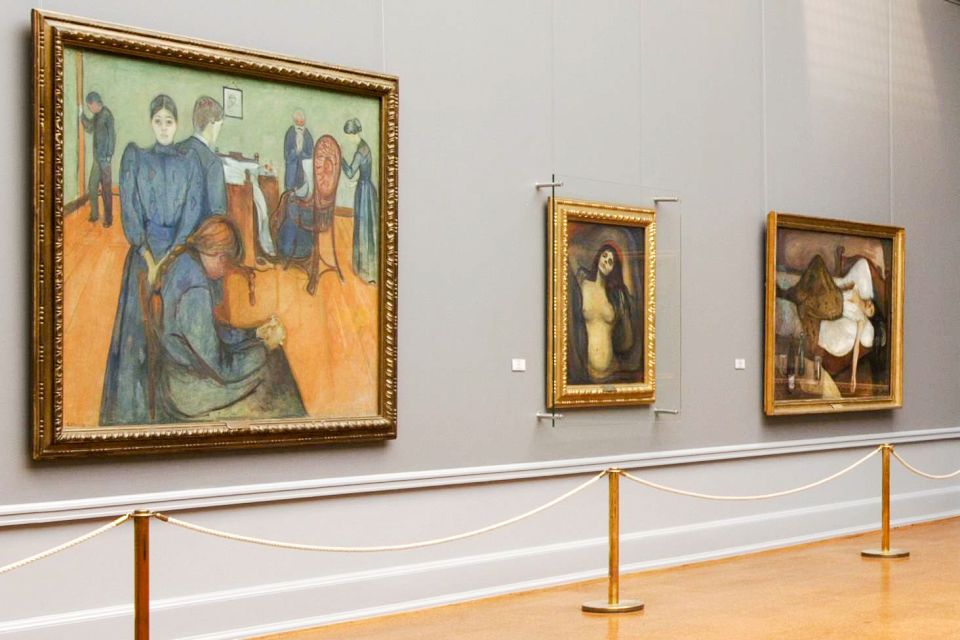
After the Renaissance and the American anchor, you’ll hit two Impressionism-style blockbuster names that make the tour feel worth it on one walk: Vincent van Gogh and Claude Monet.
You’ll see Van Gogh’s Self Portrait, which is a strong choice for a highlights tour because it’s not just “another famous painting.” It’s an emotional document, and a guide can explain how van Gogh’s approach to color, line, and self-imaging creates that intensity.
Then you’ll see Monet’s Woman with a Parasol. Monet is famous enough that you may think you already know what to expect, but the guide’s job is to help you see how the painting’s choices connect to the Impressionist approach. When you’re standing there with someone explaining what the brushwork is doing, the art starts to feel less like a postcard and more like a moment.
If you’re planning around what’s on view
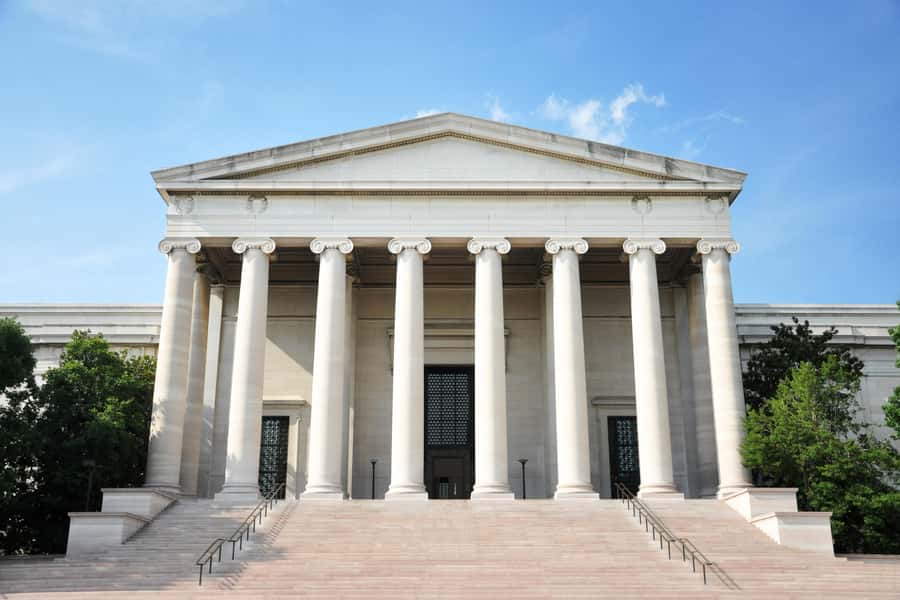
One practical detail: the listed works are presented as tour highlights, if artwork is not on loan or being restored, etc. That’s normal for a museum of this scale, but it matters for planning your expectations.
Here’s how to handle it: treat the tour as a highlights framework rather than a guaranteed checklist. You’ll still get the Renaissance-to-Impressionism-to-American arc, and the guide will adapt to what’s available in the galleries you enter.
How the museum’s scale affects your experience
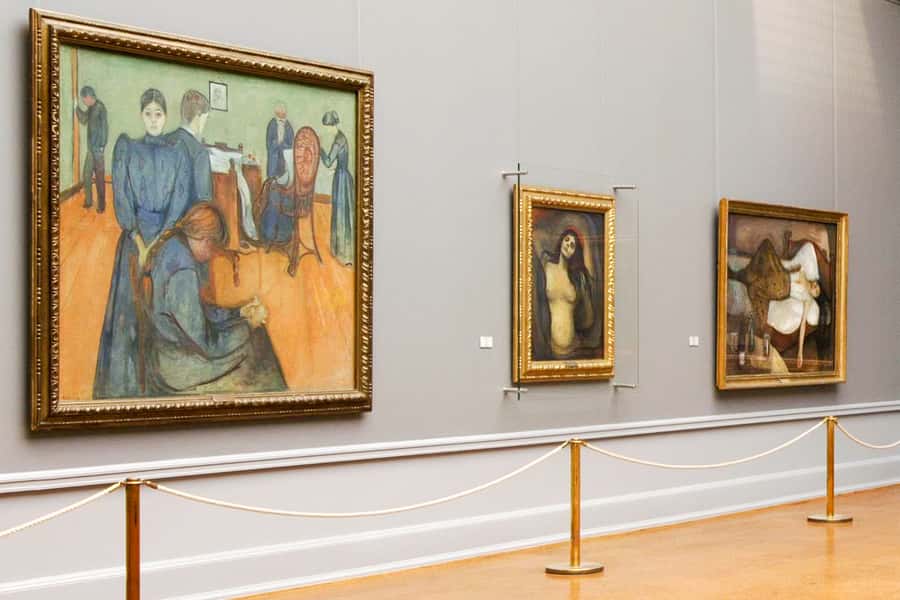
The museum collection is enormous—roughly 141,000 paintings, drawings, photographs, sculptures, and new media stretching back to the Middle Ages. That’s thrilling, but it also means self-guided visits can easily turn into “I saw a few famous things” instead of “I understood a thread.”
This tour’s value is that it gives you navigation and priorities. You don’t have to figure out what matters first. You follow the guide’s sequence, learn the why behind the paintings, and leave with a stronger sense of how the National Gallery’s collection tells its story.
Group size, comfort, and what $86 buys you
At $86 per person, the real question isn’t whether it’s cheap—it’s whether it buys you something you can’t easily replicate on your own.
In this case, I think it does. You’re getting a professional guide for about 2.5 hours, a walk-through structure, and explanations focused on technique, stories, and scandals rather than just basic descriptions. Add in the private or small group option (small groups max at 8), and you can see why the cost can feel fair: you’re paying for time with an expert and for a route that saves your brain from decision fatigue.
If you’re the kind of person who enjoys museum labels but wants the human layer—this tour fits. If you only want the paintings without interpretation, you might find it less necessary.
Timing and movement: how the tour stays efficient
This is a walking tour, so you’ll be on your feet for a while. The upside is you get momentum: you’re not stuck in one room wishing you had more time elsewhere.
The tradeoff is that you’ll need to keep pace with the group, and you might not linger for long at every stop. If you like to spend 20 minutes studying one painting, plan to do that on a return visit with your own time—because the tour is designed for breadth and clarity.
Gallery rules you should know before you get annoyed
A couple of museum realities can affect how the experience feels. Some rooms have quiet or restricted rules about speaking, and the guide will let you know about the contents before entering those spaces.
Also, the museum may have occasional closures without warning. If that causes delays of more than 1 hour from the start time, you’ll be provided an appropriate alternative, but refunds or discounts aren’t guaranteed in those cases. The key point for your planning: build in flexibility if you can, because major museums sometimes adjust operations.
Who this tour is best for (and who might pass)
This tour is a strong match for you if you want a guided route that connects major works across multiple eras in one visit. It’s also great if you like the story side—technique, scandals, and the human reasons art became important.
You might want to skip it (or at least consider a self-guided plan) if you already know exactly what you want to see and prefer to move slowly room by room. Also, if you rely on wheelchair access, the information is mixed: wheelchair tours are mentioned as available by request, but it also notes the activity isn’t suitable for wheelchair users. In that case, you should confirm what’s possible with the provider before you book.
Should you book this National Gallery of Art highlights tour?
If you’re planning to visit Washington DC and want one smart, structured museum experience, I’d book this tour. It’s built for value: a guided route, a clear span from Renaissance through Impressionism to American art, and a guide who explains the art in a way that makes your next museum stop easier to understand.
If your schedule is tight and you want more than wandering, this tour helps you squeeze understanding out of limited time. And if you’re a first-timer at the National Gallery, you’ll likely leave with a better sense of where to go next on your own—because you’ll finally know what you’re looking at.
FAQ
How long is the National Gallery of Art guided tour?
The tour lasts about 2.5 hours.
How much does the tour cost?
The price is $86 per person.
Is this tour a small group or private option?
You can choose between a private tour or a small group tour. The small group size is limited to no more than 8 people.
What’s included in the price?
The tour includes a professional guide, the 2.5-hour walking tour, and the private or small group experience.
What’s not included?
Hotel pickup and drop-off, food and drinks, and temporary exhibits are not included.
Do I need ID?
Yes. You should bring a passport or ID card, and valid photo ID is required.
Is luggage allowed inside?
No. Luggage or large bags aren’t allowed, and only handbags or small thin bag packs are permitted through security.
Are wheelchair-friendly tours available?
Wheelchair tours are listed as available by request only, but the activity also notes it isn’t suitable for wheelchair users. You should confirm availability before booking.
What if the museum is closed or delayed?
The gallery may have occasional closures without prior warning. If the opening is delayed more than 1 hour from the tour starting time, you’ll be offered an appropriate alternative, and refunds or discounts aren’t provided in those cases.
Is cancellation free?
The tour offers free cancellation up to 24 hours in advance for a full refund.