REVIEW · WASHINGTON DC
DC National Gallery of Art Guided Tour Semi-Private 8ppl Max
Book on Viator →Operated by Babylon Tours DC · Bookable on Viator
Eight people, one museum—fast art lessons in DC. This National Gallery of Art guided tour keeps it semi-private with a cap of eight, so you get a clear route through headline works and the stories behind them. You can pick a morning or afternoon start, then continue exploring after the tour ends.
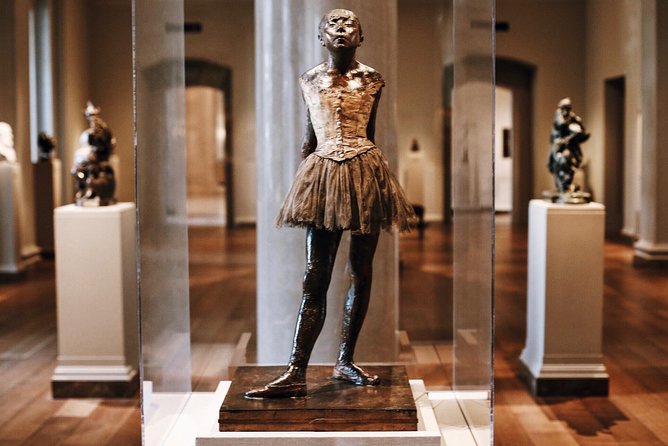
I love how the guide links the collection in a logical route, moving from Renaissance through French Impressionism and into major American and modern names. I also like that you focus on specific works you’ll remember later, including Degas’s Little Dancer and Monet’s Woman with a Parasol, not just a list of famous paintings.
One possible drawback: it’s only about 2.5 hours, so it can feel like a well-paced sprint. Also, a recurring note in feedback is that there may not be a dedicated restroom break.
In This Review
- Key things I’d mark on your mental map
- A Small-Group Art Sprint Through Washington’s National Gallery
- What Your 2.5 Hours Really Covers (and Why It’s Worth It)
- Stop-by-Stop: The Works You’ll Aim Your Eyes At
- Leonardo da Vinci’s Ginevra de’Benci
- Raphael’s Alba Madonna
- Titian’s Venus with a Mirror
- Edgar Degas’s Little Dancer
- Vincent van Gogh’s Self Portrait
- Claude Monet’s Woman with a Parasol
- Gilbert Stuart’s portrait of George Washington
- Additional modern stops: Picasso, Pollock, Warhol, and O’Keeffe
- How Guides Turn Art Into a Story You Can Recreate
- Museum Layout, Pacing, and the Practical Stuff You’ll Feel on Arrival
- Arrival timing
- Security and bags
- Quiet or restricted rooms
- Pace and breaks
- Price and Value: Is $89.67 a Fair Deal?
- Who This Tour Suits Best (and Who Might Prefer Solo Time)
- Should You Book This National Gallery of Art Tour?
- FAQ
- How many people are in the group?
- How long is the National Gallery of Art guided tour?
- Is the tour offered in English?
- Do I need to buy a separate admission ticket?
- Where does the tour meet?
- Does the tour include hotel pickup or drop-off?
- Is gratuity included in the price?
- Is the tour wheelchair accessible?
- Do I have to provide a mobile phone number?
- What if the museum is closed or delayed?
Key things I’d mark on your mental map
- Cap of 8 people keeps the tour personal and easier to hear
- Masterworks packed in from da Vinci and Raphael to Degas, Monet, Titian, and van Gogh
- Technique talk explains how painters built effects you usually miss on your own
- Museum history in context covers how it grew fast from a near-empty building into a major museum
- Quiet-room rules handled because some spaces limit speaking, and the guide sets expectations first
A Small-Group Art Sprint Through Washington’s National Gallery
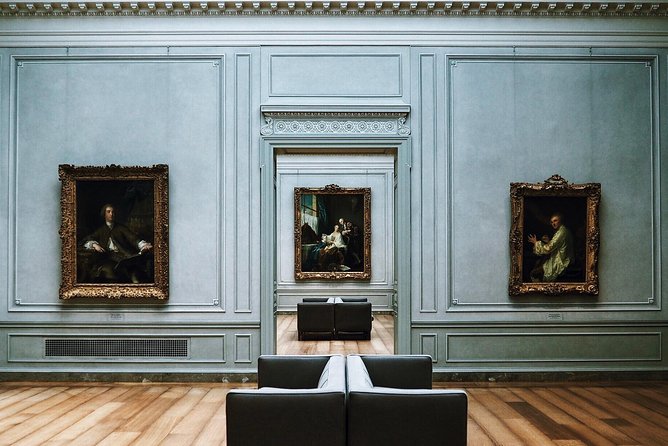
If you’ve ever wandered the National Gallery of Art solo, you know the problem: it’s excellent, but it’s also big. This tour solves that by keeping the group tiny and giving you a plan for what to see and why it matters.
The experience is billed as semi-private, with a strict maximum of eight people. That size matters more than it sounds. In a room full of art, you don’t just want to see the canvas—you want to hear what to look for, then turn your eyes in the right direction. With a small group, you get more back-and-forth moments and fewer awkward waits while everyone shuffles toward the next wall.
I also like the fact that it’s not a one-note highlight reel. The route is designed to show pieces in context, so you start noticing patterns: how different eras handled light, how artists built emotion with pose and color, and why some works became famous for reasons beyond aesthetics. And since you finish at the museum, you’re not locked into staying with the group all afternoon. You can circle back to what grabbed you.
You can also read our reviews of more guided tours in Washington DC



What Your 2.5 Hours Really Covers (and Why It’s Worth It)
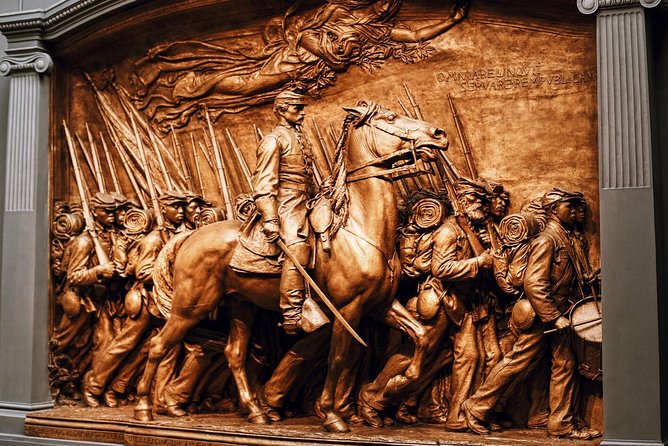
The tour runs about 2 hours 30 minutes. That’s long enough for real art talk, but short enough that you won’t get museum-fatigue. Think of it as a high-impact orientation, not a total survey of the museum.
Here’s the practical upside: you don’t spend your limited time hunting for the most important rooms. Instead, you follow a designed path to major works across multiple movements—Renaissance to French Impressionism, then onward to important American and modern pieces. During the walk, the guide stops you at key paintings and sculptures and explains technique, story, and sometimes the less-squeaky side of art history. That means you’re not just viewing; you’re learning how to read what you’re seeing.
The other upside is what happens after. The best part of a museum tour isn’t finishing it. It’s what you do next, after the guide is gone. This tour ends back at the meeting point and you can continue exploring on your own, which is ideal if you want to linger at the pieces that made the strongest impression when your brain was still freshly focused.
Stop-by-Stop: The Works You’ll Aim Your Eyes At
Your main destination is the National Gallery of Art itself, starting at Constitution Ave. NW (the tour meets there and ends there). From there, the guide leads you through a route that prioritizes landmark works and connects them to broader art developments.
Leonardo da Vinci’s Ginevra de’Benci
You’ll see da Vinci’s Ginevra de’Benci early enough that it sets the tone for the Renaissance side of the museum. The value here is context. Without guidance, you might look at the work as just another famous name on a wall label. With a guide, you’re prompted to notice what Renaissance painters did to create depth and presence—how details feel intentional, not accidental.
Raphael’s Alba Madonna
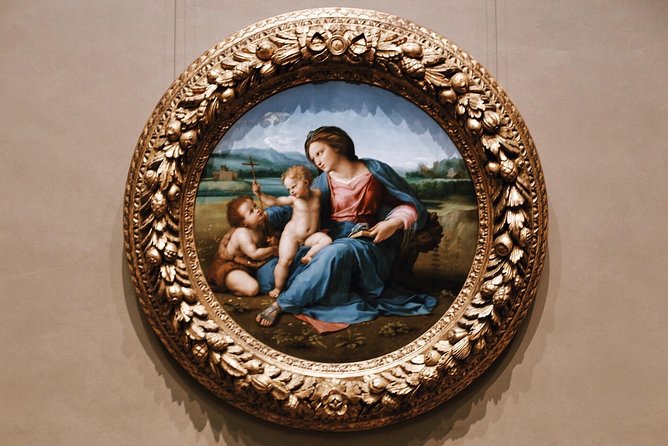
Raphael is the kind of artist that can feel distant if you only know him through one famous reputation. On this tour, the guide helps you understand why his religious subjects mattered visually, and how his approach connects to the larger Renaissance project: making scenes feel both symbolic and believable.
You can also read our reviews of more private tours in Washington DC






Titian’s Venus with a Mirror
Venus with a Mirror is one of those works where you’ll likely spend an extra minute once the guide points out the right things to notice. The tour framing makes it easier to see how Titian creates a mood with pose and surface effects, instead of treating the subject like a static portrait.
Edgar Degas’s Little Dancer
Degas’s Little Dancer is among the museum’s most beloved sculptures, and it’s a big reason this tour works even if you’re not an art-history diehard. A guide helps you look past the obvious and consider how the artist built character and expression in three dimensions.
Vincent van Gogh’s Self Portrait
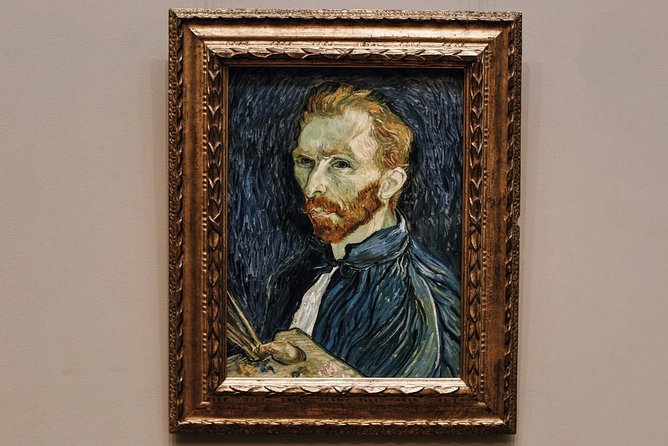
You’ll also stop for van Gogh’s Self Portrait. A good art tour doesn’t just say this is important; it explains what to look for so you can feel the painter’s choices. Here, the guide connects the work to the artist’s visual language, which makes the portrait feel more like a living statement and less like a museum artifact.
Claude Monet’s Woman with a Parasol
Monet’s Woman with a Parasol is a romantic Impressionist favorite. This is the moment where Impressionism often clicks for people because you can actually watch the painting’s logic: the way light and color suggest atmosphere and movement. If you’ve ever thought Impressionism is all about colors that don’t mean anything, a tour stop like this can fix that.
Gilbert Stuart’s portrait of George Washington
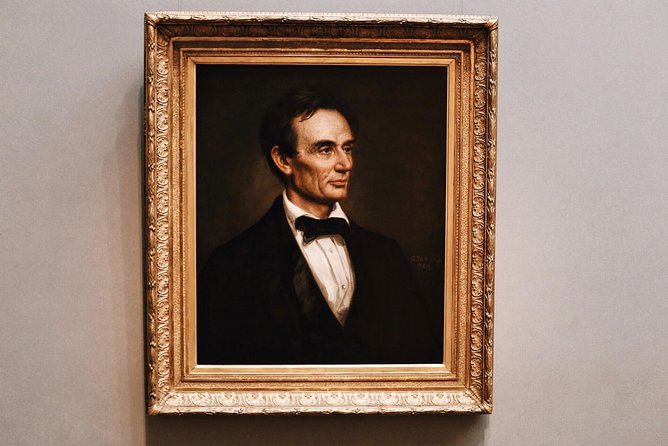
You’ll examine Gilbert Stuart’s portrait of George Washington too. This part of the route is valuable because it anchors American art history in a person you already know. The guide’s job is to show you what makes this portrait memorable—composition, expression, and the visual confidence that helps explain why images of leaders became so influential in early American culture.
Additional modern stops: Picasso, Pollock, Warhol, and O’Keeffe
The tour also brings in modern and contemporary giants, including Picasso, Pollock, Warhol, and O’Keeffe. Even if you don’t know those names deeply, you’ll benefit from the guide’s technique-and-context approach. You’ll learn that modern art isn’t just random or shocking for the sake of it; it’s often built from clear choices about form, paint, and meaning.
How Guides Turn Art Into a Story You Can Recreate
The heart of this tour is the guide’s explanations: not just facts, but the way the facts connect to what your eyes see.
In feedback, I’ve seen patterns in how guides teach. Leigh, for instance, was praised for detail-heavy, expressive explanations that carry you from Renaissance all the way through contemporary art. Paul was noted for strong art-history context that helps connect stories and hidden details you miss when you walk quickly on your own. Amanda and Rebecca were highlighted for covering a lot in the limited time while still keeping the tone balanced for mixed-age groups.
What I’d call out for your planning is this: when a guide talks technique—how a painting achieves depth, how a sculpture creates presence, how an artist builds mood—you end up with mental tools. Then, even after the tour ends, you’re better at reading the gallery walls like a map.
It also helps that you may hear about history and even scandals connected to art and artists. That doesn’t replace the art; it makes it feel human. Art isn’t created in a vacuum, and a tour stop that explains that makes the museum feel less like a warehouse of masterpieces and more like a timeline of people making daring choices.
Museum Layout, Pacing, and the Practical Stuff You’ll Feel on Arrival
This is a guided route inside a major DC museum, and the practical factors can make or break your experience.
Arrival timing
You’ll meet your guide ahead of the start time. Give yourself enough buffer to handle security and find the group.
Security and bags
The museum security rules matter here: no large bags or suitcases are allowed inside—only handbags or small thin bag packs. If you’re traveling light, great. If you’re not, I’d adjust your packing before you get to the airport-hopping stage of your day.
Quiet or restricted rooms
Some parts of the museum have quiet or restricted rules about speaking. The guide will provide the information before you enter those areas. This is one of those details that sounds minor until you’re standing in front of a masterpiece and the space suddenly goes strict. Having it explained reduces awkwardness.
Pace and breaks
This tour is designed for coverage, so you’re likely moving steadily. One common complaint in feedback is that there isn’t a restroom break built in. If you think you’ll need frequent pauses, plan ahead and use the facilities before the tour begins. This is especially smart if you’re doing multiple timed activities in Washington the same day.
Price and Value: Is $89.67 a Fair Deal?
At $89.67 per person, this tour sits in the “worth it if it fits your style” category. Here’s how I’d judge value using what you actually get.
You’re paying for:
- a professional guide
- a semi-private group cap of eight
- about 2.5 hours of a guided route designed to hit major works across eras
- the storytelling layer: technique, context, and museum history
Also important: the museum admission is listed as free in the tour information, which improves the value. You’re not paying extra just to get in. In a museum setting, a guide’s time matters because the National Gallery is so full that you can easily spend hours seeing less than you hoped.
Where value can feel weaker is pace and expectations. One review called it overpriced for what was provided. That’s usually a sign of a mismatch: if you want a long, slow museum day with lots of time for wandering room-to-room, a 2.5-hour route won’t satisfy that craving. If you want a fast, focused crash course that helps you choose what to revisit afterward, this price starts to make sense.
Who This Tour Suits Best (and Who Might Prefer Solo Time)
This tour is ideal if you:
- want a focused art introduction in a short window
- like being guided to major works without doing research upfront
- enjoy technique talk and stories beyond simple label-reading
- travel with a small group or as a solo visitor who appreciates quieter pacing
It may not be ideal if you:
- need wheelchair access or are using a wheelchair (the tour is not available for those with walking disabilities or using a wheelchair)
- prefer long breaks and lots of unstructured time in each room
- expect a deeper, slower study of just one artist or one wing
There’s also a moderate physical fitness requirement. The tour is inside a museum, so it’s not hiking, but you will be walking and moving between stops.
Should You Book This National Gallery of Art Tour?
I’d book it if you’re going to Washington for a short stay or you want your museum time to pay off fast. The small group size, the designed route, and the emphasis on technique and context make it a strong choice for anyone who wants the National Gallery of Art to feel understandable instead of overwhelming.
I’d skip or reconsider if your goal is a long museum day with lots of individual wandering. Also think twice if you know you need built-in restroom breaks or lots of pauses between galleries.
If you do book, plan to travel light for security, arrive a little early to get oriented, and decide in advance what you want to see most. You’ll come away with a clearer sense of the art, and you’ll get better results when you continue exploring on your own.
FAQ
How many people are in the group?
The tour is capped at a maximum of eight guests.
How long is the National Gallery of Art guided tour?
It runs about 2 hours 30 minutes.
Is the tour offered in English?
Yes, it is offered in English.
Do I need to buy a separate admission ticket?
Museum admission is listed as free for this experience.
Where does the tour meet?
The meeting point is National Gallery of Art, Constitution Ave. NW, Washington, DC 20565, USA.
Does the tour include hotel pickup or drop-off?
No. Hotel pickup and drop-off are not included, and you’ll want to use Uber or taxi.
Is gratuity included in the price?
No. Gratuities are not included and are optional.
Is the tour wheelchair accessible?
No. The tour is not available for those with walking disabilities or using a wheelchair.
Do I have to provide a mobile phone number?
Yes. You must provide a mobile phone number, including country code.
What if the museum is closed or delayed?
National Gallery and other attractions can have occasional closures. If opening is delayed more than 1 hour from the tour start time, you’re offered an appropriate alternative. In those cases, refunds or discounts are not provided.