
REVIEW · WASHINGTON DC
Embassy Row & Dupont Circle: Gilded Age History Small-Group Tour
Book on Viator →Operated by Unscripted Tours · Bookable on Viator
Washington DC has a knack for hiding plot twists in plain sight. This small-group tour around Embassy Row and Dupont Circle turns what looks like elegant street scenery into a chain of real people, real ambitions, and real drama.
I love the way the guide keeps things moving fast without turning it into a rush. I also love the focus on what you can actually see from the sidewalk, especially the guide’s standout storytelling and the famous names you start connecting for the first time.
One thing to consider: this is an exterior tour only. You’ll learn a lot, but you do not go inside the mansions, even if you’re staring at some that look made for walking through the front door.
In This Review
- Key reasons this tour works well
- Where Gilded Age Washington Comes Alive (Without Museum Lines)
- Start at 1921 Biergarten at Heurich House Museum (Then Get Your Bearings)
- Mansion on O Street: Statues, Memorabilia, and a House Built for Secrets
- Anderson House: Society of the Cincinnati and the Idea of Civic Status
- Embassy of Indonesia: Evalyn Walsh McLean’s Parties and a Home That Changed Roles
- Dupont Circle Park: The Circle That Names the Neighborhood
- Sulgrave Club and the Wadsworth Family Tragedy
- An Early African-American Architect: A Less-Expected Design Thread
- Why the Guide Makes the Difference (Especially When Weather Turns)
- What you should do to get the most out of it
- Price and Value: $69 for a 90-Minute Story Walk
- Who This Tour Is Best For (And Who Might Want Something Else)
- Should You Book This Embassy Row & Dupont Circle Tour?
- FAQ
- How long is the Embassy Row & Dupont Circle tour?
- Where does the tour start and end?
- Is this a walking tour, and is it indoors?
- What’s included in the price?
- What group size should I expect?
- What language is the tour offered in?
- What if poor weather cancels the tour?
Key reasons this tour works well
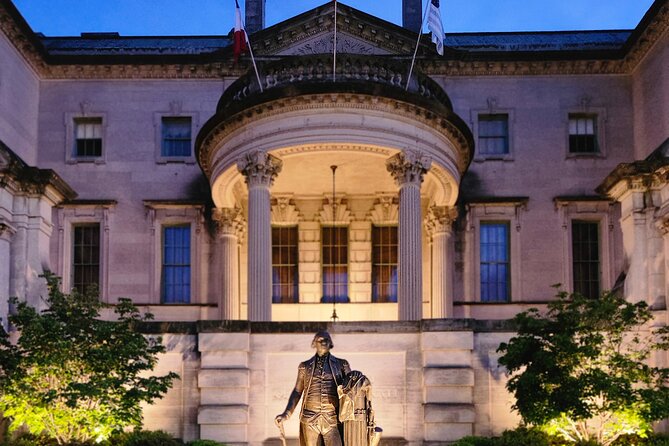
- Shane-level storytelling that makes architecture and big social names feel personal
- Small group size (max 15), which keeps the walk easy to follow and questions actually get answered
- Exterior-only format that’s perfect if you want history without adding museum time
- Dupont Circle orientation so you understand how the neighborhood got its shape
- Secret-passage curiosity and other oddball details that you’ll remember on your next DC stop
Where Gilded Age Washington Comes Alive (Without Museum Lines)
This walk is built for a specific kind of DC traveler: you want the story behind the stately facades, but you also want to keep your day practical. Embassy Row and Dupont Circle can feel like a blur if you’re sightseeing on your own, because you’re surrounded by buildings that all look important. A good guide helps you sort which ones matter and why, with clear, human context.
The format also fits how this neighborhood behaves in real life. You’ll spend your time outdoors, spotting clues from street level and pausing briefly at the most talk-worthy points. And because the group stays small, you’re not lost in a crowd while you try to hear a guide over traffic.
You can also read our reviews of more walking tours in Washington DC



Start at 1921 Biergarten at Heurich House Museum (Then Get Your Bearings)
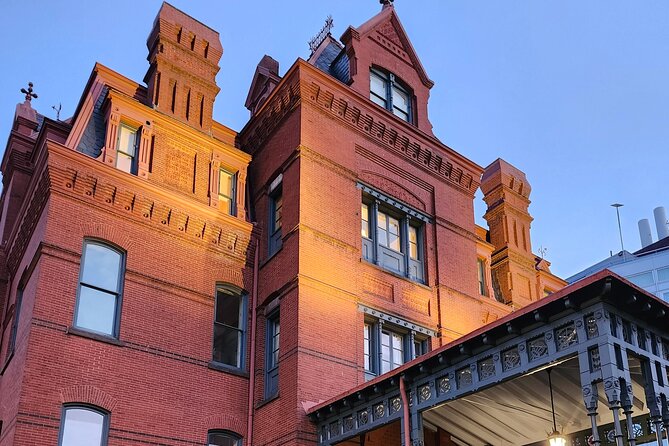
The tour begins at the 1921 Biergarten at Heurich House Museum, at 1307 New Hampshire Ave NW, with a 2:30 pm start. That matters because it sets the tone: this isn’t a sit-down lecture. It’s a neighborhood walk that starts by anchoring you in a local landmark tied to Washington’s brewing past.
Your first stop keeps it straightforward. You spend about 15 minutes at the Heurich House beer garden area—time enough to absorb the setting and hear what you’re looking at. The admission ticket for this part is listed as free, which is a nice perk in a paid tour, even though the overall tour is still mainly about guided sights rather than ticketed interiors.
What I like about starting here is that it gives you an early “DC logic” lesson. Washington’s old wealth didn’t just build houses—it built social spaces. Heurich House connects that to everyday life, not just grand portraits and dusty facts.
Mansion on O Street: Statues, Memorabilia, and a House Built for Secrets
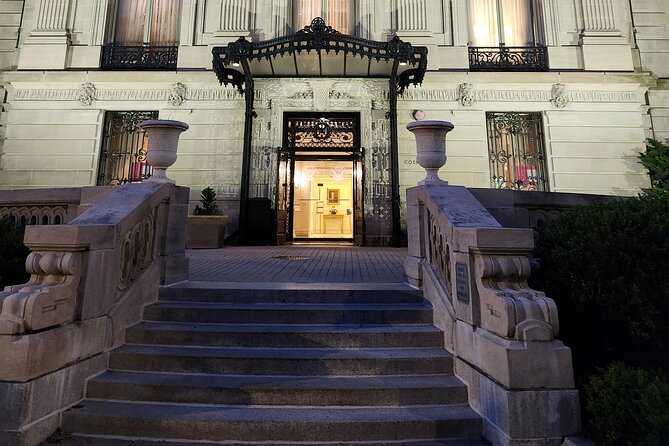
After the Heurich stop, you’ll move to a Mansion on O Street moment. You’ll see some fun and interesting statues and memorabilia, and you’ll hear about this quirky house with over 100 secret passages.
Even though you’re not entering the mansions, this is the kind of stop that works because you’re given something to look for. Secret passages and eccentric decor are the sort of details you can’t fully appreciate from random photos. With a guide, the exterior becomes a kind of puzzle—and you start noticing how DC’s wealthy playful side showed up in their architecture.
If you’re the type who likes odd details—how people lived, how they hid things, how they staged daily life—this is one of the more memorable stops on the route.
Anderson House: Society of the Cincinnati and the Idea of Civic Status
Next is Anderson House, a Gilded Age mansion with a connection to the Society of the Cincinnati. Your guide will explain that this fraternal order predates the Constitution, which adds an extra layer to the building. It’s not just old; it’s tied to the kind of power networks that helped shape the early nation.
You’ll spend about 15 minutes here, and again, the emphasis stays on what you can take in from outside. That’s actually a smart approach for this neighborhood. Anderson House and similar buildings look imposing from the street, but the story behind them is where the fascination really lands.
A practical way to enjoy this stop: listen for the guide’s framing of what the Society stood for. Once you hear the connection, the building stops being a pretty facade and becomes a signpost for how status and civic identity worked back then.
Embassy of Indonesia: Evalyn Walsh McLean’s Parties and a Home That Changed Roles
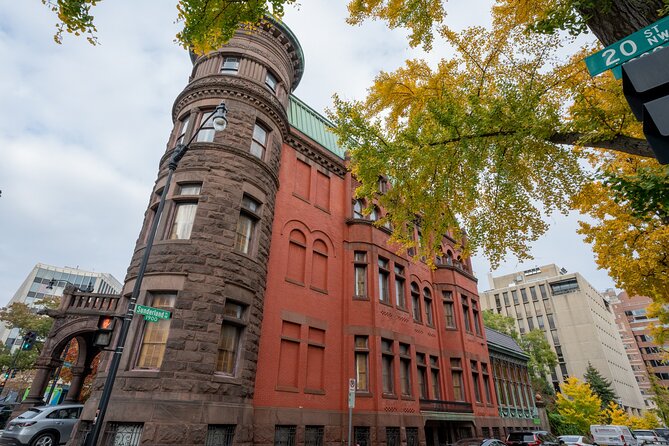
One of the most intriguing chapters on this route is the story tied to the Embassy of Indonesia. You’ll hear about noted socialite Evalyn Walsh McLean, famous for elaborate parties and immense wealth. The guide then connects her former home’s evolution into its current diplomatic role.
This is exactly the kind of DC story I love, because it explains a transformation you might otherwise miss. The neighborhood has changed, but the bones remain. Hearing how a home known for high society became an embassy gives you a clearer picture of how buildings can outlive the people who made them famous.
Expect roughly 10 minutes for this stop. Short, yes—but the story is the whole point. If you’re worried you’ll forget names and timelines, don’t. The guide’s pacing and emphasis make it easier to keep the characters straight, not just the addresses.
You can also read our reviews of more historical tours in Washington DC






Dupont Circle Park: The Circle That Names the Neighborhood
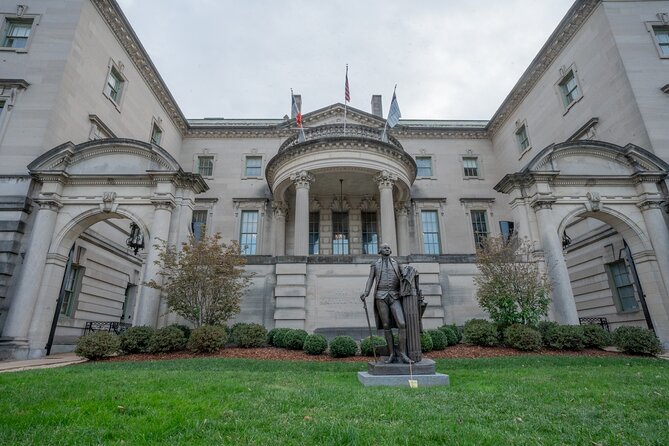
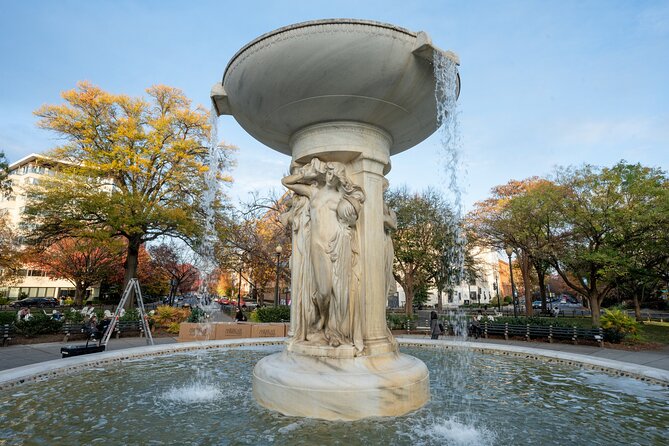
Then you get a classic “you’re here” moment: you’ll explore Dupont Circle park, the circle that lends its name to the surrounding neighborhood. Your guide will share how this area developed from its early establishment to today.
This part is valuable because it helps you stop thinking of Dupont Circle as just a landmark you pass through. Instead, you understand it as a planning idea that influenced the neighborhood’s growth. That perspective makes your next walk different. You’ll start seeing the street grid and the park’s role in how people move and gather.
If you’re a first-time DC visitor, this is where the tour earns its keep. Even if you don’t become an expert on every building, you’ll leave with a mental map of how the neighborhood works.
Sulgrave Club and the Wadsworth Family Tragedy
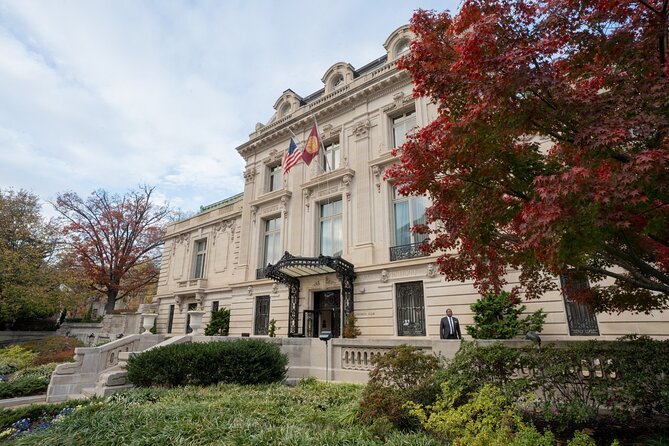
Next is Sulgrave Club. You’ll hear tragic tales about the Wadsworth family, for whom the house was constructed. This stop leans into the human side of the architecture—how fortunes, choices, and family stories can turn a grand setting into something darker.
You’ll spend about 10 minutes here. That may sound brief, but short dramatic stories tend to stick. And on an exterior walk, quick pauses are the norm anyway. The guide’s job is to keep the group moving while still delivering a complete story arc.
This stop also helps balance the usual Gilded Age vibe. Not everything is glamour. You get the sense that these neighborhoods were built by people with big ambitions, and sometimes those ambitions came with consequences.
An Early African-American Architect: A Less-Expected Design Thread

After Sulgrave Club, the tour includes a moment focused on a mansion designed by an early African-American architect. You won’t be entering, but you will get the significance explained.
I like including this type of detail on a DC tour because it interrupts the default narrative. Washington’s skyline is full of stories, but not all the architectural credits get equal attention unless a guide points them out. This stop helps you see the neighborhood as more than just the familiar names.
Why the Guide Makes the Difference (Especially When Weather Turns)
The best feedback from this tour isn’t about the buildings alone. It’s about how the guide tells the stories. One of the guides on this tour is Shane, and the tour is praised for superb storytelling and a knack for bringing history to life using pictures.
That picture element matters. When you’re standing outside, you can’t always tell what you’re supposed to focus on. Visuals help you connect the dots between what the guide says and what you see on the facade.
Also, you get a real-life bonus: the guide can adjust when conditions get rough. There’s a note about Shane going above and beyond to customize the tour during cold and rainy weather. That’s not just nice service—it’s useful. On an outdoor walk, weather affects pacing, stopping time, and comfort. When a guide adapts, the tour stays enjoyable instead of turning into a soggy scramble.
What you should do to get the most out of it
- Wear comfortable shoes and plan on standing for short stretches.
- Bring a light layer and a small umbrella if the forecast looks questionable.
- Have your phone charged, especially if you like the guide’s picture-based explanations.
Price and Value: $69 for a 90-Minute Story Walk
The price is $69.00 per person for about 1 hour 30 minutes. In a city where paid tours can stretch into long museum blocks, this is a relatively efficient use of time. You’re paying for an expert guide and a focused route through Embassy Row and Dupont Circle.
What makes the value clearer is the admission setup. The first stop at Heurich House beer garden is listed with free admission ticket. Other stops list admission tickets as not included, and the tour is explicitly exterior-only, so you’re not paying for mansion entry.
So you’re not buying access to private interiors. You’re buying the interpretation—how to read the neighborhood, how to understand why certain names and organizations matter, and how to connect one story stop to the next.
If you’re deciding whether this is worth it, ask yourself a simple question: do you want a guide to help you see DC as a set of interconnected stories, or do you mainly want to tick off buildings on your own? If you want the guide, $69 can feel fair.
Who This Tour Is Best For (And Who Might Want Something Else)
This tour is a strong fit for:
- First-time DC visitors who want a fast orientation around Dupont Circle and Embassy Row
- People who enjoy storytelling as much as sightseeing
- Travelers who prefer an outdoor walk rather than long museum time
- Anyone curious about the Gilded Age connections, like the Society of the Cincinnati and Evalyn Walsh McLean
It’s not the best fit if you’re hoping for inside access to historic mansions. This tour explicitly stays exterior, so if interior rooms are your main priority, you’d likely want a different type of DC experience.
Should You Book This Embassy Row & Dupont Circle Tour?
I’d book it if you want an efficient, small-group way to understand why this part of DC feels like it’s full of plot. The guide-led approach helps you connect the dots between names, organizations, and buildings, and the tour’s focus on what you can see from the sidewalk is a smart match for a short 90-minute window.
I’d skip it if you mainly want interior mansion access or you only enjoy broad, general DC landmarks. This tour is for readers of detail—people who like secret passages, social scandals, and civic-era organizations.
If the weather is questionable, check the forecast—but don’t let a cloudy day scare you off. When the guide can adjust pacing, the stories still land.
FAQ
How long is the Embassy Row & Dupont Circle tour?
It lasts about 1 hour 30 minutes.
Where does the tour start and end?
It starts at 1921 Biergarten at the Heurich House, 1307 New Hampshire Ave NW, and ends at Dupont Circle North Metro Station, 1908–1998 Q St NW.
Is this a walking tour, and is it indoors?
It is an exterior tour. You do not enter the mansions described.
What’s included in the price?
You get an expert guide. Admission is listed as free for the Heurich House Museum beer garden stop, while other stops note admission tickets are not included.
What group size should I expect?
The tour has a maximum of 15 travelers.
What language is the tour offered in?
It is offered in English.
What if poor weather cancels the tour?
The experience requires good weather. If it’s canceled due to poor weather, you’ll be offered a different date or a full refund.