REVIEW · WASHINGTON DC
National Archives + National Portrait Gallery Tour 6ppl Max
Book on GetYourGuide →Operated by Babylon Tours DC · Bookable on GetYourGuide
A handwritten founding-era room has a way of resetting your brain. This tour pairs the National Archives Rotunda with a Smithsonian portrait-and-art visit, so you get both the documents and the people they inspired. I love that you start with a skip-the-line approach and land in the Rotunda first, not the back of the line. I also like the mind-stretching stop at Magna Carta 1297, where the guide connects old legal ideas to citizenship and rights.
One thing to plan around: parts of the National Archives experience can have quiet or restricted areas, and the museum can also close some rooms without warning. That can change what you see that day, but the tour is designed to work around it by providing an appropriate alternative when closures happen.
In This Review
- Key Highlights You’ll Actually Feel During This Tour
- Entering the National Archives Rotunda: Charters of Freedom First
- Bill of Rights Meets Magna Carta 1297: Citizenship Explained with Real Objects
- National Archives Rules and Quiet Rooms: What to Expect While You’re There
- The Break and the Smithsonian Transition: From Documents to Faces
- Presidential Portrait Gallery: Seeing Power Through Art and Story
- Luce Center and the Lunder Conservation Center Labs Peek
- Two Highlights Tours for $174: Is It Good Value?
- Should You Book This National Archives + Portrait Gallery Tour?
- FAQ
- Where do we meet for the tour?
- How long is the tour?
- Is there skip-the-line access?
- What’s included in the price?
- What do you see at the National Archives?
- What do you see at the Smithsonian portrait portion?
- Is food or drink included?
- Can I bring luggage or large bags?
- Is this tour wheelchair accessible?
Key Highlights You’ll Actually Feel During This Tour
- Skip-the-line access at the National Archives, starting with the handwritten Charters of Freedom
- Bill of Rights + Magna Carta 1297, used by your guide to explain how citizenship evolved
- A Rosa Parks citation included as a modern rights connection
- Presidential Portrait Gallery storytelling, not just a photo-op march
- Kogard Courtyard downtime between two Smithsonian spaces
- Lunder Conservation Center labs peek in the Luce Center, where art care turns into science
Entering the National Archives Rotunda: Charters of Freedom First
If you’ve ever stood in a museum and felt like you were reading history on a label, the Rotunda is different. It’s the National Archives Building’s big, awe-producing room, and this tour sends you there first, with skip-the-line help. You start with the original handwritten Charters of Freedom. That detail matters. It’s not just about what the ideas were. It’s about how they looked when someone actually wrote them down.
Your guide narrates the circumstances that brought the nation into existence. In practical terms, that means you get context fast. Instead of wandering and trying to connect points yourself, you’re guided through what to notice and why it mattered. That’s a huge value for a first-time visit to Washington, DC, where the museums can feel like information overload.
This part is also time-efficient. You get a 2-hour highlights tour of the National Archives Building. You’re not trying to see everything. You’re seeing the core works that people come here for, explained clearly.
Two small tips that help here: wear comfortable shoes, and keep your items minimal. Security is real, and the tour is designed around moving into the building smoothly.
You can also read our reviews of more museum experiences in Washington Dc

Bill of Rights Meets Magna Carta 1297: Citizenship Explained with Real Objects
The tour doesn’t treat the past like a museum diorama. It links founding-era ideas to legal traditions that stretch back farther than most visitors expect. After the Rotunda start, you move into the Rubenstein Gallery for the Magna Carta 1297 (a copy dated to 1297).
This is where your guide’s storytelling turns into a lesson. The conversation centers on how the concept of citizenship and inclusion changes over time. You’ll hear the idea rooted in the declaration that all men are created equal, along with how unalienable rights shaped the political story that follows.
Then comes a modern rights anchor: a Rosa Parks citation. Even if you know her story already, seeing how that reference is presented within the broader founding-rights conversation helps you understand why Americans keep returning to these documents when they talk about equality.
Also, the tour is built around more than just reading plaques. Guides will point out what matters in the room layout and how the exhibits connect, so you don’t just collect facts. You get meaning.
National Archives Rules and Quiet Rooms: What to Expect While You’re There
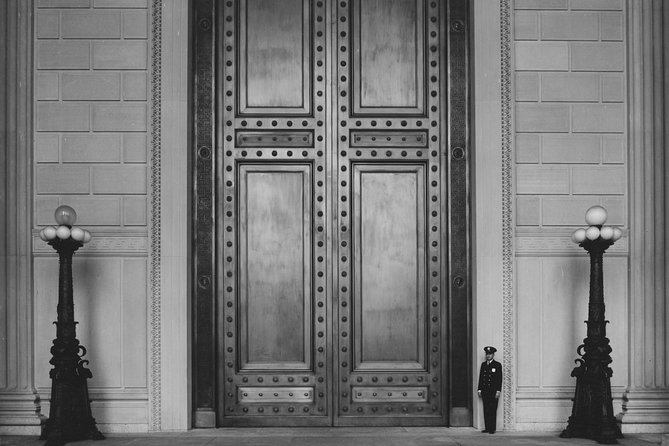
This is one of those museum days where the logistics quietly affect the quality of the experience. The National Archives has security screening, and you can’t bring luggage or large bags. You can bring a handbag or small thin backpack, and you’ll want to keep it light.
You also need a valid photo ID. Passport or ID card is fine, but bring it. The tour runs on live guidance, and ID checks are part of the real-world museum experience.
Another heads-up: some rooms inside the archives are subject to quiet or restricted right to speak. Your guide will explain what to do before you enter those areas. Translation: you’ll get the info you need, but you may not get the usual loud-and-chatty back-and-forth once you’re inside the quiet zones.
Comfort-wise, it’s smart to bring essentials your body will thank you for: a bottle of water, an umbrella if rain’s in the forecast, and a hat in summer. That may sound basic, but Washington weather can switch moods fast, and you’ll appreciate being prepared.
The Break and the Smithsonian Transition: From Documents to Faces
After the National Archives highlight portion, you get a break to ponder the complexity of history and grab a bite. Food or drink isn’t included, so think of this pause as time to reset, not a catered stop.
Then you shift gears into one of the smartest ways to spend an afternoon in downtown DC: the Smithsonian National Portrait Gallery plus Smithsonian American Art Museum in a shared, connected exhibition setup. The spaces flow together, and your guide helps you move through them without turning it into a scavenger hunt.
One of the nicest moment beats here is Kogard Courtyard. It’s a rare moment of breathing room in a museum day. You’re not just passing through halls. You stop, look around, and let the stories land before you head back into galleries.
Your guide also explains what you’re seeing as you go. That’s where a guided visit pays off. Portraits can feel like a wall of famous faces unless someone gives you a way to connect them to the larger American story.
Presidential Portrait Gallery: Seeing Power Through Art and Story
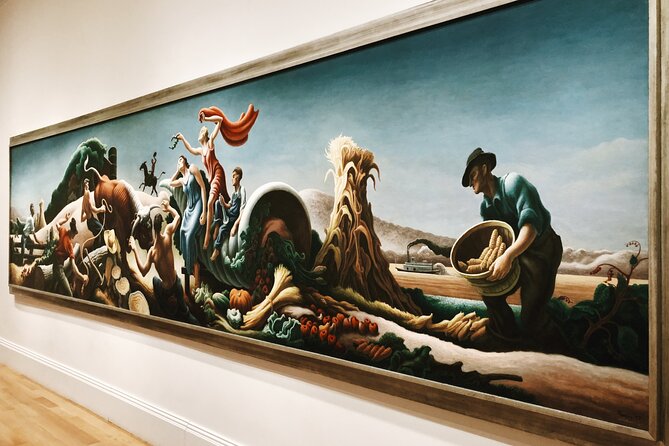
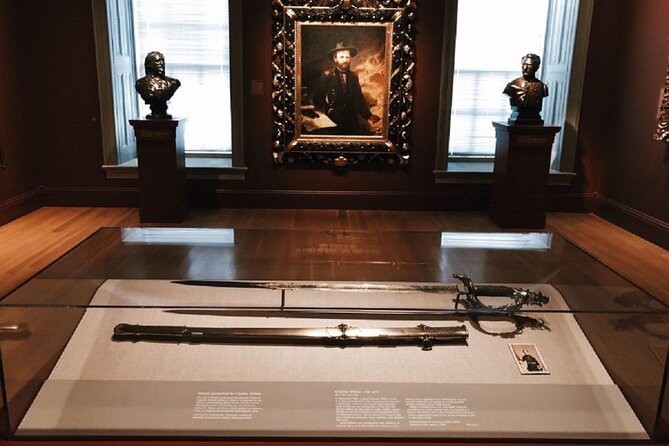
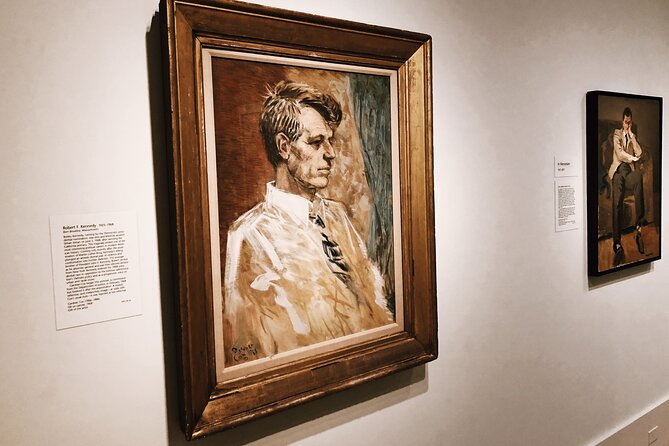
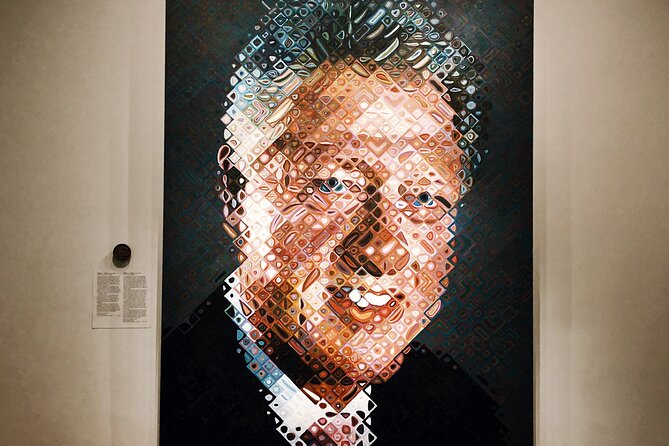
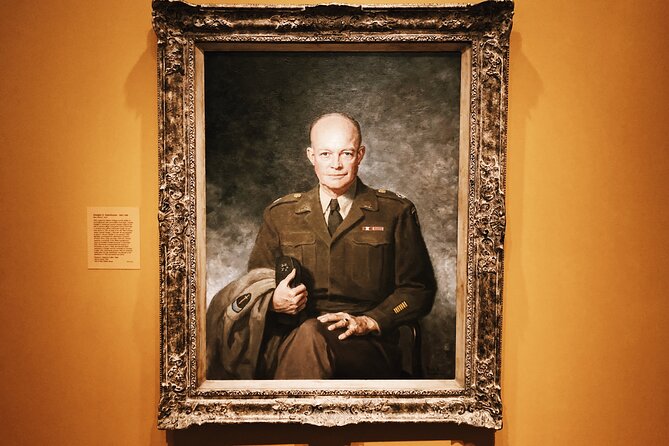
The big centerpiece in the portrait portion is the Presidential Portrait Gallery. This isn’t only about recognition. It’s about how presidents and other major figures are presented through painting, sculpture, and even video.
Your guide takes you through the gallery and shares stories about famous Americans beyond the presidents too. That’s valuable because the meaning of a portrait isn’t fixed. It changes depending on what the artist emphasized and what the era wanted the public to remember.
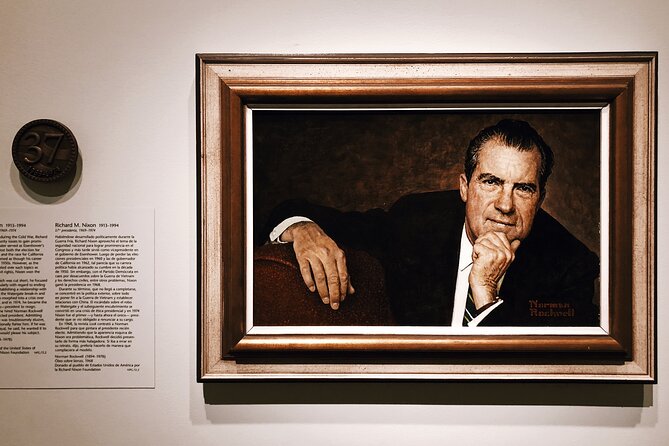
This tour also includes a spread of American art names you’ll likely recognize: Mary Cassatt, Edward Hopper, Andy Warhol, and Norman Rockwell. The key is how you see them. When a guide helps you connect style, subject, and American identity themes, those artists stop being just a list from a textbook.
And yes, you’ll notice that some of the best moments can show up in unexpected places. The tour is structured to route you past the obvious highlights and toward rooms where the art and history overlap in ways that feel easy to miss on your own.
In one past booking, a guide named Jennifer impressed with navigation earlier in the day, but the group later had trouble with guide coordination and hearing during the archives portion. That’s a reminder to take the tour’s pacing seriously and to ask questions early if you need clarity, especially when the day’s moving between stops.




Luce Center and the Lunder Conservation Center Labs Peek
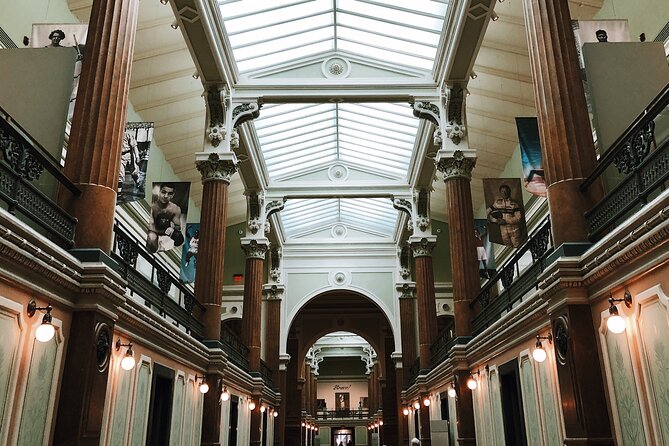
If you’ve ever wondered what happens after a painting leaves the wall, this part answers that. In the Luce Center of American Art portion, you get a chance to peek inside the Lunder Conservation Center and see the labs where conservation work happens.
This is one of those “science behind the art” experiences that makes museum visits click. Conservation isn’t glamorous, but it’s the reason objects survive. Even a short look into the process helps you understand why some pieces look the way they do and what it takes to keep them that way.
Your guide also uses this section to point out how the Smithsonian’s care work connects to the larger story of American culture. It’s not just artifacts behind glass. It’s human effort behind the scenes.
For many people, this is the most surprising moment in the whole day because it’s not the sort of thing you’d pick out as a priority unless a guide told you to.
Two Highlights Tours for $174: Is It Good Value?
The price is $174 per person, and the tour runs 330 minutes (5.5 hours). You’re paying for two guided highlight tours: 2 hours at the National Archives and 2 hours at the Portrait Gallery, plus the in-between guidance and transition time. You also get skip-the-line at the archives.
That value depends on your travel style. If you like to read and roam on your own, you might feel you could do parts of this for free. If you want a guided explanation that turns documents and portraits into a connected story, this is easier to justify.
Group size matters too. You can choose between private and semi-private/small group formats. The tour is described as private or small group with no more than 8 people. In a place like the National Archives, smaller groups usually mean you’re less likely to get steamrolled by crowd flow.
One practical note: temporary exhibits aren’t included. So don’t book this expecting it to cover everything new at the Smithsonian on that specific week. Instead, think of it as a focus tour for core works: the founding documents and the big portrait galleries.
A quick sanity check: if you only care about the National Archives OR only care about the portrait side, you may not get full value from paying for both guided portions.
Should You Book This National Archives + Portrait Gallery Tour?
I’d book it if you want a guided day where the American story connects in two directions. You get the founding documents and then you see how those ideas show up in portraits and art. It’s a strong mix for first-timers, history-and-art fans, and anyone who likes structure without feeling rushed through everything.
I’d pause before booking if you need wheelchair access. The info here is mixed: it’s marked not suitable for wheelchair users, though the provider also asks you to advise when booking if you require a wheelchair accessible tour. That means your best move is to confirm directly with Babylon Tours before you commit.
Also, if you hate group pacing or you know you’ll need lots of time to sit and read quietly on your own, consider whether highlights-only might feel too fast.
If you want a day that’s both meaningful and efficient, this is the kind of tour that makes museums feel like stories instead of chores.
FAQ
Where do we meet for the tour?
Meet on the bottom of the front stairs of the National Archives Building on Constitution Ave. NW.
How long is the tour?
The duration is 330 minutes.
Is there skip-the-line access?
Yes. The tour includes skip-the ticket line for the National Archives.
What’s included in the price?
You get a professional local expert guide, a 2-hour highlights tour at the National Archives Building, and a 2-hour highlights tour of the Portrait Gallery.
What do you see at the National Archives?
You’ll see highlights including the Bill of Rights and the handwritten Charters of Freedom in the Rotunda, plus Magna Carta 1297 and a citation to Rosa Parks.
What do you see at the Smithsonian portrait portion?
You’ll tour the Smithsonian National Portrait Gallery and Smithsonian American Art Museum, including the Presidential Portrait Gallery, plus works by artists such as Mary Cassatt, Edward Hopper, Andy Warhol, and Norman Rockwell. You may also get a peek into the Lunder Conservation Center labs.
Is food or drink included?
No. Food or drink is not included, though there is a break where you can grab a bite.
Can I bring luggage or large bags?
No. Luggage or large bags aren’t allowed through security. You can bring a handbag or small thin backpack.
Is this tour wheelchair accessible?
This listing marks it as not suitable for wheelchair users, even though it asks you to advise when booking if you require a wheelchair accessible tour. You should confirm accessibility needs directly with the provider before booking.