REVIEW · WASHINGTON DC
National Archives & Museum of American History Guided Tour
Book on GetYourGuide →Operated by Babylon Tours DC · Bookable on GetYourGuide
Founding documents, without the hassle. This guided, small-group outing links the National Archives Rotunda with the Smithsonian’s American History Museum, so you see the papers that shaped the U.S. and understand the ideas behind them. I like that you get the Original Declaration of Independence moment, plus famous artifacts that feel way more real with a guide narrating what they meant at the time.
The main drawback is practical: expect moderate walking and some rules inside the museum about quiet or restricted speaking in certain rooms. If you want a sit-down tour with minimal movement, this one may feel a bit busy.
In This Review
- Key highlights at a glance
- Rotunda First: How This Tour Gets You Oriented Fast
- Inside the National Archives: Declaration, Constitution, and the Bill of Rights
- The 1297 Magna Carta Stop: Citizenship, Inclusion, and Change
- The Flag and Washington’s Sword: Symbols With Specific Backstories
- Break Time That Actually Helps: Planning for Real Life
- Smithsonian American History Museum: Pop Culture Meets the Past
- First Ladies Gallery: Dorothy’s Ruby Red Slippers and More
- Who This Tour Fits Best (and Who Might Prefer Another Plan)
- Price and Value: Is $166 Worth It?
- What to Bring (So the Day Feels Easy)
- Should You Book This Tour?
- FAQ
- How long is the guided tour?
- Where do I meet the guide?
- Does this tour include skip-the-line access?
- Is food included during the day?
- What group size should I expect?
- Is the tour wheelchair accessible?
Key highlights at a glance
- Skip-the-line entry via a separate entrance, which matters in DC
- Charters of Freedom in the Rotunda, with your guide setting the story from the start
- Original Declaration and Constitution/Bill of Rights display time, not just a quick glance
- 1297 Magna Carta viewing in the Rubenstein Gallery, with a focus on citizenship and inclusion
- National Anthem inspiration artifacts, including the flag tied to the Ft McHenry story
- First Ladies exhibit + Dorothy’s Ruby Red Slippers, placed next to other iconic memorabilia
Rotunda First: How This Tour Gets You Oriented Fast

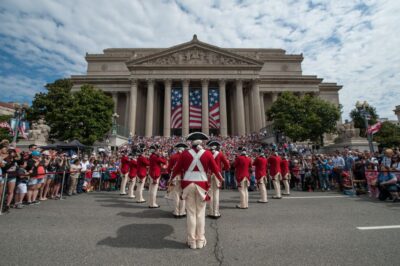
If you’re doing Washington, DC for the first time, the National Archives can feel like information overload. The whole point of this tour is to put order on the chaos. You start at the National Archives Building (on the bottom of the front stairs on Constitution Ave. NW), and you’re taken through the most important “founding-docs orbit” first, while the story is still fresh in your head.
The big win is the Rotunda introduction to the Charters of Freedom. You don’t just stand there reading captions. Your guide narrates the unusual circumstances that brought the nation into existence, and that framing helps the documents make emotional sense. It’s one thing to know the U.S. began with famous papers. It’s another to hear what was going on around them—timing, politics, and the fact that these were contested ideas, not settled conclusions.
This is also where the tour quietly earns its keep. With skip-the-line access and a guided plan, you spend less time fighting entry logistics and more time looking at the artifacts you actually came for.
You can also read our reviews of more guided tours in Washington Dc



Inside the National Archives: Declaration, Constitution, and the Bill of Rights
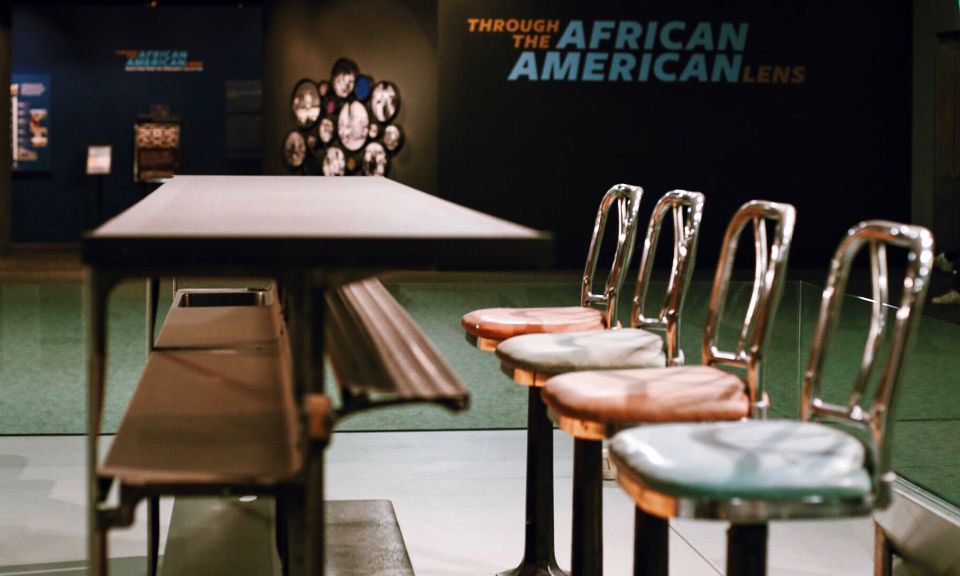
The National Archives highlights are built around the displays most people hope to see, but usually only get in fragments: the original handwritten Declaration of Independence, and then key constitutional material—the Constitution and the Bill of Rights—as part of the larger story of how the country defined rights and power.
What I like here is the way the guide connects what you’re seeing to why it mattered. The Declaration isn’t presented as a poster slogan. You’ll hear how its claims landed in a world that didn’t fully match them. And when the tour shifts from the founding statement to the legal framework, you’re not just collecting facts—you’re getting a sense of how governance works when ideals meet reality.
You also get the kind of interpretation that’s hard to replicate on your own. Museum signage is useful, but it rarely explains the human stakes: who pushed the ideas, who opposed them, and why certain rights became a central argument later.
If you enjoy history that isn’t dry, this portion is where the tour tends to click. It’s structured, but not robotic.
The 1297 Magna Carta Stop: Citizenship, Inclusion, and Change
One of the most interesting surprises in this tour is the visit to the Rubenstein Gallery to see a 1297 copy of the Magna Carta. Yes, it’s not American. But it’s there for a reason, and your guide uses it to talk about citizenship and how the rules for who belongs have shifted over time.
This is one of those stops that can turn into a fast history lesson if you don’t have context. Here, you’re encouraged to think about what the idea of equality meant when it was first declared, and what it took to make that concept practical. That connection—between a medieval document and modern debates—isn’t random. It’s used to highlight the long thread of political arguments about rights and belonging.
You might find yourself leaving this section with a better instinct for how governments evolve. Instead of treating U.S. documents as isolated “final answers,” the tour frames them as steps in a bigger argument that stretches across centuries.
The Flag and Washington’s Sword: Symbols With Specific Backstories
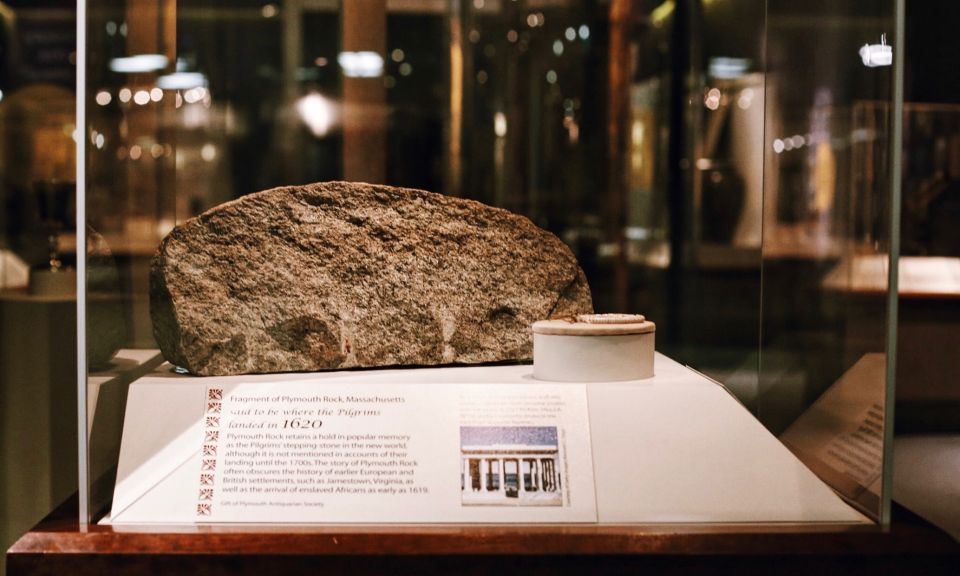
After the founding-doc arc, the tour moves toward symbols that are widely known but often misunderstood. You’ll see the Original Star-Spangled Banner, along with George Washington’s Sword. These objects pull you from abstract civics into physical artifacts—things that survived because someone decided they were worth saving.
This is where a guide makes a visible difference. The Star-Spangled Banner experience is more than a photo opportunity. Your guide ties it to the Ft McHenry story, including the flag that flew there and the poem that was later adapted into what we now call the National Anthem. That chain of events makes the anthem feel less like a school-day routine and more like a record of a specific moment of pressure and endurance.
And Washington’s Sword adds a different kind of context. Instead of focusing only on words and dates, you’re also seeing how leaders were represented and how power was staged through objects, ceremonies, and personal items.
If you like history that connects “what happened” to “what lasted,” this part will keep your attention.
Break Time That Actually Helps: Planning for Real Life
At some point during the day, you’ll get a break to ponder the complexity of history—and grab a bite. Food and drinks aren’t included, so you’ll want to plan around that gap.
Here’s the practical trick: in museums like these, your energy can drain in stages. You’ll likely feel it after the concentration of documents and interpretations, before you even step into the next museum. A short reset helps. If you go in hungry, you’ll start rushing. If you snack too much, you’ll feel heavy and slow.
Bring along water (required on the list) and consider packing a simple snack if you have dietary needs. You’ll also want an umbrella, just because DC weather likes to change its mind without asking.
You can also read our reviews of more historical tours in Washington Dc






Smithsonian American History Museum: Pop Culture Meets the Past

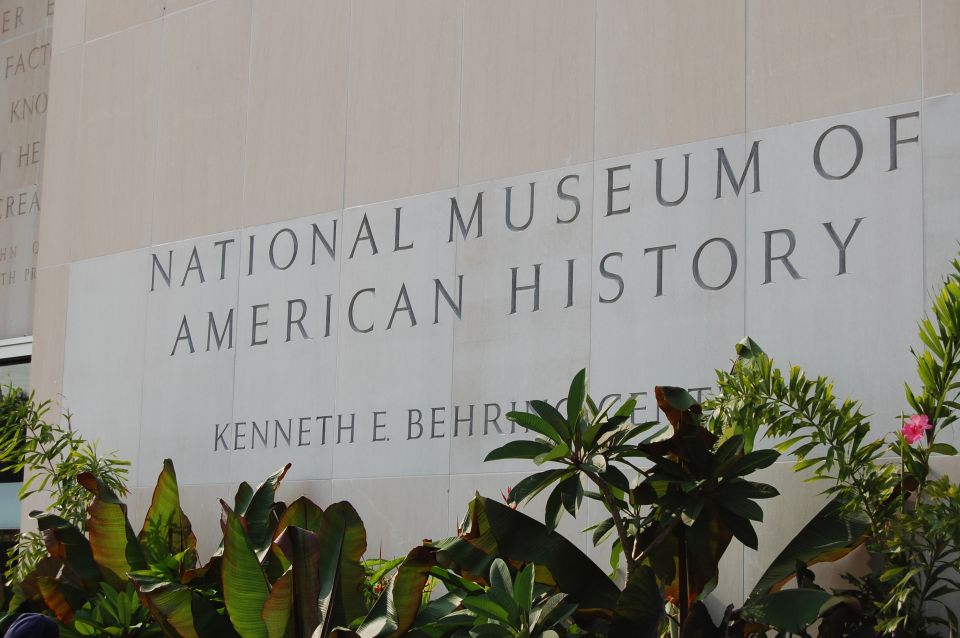
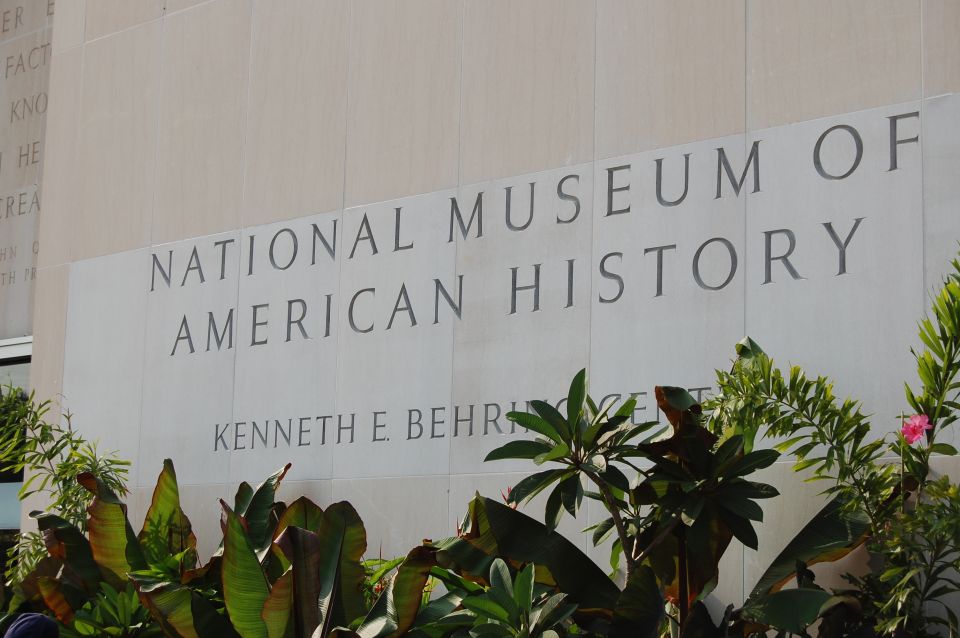
After the Archives, you shift to the Smithsonian American History Museum for a second highlights tour. This museum is a mix—serious scholarship next to pop culture artifacts—and that blend is exactly why it works so well on the same day as the National Archives.
One of the tour’s strengths is that it doesn’t separate “important history” from the objects people actually remember. You’ll be introduced to major collection items, including the flag story tied to the National Anthem. But you’ll also see items that show how Americans have processed their country through fashion, entertainment, and everyday symbols.
The effect is that the U.S. stops feeling like a timeline and starts feeling like a living argument people had in every era. It’s not only what leaders wrote; it’s what the public carried, watched, wore, and celebrated.
If you enjoy museums where you can switch gears—from high politics to cultural artifacts—this pairing is a smart way to spend your day.
First Ladies Gallery: Dorothy’s Ruby Red Slippers and More

The most memorable swing in the Smithsonian segment is the First Ladies exhibition. It’s a popular gallery for a reason: it covers political influence and public image, then brings it down to specific outfits and personal artifacts tied to the role.
This tour gives you a focused look at the most requested artifact: Dorothy’s Ruby Red Slippers, displayed not too far from the top hat Abraham Lincoln wore on a fateful night to Ford’s Theatre. That’s a weird pairing on paper—movie magic next to Civil War-era symbolism—but with a guide, it becomes a story about how Americans remember the past.
You’re not just seeing two iconic items. You’re seeing how culture preserves memory. Slippers from a film become a shared touchstone. A top hat becomes an anchor point for national tragedy, storytelling, and identity. And when your guide adds the background, you start to understand why museum visitors keep returning to these specific objects, even when the collection contains far more.
If you’re the type of person who thinks history should include the human side, you’ll probably love this stop.
Who This Tour Fits Best (and Who Might Prefer Another Plan)
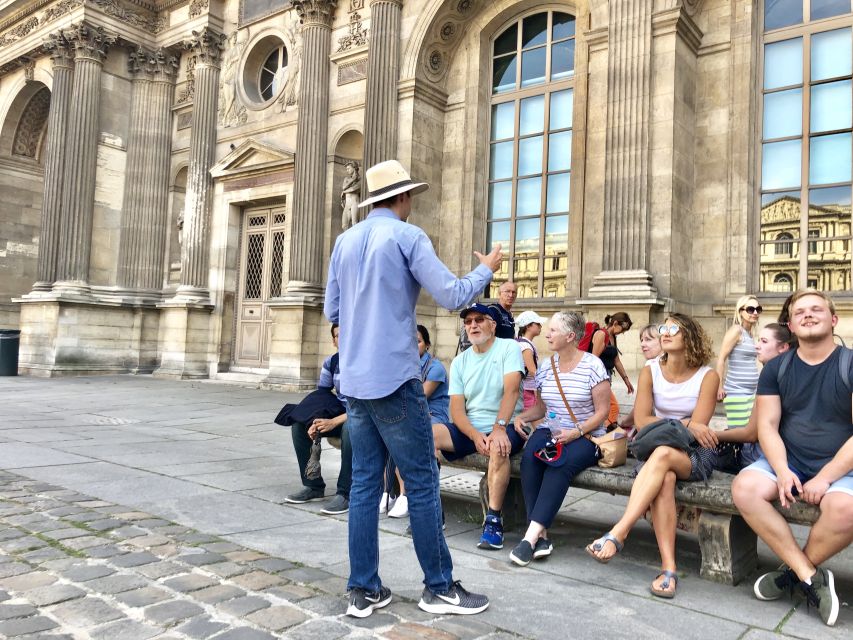
This is a strong choice if you want an efficient day that hits big-ticket artifacts without turning into a solo scavenger hunt. The tour is designed for people who like interpretation—learning how the pieces connect, not just checking off items on a list.
It’s also a good fit if you’re traveling with a group of up to 8 in a private or semi-private setup. Smaller groups tend to make it easier to ask questions and keep the pace aligned with your interests. One clue to that quality: a group size of 8 or fewer is explicitly part of how the experience is structured.
I’d think twice if you need a very low-walking itinerary, since the plan involves a moderate amount of moving through museums.
And if you have mobility concerns, be sure to confirm expectations. The tour notes wheelchair tours by request, but it also lists the experience as not suitable for people with mobility impairments. That contradiction is exactly why I’d contact the provider directly before you commit.
Price and Value: Is $166 Worth It?
At $166 per person for about 5.5 hours, this isn’t the cheapest museum idea in DC. But it’s also not priced like a generic bus tour. The value comes from a bundle of things that are hard to DIY smoothly:
- A professional guide for both the National Archives highlights and the Smithsonian highlights
- Skip-the-line entry through a separate entrance, which is a real time saver in DC
- Two focused museum blocks rather than you wandering and guessing what’s “most important”
- Small-group format (private or semi-private, max 8) that keeps the experience from feeling like a crowd-control exercise
- Artifacts and galleries that would take extra research to prioritize correctly if you’re going alone
If you’re the kind of visitor who reads labels only when they’re pointing you toward something meaningful, the guide is what you’re paying for. If you already know the documents well and you love self-paced wandering, you might save money by going solo. But if you want momentum and context—especially for the Charters of Freedom, Magna Carta connection, and the anthem/First Ladies storytelling—the structure justifies the cost.
What to Bring (So the Day Feels Easy)
This day is much more comfortable when you show up prepared. The essentials are:
- Passport or ID card
- Comfortable shoes
- Umbrella
- Water
Also note what you shouldn’t bring: luggage or large bags. That matters because you may need to store or manage bags before you can fully enjoy the spaces.
Inside the Smithsonian, some rooms have rules requiring quiet or restricting speaking. It’s not a deal-breaker, but it means you’ll want to keep your voice low and follow your guide’s timing.
Should You Book This Tour?
Book it if you want a guided path through the two best-known Washington history stops—fast enough to stay fun, structured enough to avoid wasted time. You’ll get a strong chain from the Declaration and constitutional ideas, to the Magna Carta citizenship thread, and then into the Smithsonian’s American History Museum with famous artifacts like the First Ladies displays and the Ruby Red Slippers.
Skip it only if you prefer total freedom, or if you know you’ll be frustrated by a moderate amount of walking and indoor rules about quiet.
If you want one practical answer: this tour is at its best when you’re trying to get meaning out of iconic objects. That’s exactly what it’s built to do.
FAQ
How long is the guided tour?
The tour runs about 5.5 hours.
Where do I meet the guide?
Meet on the bottom of the front stairs of the National Archives Building on Constitution Ave. NW.
Does this tour include skip-the-line access?
Yes. It includes skip-the-line entry through a separate entrance.
Is food included during the day?
No. Food and drinks are not included, though there is a break built into the schedule.
What group size should I expect?
Tours are private or semi-private with a maximum of 8 people. Semi-private tours have a minimum of 2 guests to run.
Is the tour wheelchair accessible?
Wheelchair tours are available by request only, but the activity is also listed as not suitable for people with mobility impairments. If this applies to you, confirm details with the provider before booking.