REVIEW · WASHINGTON DC
Smithsonian Natural History + Air and Space Museum Private Tour
Book on Viator →Operated by Babylon Tours DC · Bookable on Viator
Two Smithsonian icons, kept on a tight leash. This 5.5-hour combo tour is designed for people who want the best hits without wandering for hours, and you’ll follow your guide to the places that matter most. I especially like the guided crowd navigation that helps you get oriented fast.
You also get a smart pace for two massive museums. I like that the day is split into about 2.5 hours at Natural History and 2 hours at Air & Space, with a lunch break so you don’t burn out halfway across the National Mall.
One thing to consider: you’ll need a phone number (including country code) and you must plan for Smithsonian security rules like no large bags. Some rooms are quiet or restricted for speaking, so this is not the best setup if you need constant chatter.
In This Review
- Key Things That Make This Tour Worth Your Time
- A 5.5-hour Route Through Two Smithsonian Powerhouses
- Meeting Point and Getting Through Security Without Losing Your Day
- Smithsonian Natural History: Henry, the Hope Diamond, and Fossil Hall
- Air & Space Museum: Wright Flyer to Space Artifacts
- Why the Guided Combo Works When You’re Short on Time
- Group Size, Private Options, and How to Protect Your Space
- What to Pack, What to Wear, and How to Stay Comfortable
- Lunch Break Reality: Plan for Your Own Food
- Price and Value: Is $166.15 Fair for This DC Day?
- Should You Book This Smithsonian Natural History + Air and Space Tour?
- FAQ
- What museums are included in the tour?
- How long is the Smithsonian Natural History + Air and Space Museum private tour?
- What time does the tour start?
- Where does the tour start and end?
- Is admission to the museums included?
- Is lunch included?
- Do I need to bring a mobile phone number?
- Is this tour private?
- Are there any restrictions on bags inside the museums?
- What happens if a museum closes or opens late?
- What is the cancellation policy?
Key Things That Make This Tour Worth Your Time

- A focused route through two of the Smithsonian’s biggest draws without DIY decision fatigue
- Crowd-smart guidance that gets you to major pieces faster
- Natural History classics on your path like Henry the elephant, the Hope Diamond, and Fossil Hall
- Air & Space highlights even during renovations including the Wright Flyer and space artifacts
- Free museum admission included with lunch break time built in
A 5.5-hour Route Through Two Smithsonian Powerhouses
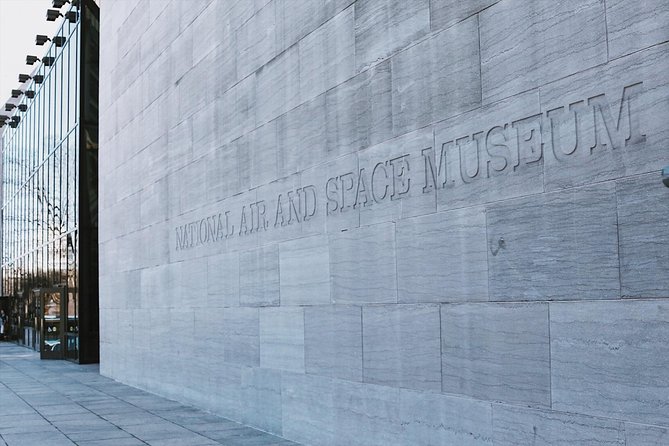
This is the kind of DC day that works when your schedule is tight and your energy is limited. Instead of choosing between the Smithsonian Museum of Natural History and the Air and Space Museum, you cover both with a guide keeping your time and attention moving.
The route also makes sense geographically. You start at the Natural History Museum side of the Smithsonian complex, then cross the National Mall to Air and Space. That change of scenery matters, because both museums can feel endless if you go in without a plan.
You can also read our reviews of more private tours in Washington DC



Meeting Point and Getting Through Security Without Losing Your Day
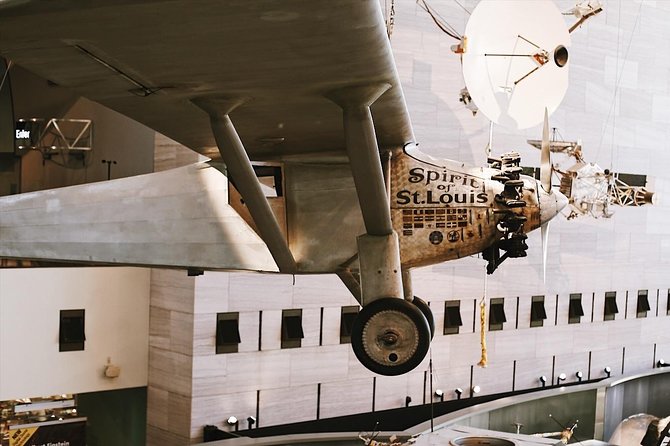
The tour starts at 1010 Madison Dr NW, Washington, DC 20004 at 10:00 am. It ends at Smithsonian’s National Air and Space Museum, 650 Jefferson Dr SW, Washington, DC 20004.
Plan your morning like you’re visiting big-city government buildings: the Smithsonian security check can mean lines. You should pack light. No large bags or suitcases are allowed inside; you’ll typically be limited to handbags or small, thin bag packs through security.
Dress matters too. Some areas require appropriate clothing for entry, so bring a layer even in warmer months. You’ll spend real time indoors, and museums can run cooler than you expect.
Smithsonian Natural History: Henry, the Hope Diamond, and Fossil Hall
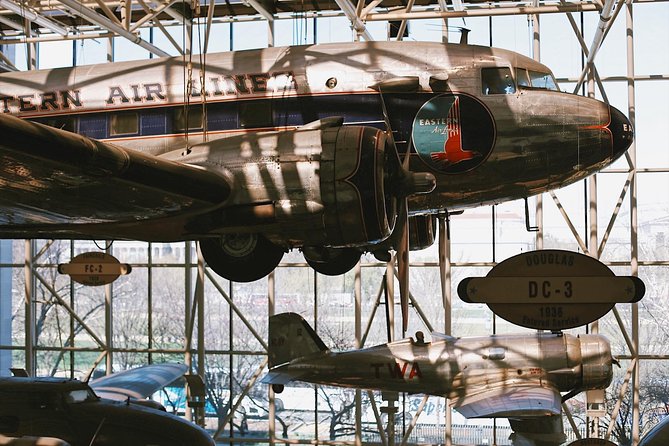
You’ll spend about 2 hours 30 minutes at the Smithsonian National Museum of Natural History, and the whole point is to see the museum’s greatest crowd-pleasers without getting stuck behind every school group.
This is where the day really earns its keep. The Natural History Museum is built for wow moments: stones, bones, and bugs all compete for your attention, so having a route helps you avoid the classic problem of seeing nothing important because you’re too busy choosing.
Here are the core highlights you’re likely to hit on this tour:
- The world-famous elephant named Henry, who greets you at the museum
- The Hope Diamond, described as the museum’s most famous single artifact and known for its spooky reputation
- The Fossil Hall refresh, with major dinosaurs and prehistoric stars like Mastodon, T-Rex, and Diplodocus looming over your path
Even if you’re not a dinosaur person, Fossil Hall tends to land with everyone. It’s big, theatrical, and visually easy to understand quickly, which is exactly what you want when you’ve only got a slice of time.
A practical downside: because this museum draws constant crowds, some lines may still form depending on security and flow. A guide can help you use the museum efficiently, but you should still give yourself a little mental cushion for waiting when the building is at capacity.
Air & Space Museum: Wright Flyer to Space Artifacts
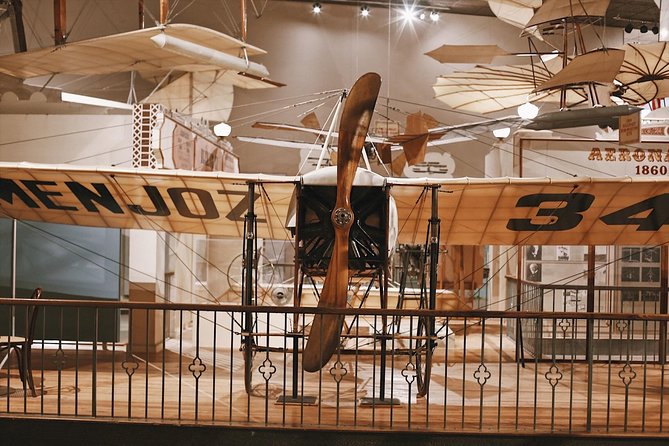
After a break to recharge, you’ll head across the National Mall to the National Air and Space Museum for about 2 hours.
This half of the day shifts the tone. Natural History leans on time scales that feel geological. Air and Space compresses the story of human flight and exploration into galleries where technology and courage are front and center.
Expect the tour to start with the early flight story:
- The Wright Brothers and their breakthroughs
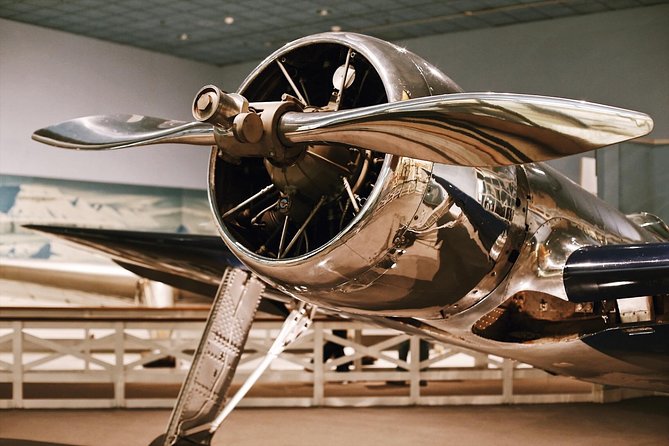
- The original Wright Flyer (1903), shown in a dedicated exhibition gallery
- A look at early military aviation, including a 1909 Wright Bros. flyer
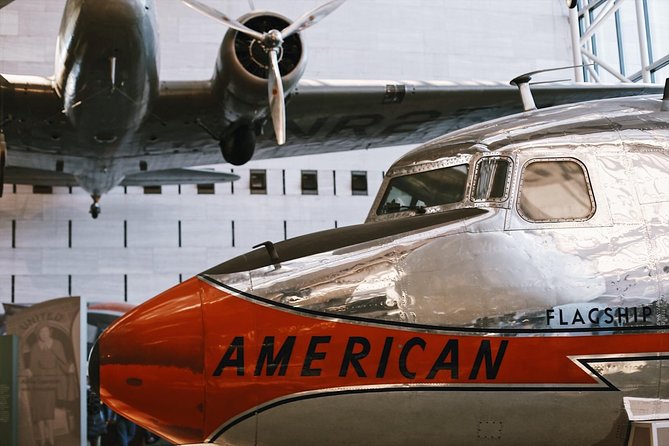
- The growth into a “golden age” of records and commercial aviation
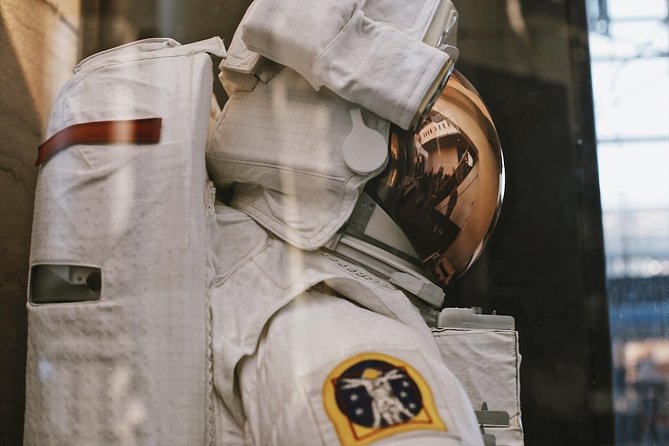
Then you move into the space exhibits. The key theme here is the contrast between what we can imagine and what we dared to build. You’ll view actual artifacts tied to human efforts to operate in space, and then bring the story back toward Earth.
One smart thing: the tour doesn’t pretend you’ll see everything. It picks the most important parts and uses the guide’s pacing to keep you from wandering for 45 minutes trying to figure out where to go next.
The renovation note is real. The museum is undergoing updates, but there’s still plenty to see. That’s why the guided plan matters—construction can make the building feel slightly different on different days, and your guide can help you keep moving toward the main exhibits.
Why the Guided Combo Works When You’re Short on Time
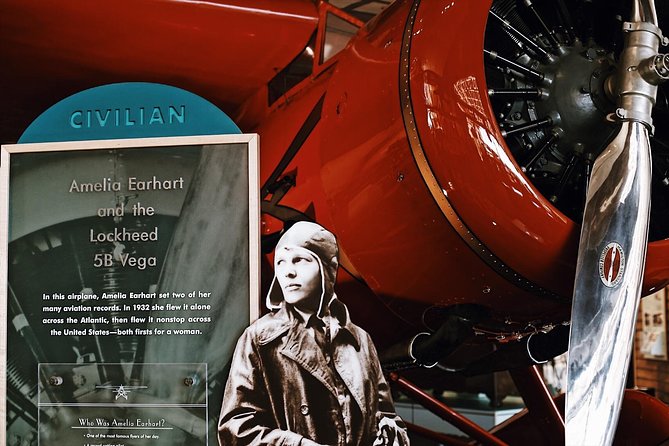
Going solo through either of these museums can feel like a full vacation in itself. With two museums in one day, you’d normally need a strong game plan, like a written list plus serious stamina.
This tour gives you both:
- A route that prioritizes major artifacts
- A pace that keeps the story coherent, so you don’t experience two random museum hours back to back
It also helps that the guide is there to explain what you’re looking at. The best museum visits don’t just show objects; they give you the context that makes the objects click. From what’s been shared by guides on past tours, the common style is story-led: quick background, sharp details, and connections that make the exhibits more than just labels.
You’ll see that effect especially around big-name items. Henry the elephant works because it’s visually funny and instantly memorable. The Hope Diamond works because the tour can frame why it became famous beyond the rocks-and-jewels angle. The Wright Flyer works because it’s a turning point you can feel, once someone connects the dots from early flight to later achievements.
You can also read our reviews of more historical tours in Washington DC





Group Size, Private Options, and How to Protect Your Space
This experience is described as private, meaning your group participates. That said, there’s also mention of a semi-private option where the “guide exclusively for you” part does not apply.
Here’s the practical takeaway: if you truly want zero strangers nearby, you should choose the most private option available. Don’t assume every ticket type creates the same level of separation, even if the overall tour is marketed as private.
The good news is that the “small group or private experience” approach tends to work well for museums. It means your guide can steer you through crowds without feeling like you’re in a moving lecture hall.
From the guide names that show up often—people like Rebecca, Maureen, Leigh, Brenda, Christopher, Tim, Amanda, Richard, Doug, Aaron, Donna, Jennifer, and Glennyce—you can also expect a range of personalities. The consistent thread is that they focus on hitting the right rooms and sharing the stories that turn displays into experiences.
What to Pack, What to Wear, and How to Stay Comfortable
You don’t need special museum gear. You do need smart basics.
Pack light so you won’t get stuck at security. Smithsonian rules limit what you can bring inside, and the tour info is clear: no large bags or suitcases. If you’re traveling with a day bag, aim for something compact enough to pass quickly.
Wear comfortable shoes. Museums are floor-heavy, and your schedule includes a walk across the National Mall. Moderate physical fitness is recommended, which is the polite way of saying you should be ready for sustained standing and walking.
Also plan for quiet rules. Some specific rooms can be restricted or very quiet, and your guide will let you know before you enter those areas. If you’re traveling with kids, this is a good moment to set expectations in advance.
Lunch Break Reality: Plan for Your Own Food
The tour includes a lunch break, but lunch itself is not included.
That matters more than it sounds. If you show up hungry, you’ll waste time deciding what’s convenient, and you’ll lose energy when the Air & Space portion starts. Bring a plan: pick something nearby ahead of time or bring snacks you can grab quickly within rules.
A lunch break is still valuable even without an included meal. It gives you a reset window after Natural History’s high-energy crowd zones, so you can enjoy the flight and space story rather than just endure it.
Price and Value: Is $166.15 Fair for This DC Day?
At $166.15 per person for about 5 hours 30 minutes, the value comes down to one question: how much do you want a guide to save you from decision-making and crowd friction?
Here’s what you get for the price:
- A guided combo through both museums in one day
- A guide operating with your time in mind, including a lunch break window
- Free admission to both museums (tickets for entry are free)
The admission being free is important. You’re paying mostly for expert routing and interpretation, not for museum entry fees. If you can spend the day effectively on your own, you might feel the cost is high. If you want an efficient day and you’d otherwise miss key exhibits, this becomes much more reasonable.
Also consider what you’re buying: not just access, but a streamlined experience. When you’re short on time, the cost of “not seeing the things you came for” is higher than it feels.
Should You Book This Smithsonian Natural History + Air and Space Tour?
I’d book this if you fit one of these profiles:
- You’re a first-time DC visitor who wants the biggest museum hits in one go
- You’re time-pressed and tired of picking between museums
- You like guided context, not just photos of famous objects
- You’ll appreciate a route that’s built for crowds
I would think twice if:
- You need strict privacy and want absolutely no other participants close by—make sure you pick the fully private option rather than any semi-private variation
- You dislike museum security lines and prefer slow, wandering visits at your own pace
- You don’t want to plan for a lunch stop you’ll pay for
If you want a smooth Smithsonian day with fewer detours and more meaning per minute, this is a strong way to do it. Just go in with light bag rules, comfy shoes, and the mindset that you’re here for the highlights—not the entire encyclopedia of exhibits.
FAQ
What museums are included in the tour?
The tour includes two Smithsonian museums: the Smithsonian National Museum of Natural History and the National Air and Space Museum.
How long is the Smithsonian Natural History + Air and Space Museum private tour?
It runs for about 5 hours 30 minutes.
What time does the tour start?
The start time is 10:00 am.
Where does the tour start and end?
It starts at 1010 Madison Dr NW, Washington, DC 20004 and ends at the Smithsonian’s National Air and Space Museum, 650 Jefferson Dr SW, Washington, DC 20004.
Is admission to the museums included?
Yes. Admission tickets are free for both museums as part of the tour.
Is lunch included?
Lunch break time is included, but lunch is not included.
Do I need to bring a mobile phone number?
Yes. You must provide a mobile phone number, including country code.
Is this tour private?
It is described as a private tour/activity with only your group participating. There’s also mention that the guide being exclusively for you does not apply for the Save! Book Semi-Private option, so check which option you select.
Are there any restrictions on bags inside the museums?
Yes. No large bags or suitcases are allowed inside the museums. Only handbags or small thin bag packs are allowed through security.
What happens if a museum closes or opens late?
If museum opening is delayed more than 1 hour from the tour starting time, the operator will provide an appropriate alternative. Refunds or discounts are not provided in those cases.
What is the cancellation policy?
Free cancellation is available up to 24 hours in advance for a full refund. If you cancel less than 24 hours before the experience starts, the amount paid is not refunded.